

How often to change your furnace filter in Indiana
Send the form and the furnace tune-up stops being something to remember.
I'm done searchingHow often should I change my furnace filter in Indiana?
Your furnace runs long and hard once the cold sets in, and you're trying to figure out a schedule you can just stick to instead of guessing every few weeks whether the filter still looks clean.
Every 1 to 3 months, depending on the filter
A basic 1-inch fiberglass filter needs changing every month once your furnace is running regularly. A pleated filter can usually go 2 to 3 months. Indiana winters put a lot of hours on a gas furnace between October and March, and all those running hours push more dust through the filter faster than it would wear in a mild season. A dirty filter makes the furnace work harder to pull air through it, which drives up what you pay to run it and can shorten the life of the blower motor. Check the filter monthly during the cold stretch and hold it up to the light. If you can't see light through it, it's done, regardless of what the calendar says.






A clogged filter in January doesn't just mean weaker heat. Your furnace works to push air through it, and that strain shows up as a furnace that runs longer to reach the same temperature on the thermostat. Run it that way through a full Indiana winter and you're looking at higher gas bills for heat you're not even feeling, plus more wear on the blower motor and the ignition system. Some homes notice the dust first, more of it settling on furniture and windowsills than usual. Others notice a room that used to heat fine is suddenly cold in one corner. If anyone in the house deals with allergies or asthma, a filter overdue for a change is pulling that same dust and dander back through the air they're breathing all day. None of this happens overnight. It builds over weeks, which is exactly why a filter that looked fine at Thanksgiving can be the reason your furnace is straining by February.



Winter nights average 22°F across Indiana, according to NOAA climate data. That's cold enough that your furnace is likely running for long stretches to keep up, not just kicking on for a few minutes here and there. A dirty filter makes that harder on the furnace exactly when it can least afford it. You'll notice rooms taking longer to warm up, or the furnace running well past when you'd expect the house to feel comfortable. Checking the filter before those cold nights settle in gives the furnace a clear path to pull air through, instead of fighting a clogged one for months straight.
NOAA nClimDiv 1991-2020 county normals weighted by homes


1-Inch Filter or 4-Inch Filter
1-inch filter
- A 1-inch filter is thinner, so it clogs faster once your furnace starts running long stretches through an Indiana winter.
- Most homes with this size need a change every one to three months during the cold months.
- Check it monthly when the furnace is running daily, since a dirty one restricts airflow fast at this thickness.
- It costs less per filter, but you'll buy more of them if you're swapping it every month or two.
- A furnace built for a 1-inch filter usually can't take a thicker one without a housing change.
4-inch or 5-inch filter
- A thicker filter holds more dust before it restricts airflow, so it lasts longer between changes.
- Most homes with this size can go three to six months, even through a full Indiana winter.
- You still want to glance at it partway through the season, since a furnace running daily adds up faster than the calendar suggests.
- It costs more upfront than a 1-inch filter, but you're changing it far less often.
- Not every furnace has the housing for this size, so it depends on what your system was set up for.
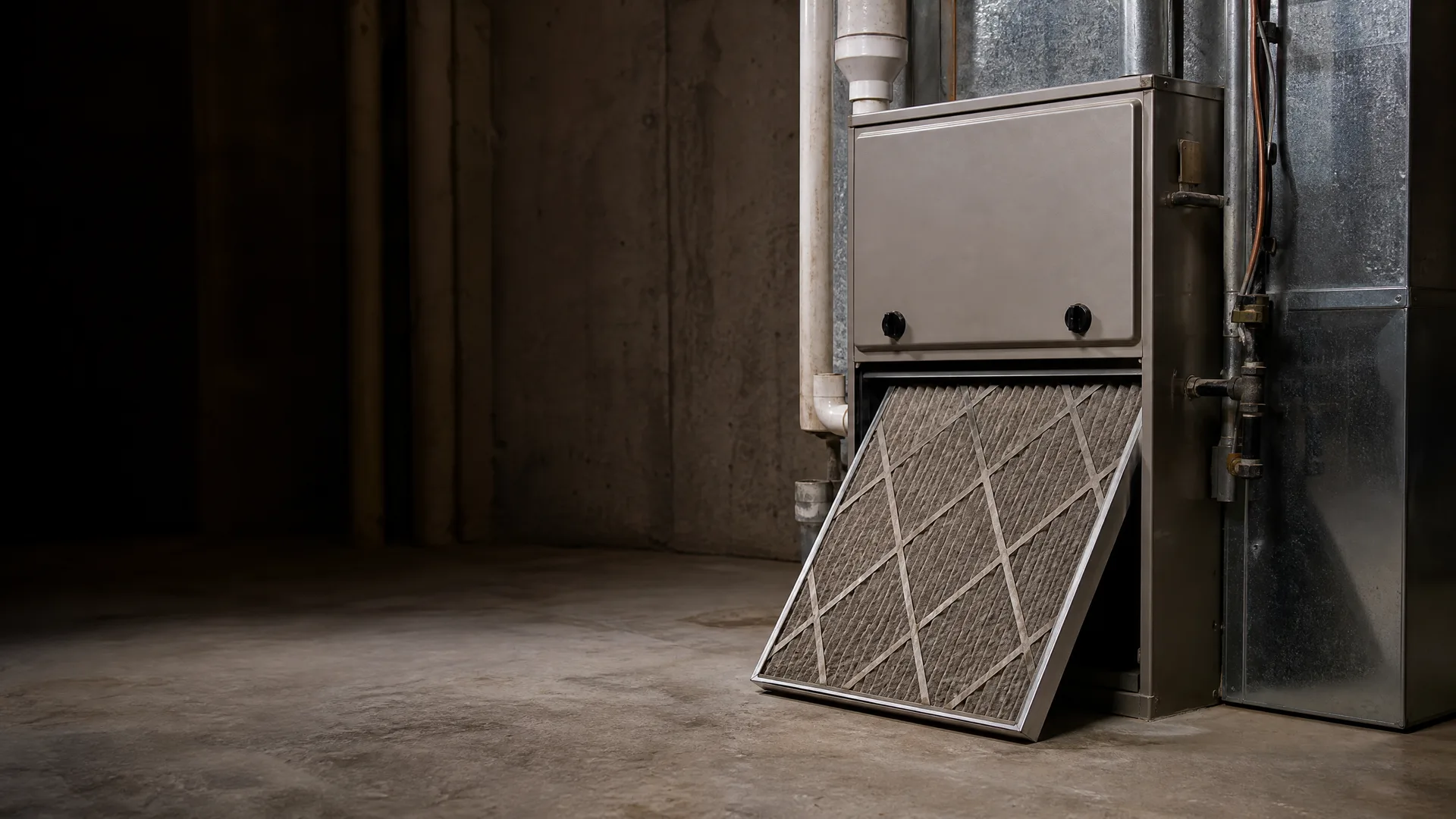
You're down in the basement on a Saturday afternoon in October, the furnace having just kicked on for one of the first times this season. You crouch down and slide the filter out to check it before the weather turns. It's grey, matted with dust along one edge, the pleats barely visible under the buildup. You hold it up to the bare bulb overhead and can't see light through half of it. A furnace tech who services this neighborhood every fall would tell you that's a filter that's been in there since summer, maybe longer, and that putting a clean one in now is what gets you through the first hard freeze without the furnace straining to keep up.
Let someone else find the pro
A licensed local pro takes the request for your furnace tune-up.
Sending the form costs nothing.
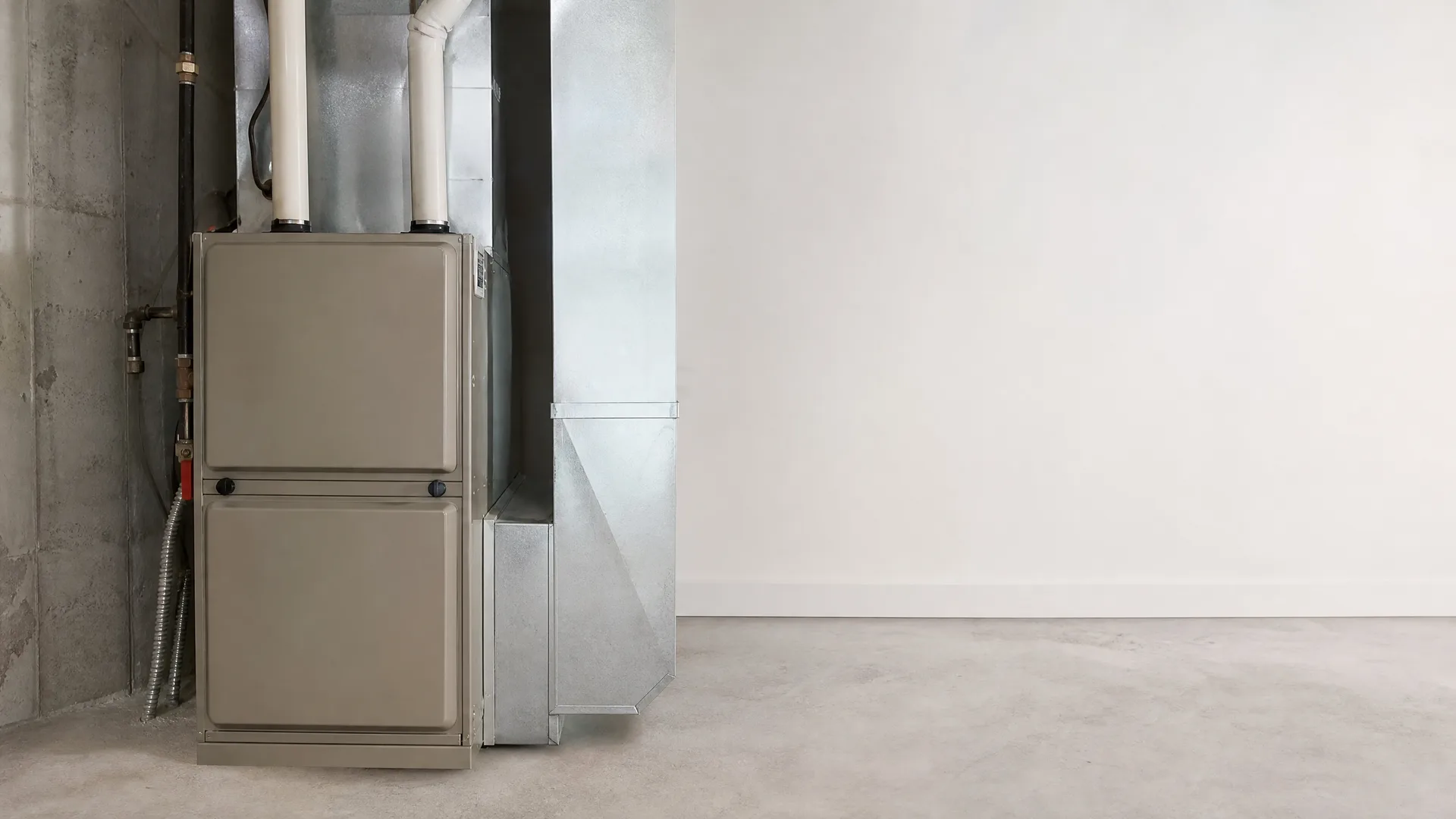
What a thicker filter buys you
A 1-inch filter needs checking every month once your furnace is running hard. A 4-inch or 5-inch media filter holds more dust in the same airflow path, so it can often go three to six months before it needs changing. If you're not sure which one is in your furnace, pull it out and measure it. The size tells you the schedule more than anything else does.
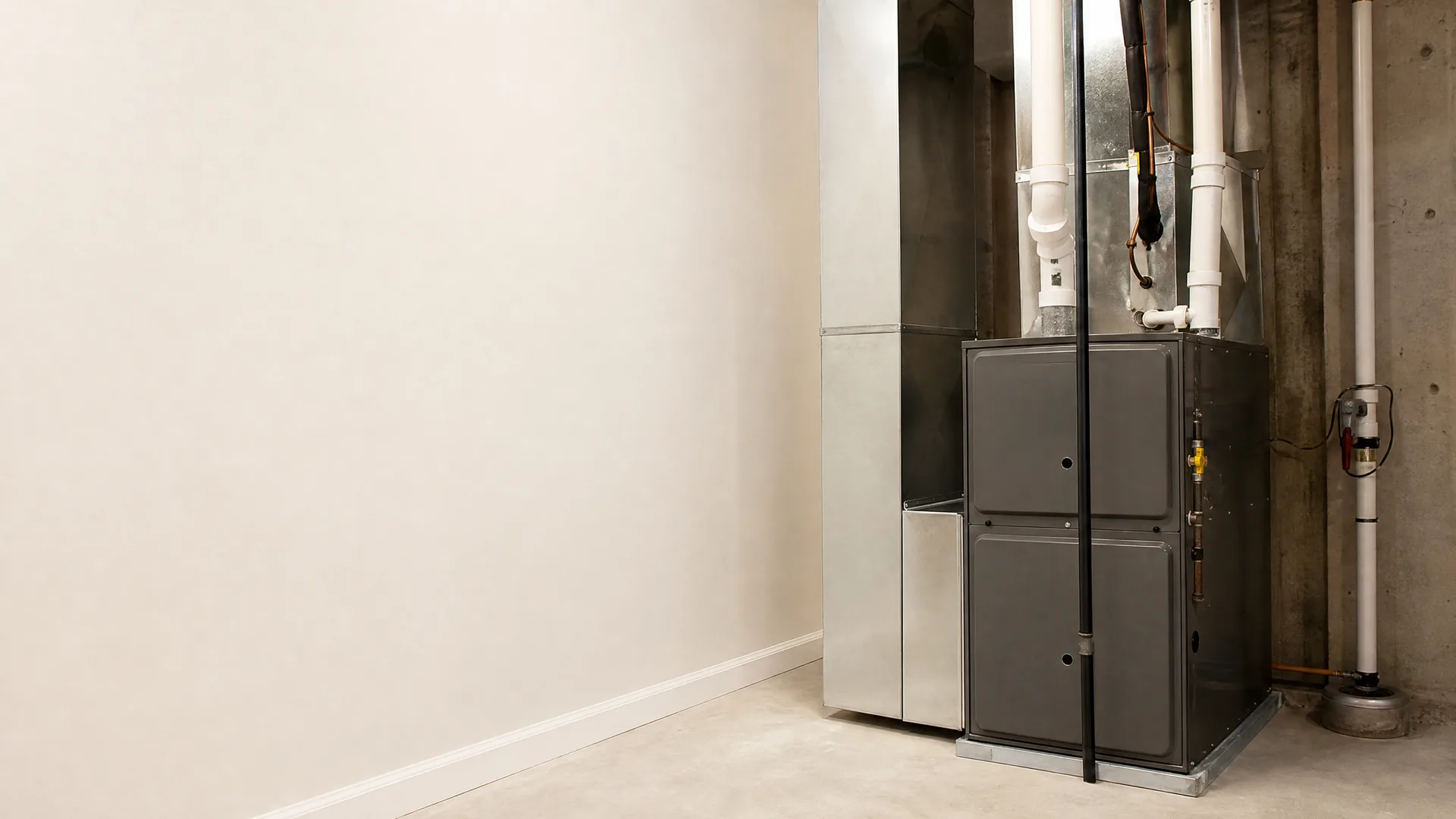
Why the furnace itself tells you
Pets shedding, a house under construction nearby, or a furnace that runs almost nonstop in January all load a filter faster than the box it came in suggests. The safest check isn't the calendar, it's holding the filter up to a light. If you can't see light through it, it's already past due, no matter what month it is. That habit catches the furnace that's working harder than most.
Winter nights average 22°F statewide
At 22°F, your furnace is cycling on for long stretches most nights, not just a few minutes here and there. A filter that's clogged forces it to work through that whole stretch straining for air. Checking it before a cold snap hits is worth more than catching it after.
NOAA nClimDiv 1991-2020 county normals weighted by homes
Your filter schedule, settled
- A 1-inch filter needs a look every month once your furnace is running through the coldest stretches of an Indiana winter.
- A 4-inch or 5-inch media filter can often go three to six months before it needs swapping.
- A furnace working through a clogged filter runs longer to hit the same setting on the thermostat all winter.
- Checking before a cold snap catches the problem before it costs you heat on the coldest nights.
- A local contractor who services furnaces all winter knows which filter size and brand tend to clog fastest in this climate.
- Working with one licensed local contractor means one visit and one set of answers, not a string of calls to sort through.
The answer comes down to what's in your furnace right now. A 1-inch filter earns a monthly check once the cold really sets in. A 4-inch or 5-inch media filter buys you more room, often three to six months, because it holds more dust across the same airflow path. Either way, the point is the same: a furnace pulling air through a clogged filter runs longer to hit the same number on the thermostat, and across a full Indiana winter that strain adds up. Checking before a cold snap, rather than after your heat starts feeling weak, is what keeps the furnace from working through the hardest nights already behind.
If you'd rather have someone else keep track of it, a local contractor who services furnaces all winter in Indiana has usually already seen what your filter size and brand tend to do by February. They know which ones clog fast in homes around here and which hold up. You'll work with one licensed contractor, not a handful of companies competing for your call, so the answers you get are consistent and the visit is just one thing on your schedule instead of several. That's someone who already knows the equipment, not a stranger learning it on your furnace for the first time.

Furnace Maintenance
One request and it's handed off

- A local pro who services furnaces gets in touch about the tune-up.
- Say what's going on with your furnace, and a pro who works on them reaches out.

- Send it once and finding someone is no longer on you.
- Once you send the form, finding a pro is off your list.

- One form instead of hunting for a pro who does furnace tune-ups.
- Fill out one form instead of calling around for a furnace tune-up.

- Only one pro gets your request, so you hear from one company.
- Your request stays with one local pro.