
Heat Pump Repair in Indiana
Across the counties where its people live, Indiana recorded less severe weather from 2015 to 2024 than 41 of the other 49 states.
Tell us about the job
Takes about a minute. No obligation.
- 22°Fwinter overnight low where people live
- 8 monthsof heat, October through May
- 83°Fsummer afternoon high where people live
- 3 monthsof cooling, June through August
Indiana winters don't push a heat pump hard Repairs usually come down to age, not strain
- Southern counties need about 30% more cooling than northern ones
- Winter nights average 22°F where people live
- Summer afternoons average 83°F where people live
- Heat runs October through May
- Cooling runs June through August
- 833 winter storms from 2015 to 2024


Indiana's housing is older than most, and so are a lot of its heat pumps
Half the homes in Indiana went up in 1976 or earlier. Most of the state's housing is single-family houses, the kind where one heat pump usually does all the work, year after year. If yours came with a house from that era, it may already be well into its working life. That matters more than anything about Indiana winters. Before you pay for a major repair, it's worth asking how many years that unit has left in it.

September is worth paying attention to. That's the month before heat pumps here switch over to heating, and it's when a weak part that coasted through summer finally gets tested under a full heating load. If your heat pump has been short cycling or running long without warming the house, don't wait for the first cold snap to call someone.
Heat pumps in Indiana run October through May, about eight months of the year, longer than in most other states. That long stretch means more hours on the compressor and more starts and stops before spring. A unit that's getting old has more chances to show a problem over eight months than it would over a shorter stretch of cold.
An easier climate means most problems can be fixed, not replaced
Indiana doesn't put much strain on a heat pump. Winter nights here average 22°F, milder than in 31 other states, and summer cooling only runs three months. A compressor working against a 22°F night isn't working as hard as one fighting colder air further north. So when a heat pump here is acting up, the cause is usually something that's worn out or come loose over the years, not a system that's been pushed past what it can handle. That's good news for repair. A part that failed from age can usually be replaced and the unit goes back to doing its job. Hail is a separate question. Indiana sees more of it than most states, and a hailstorm can bend the fins on an outdoor unit or crack a housing regardless of how old the system is. If your heat pump started acting up right after a storm, that's worth mentioning when you call someone.
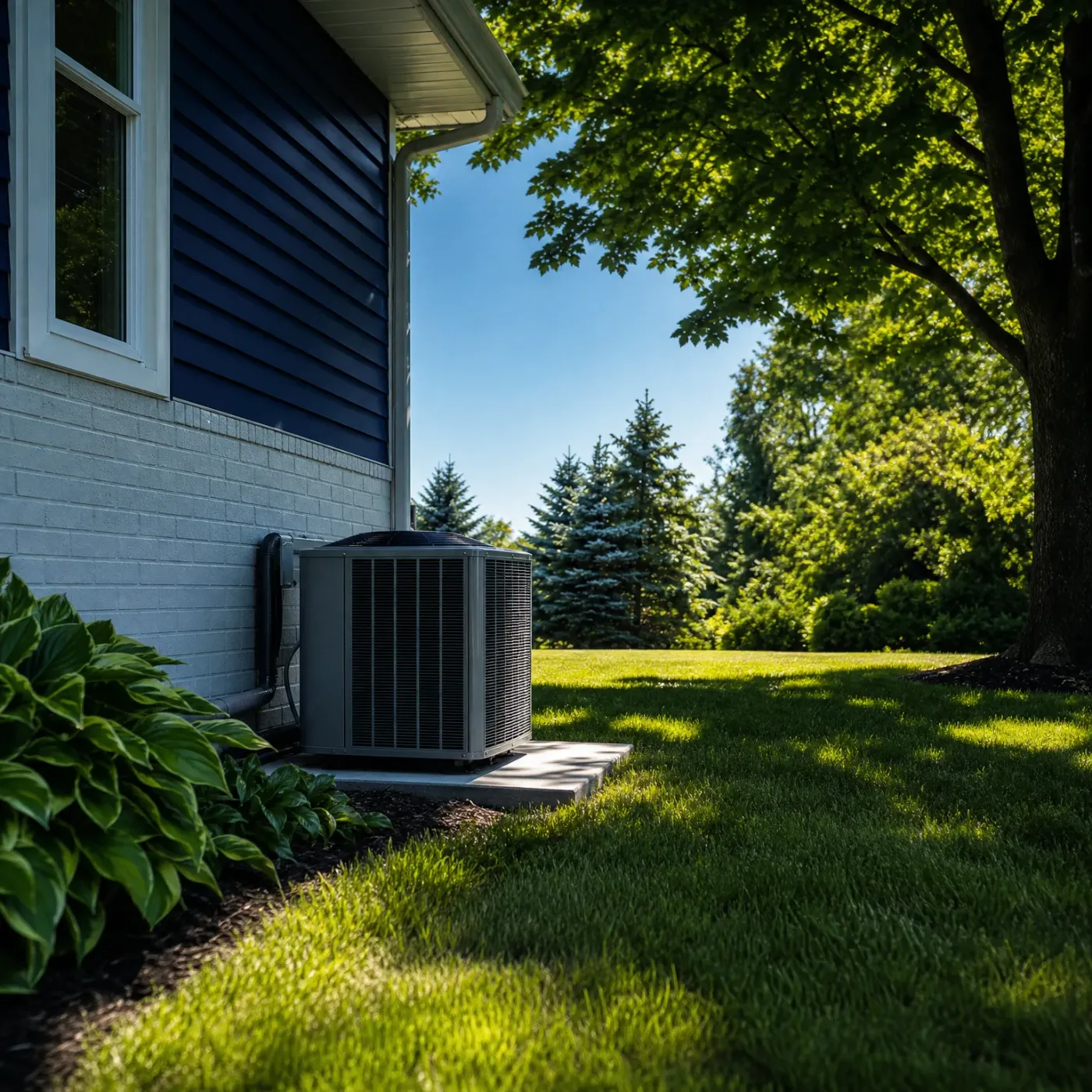
3 months of cooling, June through August
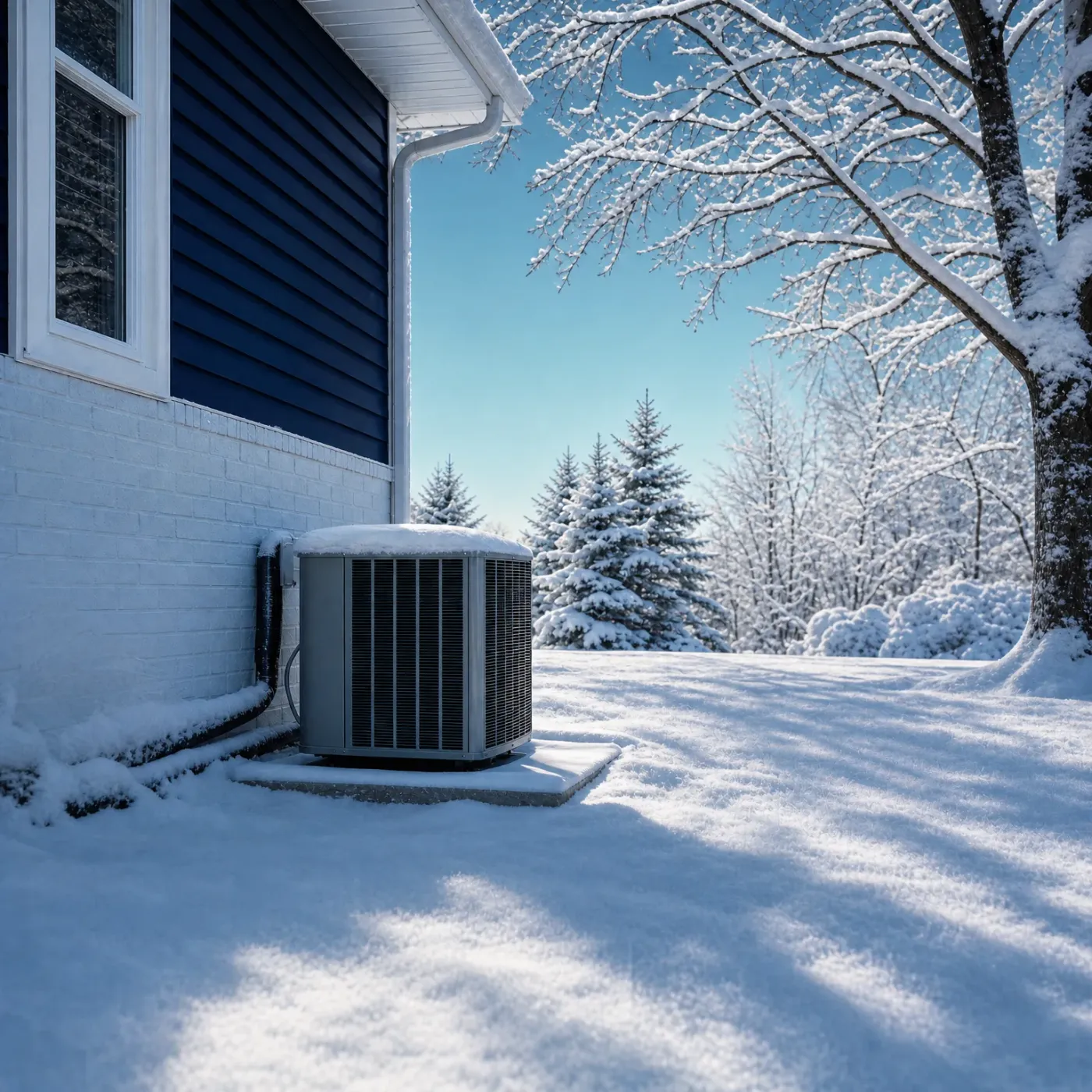
8 months of heat, October through May
Indiana splits north and south in what it asks of a heat pump. Homes in the southern counties need about 30% more cooling over a year than homes up north. Homes in the northern counties need about 15% more heat over a year than homes down south. So the same unit does a different job depending on which end of the state it's in, and that changes what's worth checking first when one starts acting up.
Posey County sits at one end of that split. It needs less heat than any other county in the state, and about two and a half times as much cooling over a year as Steuben County, where cooling need is lowest. A heat pump in Posey County spends most of its working life on the cooling side. If one there is giving trouble, start with whatever handles that load, since that's the part with the most hours on it.
Steuben County sits at the other end. It needs about 47% more heat over a year than Posey County, and its summer afternoons average 81°F, the mildest high anywhere in the state. A heat pump there runs mostly on the heating side, so a problem showing up in Steuben County points first to the parts carrying that work, not to anything cooling-related.
Vanderburgh County runs hottest in summer, averaging 87°F on a June, July or August afternoon. None of this points to a system working beyond what it's built for. Even in the counties that lean hardest one way, Indiana's winters stay milder than most of the country's and its summers stay short. The split tells you which parts to look at first. It doesn't change the reason a heat pump here usually fails, which is age catching up with a part, not a climate asking too much of it.
What does a heat pump in Indiana face?
How hot do summer afternoons get?
83°Faverage afternoon high where people live
Alaska66°F
Arizona101°F
How cold do winter nights get?
22°Faverage overnight low where people live
North Dakota4°F
Hawaii65°F
How many months does the heat run?
8 monthsof heating a year
Hawaii0 months
Alaska12 months
What does electricity cost?
14.77¢per kWh (kilowatt hours, the unit on an electric bill), what homes paid in 2024
North Dakota11.51¢
Hawaii42.86¢
How often do storms hit?
136severe weather events per county from 2015 to 2024
Alaska5
Wyoming1,057
How many homes lost power for a day or more?
17%of homes in 2024
Arizona7%
Maine54%
Running one here doesn't cost more than it should
A heat pump here isn't fighting high electric rates on top of everything else. Indiana homes pay less for electricity than homes in 25 other states, and the average home using air conditioning ran through 6.0 million Btu (British thermal units, a measure of heat) of it in a year. That's a system doing ordinary work at an ordinary cost, not one straining against anything in the power bill or the climate. When a repair bill looks high, it's usually the part and the labor, not a sign the unit's been overworked.
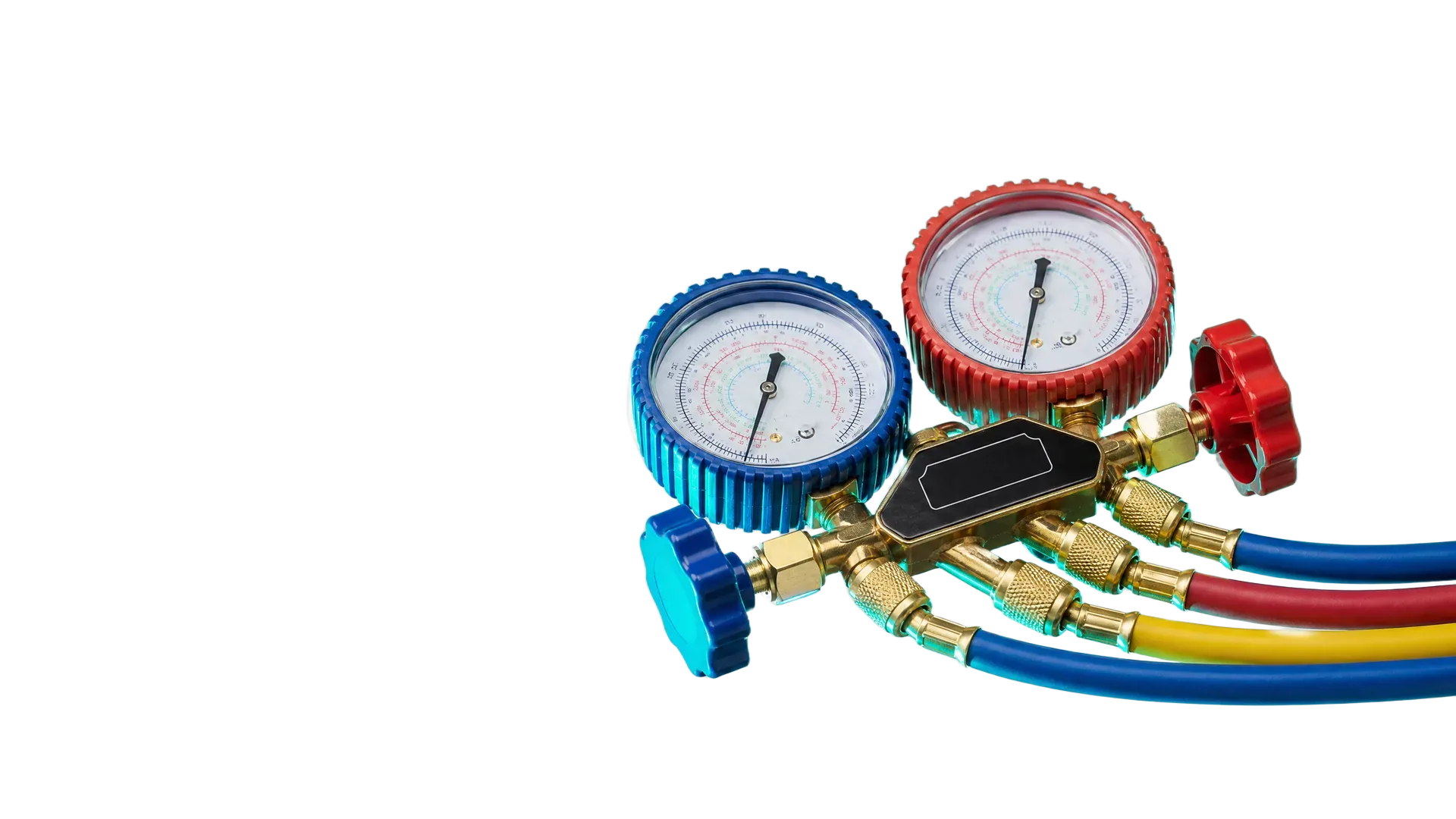
What happens when someone comes out to look at it
A technician starts outside at the outdoor unit, checking refrigerant pressure and looking over the compressor and fan motor. Low charge usually shows up as ice on the lines or weak heating output, and it points to a slow leak rather than something that will clear up on its own. The reversing valve gets checked next. That's the part that switches the unit between heating and cooling, and a stuck valve is a common reason a heat pump blows cold air when it should be warming the house. Inside, the technician looks at the air handler, the indoor coil and the blower motor, and checks airflow across the coil. A dirty filter or a blocked return can look like a failing part even when nothing inside is actually broken. Electrical components come next. The capacitor gets the compressor and fan motors started, the contactor switches power to them, and the circuit board handles defrost cycles and timing. A failing capacitor often shows up as a unit that hums but won't start, or a fan that spins slower than it should. Once the actual problem is found, the technician can say whether it's worth repairing or whether the unit's age makes that a harder call.
If the house is old, ask about the unit's age too
Half the homes in Indiana were built in 1976 or earlier. That puts a lot of houses, and a lot of the heat pumps serving them, well past the point where a repair is a sure bet. Most of what's out there is single-family houses, which usually means one unit doing all the heating and cooling for the whole house with nothing to split the load. If yours is original to a house that old, age is worth asking about before you spend money on a part. A technician can tell you how much life is likely left once they know what's actually failed.
A heat pump acting up in a mild Indiana winter is usually fixable, not finished.
Tell us about the job
Takes about a minute. No obligation.
Fill out the form once and a licensed contractor near you calls to look at it.