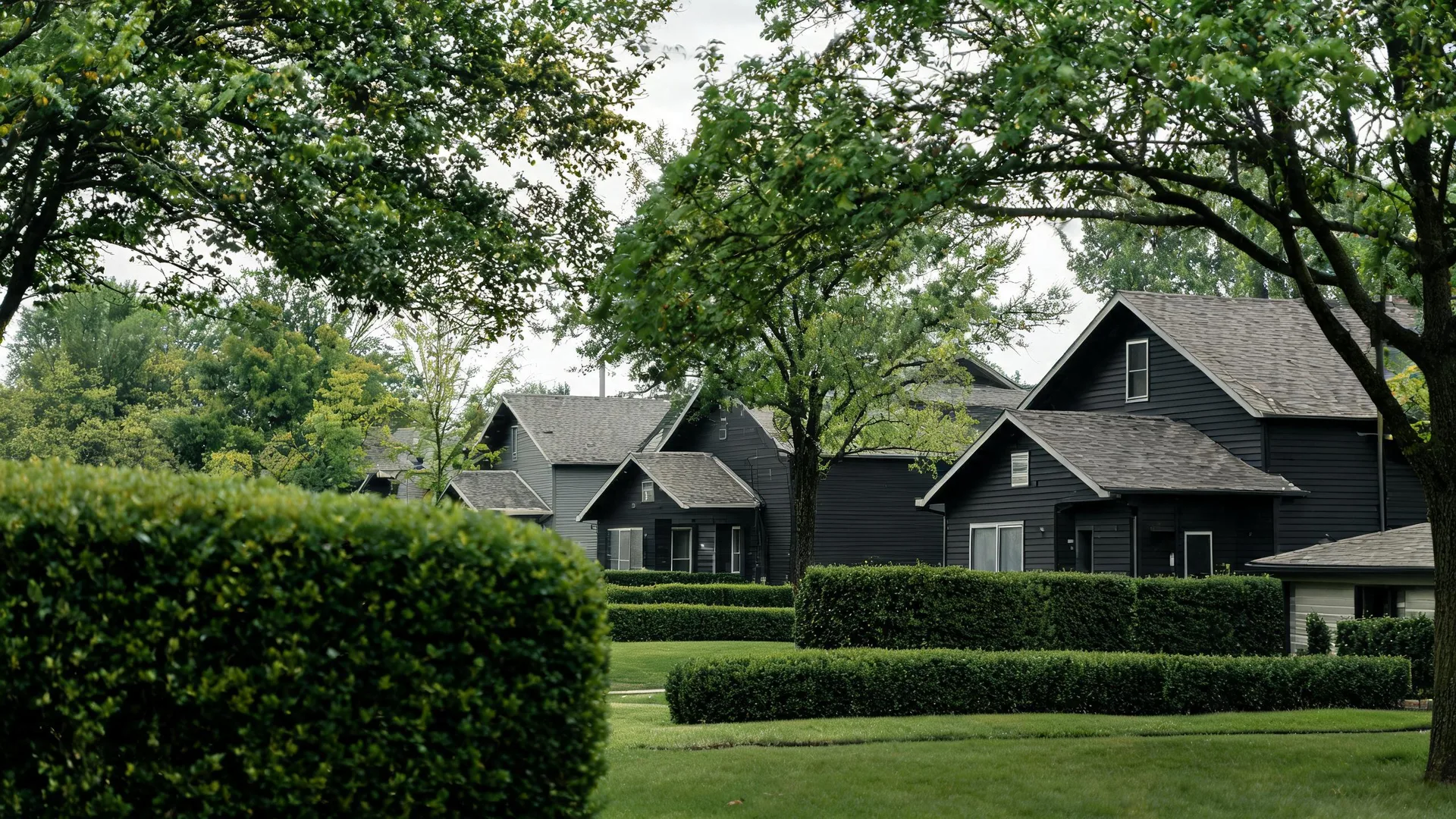
Boone County homes skew newer
Half the houses in Boone County were built in 1995 or later. A heat pump that came with a newer home has had less time to wear and probably has years of working life still in it.
Takes about a minute. No obligation.
Half the houses in Boone County were built in 1995 or later. A heat pump that came with a newer home has had less time to wear and probably has years of working life still in it.
A newer system acting up is usually a single failed part, not a sign the whole unit is done. Worth finding out what's actually wrong before anyone talks about replacing it.
NOAA nClimDiv, 1991–2020 normals
Boone County winters sit around 21°F at night, not deep cold.
A heat pump here isn't fighting extreme temperatures all winter, so a worn part is more often the problem than a worn-out machine.



Your heat pump switches over to heat in October here, so September is worth a look if it's been quiet all summer. The first cold mornings put load on parts that sat idle since spring, and a weak capacitor or a failing reversing valve tends to show itself right then. Same thing happens in reverse come June, when cooling starts after eight months of heating. If yours is struggling in the first week or two of a season rather than partway through, that timing usually points to one part giving out under the switch, not the whole system wearing down.
Get the part diagnosed before anyone brings up a new unit. With half the homes in Boone County built in 1995 or later, there's a good chance yours is one of them, and a heat pump that young usually has the years left to make repair the right call.
Find a contractor
A heat pump here runs through about 21°F nights at worst, then shuts off most of the year once the temperature swings mild. That's not a machine under constant strain. So when one acts up, look for the part that failed, not a system worn out from the work. Get the diagnosis before you decide anything else.
A heat pump moving air that's barely off room temperature usually isn't broken outright. Check the reversing valve first. That's the part that decides whether you get heat or cooling, and when it sticks, the system runs but does the wrong job.
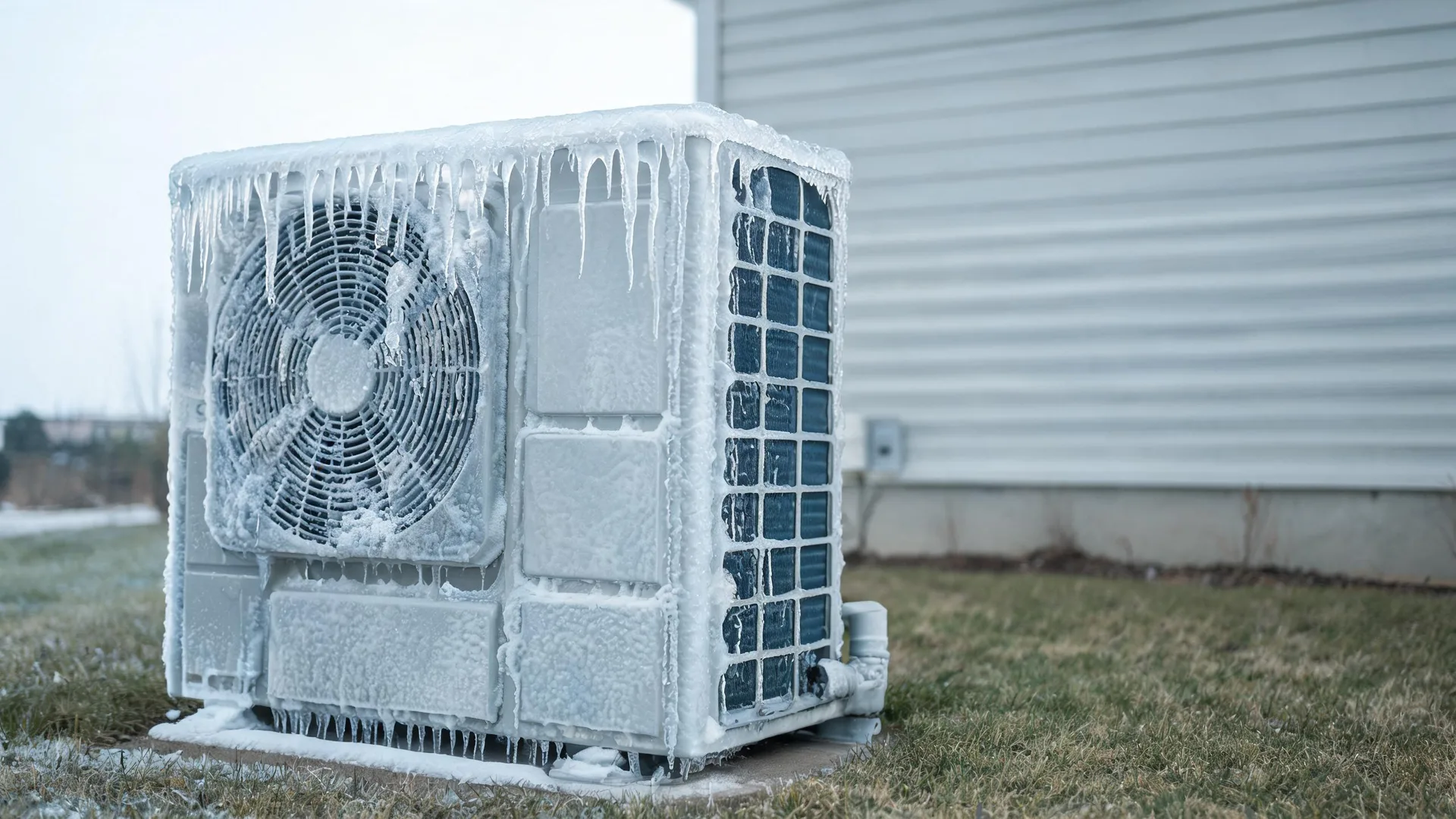
A heat pump that won't shut off and still can't hold the temperature is often low on refrigerant or losing heat exchange at the outdoor coil. Frost building up on that coil outside the defrost cycle is usually part of the same problem, not a separate one.
Before anyone comes out, a few things are worth a look. Go outside and check the outdoor unit for ice on the coil, leaves packed against the side, or anything blocking airflow around it. Check the air filter inside. A clogged one chokes airflow and can make a working system act like a broken one. Walk the vents and see if air is actually moving from each one. If the thermostat has batteries, swap them, since a dying thermostat can mimic a dead system. Check the breaker box too. Heat pumps trip breakers sometimes without any other sign something's wrong. None of this fixes a bad capacitor or a stuck reversing valve, but it rules out the simple stuff before anyone opens the cabinet.
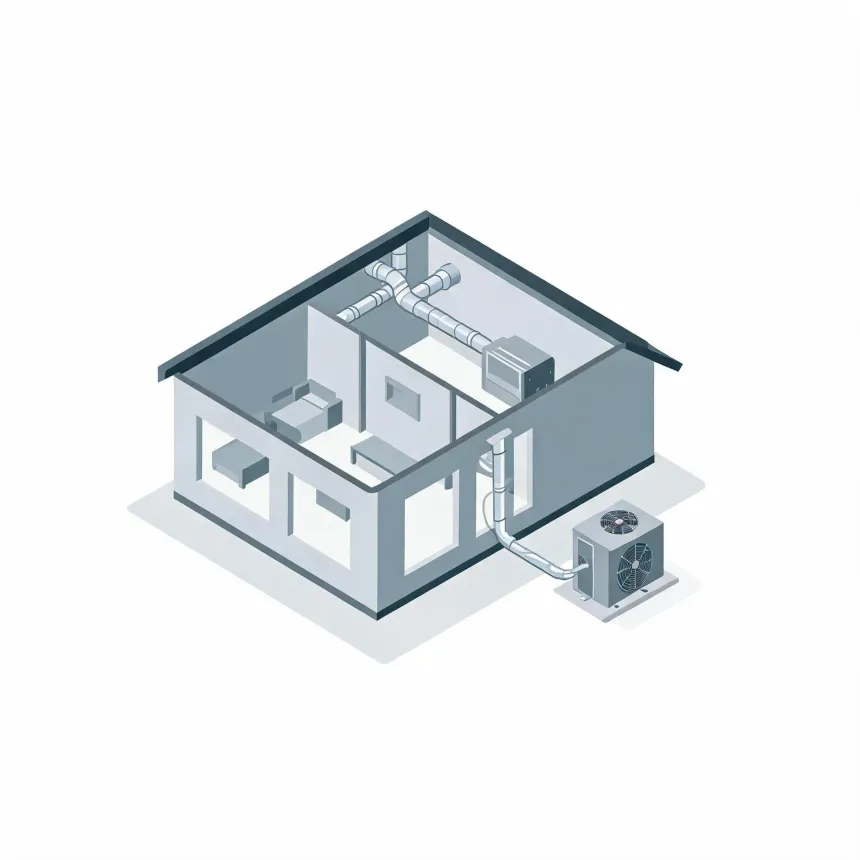
A diagnostic visit starts outside at the condenser. The tech checks the compressor, the fan motor, and the refrigerant charge. Low charge shows up fast on gauges. So does a compressor pulling the wrong amperage. From there it moves to the reversing valve, since a valve that won't fully shift is a common reason a heat pump blows the wrong temperature air. Inside, the coil and blower motor get checked for airflow problems. A coil iced over or a blower running weak will mimic a refrigerant issue even when the charge is fine. The capacitor, the contactor, and the control board get tested too, since a failing capacitor can let a motor hum or struggle to start without killing it outright. The goal is finding which one part is actually at fault rather than guessing, since a reversing valve and a weak capacitor get fixed in completely different ways.