
Heat Pump Installation in Indiana
Across the counties where its people live, Indiana recorded less severe weather from 2015 to 2024 than 41 of the other 49 states.
Tell us about the job
Takes about a minute. No obligation.
- 22°Fwinter overnight low where people live
- 8 monthsof heat, October through May
- 83°Fsummer afternoon high where people live
- 3 monthsof cooling, June through August
A heat pump here has it easy Eight months of heat, mild nights
- Southern counties need about 30% more cooling than northern ones
- Winter nights average 22°F where people live
- Summer afternoons average 83°F where people live
- Heat runs October through May
- Cooling runs June through August
- 833 winter storms from 2015 to 2024


Half of Indiana's homes were built in 1976 or earlier

Gas heats most of Indiana, 58.6% of homes, with electricity running a distant second at 31.2%. A furnace paired with central air is what most homes here already have, so a heat pump going into one of these houses is usually replacing that same setup rather than something unfamiliar.
A heat pump works differently than that gas furnace. It moves heat instead of burning fuel for it, and it takes over the job of the central air conditioner too, running off one system instead of two. Anyone switching from gas should ask how the contractor sizes the new system for the coldest nights, since that decides whether it keeps the house warm on its own or needs backup heat to help out.
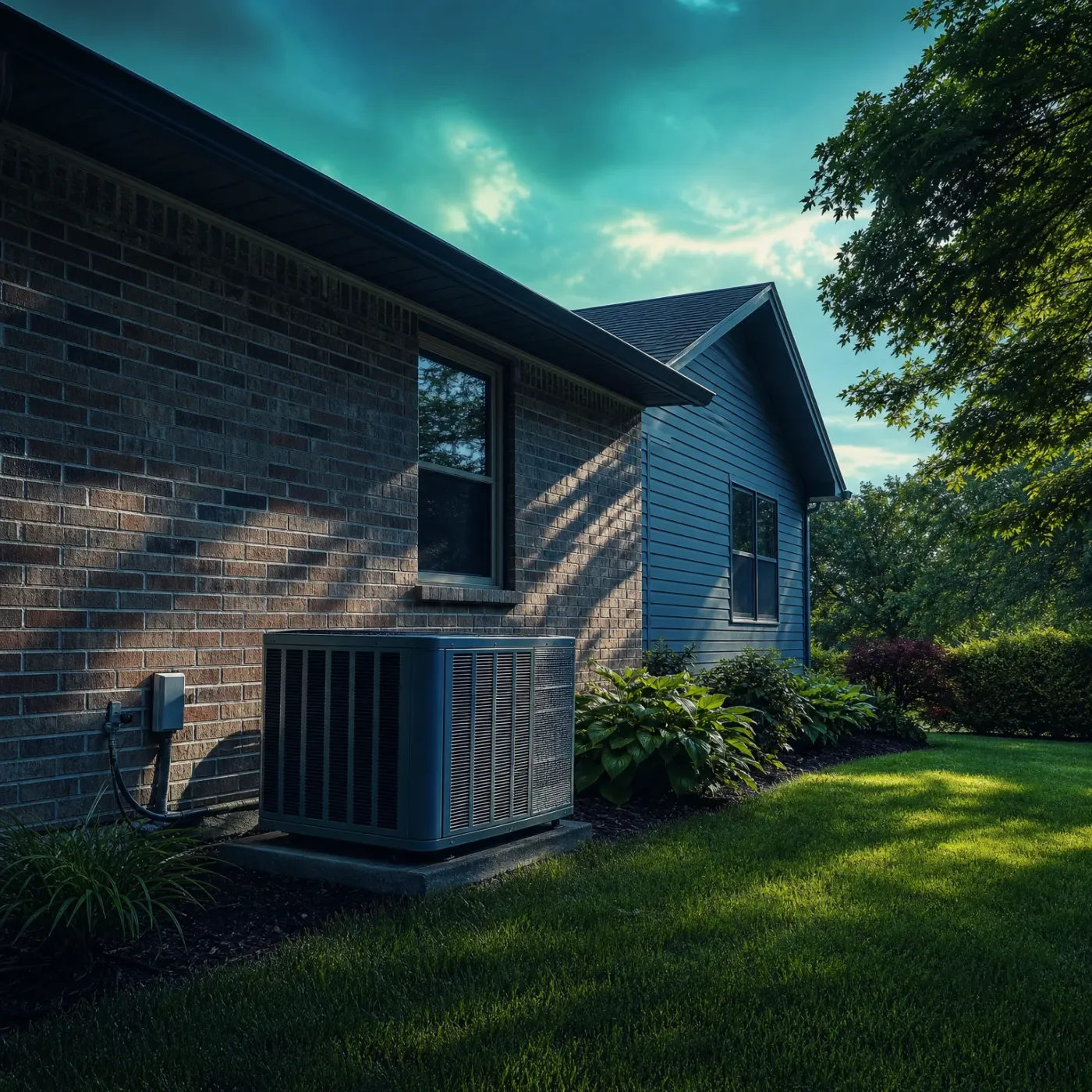
Indiana splits north to south more than it looks on a map. Homes across the southern counties need about 30% more cooling over a year than homes up north, and homes across the northern counties need about 15% more heat than homes down south. A heat pump sized right for one end of the state is not sized right for the other.
Posey County, in the southwest, needs the least heating in the state. Steuben County, at the other end, needs the least cooling, but its heating need runs 47% higher than Posey's. Posey itself needs about two and a half times the cooling that Steuben does. Those two counties mark the far edges of what a heat pump here might have to handle.
Summers lean harder on the system in the south. Vanderburgh County averages 87°F on summer afternoons, against 81°F in Steuben County. A heat pump going into a southern Indiana home is worth a closer look at cooling capacity, not just heating.
Winters test the equipment statewide, not just up north. The overnight low across December, January and February averages 22°F where Indiana's households live. That is the number a contractor should be weighing when sizing backup heat, since the heat pump has to keep up on the coldest nights, wherever the house sits.
Hail is a statewide fact worth knowing regardless of county. Indiana recorded 1,512 hail events between 2015 and 2024. An outdoor heat pump unit sits exposed to that the same way a central air condenser always has.
What does a heat pump in Indiana face?
How hot do summer afternoons get?
83°Faverage afternoon high where people live
Alaska66°F
Arizona101°F
How cold do winter nights get?
22°Faverage overnight low where people live
North Dakota4°F
Hawaii65°F
How many months does the heat run?
8 monthsof heating a year
Hawaii0 months
Alaska12 months
What does electricity cost?
14.77¢per kWh (kilowatt hours, the unit on an electric bill), what homes paid in 2024
North Dakota11.51¢
Hawaii42.86¢
How often do storms hit?
136severe weather events per county from 2015 to 2024
Alaska5
Wyoming1,057
How many homes lost power for a day or more?
17%of homes in 2024
Arizona7%
Maine54%
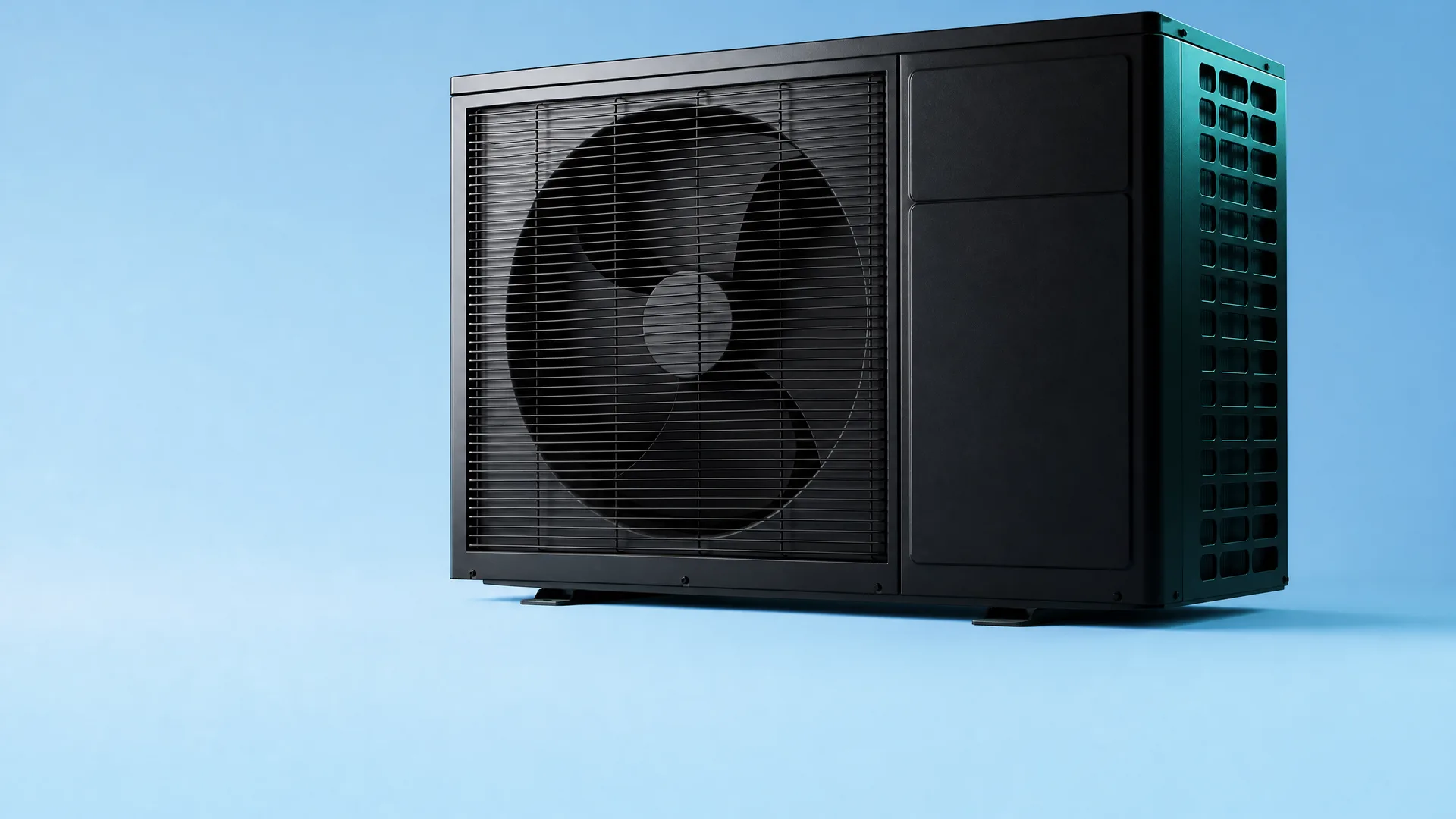
The right size, nothing more
Run the numbers and a standard heat pump still makes sense here. Electricity in Indiana runs 14.77 cents per kilowatt-hour, and homes here pay less for it than homes in most of the country. Homes that use air conditioning put about 6 million Btu (British thermal units, a measure of heat) a year into that job. Nothing in those numbers points toward paying more for a bigger compressor or a higher efficiency tier than the house actually needs. Size it for the coldest night and the hottest afternoon where it sits, and a standard unit carries the rest of the year without trouble.
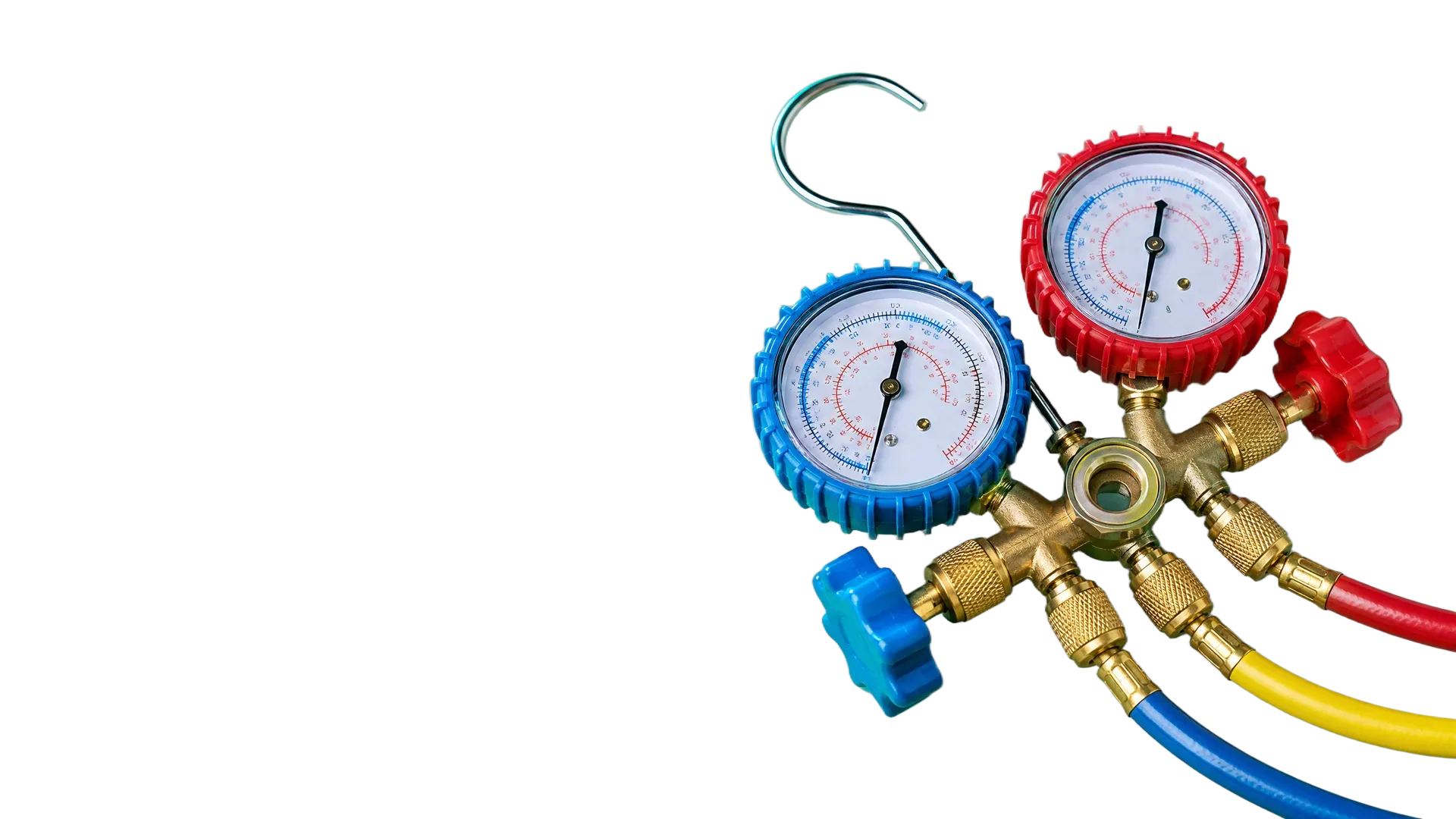
What the label tells you, and what it doesn't
The yellow label on a heat pump carries a rating for heating and a separate one for cooling, and a higher number on either means more heat or cooling out of the same bit of electricity. What it doesn't tell you is whether the unit is sized right for the house. A heat pump with a strong rating but too much capacity will short-cycle, switching off before it finishes a full heating or cooling run, and one sized too small will run long stretches without catching up on the coldest or hottest days. Either way the equipment wears faster and the house is less comfortable than the label suggested. The rating also comes from a lab test, not the house it ends up in. Leaky ductwork, a thermostat left to swing wide, or a unit installed without a proper load calculation all pull real performance below what the label promised. The rating is useful for comparing one unit against another. It is not a stand-in for sizing the unit to the house it's going into.
Fitting new equipment to an old house
An older house changes what a heat pump has to work with. Half the homes in Indiana went up in 1976 or earlier, and a house that age wasn't built with a heat pump in mind. The ductwork was sized for whatever furnace and air conditioner came before it, and a heat pump moves a different volume of air than that older equipment might have been matched to. Sizing the new unit means sizing it to the house as it actually is now, duct run included, not just swapping in equipment that matches the old tonnage. With most of the state's housing stock sitting in single-family houses built to that same older standard, this is less an exception here than the usual job.
Gas heats most Indiana homes, so a heat pump replaces a furnace most houses already have.
Tell us about the job
Takes about a minute. No obligation.
Fill out the form and a contractor licensed in Indiana sizes the heat pump to your house.