
Furnace Repair in Indiana
Across the counties where its people live, Indiana recorded less severe weather from 2015 to 2024 than 41 of the other 49 states.
Tell us about the job
Takes about a minute. No obligation.
- 22°Fwinter overnight low where people live
- 8 monthsof heat, October through May
- $8.99 per million Btuwhat homes paid for natural gas in 2024 (Btu means British thermal units, a measure of heat)
- 833winter storms from 2015 to 2024
Indiana winters run long but not extreme October through May, nights near 22°F
- Northern counties need about 15% more heat than southern ones
- Winter nights average 22°F where people live
- Heat runs October through May
- 833 winter storms from 2015 to 2024
- Climate zones 4A and 5A across the state
- 17% of homes lost power a day or more in 2024

Half of Indiana's homes were built in 1976 or earlier
A furnace installed when one of these older houses was built has already outlived most parts made for it. If yours is original to the house, age alone is worth asking about before you spend money on a repair. A tech can tell you what a repair buys you and whether it makes sense against replacing it.
Most houses in Indiana are single-family, which usually means the furnace is in a basement, attic or closet that belongs to that one home, not shared ductwork or equipment with a neighbor. Whatever is wrong with it is specific to your house and worth having looked at directly rather than guessed at over the phone.
Trouble shows up early in the season
October is when your furnace gets asked to work again after sitting idle since spring. If something was already weak, a cracked igniter or a failing capacitor, this is when it gives out. Furnaces here run all the way to May, so a problem that shows up in October won't fix itself over the winter. It's worth having it looked at before the first hard cold snap, not after.


3 months of cooling, June through August
8 months of heat, October through May
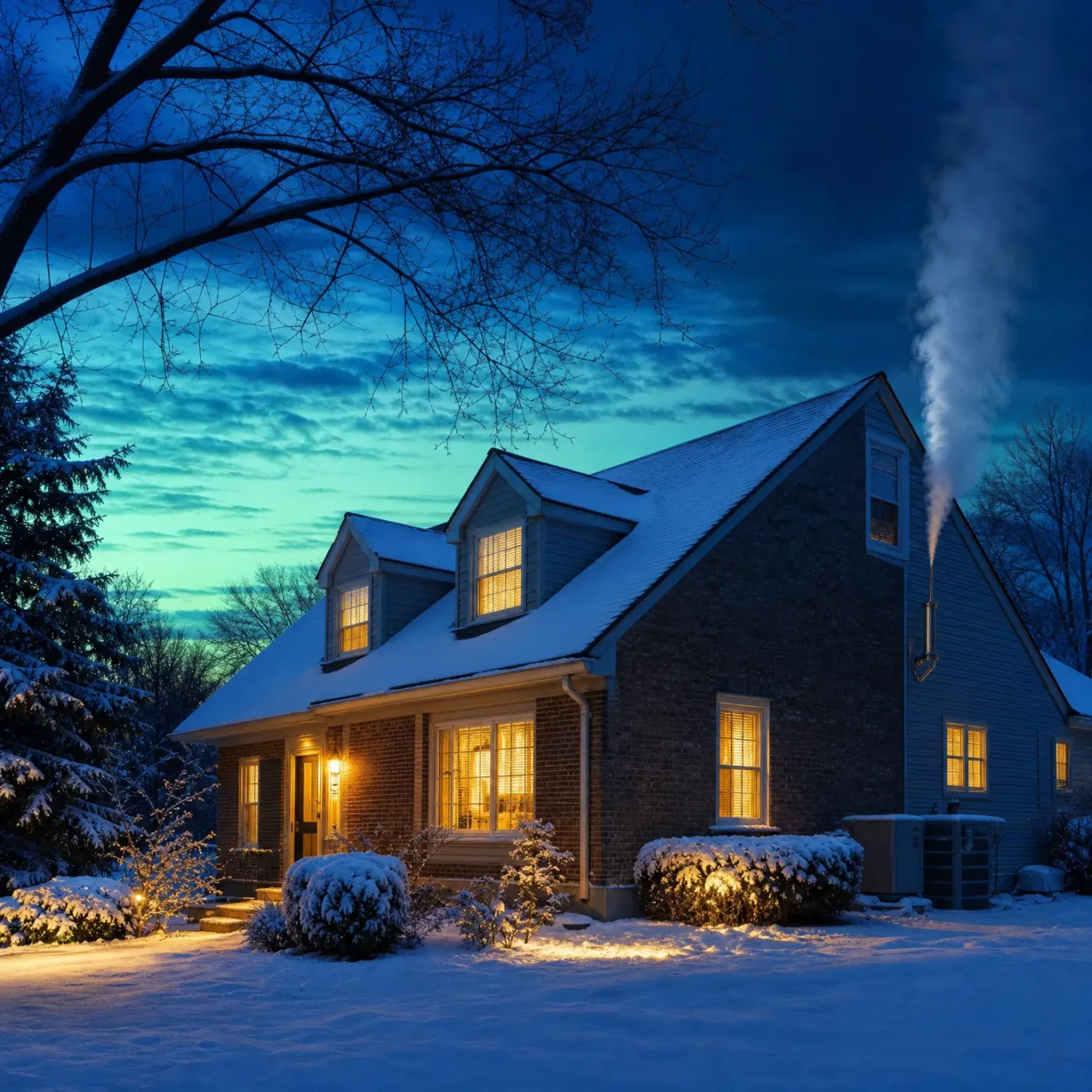
Furnaces work hardest in Indiana's northern counties, which need about 15% more heat over a year than the southern counties. If you're in Steuben County, your furnace is working the most of anywhere in the state, about 47% more heat over a year than in Posey County, where the need is lowest.
Winter nights match that split. Steuben County averages 19°F overnight across December, January and February. Posey County averages 27°F those same months. Across Indiana as a whole, the overnight low averages 22°F. A furnace running against colder nights, night after night, puts more hours on its igniter and blower motor than one in a milder county.
Indiana runs heat about eight months a year, October through May. That's a longer season than 22 other states have, and colder nights than 31 other states see. So a furnace here isn't working under anything unusual for a furnace, it's just working a lot of months, and in the northern counties, working harder each of those nights.
None of this points to a different failure than furnaces have anywhere. It just means where you are in the state changes how many hours and how much strain have already gone onto the parts most likely to wear out first.
What does a furnace in Indiana face?
How cold do winter nights get?
22°Faverage overnight low where people live
North Dakota4°F
Hawaii65°F
How many months does the heat run?
8 monthsof heating a year
Hawaii0 months
Alaska12 months
What does natural gas cost?
$8.99per million Btu, what homes paid in 2024
Montana$7.77
Hawaii$53.25
How often do storms hit?
136severe weather events per county from 2015 to 2024
Alaska5
Wyoming1,057
How many homes lost power for a day or more?
17%of homes in 2024
Arizona7%
Maine54%
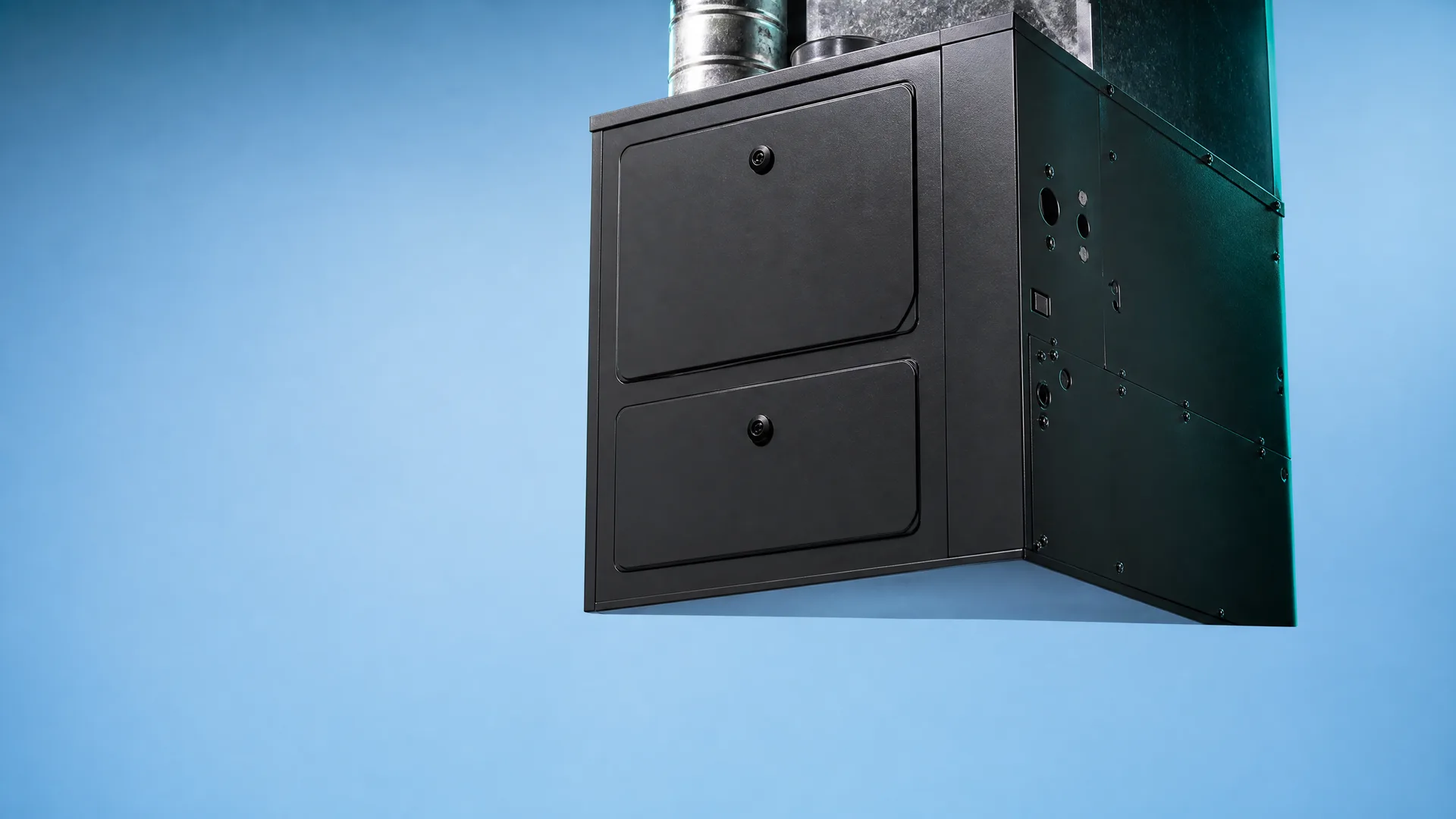
What a tech actually checks
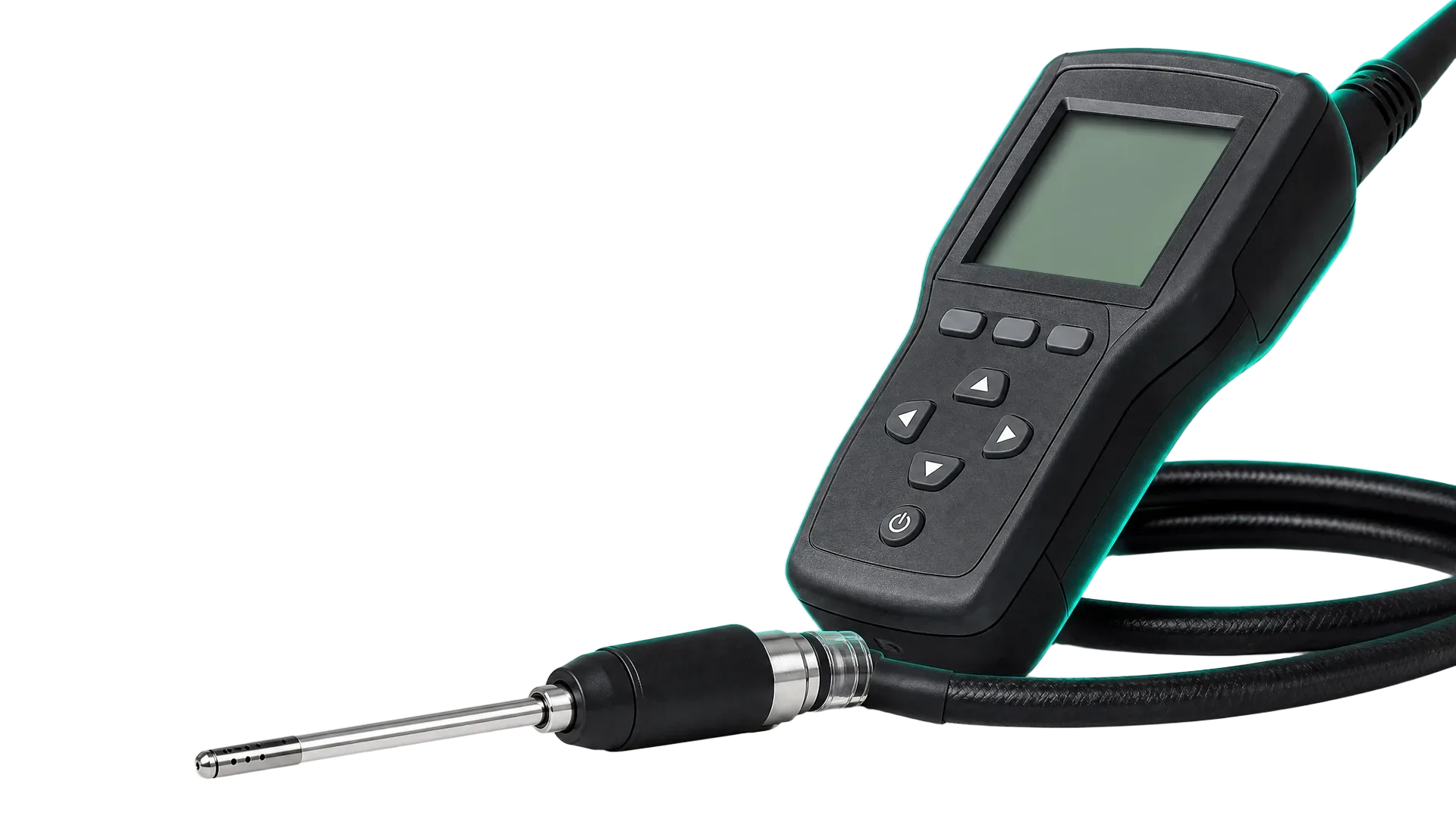
A tech starts by asking what you noticed first. Short cycling, a burner that won't light, a blower that won't shut off, cold air coming through the vents. That answer points to a system, either the gas valve and igniter, the blower assembly, or the thermostat and control board. From there it's testing, not guessing. A multimeter on the igniter to see if it's getting the current it needs. A check of the flame sensor for corrosion, since a dirty one will make the furnace shut off seconds after it lights. The pressure switch and the inducer motor get checked together, because a weak inducer can't pull enough airflow to satisfy the switch, and the furnace won't fire at all. If the furnace runs but doesn't heat well, the filter comes out for a look, and the ductwork gets checked for a closed damper or a return that's blocked. A tech will also pull the furnace's error code if it has a control board with a blinking light, since that code narrows down the problem before anything gets taken apart. By the end of the visit you should know which part failed, why, and whether it's a part worth replacing on a furnace this age.
Repair or replace
A furnace is a collection of parts with different lifespans. The blower motor, the heat exchanger, the control board and the igniter don't wear out on the same schedule, so a repair early in the furnace's life usually means one part failed while the rest are fine. That's a clean repair. Late in its life, the calculation changes, not because the furnace suddenly got old, but because the part that just failed is less likely to be the last one that will. A heat exchanger crack is the one that ends the conversation regardless of age, since that's a safety issue, not a wear issue, and it means replacement. Short of that, the real question is whether the parts still available fit the furnace you have. Control boards and gas valves get redesigned over time, and a tech may be matching a replacement part to a furnace that was built around different specs. A repair is worth doing when it fixes the thing that's actually wrong and the rest of the system is sound. It's worth questioning when the fix is temporary, when the same part has failed before, or when the repair bill starts to rival what the furnace is actually worth.
Running it longer doesn't buy you anything
A furnace that's struggling doesn't fail cleanly. It compensates. A cracked heat exchanger lets exhaust mix with the air moving through your ducts, and running it longer doesn't clear that out, it just keeps pushing the problem through the house. A dirty flame sensor that's barely reading a flame will make the burner shut off and relight over and over, and each cycle puts more wear on the igniter and the gas valve than a normal heat cycle does. A blower motor working against a clogged filter draws harder to move the same air, and that extra draw is what burns a motor out early instead of at the end of its normal life. None of these get better by letting the furnace keep running through them. The part under strain stays under strain, and whatever it's stressing next, the inducer motor, the control board, the heat exchanger itself, takes the wear that the first part should have been spared.
A furnace that's struggling in October won't fix itself before May.
Tell us about the job
Takes about a minute. No obligation.
Answer a few questions about your furnace and a licensed Indiana contractor takes it from there.