

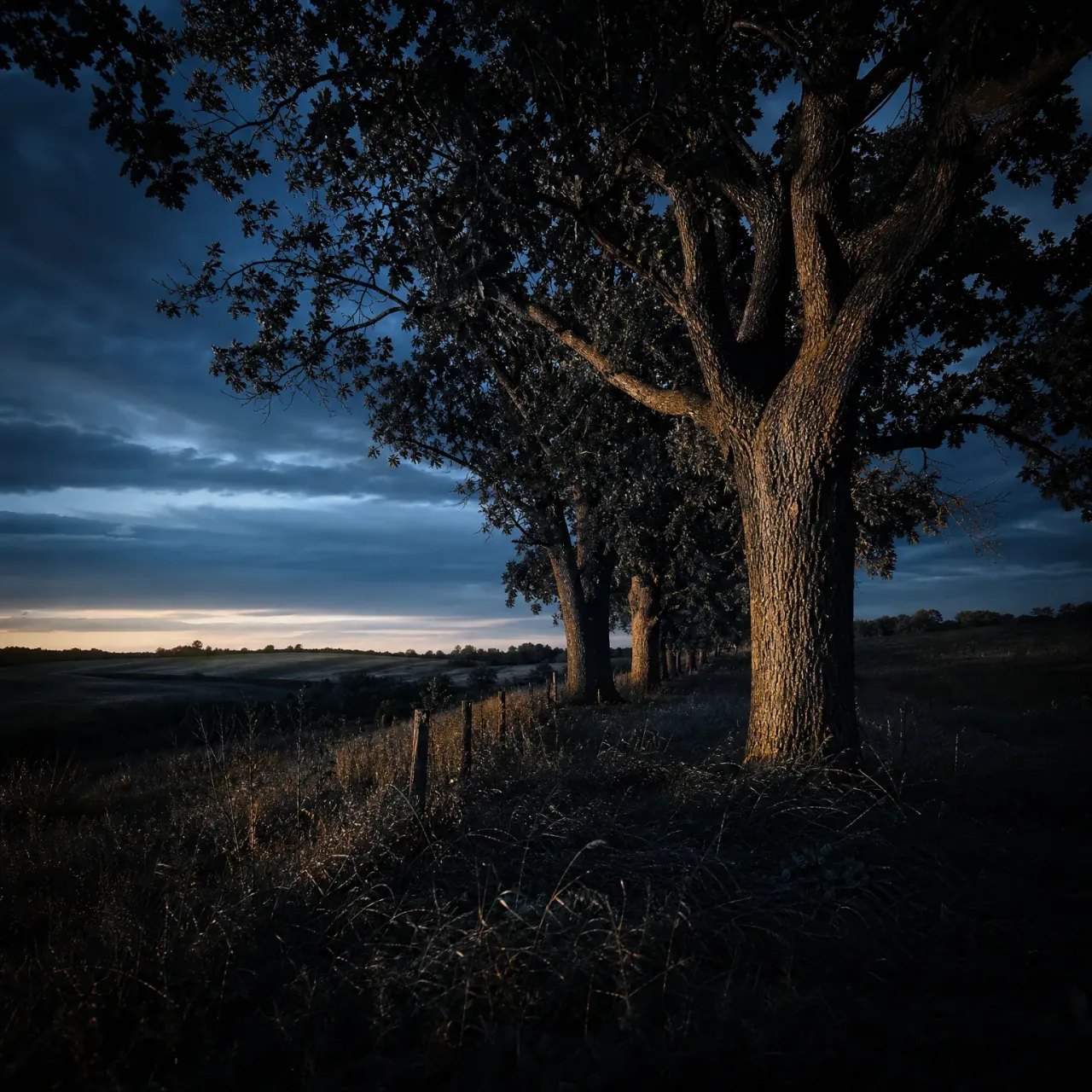



An unfinished basement containing a forced-air furnace with metal ductwork, exposed wooden ceiling joists, a hanging Edison bulb, and bare concrete floors.

Furnace Repair in Greencastle, IN

Tell us about the job

Takes about a minute. No obligation.

RepairFurnace or heatingPutnam County, IN
Step 1 of 2

What ZIP code is the job in?

Furnaces in Putnam County start working in October and keep going through May. That first cold snap is when a weak part finally gets tested. A hesitant igniter or a dying flame sensor might limp along in mild weather, then fail outright the first morning it really has to work. If your furnace just started acting up, that's usually what's going on, not something new breaking down but something old finally getting caught out. September, before the heat comes on, is the easiest time to find a weak part before it quits on you.

8 months
October through May, your furnace is on duty
22°F
the average winter night it heats against
10 winter storms
in ten years, the nights a failure hurts most
Isometric grayscale illustration of a cutaway single-story house showing interior rooms with furniture, a furnace unit connected to ductwork and a tall vertical flue pipe extending above the roof.
Your furnace works hardest from November through March.

NOAA nClimDiv, 1991–2020 normals

A furnace that short cycles is usually telling you the flame sensor is coated or the filter is choked.

Either one makes the burner shut off early, and neither one gets better on its own.

Half the homes in Putnam County are newer, and so are their furnaces

Half the homes here were built by 1981
Heat runs October through May
Winter nights average 22°F

Indiana homes paid $43.28 per million Btu in 2024, and a furnace that short cycles or runs longer than it should is burning through more of that every week it's not fixed. A clogged filter makes the blower push harder for the same heat. A failing igniter means more cycles trying to get the burner lit. Neither shows up as a dramatic bill all at once. It shows up as a little more every month until someone looks at it.

Get the usual fix

Nothing about this area is especially hard on it. It's most likely the usual problem with the usual fix.

Find a contractor
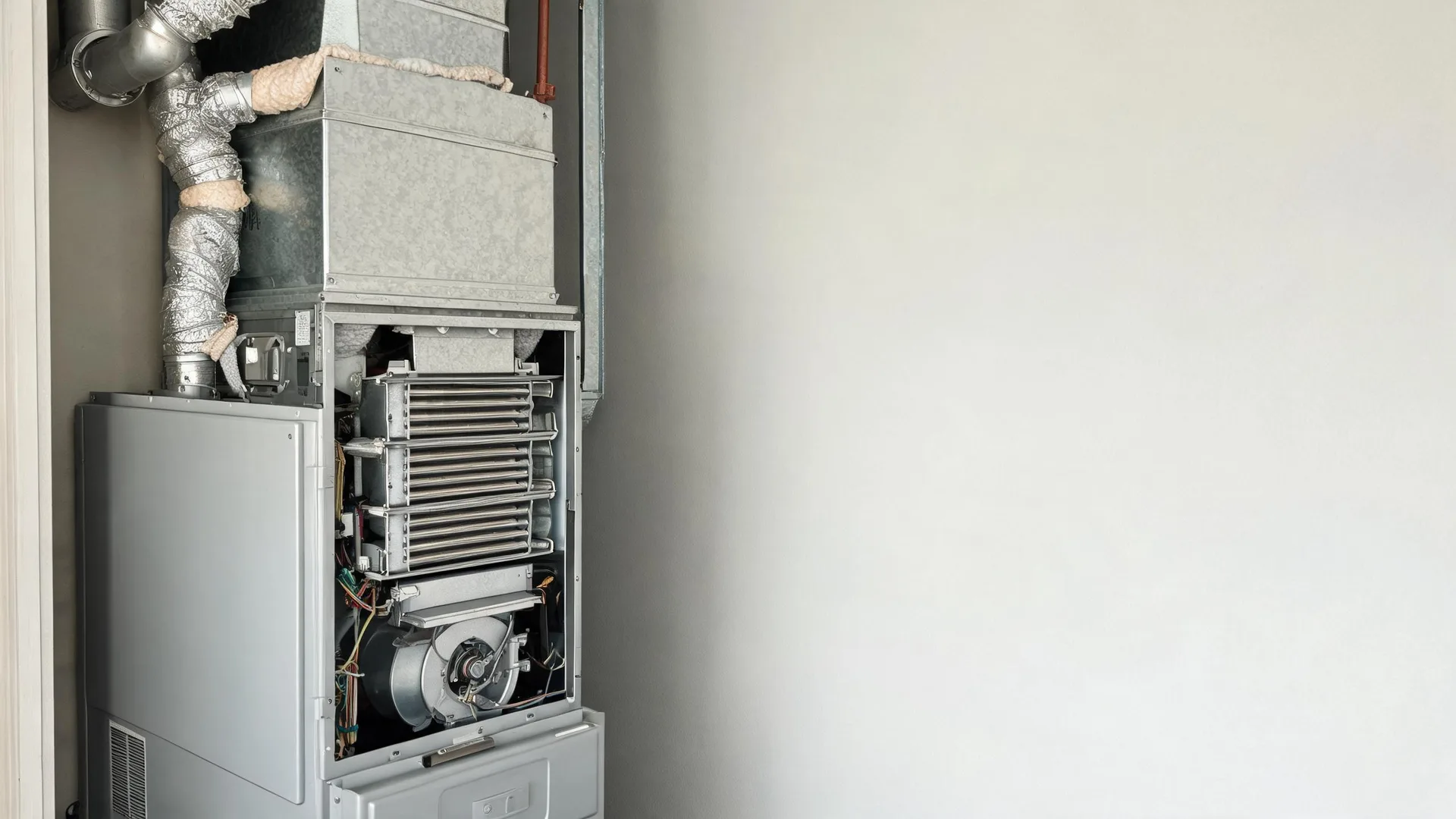
A gray high-efficiency gas furnace installed in an unfinished basement, surrounded by gas lines, a condensate drain, and sheet-metal ductwork.

The furnace doesn't announce itself. It hums along until it doesn't

A furnace left alone for months runs the same way all season, good or bad. Nobody stands in the basement listening to it. That's why most people notice trouble by what they hear or smell rather than what they see. A low rumble where there used to be quiet. A metallic ticking as the blower spins up. A burning dust smell the first few times it fires, which is normal, versus a smell that lingers and gets sharper, which isn't. Rooms that used to heat evenly now have one that lags behind the rest. The thermostat says it's running but the vents are barely warm. Any of these on their own might be nothing. Together, or repeated, they're the furnace telling you something before it quits telling you anything at all.

A cracked heat exchanger gets worse under heat

Metal expands every time the burner fires and contracts every time it shuts off. A hairline crack opens a little more with each cycle. Keep running it and the crack grows until it's leaking exhaust into the air the blower is pushing through your house.
A dirty flame sensor turns into a dead one

A thin coat of residue on the sensor just makes it slow to detect the flame, so the burner shuts off early and tries again. Run it like that long enough and the coating builds up until the sensor can't detect the flame at all, and the furnace stops lighting.

There are a few things worth checking before you pick up the phone. Start with the filter. Pull it out and hold it up to a light. If you can't see through it, that's likely choking the airflow and making the furnace work harder than it should. Next, look at the thermostat. Make sure it's set to heat and not just fan, and that the batteries aren't dying if it takes them. Walk around the furnace itself and check that the switch on the side, the one that looks like a light switch, is flipped on. It's easy to bump off during other work nearby. Check your breaker panel too, since a furnace that won't start at all sometimes just lost power. None of this fixes a cracked heat exchanger or a bad igniter. But it rules out the simple stuff before you pay someone to find out your filter was the whole problem.

A diagnostic visit starts before any panel comes off, just listening to the furnace run and asking what it's doing and when. Then the cabinet comes open and the tech checks the flame itself, since the color and shape tell you things a reading on a gauge won't. A clean blue flame means it's burning right. Yellow or flickering points to a combustion problem that needs chasing down before anything else gets touched. From there it's testing parts in sequence, the igniter, the flame sensor, the pressure switch, the limit switch, each one ruling itself in or out. A multimeter checks whether a part is getting power and passing it on, which is the only way to tell a dead component from a loose wire. The last step is watching it run a full cycle, because some problems only show up after the furnace has been running a while, not in the first moments after it fires.