Running the way it should
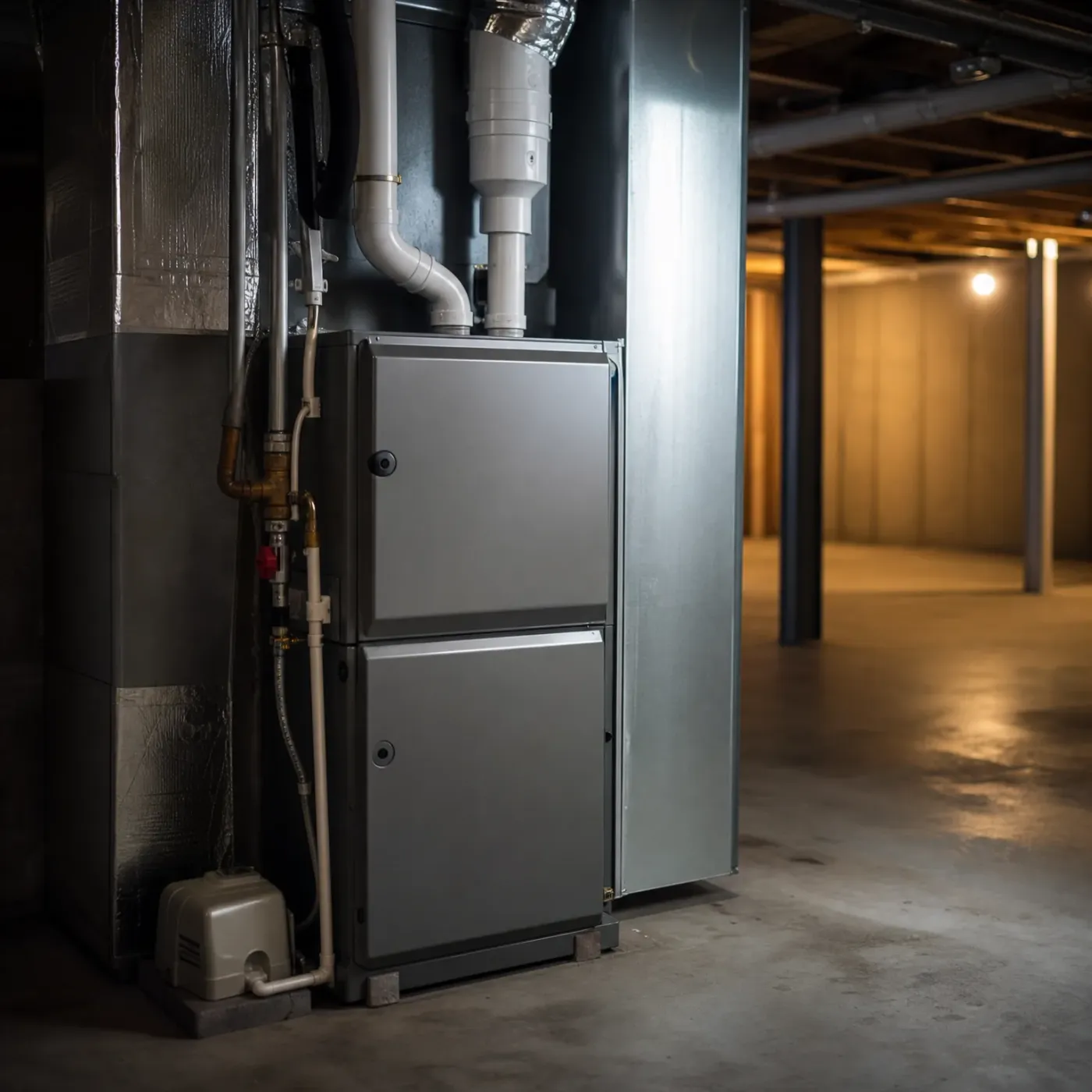
PVC pipe carries the exhaust out and sheet-metal ductwork carries heat through the rest of the house. The gas line feeds a steady flame, and the furnace holds its cycle without straining to keep up on a cold night.
Get your furnace to the right pro
Your gas furnace is getting older and you're trying to figure out if it's worth fixing again or time to replace it. That depends on its age, what's wrong with it, and what a repair bill looks like next to a new system. Answer those first, then get matched with an Indiana contractor who can look at your furnace and lay out what makes sense.
Find a pro near meA furnace past 15 years that needs a repair costing a third or more of a new system's price is usually worth replacing instead. Gas furnaces in Indiana run hard from October through March, and that kind of steady use wears down the heat exchanger and the igniter years before a homeowner expects it. A cracked heat exchanger is the one repair that isn't worth making at any age, since it means the furnace can leak carbon monoxide into the house. Short of that, the math comes down to how many winters you expect to get out of the unit versus what you'd pay to keep patching it. A furnace that's needed two or three repairs in as many years is telling you something a single fix won't change. If yours is still under 10 years old and this is its first real problem, repair is almost always the right call.


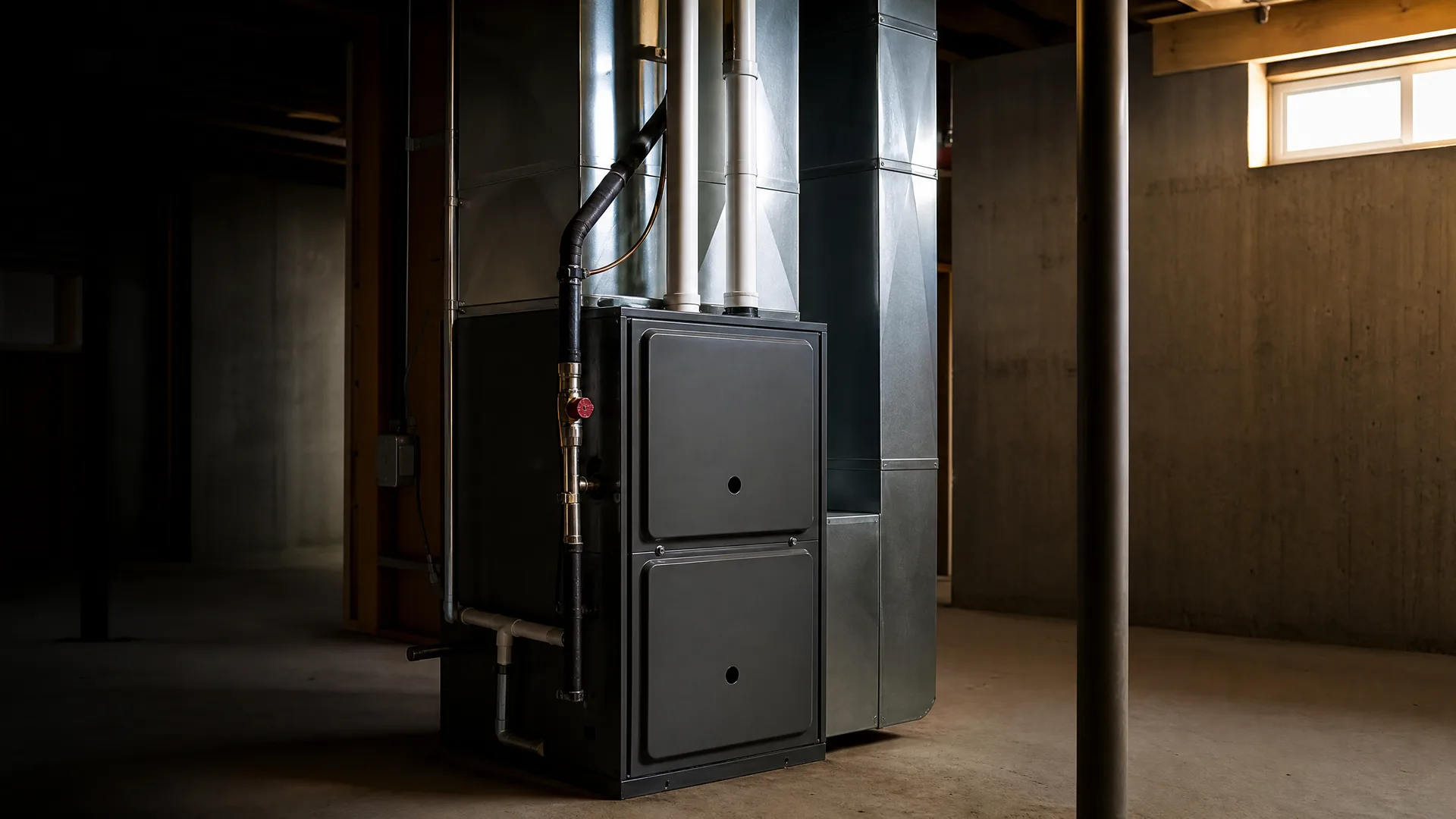
A furnace fires in a set order. The igniter glows, the gas valve opens, and the flame sensor has to confirm a flame before the blower turns on and pushes air through your ducts. A pressure switch checks that the inducer motor is clearing exhaust first, so the gas valve only opens once that's confirmed safe. If the flame looks yellow instead of blue, that's usually incomplete combustion, from a dirty burner or a venting issue, and it's worth having someone check it. A furnace that fires up and shuts off again within a few minutes, often called short cycling, usually means a clogged filter choking airflow or a cracked heat exchanger. That crack matters more than most problems, because it lets exhaust mix with the air blowing into your house, and most contractors will condemn the furnace on sight rather than patch it. High-efficiency furnaces pull extra heat out of the exhaust before it leaves the house, which runs the exhaust cool enough to vent through PVC pipe instead of metal flue. That's one reason newer units look different where they vent outside.




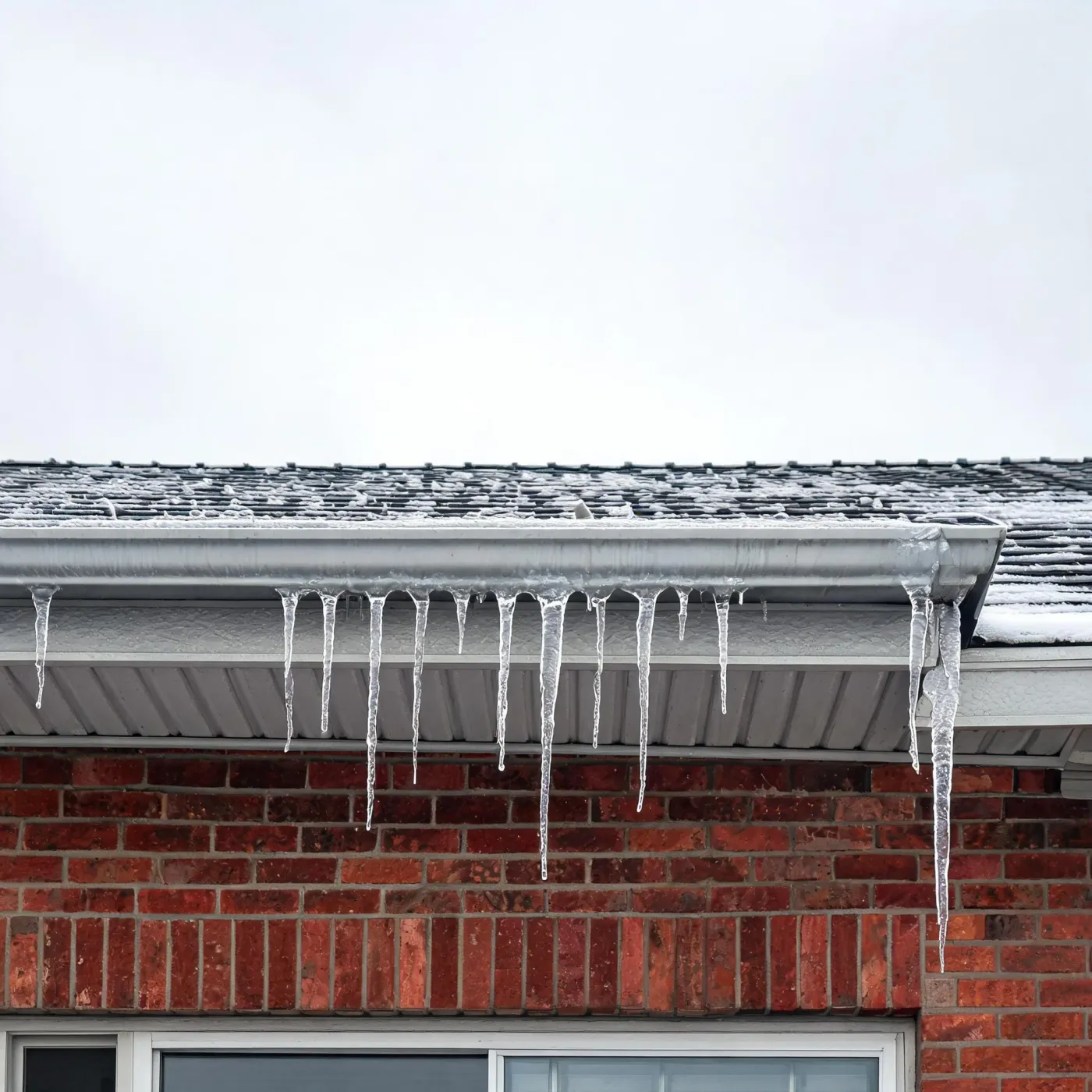
Winter nights average 22°F statewide, according to NOAA climate data, and that cold is what drives an aging furnace the hardest. At that temperature your furnace runs long cycles instead of short ones, trying to keep up, and a weak heat exchanger or a tired blower motor shows its limits fast. You might notice rooms that used to warm up quickly now take longer, or the furnace running well past midnight without shutting off. That's the strain cold nights put on a system that's already working harder than it used to.
NOAA nClimDiv 1991-2020 county normals weighted by homes
Listen to it the next time it kicks on. A furnace that's struggling runs longer than it used to, or it cycles on and off more than it should on a cold night. You might notice a burnt or metallic smell when it first fires, or a yellow flame instead of blue at the burners. Some rooms stay cold while others get warm air, which means it's working harder to push heat through the house. A furnace that short cycles or won't hold a steady flame is burning more gas to do the same job. If it's also tripping the carbon monoxide detector or you smell something off near the exhaust vent, that's not a wait and see situation for the people living there.
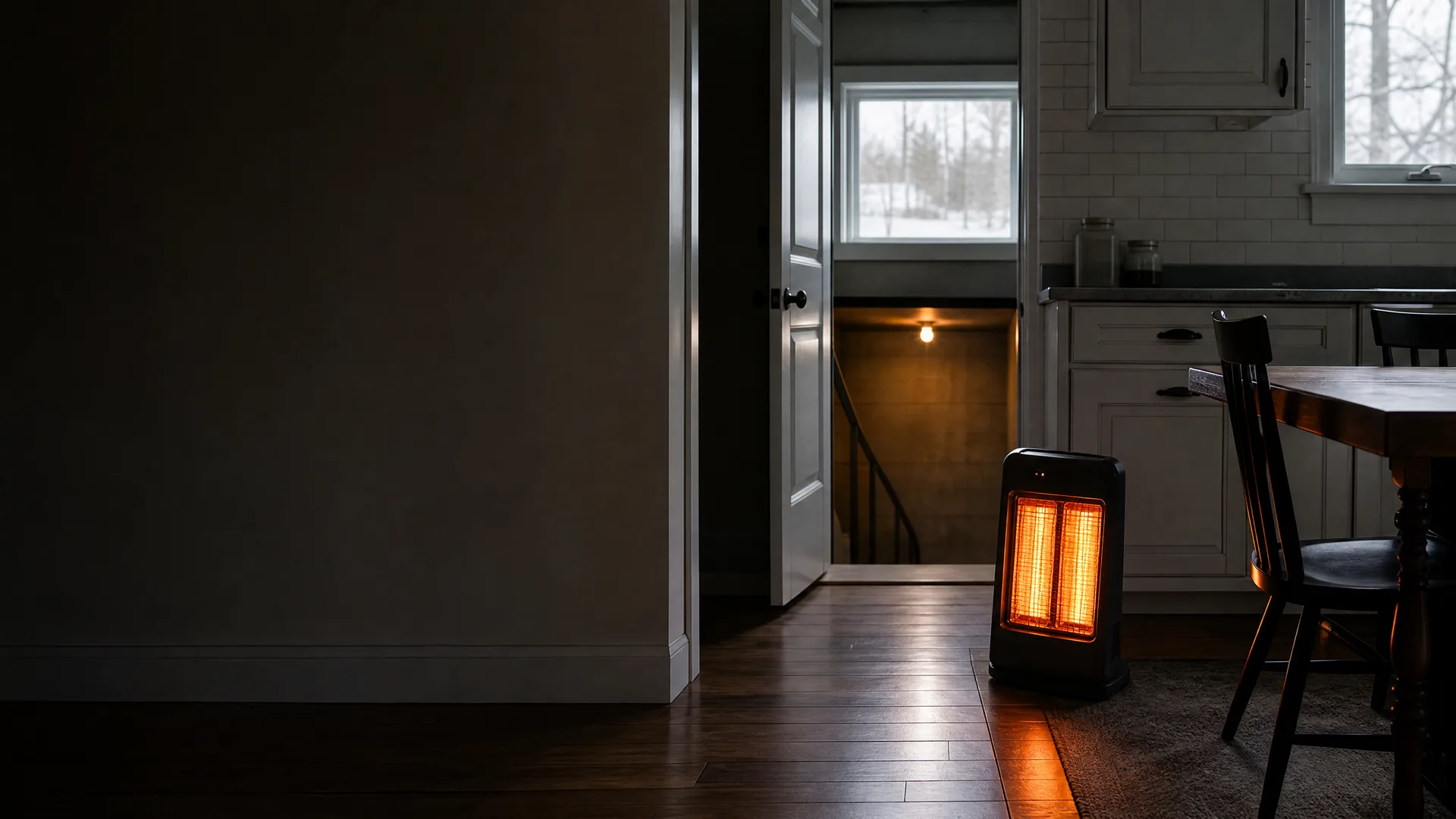
The space heater by the table is the only thing in the kitchen making noise. It's early, still dark outside the window over the sink, and the furnace hasn't run in a while. You left the basement door open so you'd hear it kick on. It hasn't. Your coffee's gone lukewarm faster than it should, and you've got a coat on over your pajamas. The dog won't come off the heating vent, like she knows something you don't yet. Somewhere down those basement stairs is a furnace that's probably older than your kid, and this morning, for the first time, you're wondering if it's done.
A furnace that's already struggling through one Indiana winter isn't going to get easier to live with. Once a heat exchanger is cracked or an igniter is failing a few times a week, it's not coming back to normal; it's just a matter of how many more cold nights you spend watching it. Deciding to replace instead of patching it again is the easy part once you know the numbers. Finding a contractor who can look at your actual furnace, your ductwork, and what it would take to install a new system in your house is the part that takes time you may not have on a January morning with no heat. Sending this off hands that search to someone else. You go back to deciding what you can live with, not spending your evenings calling around while the house gets colder.
Thermostat calls for heat and sends power to the control board.
Inducer motor starts and pulls air through to vent exhaust safely.
Igniter heats up, then the gas valve opens to feed the burners.
Flame sensor confirms a flame, or the board shuts the gas valve.

PVC pipe carries the exhaust out and sheet-metal ductwork carries heat through the rest of the house. The gas line feeds a steady flame, and the furnace holds its cycle without straining to keep up on a cold night.

Black iron gas pipe and a galvanized flue are signs of an older build. That flue has to push exhaust out on its own, and a furnace working this hard through an Indiana winter is the one more likely to need a repair call.


At 22 below freezing, your furnace can't just coast through a cycle and shut off. It has to keep pushing heat for most of the night to hold the house steady, and that long runtime is exactly what wears out an aging heat exchanger or igniter faster.
NOAA nClimDiv 1991-2020 county normals weighted by homes
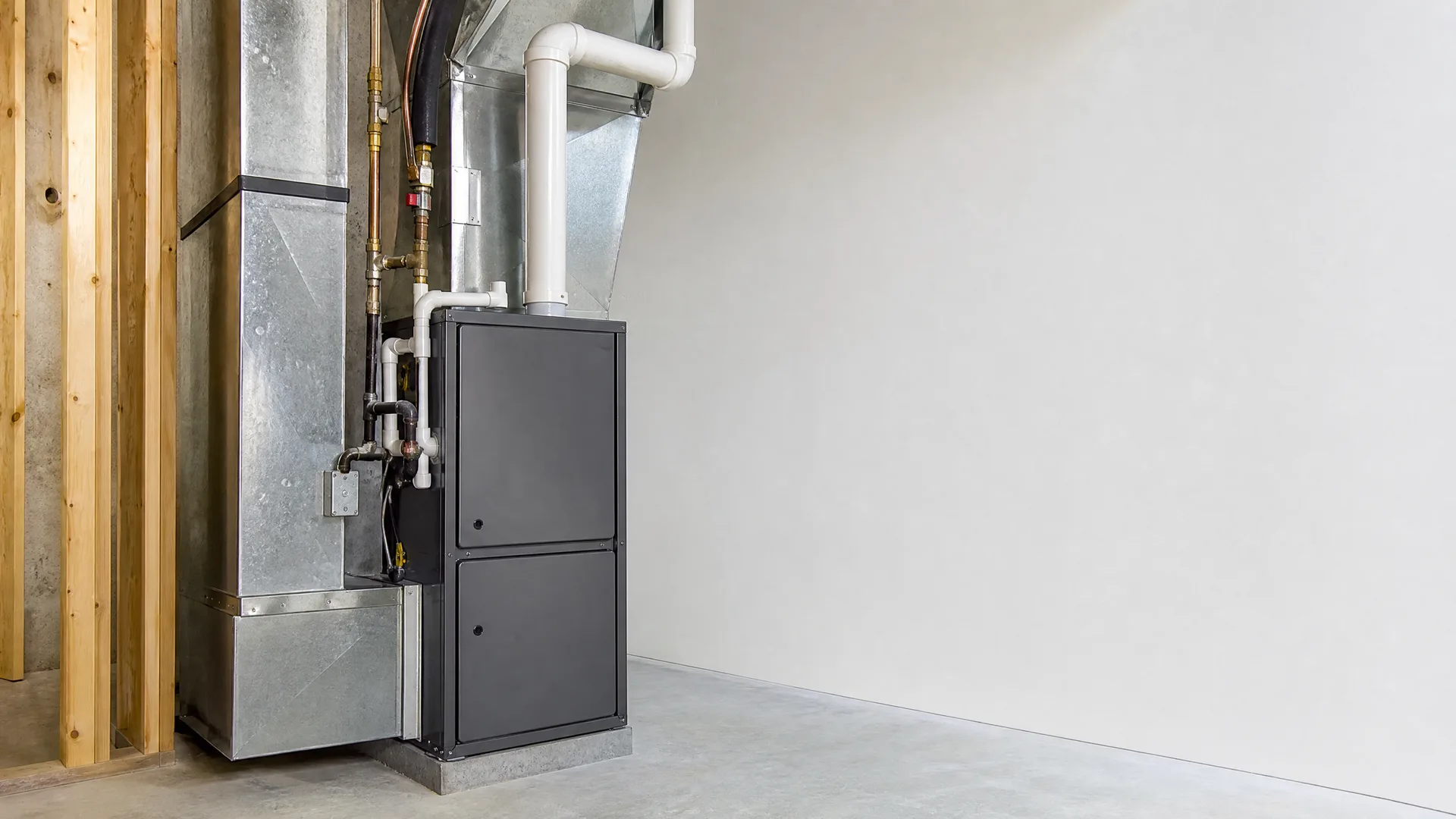
A repair bill isn't a reason to panic if the furnace is still within its years and the rest of it is sound. A new blower motor or a draft inducer can run another several winters without trouble once it's in. If the heat exchanger hasn't cracked and the furnace has had reasonable care, one repair now doesn't mean another one next month.
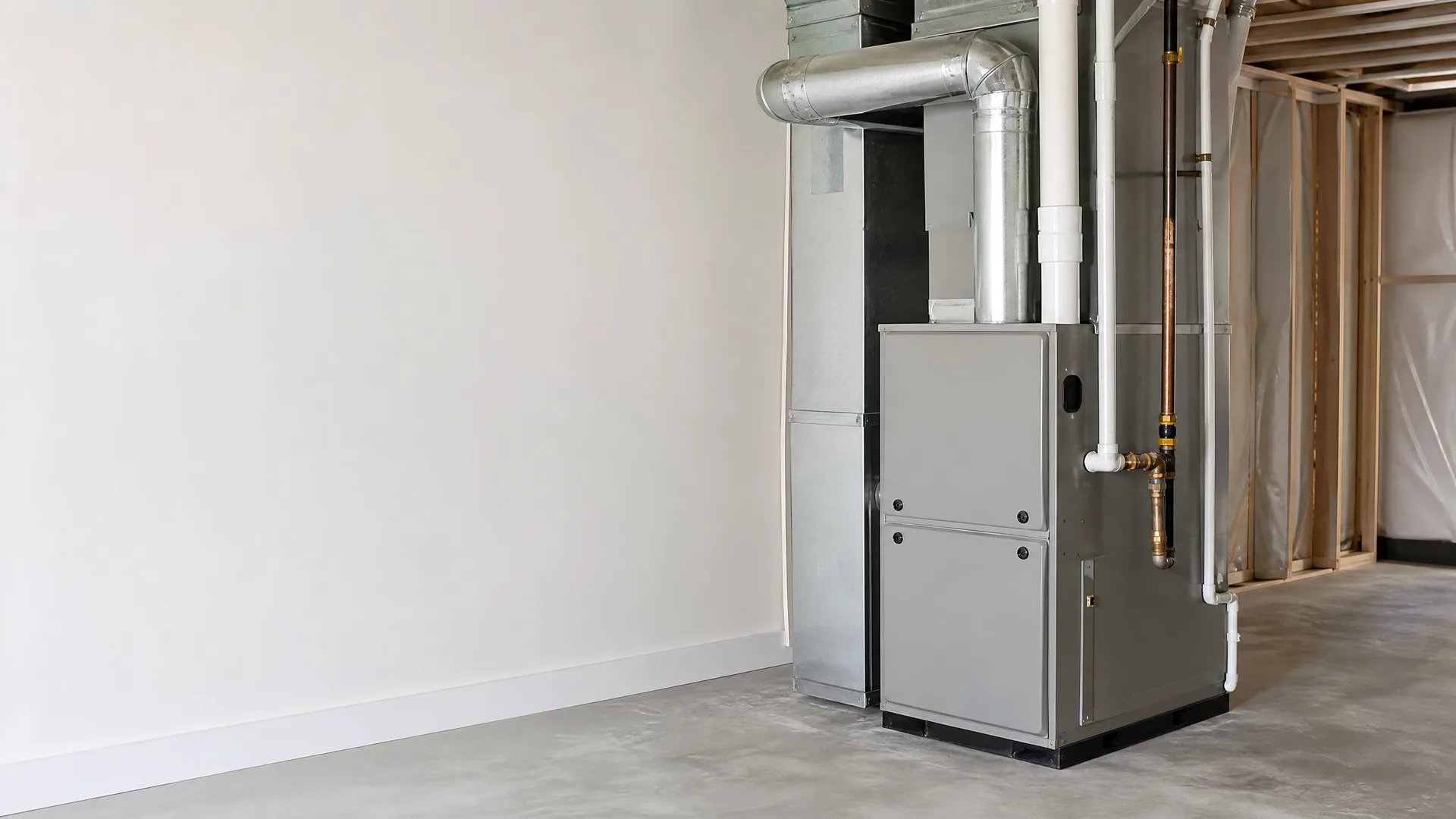
Some furnaces reach a point where every repair is just a stay of the next one. A heat exchanger with rust coming through, an inducer motor that's been rebuilt once already, a gas valve that's starting to stick. None of that gets better. Replacing it means you stop paying to keep an old furnace barely running through an Indiana winter and start with one that isn't already worn down.

An Indiana winter doesn't leave much room for guessing. If your furnace is under 15 years old and the problem is one part, a repair makes sense and should hold. If it's older and the bill is creeping up near what a new system costs, replacing it is the choice that holds up through the next cold night and the ones after.
Either way, the next step is the same: get matched with a contractor who looks at your furnace, not a general one. They'll tell you straight whether that heat exchanger or igniter is worth saving, and what it costs to fix or replace it. Send the form and that part of the work is off your plate.

Matched to your furnace job