Furnace Maintenance in Indiana
Across the counties where its people live, Indiana recorded less severe weather from 2015 to 2024 than 41 of the other 49 states.
Tell us about the job
Takes about a minute. No obligation.
- 22°Fwinter overnight low where people live
- 8 monthsof heat, October through May
- $8.99 per million Btuwhat homes paid for natural gas in 2024 (Btu means British thermal units, a measure of heat)
- 833winter storms from 2015 to 2024
Indiana asks a lot of a furnace. Get it checked before October.
- Northern counties need about 15% more heat than southern ones
- Winter nights average 22°F where people live
- Heat runs October through May
- 833 winter storms from 2015 to 2024
- Climate zones 4A and 5A across the state
- 17% of homes lost power a day or more in 2024


- Burners get cleaned so the flame burns even instead of straggling and underheating
- A dirty flame sensor is the usual reason a furnace quits mid-cycle, and clearing it fixes that
- Cracks in the heat exchanger let exhaust mix with the air going through your ducts, so that gets checked
- Swapping the filter lets the furnace move air without straining to push it through
- Older blowers get checked for a worn belt or bearing, since that's what makes them squeal
Half the homes in Indiana went up in 1976 or earlier. A furnace in one of those houses has had a lot of years to pick up wear nobody's seen yet, a cracked exchanger, a sensor going bad, a blower bearing on its way out. A yearly check is how that gets caught before it leaves you without heat.
Most of the housing stock here is detached, single-family houses, not apartments or shared buildings. That means most furnaces in Indiana are running their own ducts and venting for one household, not sharing a system with the unit next door. Whatever shape yours is in, it's in it alone.
October to May is a long stretch to run on a bad sensor
Furnace season here runs eight months, October through May. That's longer than most states see. October is when it has to work right away, so September is the time to get it looked at. Wait until the first cold snap and you're calling after something's already failed, not before.


3 months of cooling, June through August
8 months of heat, October through May
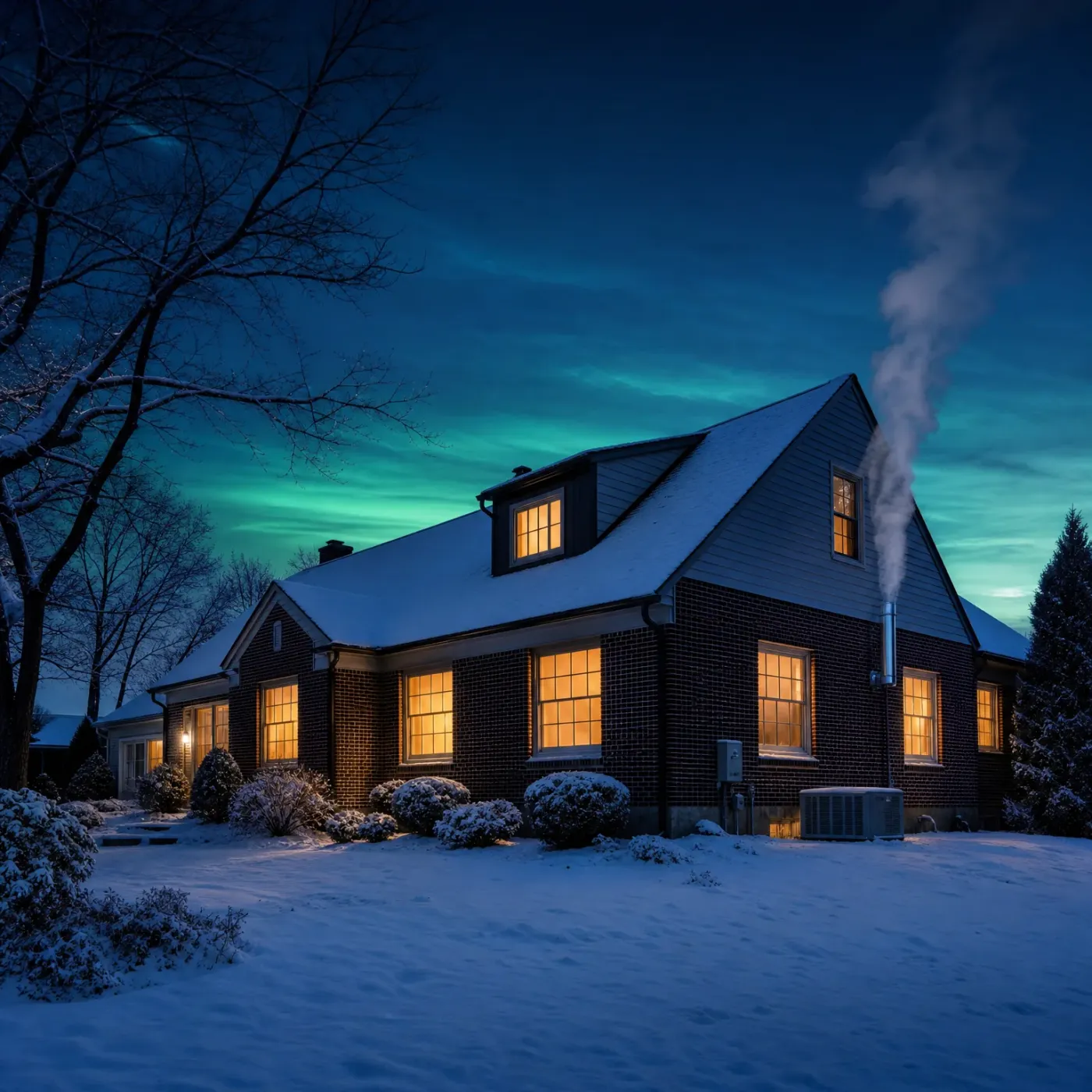
Indiana homes run furnaces longer than in 22 of the other 49 states, about eight months, October through May. How hard that furnace works over those months depends on where in the state you are.
Steuben County, in the north, needs about 47% more heat over a year than Posey County, at the state's southern tip, where the heating need is lowest in Indiana. Overnight in winter, Steuben County averages 19°F. Posey County stays milder at 27°F.
Across the state, northern counties need about 15% more heat over a year than southern counties. That gap holds all winter, not just on the coldest nights.
If you're in the northern half, your furnace is carrying a heavier load across the winter, and it's worth getting ahead of October. If you're further south, the load is lighter, but the same check before October still catches a worn part before the furnace has to run.
What does a furnace in Indiana face?
How cold do winter nights get?
22°Faverage overnight low where people live
North Dakota4°F
Hawaii65°F
How many months does the heat run?
8 monthsof heating a year
Hawaii0 months
Alaska12 months
What does natural gas cost?
$8.99per million Btu, what homes paid in 2024
Montana$7.77
Hawaii$53.25
How often do storms hit?
136severe weather events per county from 2015 to 2024
Alaska5
Wyoming1,057
How many homes lost power for a day or more?
17%of homes in 2024
Arizona7%
Maine54%
What you can check yourself
Between visits, the filter is the one thing worth checking yourself. A dirty filter chokes airflow, and a furnace that can't pull enough air across the heat exchanger runs hotter than it should and shuts off early or trips a limit switch. Look at it monthly and swap it when it's gray instead of white. Keep the area around the furnace clear too, nothing stacked against it or blocking the return grille, since it needs open air on both sides to breathe. If you have a standing pilot, you can check that the flame burns steady and blue, not yellow or flickering. A yellow flame can mean incomplete combustion, and that's not something to leave alone. Listen for new noises, a rattle, a squeal, a bang when it kicks on. Those are worth a call even outside of a regular visit. What you shouldn't do is open the cabinet and start poking at the burners or the blower. That's work for someone who knows what a cracked exchanger or a bad flame sensor looks like up close.
What to watch for before it fails
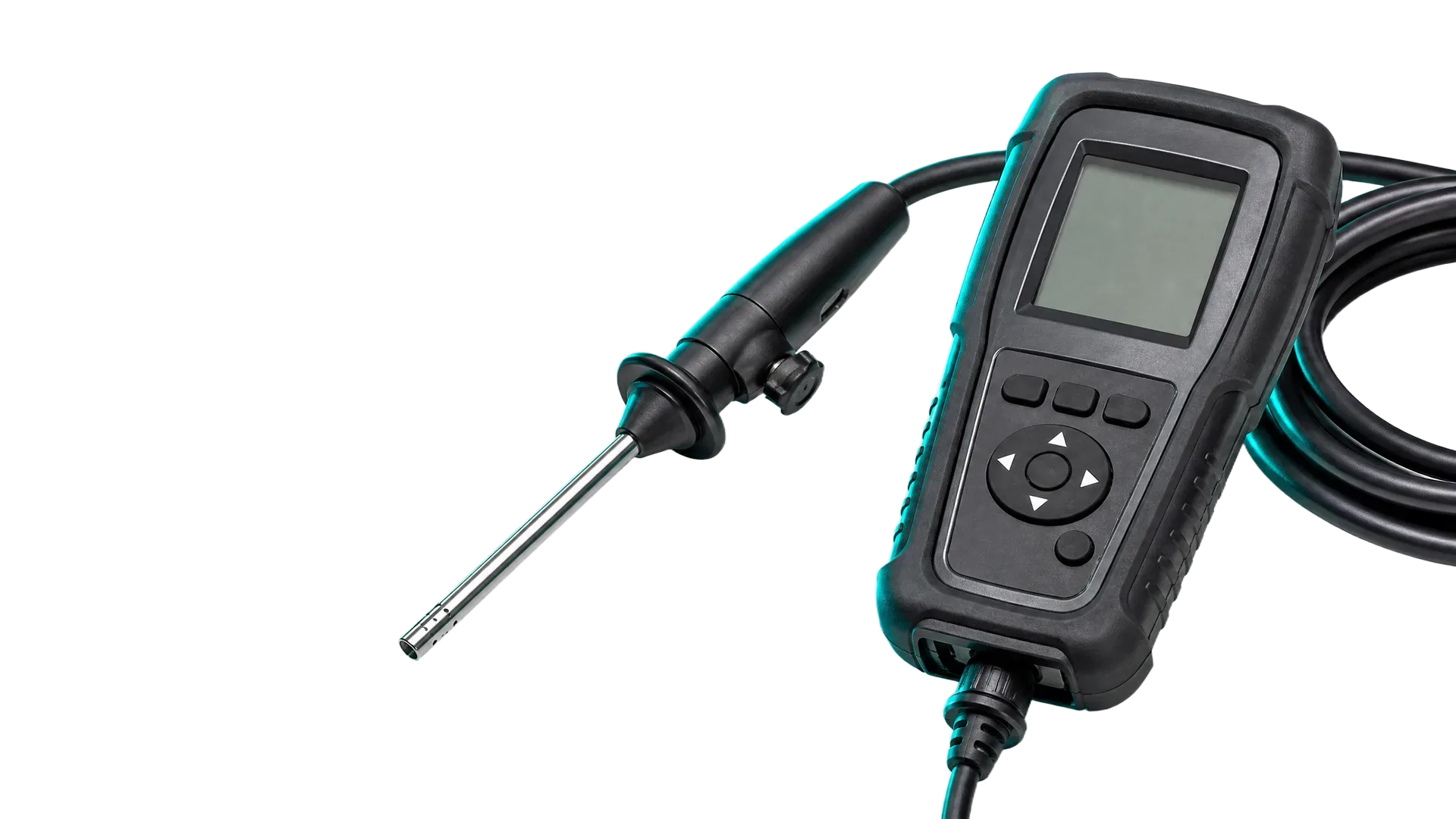
A furnace usually warns before it quits outright. Short cycling is one sign, where it fires up, runs a few minutes, and shuts off before the house warms. That's often airflow or a sensor telling it to stop. A furnace that runs longer and longer to hit the same temperature is losing ground somewhere, maybe a dirty burner, maybe a blower not moving air like it used to. Watch the flame. It should burn blue and steady. Yellow or flickering means it's not burning clean, which points to a burner that needs cleaning or a draft problem. A smell of gas, even faint, is never something to wait on. Dust burning off the burners at the start of the season gives off a smell that fades after a few minutes, and that's normal. If it doesn't fade, or it comes back, that's different. Not every problem gives a warning. A hairline crack starting in the heat exchanger doesn't make noise or smell like anything until it's already a problem. That's what a yearly check is for, catching what the furnace isn't telling you on its own.
Most furnaces here run on gas
Gas heats 58.6% of homes in Indiana, more than any other fuel, with electricity and propane making up most of the rest. A gas furnace puts a flame and a heat exchanger between you and the air you breathe, so the check is different from a filter swap. The burner needs to burn clean, the exchanger needs to be free of cracks, and the vent needs to carry exhaust out of the house instead of back into it. Those are the parts a yearly check is really for.
A gas furnace needs its burner and vent checked before the cold sets in, not just a filter.
Tell us about the job
Takes about a minute. No obligation.
Fill out the form and a licensed Indiana contractor gets in touch to schedule your furnace check.