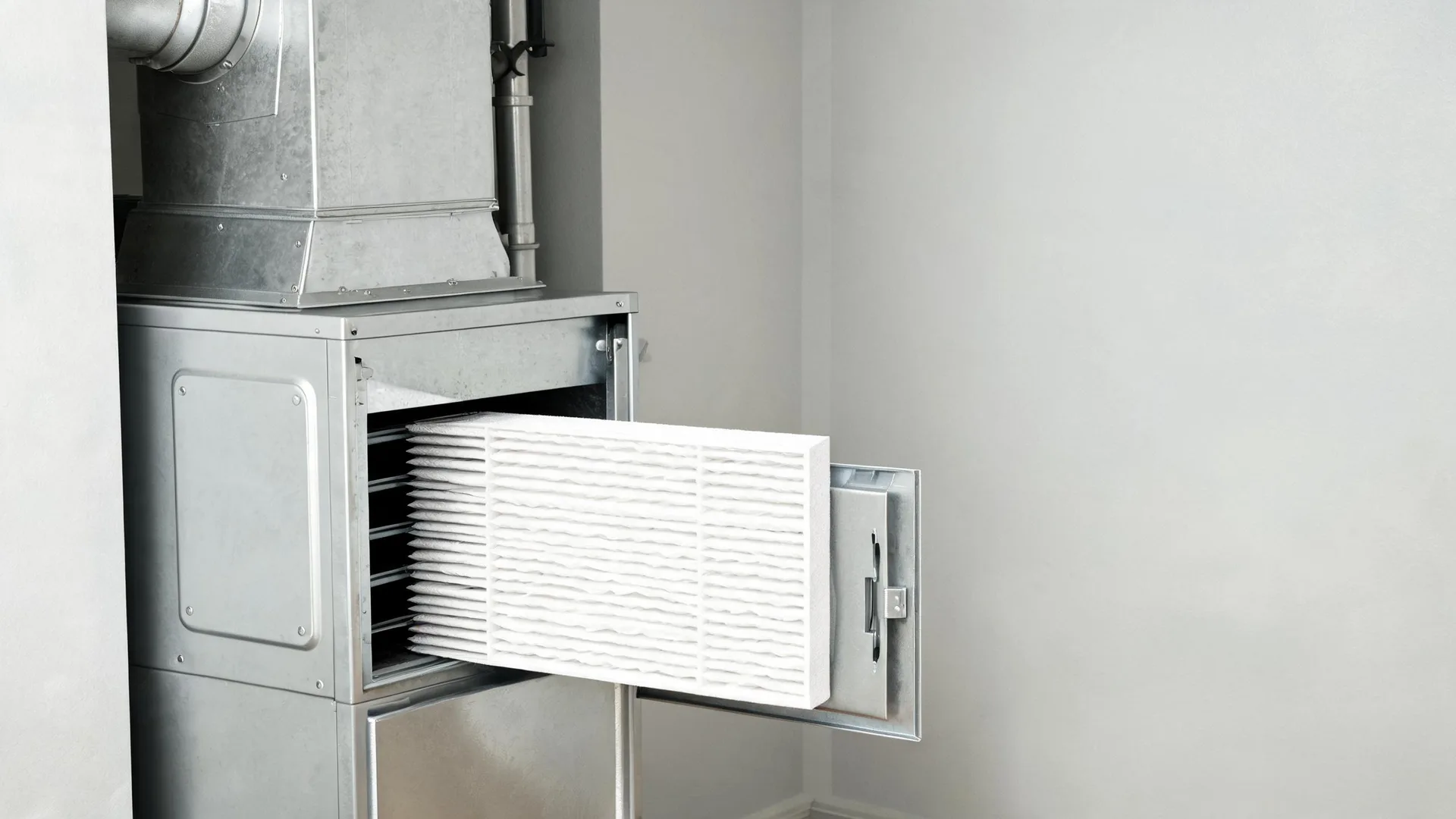
Eight months of heat
Furnaces in Whitley County run from October through May. Overnight lows average 20°F through December, January and February. That's the igniter, the blower and the heat exchanger working most months of the year, not just a few.
Takes about a minute. No obligation.
Furnaces in Whitley County run from October through May. Overnight lows average 20°F through December, January and February. That's the igniter, the blower and the heat exchanger working most months of the year, not just a few.
A furnace run eight months a year through cold winters shows its weak spots sooner than one that only kicks on now and then. A cracked heat exchanger or a failing igniter tends to turn up early into the season, not late.
Half the furnaces in Whitley County sit in homes built since 1979.
A furnace that age still has years left in it, and a yearly check is what gets it there.



Get the furnace looked at before October, not after the first cold snap. A tech can catch a cracked heat exchanger or a weak igniter on the bench, while it's still a quiet afternoon job instead of a no-heat call at 20 degrees. Once the season starts, this furnace runs for eight months straight. Whatever's already worn won't get a break to show itself gently, it'll just fail on a night it's needed most.
A furnace built since 1979 still has years ahead of it. A yearly check is what keeps it running that long, catching a weak igniter or a worn part before it fails on a cold night.
Find a contractorChange the filter through the winter. Hold it up to a light. If you can't see light through it, it's done, and a clogged filter starves the burner of air while making the heat exchanger work harder than it should. Keep furniture and boxes clear of the return vent so air can actually get to it. Look at the flame through the viewing window now and then. It should burn steady and blue. A flame that's yellow or flickering means the burner isn't getting what it needs, and that's a call for a tech, not a filter change. Keep the area around the furnace clear, nothing stacked against it and nothing stored on top. Past that, leave the cabinet closed. The blower, the igniter and the heat exchanger aren't something to check yourself. That's what the yearly visit is for.
Skip a few years and dust works its way into the blower wheel and over the burners. A dusty blower wheel throws off the airflow the whole system is tuned around, so the furnace works harder to push the same heat through the house. Dirty burners light unevenly, and that uneven flame is what starts to crack a heat exchanger years before it would otherwise.
A furnace with a worn igniter or a dirty flame sensor doesn't usually give warning. It heats fine for months, then fails to light on the one morning it's actually cold enough to matter. A yearly check catches the igniter losing strength or the sensor coated in residue while it's still a bench repair, not a no-heat morning.
A quick visit checks that the furnace lights and blows warm air, then the tech is gone. That tells you it worked that day, not that it'll make it through the season. A thorough one pulls the panels. The burners get looked at for uneven flame, the flame sensor gets cleaned of the film that builds up on it, the igniter gets tested under load instead of just watched for a glow. The blower wheel comes out or gets inspected for dust packed between its blades, because that's what throws off airflow months before anyone notices the house is harder to heat. The heat exchanger gets looked over for hairline cracks, which is the one thing on this list that actually matters for safety and the one thing a fast visit tends to skip. Ask what was actually opened up and checked, not just whether the furnace ran when they left.
A proper tune-up starts before the panels even come off, with a look at the vent pipe and the combustion air intake to make sure both are clear. Inside, the burners get checked for even flame, since a burner that lights unevenly points to a cleaning the gas valve or the orifice needs. The flame sensor gets cleaned and the igniter gets tested under an actual load, not just glanced at for a glow, because both parts fail slowly before they fail completely. The blower motor gets checked for noise and the wheel for dust packed between the blades, and the whole system gets a check of the temperature rise, which is how a tech knows the furnace is burning right and moving the air it's supposed to. Gas pressure gets checked too, since too much or too little changes how clean the burners fire. None of this takes long, but skipping it means the furnace only gets judged on whether it turned on, not on whether it's actually ready for the months ahead.