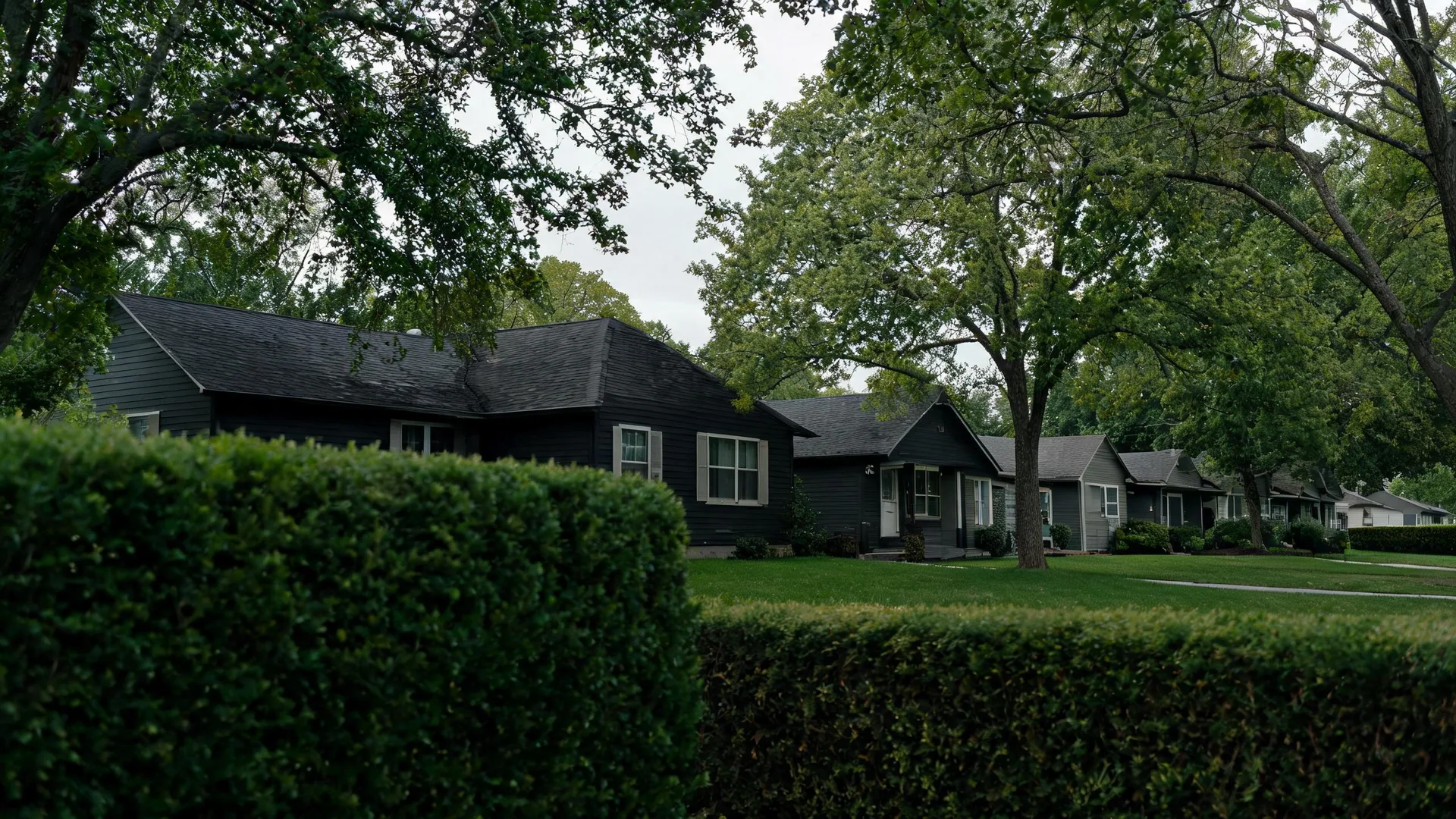
A row of dark-painted single-story houses with lawns and large deciduous trees, seen behind a tall trimmed hedge.

Furnace Maintenance in Greencastle, IN

Tell us about the job

Takes about a minute. No obligation.

Tune-up, service, or cleaningFurnace or heatingPutnam County, IN
Step 1 of 2

What ZIP code is the job in?

Electricity here runs $43.28 per million Btu

Most furnaces in Greencastle run on electricity, and Indiana's rate puts a real number on every hour this furnace runs. A furnace working harder than it needs to burns through more of that power with nothing to show for it.

A dirty or strained furnace loses ground quietly

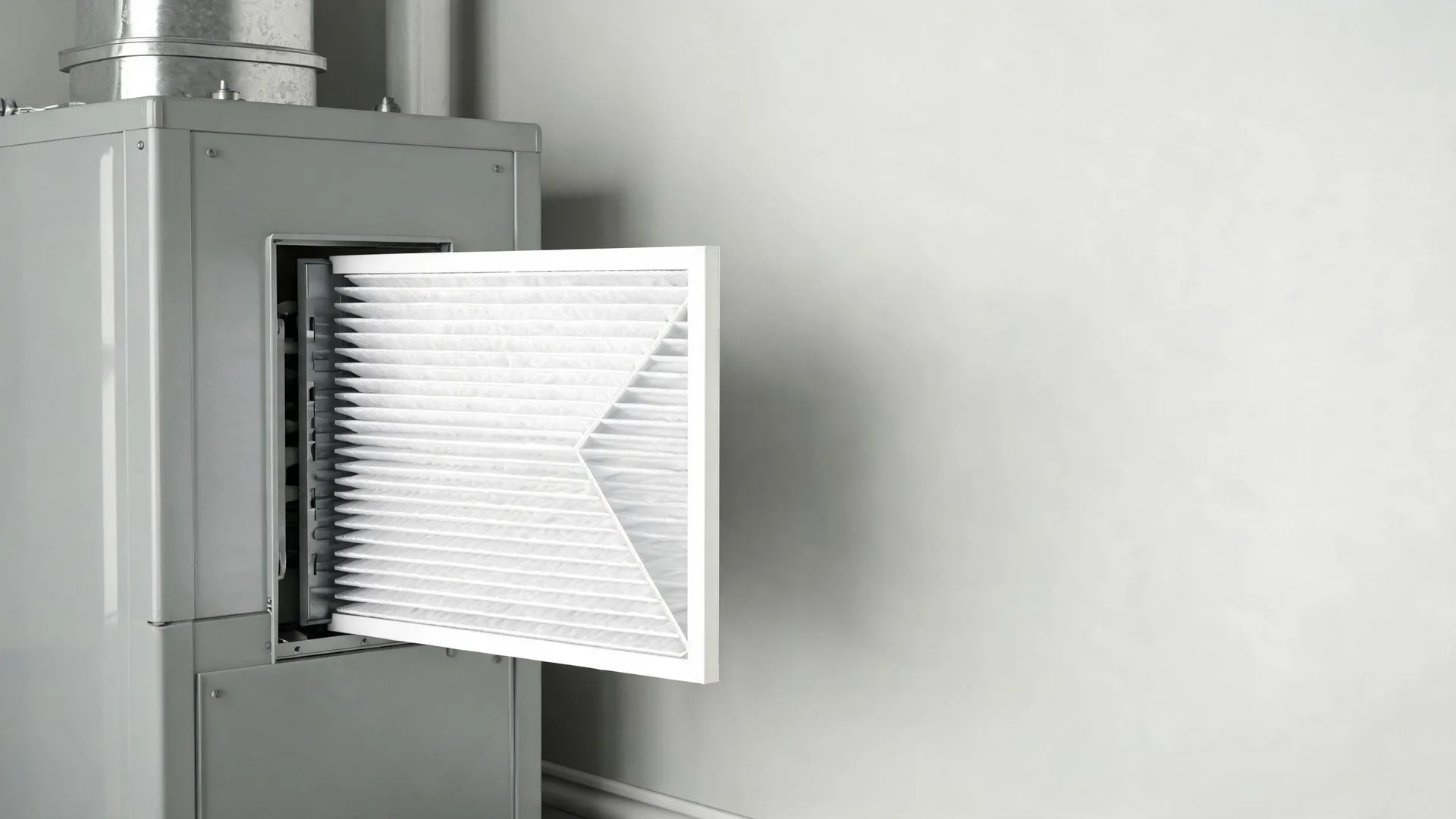
A clogged filter or a furnace that's fallen out of tune makes the system work longer to hit the same temperature. That extra runtime shows up on the power bill before it shows up as a breakdown.

Half the homes in Putnam County were built in 1981 or later.

A furnace that age still has a lot of working life left, and a yearly check is what keeps it running that way.

October is when it starts working. Have it checked in September.

Heat runs October through May
Winter nights average 22°F
Climate zone 4A

Most furnaces in Greencastle run on electric power, but not all of them. Gas heats about a quarter of the homes here when you count both utility gas and bottled or LP gas, and oil heats a few more. Those furnaces have a burner, a vent and a set of safety controls that an electric furnace doesn't have. A tune-up on one of these checks that the burner is lighting clean, that the vents are carrying exhaust out of the house the way they should, and that the controls shutting the system down when something's wrong actually work. A filter change doesn't touch any of that.

A furnace in tune is cheaper to run here than most places

A tune-up gets a furnace back to using only the power it needs. That's worth more here than somewhere with a cheaper rate, because every wasted hour costs more to begin with. Have it looked at before the cold sets in.

Find a contractor
A man in a dark T-shirt and tan work pants, seen from behind, climbs porch steps toward a blue front door while carrying a canvas tool bag filled with hand tools.
A gray residential gas furnace installed in an unfinished basement, connected to sheet-metal ductwork and PVC pipes.

A newer furnace still needs its yearly look

A furnace built in the last few decades can run for years with nothing worse than a dirty filter, as long as something catches the small stuff before it becomes the big stuff. A yearly check is what finds a cracked heat exchanger or a worn igniter while they're still cheap fixes. Skip it for a few years and the same furnace still runs, just harder and longer than it has to, on a system where every hour already costs more than it would somewhere else.

The furnace tells you before it quits

A burner that cycles on and off more than it used to is working harder to hold the same temperature. Warm air that feels weaker at the vents, a furnace that runs long stretches without shutting off, or a room that never quite catches up all point to the same thing: something inside is restricting airflow or losing efficiency. None of that stops the furnace from running. It just makes it work past the point where it should have been serviced.

Sound and smell say more than a thermostat does

A furnace that's running clean doesn't rattle, bang, or give off a burning smell once it's past the first few minutes of a cold start. A knocking sound when the blower kicks on, a burnt odor that lingers, or a flame that looks more yellow than blue all mean a technician needs to look at it before the next cold stretch. Waiting until one of these shows up means waiting until the furnace is already past the point of a simple fix.

Between visits, the filter is the one thing worth checking yourself. Pull it out and hold it up to a light. If you can't see light through it, it's choked, and a choked filter is what makes a furnace run long and hard for no reason. Beyond that, keep the area around the furnace clear. Boxes, laundry piled nearby, anything stacked against the cabinet can block the air it needs to breathe. Check that the vents and registers around the house are open and not blocked by furniture or rugs. If you have a standing pilot, you can check that the flame burns steady and blue. Anything past that, the blower wheel, the igniter, the flame sensor, isn't something to open up yourself. That's what the yearly visit is for.

A tune-up starts with the furnace apart, not just glanced at. The panel comes off and the blower wheel gets checked for dust caked on the blades, because a dirty wheel moves less air no matter how strong the motor is. The flame sensor gets cleaned, since a film builds up on it over time and a dirty sensor can shut the burner off early or keep it from lighting at all. Electrical connections get tightened, since a loose one runs hotter than it should. The igniter gets tested rather than assumed good, because it's one of the parts most likely to fail outright instead of just wearing down slowly. On a furnace with a heat exchanger, that gets inspected for cracks, since a cracked one can let exhaust mix into the air the blower pushes through the house. Last, the system gets run through a full cycle, start to shutoff, to see that everything works together and not just part by part.