




A row of illuminated two-story brick houses with front porches and mature trees photographed at twilight.

Furnace Maintenance in Huntington, IN

Tell us about the job

Takes about a minute. No obligation.

Tune-up, service, or cleaningFurnace or heatingHuntington County, IN
Step 1 of 2

What ZIP code is the job in?

Furnace season in Huntington County starts in October and runs through May, about eight months of the year. September is the month to get a furnace checked, right before it has to carry the load. A furnace that hasn't run since spring can have a stuck igniter, a dirty flame sensor, or a clogged filter, and the first cold morning is a hard way to find out. A maintenance visit before October catches those problems while there's still time to fix them without the house going cold.

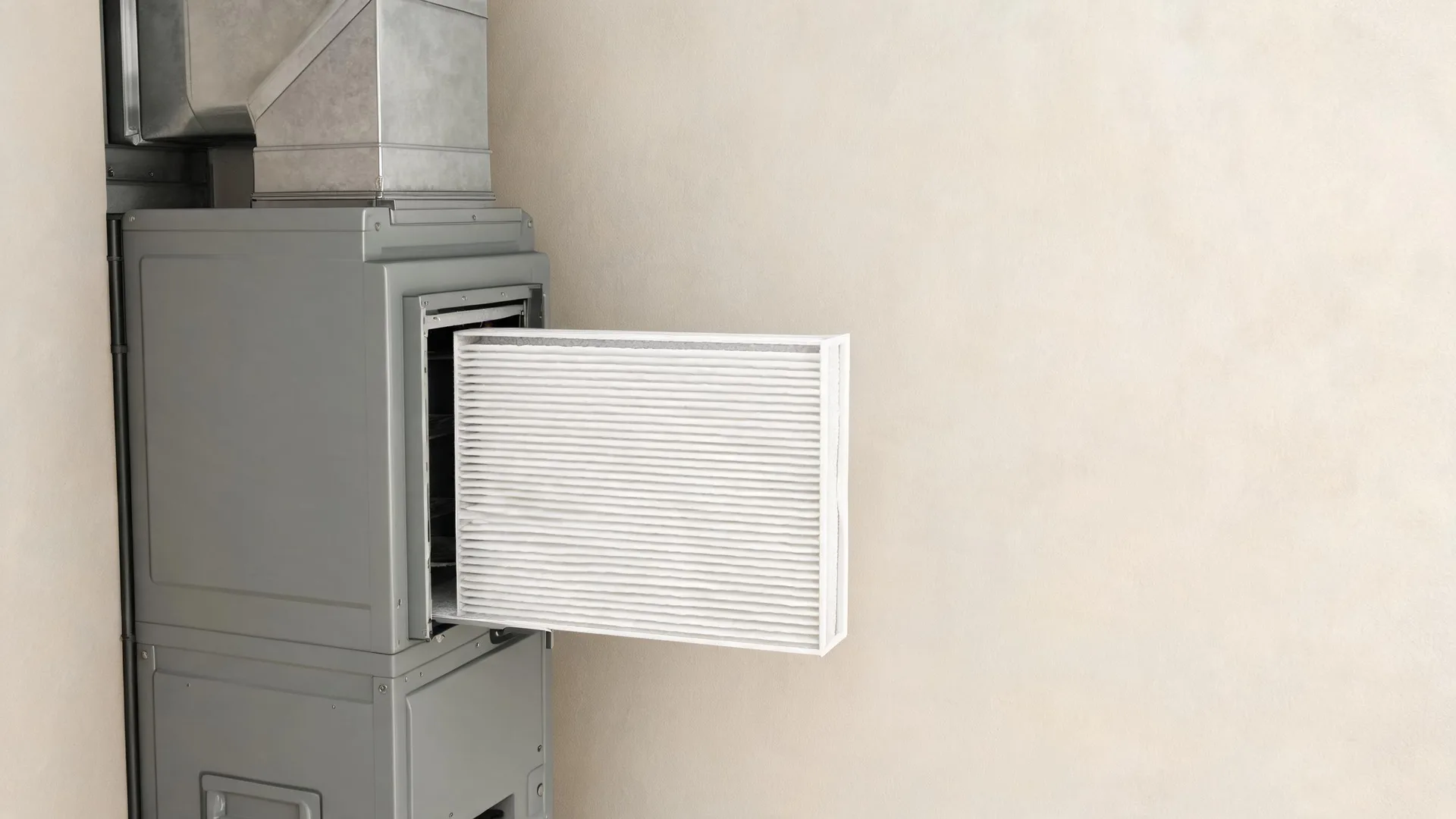
A dirty filter chokes the airflow a furnace needs to run right.

A furnace starved for air runs its heat exchanger hotter than it should, and that wears it out early.

Half the furnaces here are in houses built by 1966

Half the homes here were built by 1966
Heat runs October through May
Winter nights average 21°F

A furnace usually gives some warning before it quits outright. It might take a few tries to light, or light with a louder bang than it used to. The blower might run longer than it needs to, or kick on and off more than it should. Some furnaces start blowing air that's cooler than normal, which can mean the burners aren't firing clean or the heat exchanger isn't transferring heat the way it did when it was new. A burning smell the first few times it runs each season is normal as dust clears off the burners, but a smell that lingers past that is not. Any of these is worth a call before the coldest part of winter, not after.

Book it before the season

It starts running hard in the first month of the season here. Book the check the month before.

Find a contractor
A gray gas furnace with attached ductwork and piping installed in an unfinished concrete basement.

What you can check yourself

Between visits, the filter is the one thing worth checking yourself. Pull it out and hold it up to a light. If light doesn't pass through, swap it. A dirty filter is the most common reason a furnace runs longer than it should to reach the same temperature. Keep the area around the furnace clear, nothing stacked against the sides or blocking the front panel, since it needs air to pull in and room to breathe. Look at the vent pipe where it goes through the wall or roof and make sure nothing is nesting in it or blocking the opening. If you have a carbon monoxide detector near the furnace, test it the same way you test smoke detectors. Beyond that, leave the cabinet closed. The burners, the heat exchanger, the pressure switch, those need a tech with the right gauges, not a homeowner with a flashlight.

A real tune-up opens the cabinet

A thorough visit means the burners come out and get cleaned, the flame sensor gets scraped down, and the heat exchanger gets inspected with a light or a camera for cracks. The pressure switch and gas valve get tested, not just glanced at. A quick visit skips most of this. If the tech is in and out in a few minutes without pulling a panel, that's a sign of what didn't happen.
Ask what the numbers were

A proper check includes measuring gas pressure at the valve and checking the temperature rise across the heat exchanger against what the furnace is rated for. Both take a gauge and a few minutes, and both tell you whether the furnace is actually burning clean and heating right, not just turning on. A tech who can tell you those numbers did the work. One who can't, didn't.

A furnace that never gets looked at doesn't fail all at once. Dust builds up on the burners first, so they burn uneven instead of clean. The flame sensor picks up a film that makes it read a weak flame as no flame, so the furnace shuts itself off just after it lights. A pressure switch clogged with dust tells the control board the inducer isn't pulling air when it actually is, and the furnace won't fire at all. Each of those is a small, fixable thing on its own. Left alone across enough winters, they wear on the parts around them, and the failure that finally shows up is the heat exchanger itself, which isn't something a tech patches. Skipped maintenance doesn't make a furnace break early so much as it hides the small failures until they add up to the big one.

A tune-up starts before the panel ever comes off. The tech checks that the thermostat calls for heat correctly, then watches the furnace go through a full cycle, ignition to shutoff, to see it behaving the way it should. Static pressure gets measured, since that tells you whether the duct system is fighting the blower. Inside, the igniter gets inspected for cracks, since a hairline crack there is the usual reason a furnace won't light on the first try. The blower wheel gets looked at for dust buildup, because a caked wheel moves less air even at full speed and makes the whole system work harder than it needs to. Wiring connections get snugged down, since a loose one is what turns into a no-heat call down the road.