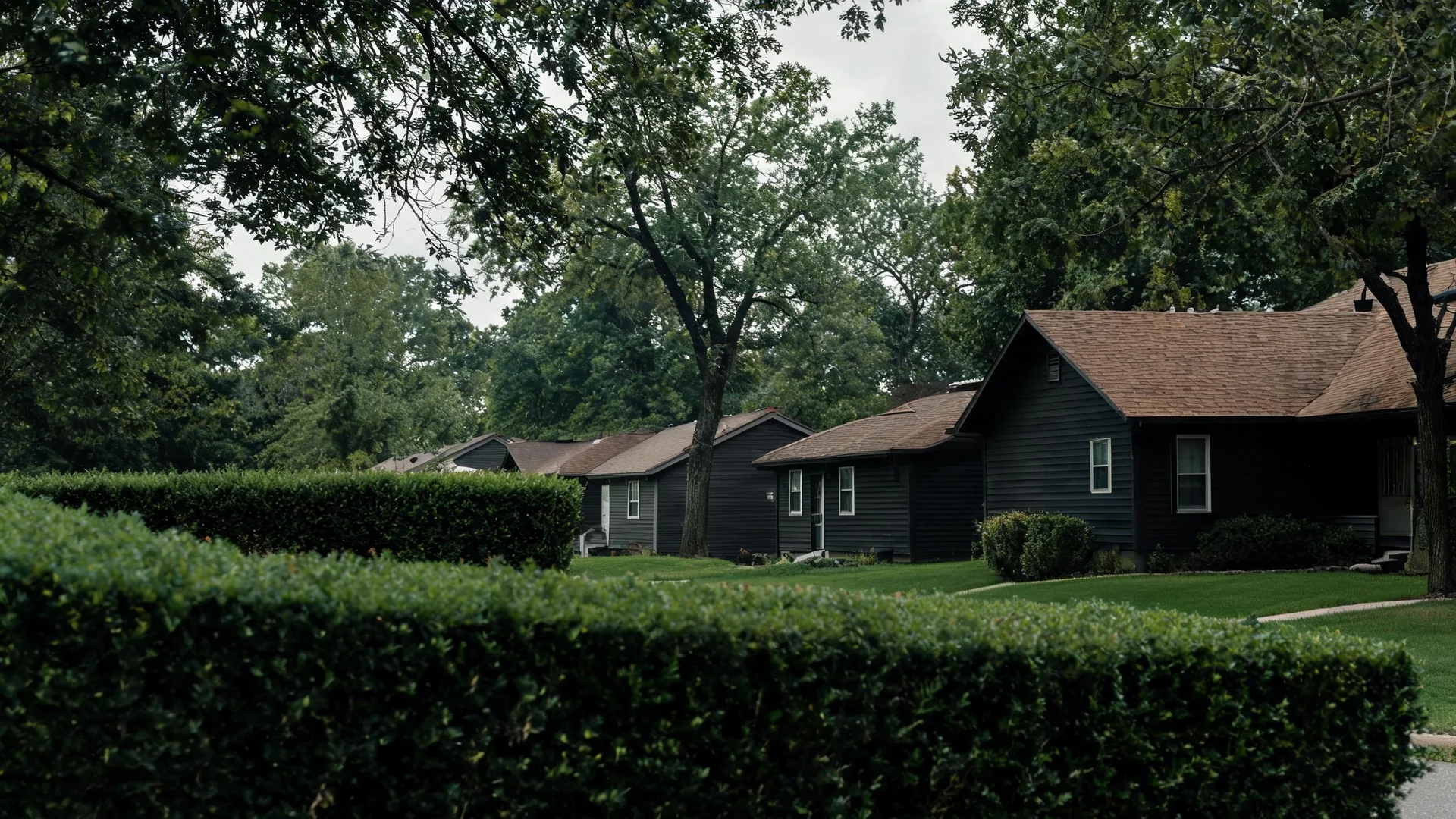
A row of dark-sided houses with brown shingled roofs behind trimmed hedges, lawn, and large deciduous trees under an overcast sky.

Furnace Maintenance in Marion, IN

Tell us about the job

Takes about a minute. No obligation.

Tune-up, service, or cleaningFurnace or heatingGrant County, IN
Step 1 of 2

What ZIP code is the job in?

The furnace gets opened up, not just glanced at

A thorough tune-up means the burner assembly comes out for a real cleaning, the flame sensor gets polished, and the inducer motor and blower wheel get checked for dust buildup. A quick visit means someone listens to it run, checks the filter, and writes up a ticket. You can ask what the technician actually touched before they packed up.


What gets skipped is what causes the breakdown later

Skip cleaning the flame sensor and the furnace will start short-cycling or refusing to light. Skip checking the heat exchanger for cracks and you could end up with a safety problem instead of a comfort one. The corners cut in a rushed tune-up don't show up that day. They show up the next time the furnace has to work hard.

Furnaces in Grant County start working in October.

Have it checked in September, before it has to run.

Half the furnaces in Grant County are old enough to vote

Half the homes here were built by 1963
Heat runs October through May
Winter nights average 22°F

Most furnaces in Grant County run on utility gas. It's the fuel in 55.7% of homes here, with electric heat in another 36.2% and a small number running on LP. A gas furnace has a burner, a flame sensor and a venting system that an electric furnace doesn't, and all of that needs a technician's attention, not just a filter change. The burner has to light clean and burn clean. The vent has to carry exhaust out of the house instead of back into it. If your furnace runs on gas, ask whether the tune-up includes a check of the heat exchanger and the venting, not just a look at the blower.

Half these furnaces are older than that. Get it checked every year

A furnace that old has had plenty of chances to develop a crack in the heat exchanger or a weak spot in the venting. A yearly check is how a technician catches that before it becomes a bigger problem.

Find a contractor
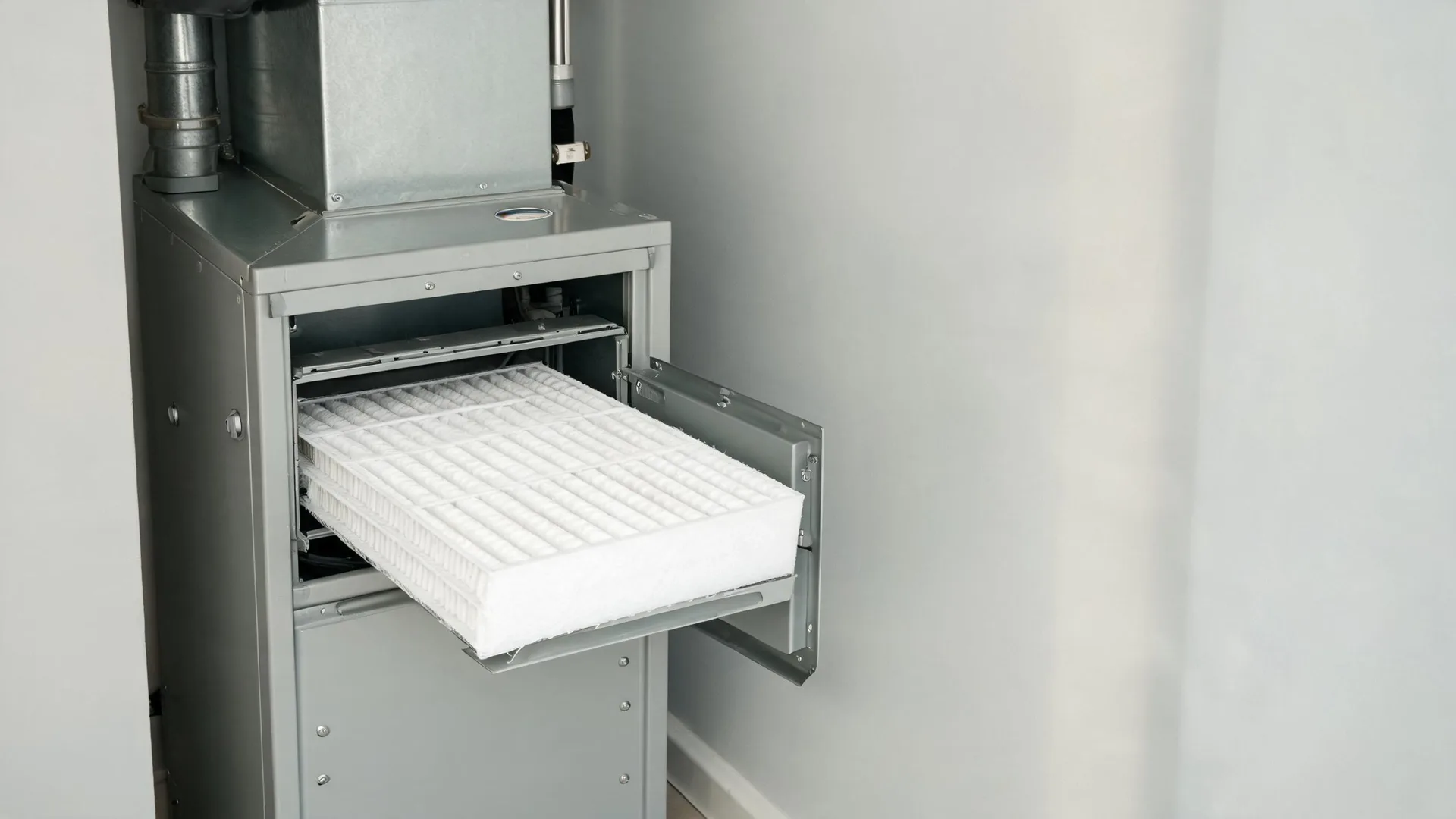
A gray residential gas furnace installed in an unfinished basement, connected to sheet-metal ductwork and PVC pipes.

What's building up inside it, where you can't see

A furnace builds up what a filter never catches. Dust settles inside the blower wheel and throws it out of balance, so the motor works harder to push the same air. The flame sensor collects a film from normal combustion until it can't sense the flame anymore, and the furnace shuts itself off as a safety measure. None of this shows up as a strange noise or a smell. The furnace just runs a little worse each month until it doesn't run at all. Taking it apart once a year is the only way to see any of it.

The filter only protects what's downstream of it

A dirty filter chokes airflow before the air ever reaches the coil. The blower has to work harder to pull air through it, and whatever dust slips past settles on the coil instead. A filter changed on schedule is doing its job. One left in too long is just a wall of dust with air squeezing past the edges.

The drain has one job and no backup

Condensate from a high-efficiency furnace has to drain out through a trap and a line, and that line can clog with the same slime that builds up in any drain that sees water every day. When it clogs, the furnace shuts itself off rather than let water back up into the cabinet. Clearing that line is part of a real tune-up, not an afterthought.

A furnace usually tells you something before it quits for good. It takes longer to catch on the first try, or it catches and then cuts out and tries again. The blower runs louder than it used to, or it kicks on and off more often than it should for the temperature you've got set. Sometimes it's a smell, a faint burning dust smell in the first weeks of the season, which is normal for a day and worth noting if it doesn't go away. A yellow flame instead of blue is not normal at any point and means it needs to be looked at. None of these mean it's about to fail outright. They mean something inside it is already working harder than it should, and a check now finds out what.

A real tune-up ends with readings, not just a visual check. The technician measures the temperature rise across the furnace, the gas pressure at the manifold, and the draft in the flue, because that tells you whether it's burning the fuel it's given the way it was designed to. Static pressure gets checked too, since a duct system that's too restrictive makes the blower work past what the motor was built for, even with a clean filter. These are the readings that catch a furnace that looks fine and isn't. A technician who leaves without taking any of them didn't tune it up. They looked at it.