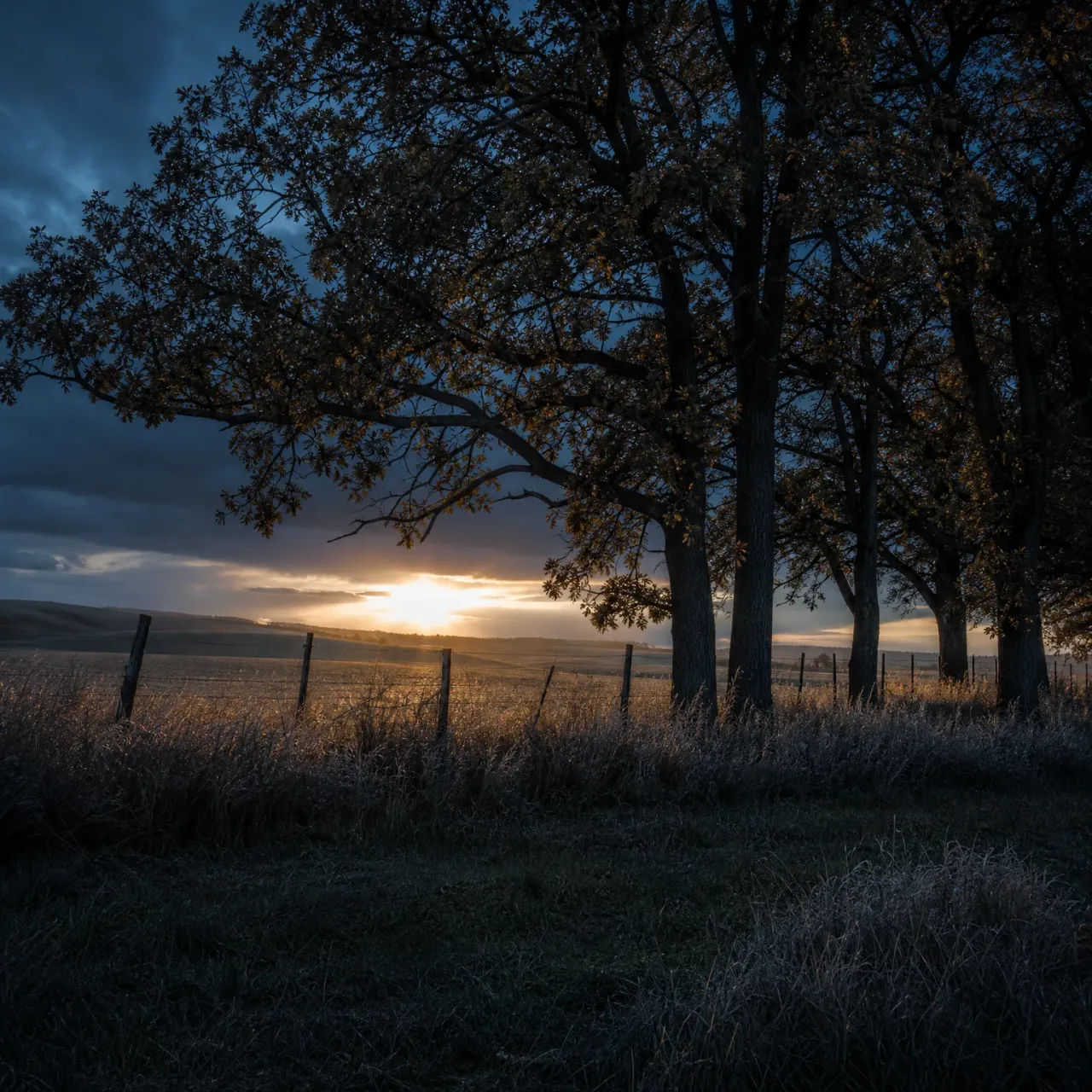
An empty unfinished basement containing a forced-air furnace with overhead ductwork, exposed ceiling joists, and a single hanging light bulb.

Furnace Repair in Warsaw, IN

Tell us about the job

Takes about a minute. No obligation.

RepairFurnace or heatingKosciusko County, IN
Step 1 of 2

What ZIP code is the job in?

Eight months of work a year

Furnaces in Kosciusko County run from October through May. That's most of the year asking the igniter, the blower motor and the heat exchanger to cycle on and off, over and over, with barely a break before the next cold stretch starts.


What that means for your repair

A part that's worked eight months a year for years is often just worn, not necessarily failing from something you did wrong. Get the actual cause checked instead of guessing, so whatever gets fixed holds through the next winter instead of quitting again in a month.

8 months
October through May, your furnace is on duty
20°F
the average winter night it heats against
66%
of homes here heat with gas, so most furnaces here burn gas
2 winter storms
in ten years, the nights a failure hurts most
Isometric cutaway illustration of a small house showing a furnace unit connected to ductwork and a vertical flue pipe extending through the dark shingled roof, with sparse furniture in the rooms.
Your furnace works hardest from November through March.

NOAA nClimDiv, 1991–2020 normals

Furnaces here start up in October.

A part that was already weak often fails in those first cold weeks, not in the deep of January.

That works in your favor. A repair tech can usually confirm it's a single part, not the system.

Half the homes here were built by 1979
Climate zone 5A
Heat runs October through May

If your furnace came with a newer house, that works in your favor when something goes wrong. A part failing early in a system's life isn't the same problem as a part failing at the end of it. It's more likely a single bad component, a cracked flame sensor or a failed control board, than the whole unit giving out. That's worth knowing before anyone talks about replacement. Ask whoever comes out to tell you straight whether this is a repair or the start of something bigger, and have them show you why.

Get the cause fixed, not just the symptom

Eight months of heat a year wears parts down before their time. Have the actual cause diagnosed, not just patched, so the repair holds.

Find a contractor
A man in a cap, navy T-shirt and brown work pants walks up concrete steps toward a blue front door, carrying a worn canvas tool bag with a hammer inside, beside a potted shrub in a blue planter.
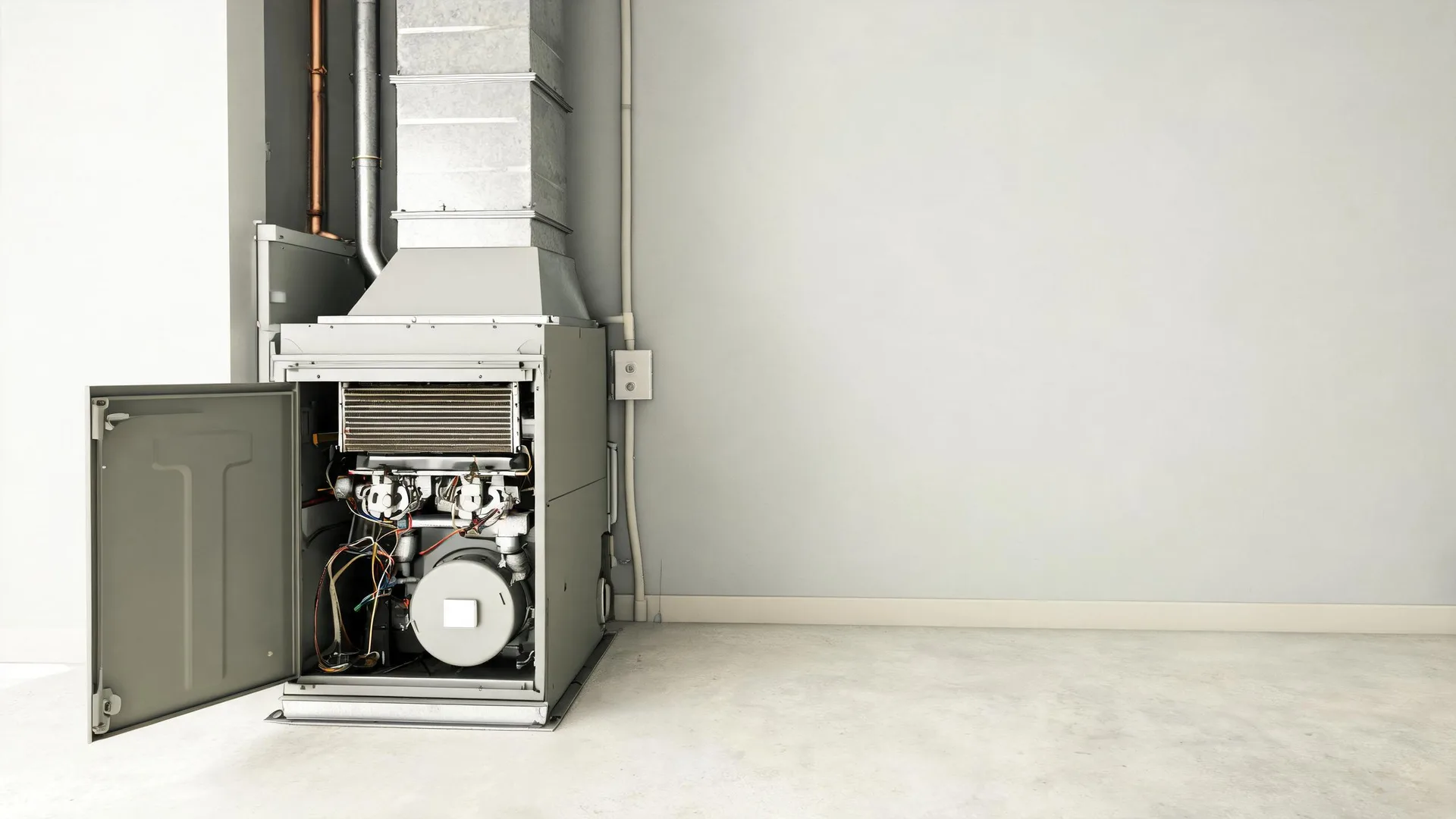
A gray residential gas furnace installed in an unfinished basement, surrounded by ductwork, a metal flue pipe, and a gas supply line.

Running it while something's wrong

A furnace with a problem doesn't fail evenly. A cracked heat exchanger gets worse every hour it runs, not just every winter it sees. A dirty flame sensor builds up a little more residue each cycle until it stops sensing the flame at all. A blower motor with a bad bearing wears that bearing faster the longer it spins, and a failing igniter draws down a little more each time it has to glow hot enough to light the burners. Running the system while any of this is happening doesn't give it a chance to rest and recover. It just moves the part closer to the point where it quits for good, usually at the moment you need it most. Shutting it off at the first sign of trouble, a strange smell, a new sound, short cycling, doesn't fix anything, but it stops the clock on whatever's already going wrong.

What you'll actually notice

The furnace runs longer to reach the same temperature, or it shuts off before the house feels warm. The air coming out of the vents feels cooler than it used to. It clicks on, tries to light, and shuts off again without catching, sometimes more than once before it holds. The burner flame looks yellow or flickers instead of burning steady and blue. You hear a new sound, a screech from the blower, a rattle, a bang when it first fires. Short cycling, where it turns on and off every few minutes instead of running a normal stretch, is one of the clearest signs something's wrong.

What those signs are telling you

None of these show up for no reason. A weak flame or a yellow burner points to a dirty or misaligned burner assembly. A bang on startup usually means gas is building up before it lights instead of igniting right away. Short cycling often traces back to a flame sensor that isn't reading the flame correctly, so the system shuts itself down as a safety measure. A screeching or grinding sound is a motor bearing wearing out, not something that gets quieter on its own. Whatever the sign, it's worth having someone look at the actual part behind it instead of waiting to see if it gets worse.

An unfinished basement interior featuring a large metal furnace unit, exposed ceiling joists, concrete walls, and scattered boxes and cables on the floor.

A new furnace would cut about $120 a year off heating for a typical Kosciusko County home.

  • A new high-efficiency furnace$470 a year
  • An older furnace$590 a year

Estimates for a typical Kosciusko County home, compared with an older unit built to the previous federal minimum, from EIA household energy data, Indiana fuel prices and NOAA climate normals. Your home will differ.

Repair makes sense when one part has failed and the heat exchanger is sound.

Replacement makes sense when the heat exchanger is cracked or the furnace keeps needing parts.

A diagnostic visit starts with what the furnace is doing, or not doing, before anything gets opened up. A tech will ask when the problem shows up, whether it's on startup, mid cycle, or only when the blower kicks on, because the timing points to different parts. Then the cover comes off and the burner assembly, flame sensor, and igniter get a look, since a lot of problems show themselves just by sight, a weak flame, a cracked sensor, scorch marks where there shouldn't be any. Electrical readings come next: voltage at the control board, resistance across a motor, continuity through a safety switch, to find a failure that doesn't show up to the eye. A gas furnace also gets checked for proper draft and for any sign of a crack in the heat exchanger, since that's a safety issue before it's a comfort one. By the end, the goal is a clear answer: which part failed, why it failed, and whether anything else is close behind it.