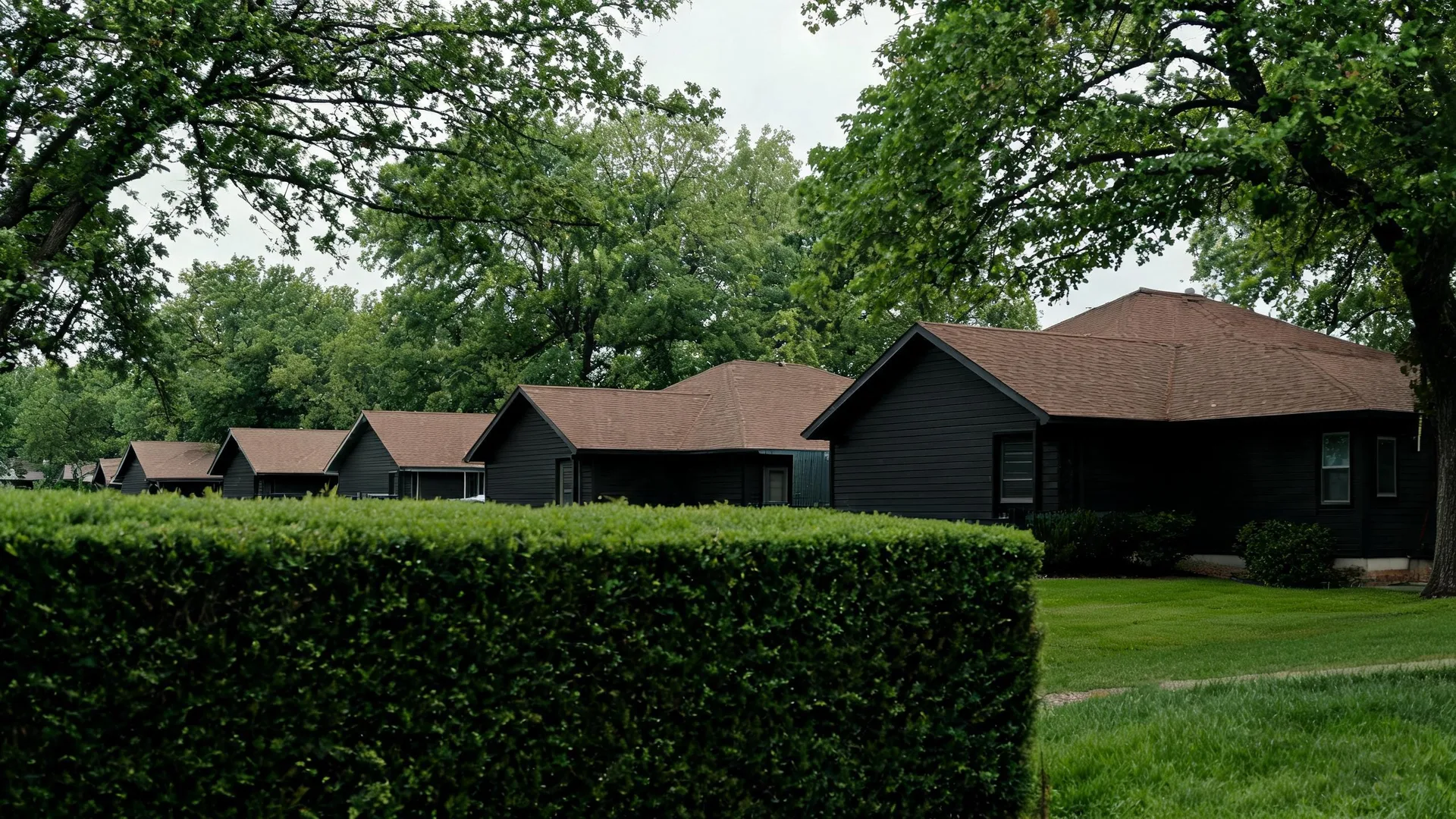



A row of dark-sided single-story houses with brown shingled roofs behind a tall trimmed hedge, surrounded by large leafy trees and mown grass under an overcast sky.

Furnace Repair in Zionsville, IN

Tell us about the job

Takes about a minute. No obligation.

RepairFurnace or heatingBoone County, IN
Step 1 of 2

What ZIP code is the job in?

Your furnace in Zionsville runs about eight months a year, October through May. Overnight lows average 21°F in December, January and February, so it carries real load on the cold nights, not just a few cold snaps. None of that makes the furnace itself unusual. It still fails the way furnaces fail anywhere. An igniter stops glowing. A flame sensor gets coated and loses its signal. A blower motor wears out and quits. The cold just means you notice sooner when something is off.

8 months
October through May, your furnace is on duty
21°F
the average winter night it heats against
58%
of homes here heat with gas, so most furnaces here burn gas
10 winter storms
in ten years, the nights a failure hurts most
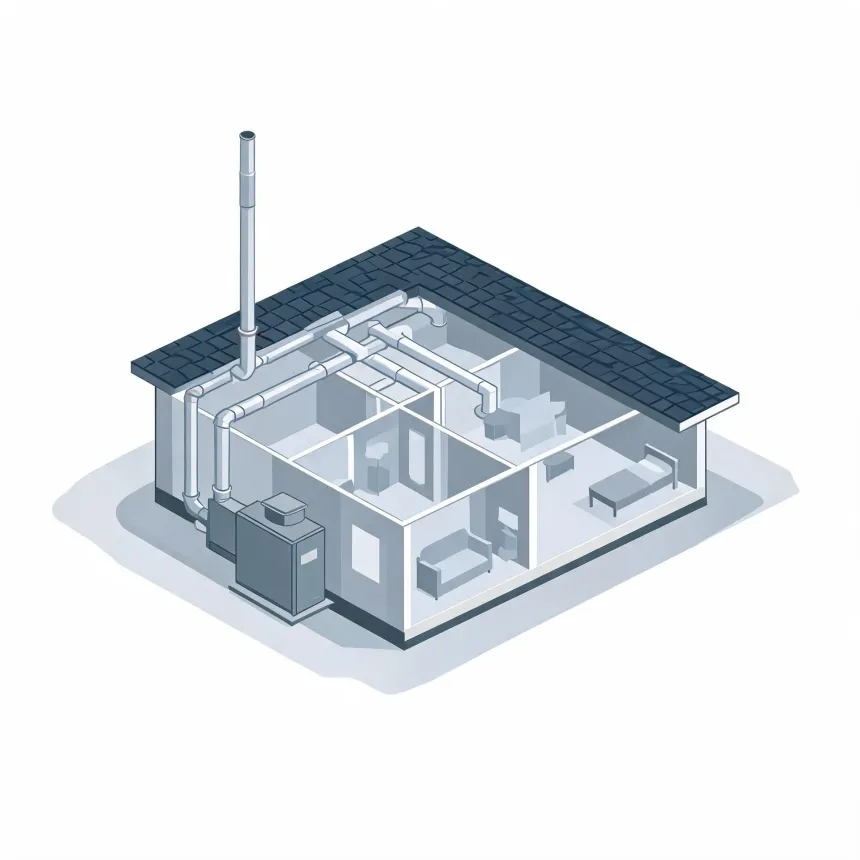
Isometric cutaway illustration of a single-story house with a dark shingled roof, showing interior rooms with furniture, a ducted air distribution system, a tall vertical flue pipe, and a gray furnace unit outside the wall.
Your furnace works hardest from November through March.

NOAA nClimDiv, 1991–2020 normals

Check the thermostat batteries and the filter before anything else.

A dead battery or a choked filter can look exactly like a failed furnace.

Furnaces start working in October hereProblems show up fast once the cold hits a part that was already weak.

Half the homes in Boone County were built in 1995 or later. If yours is one of them, the furnace probably isn't old enough to be worn out on its own. Most furnace problems come down to one part failing, not the whole unit giving up. A newer system with a cracked heat exchanger or a dead blower motor is the exception, not what you should expect. Worth having it looked at rather than planning around a replacement.

Get the usual fix

Nothing about this area is especially hard on it. It's most likely the usual problem with the usual fix.

Find a contractor
A man in a navy long-sleeve shirt and tan work pants, seen from behind, carries a canvas tool bag up light-colored porch steps toward a blue front door.
A gray residential gas furnace installed in an unfinished basement, surrounded by ductwork, a metal flue pipe, and a gas supply line.

A diagnostic visit traces the problem to one part, not the whole furnace

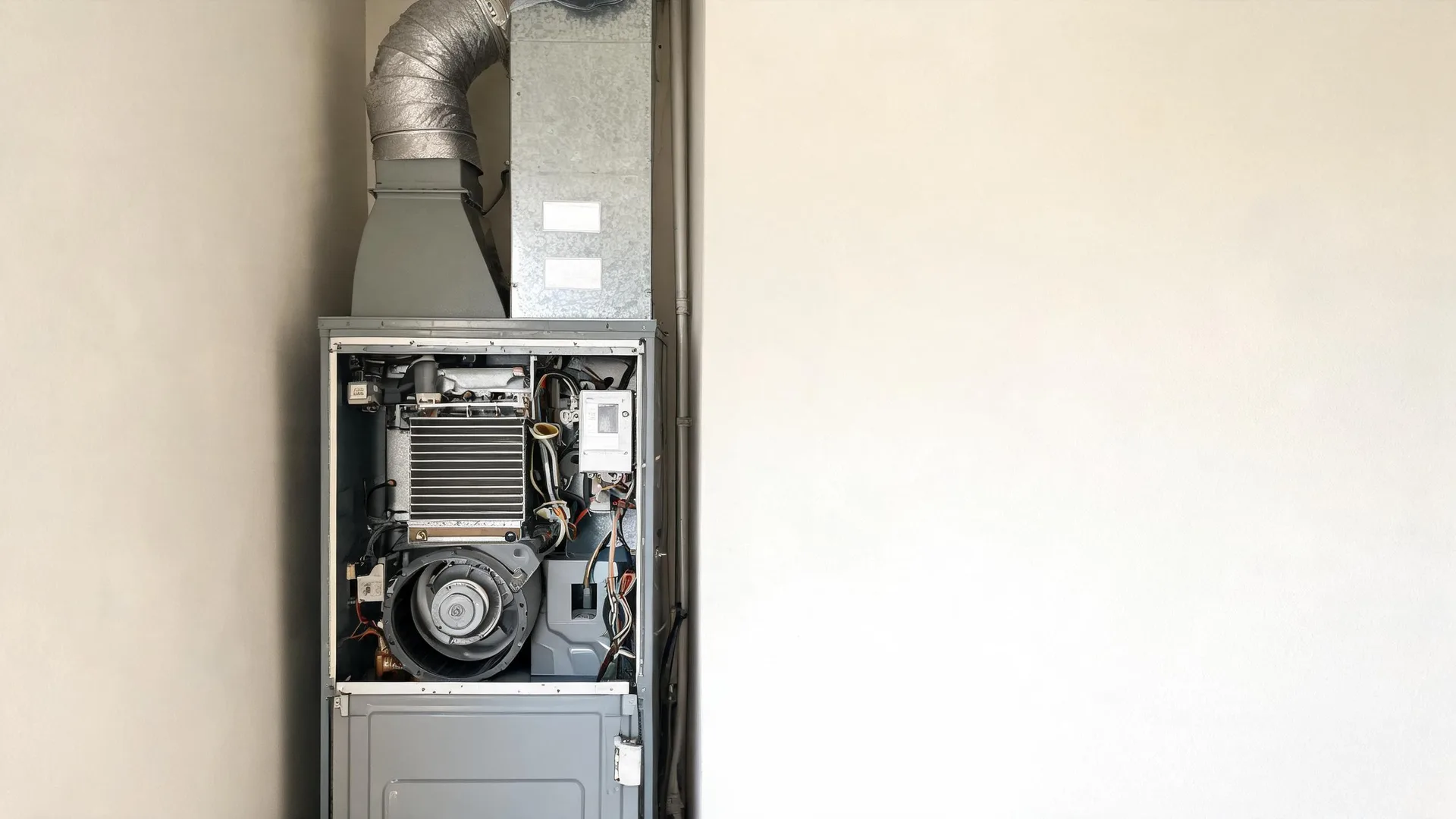
A diagnostic visit starts before any panel comes off. A tech asks what the furnace is doing, when it started, and whether it happens every cycle or just sometimes. Then the cover comes off and the tech watches a full cycle start to finish. Ignition, flame, blower kicking in, shutdown. That sequence tells most of the story. A multimeter checks the igniter for continuity. A flame sensor gets pulled, looked at, and usually cleaned or swapped, since testing it in place is unreliable. The tech checks static pressure in the ducts and amp draw on the blower motor, because both point to strain the furnace is working under even when the symptom looked like something else. If the heat exchanger is in question, that means a camera down into it or a combustion analyzer reading the exhaust, not just a flashlight and a guess. By the end the tech can usually tell you which part failed and why, not just that the furnace isn't working.

A small problem can turn into a bigger repair

A cracked heat exchanger starts as a hairline crack most people would never notice. Keep running the furnace and the metal keeps flexing with every heat cycle, and the crack grows. A flame sensor that's barely coated still lets the furnace run, but the soot builds with every cycle until it finally stops reading the flame at all.

Some failures take the rest of the system with them

A blower motor that's starting to go still moves air for a while. Keep pushing it and the bearings can seize, and a seized motor can take out the control board that runs it. What would have been a motor swap turns into a motor and a board.

An unfinished basement containing a forced-air furnace with metal ductwork, exposed wooden ceiling joists, a hanging Edison bulb, and bare concrete floors.

A new furnace would cut about $110 a year off heating for a typical Boone County home.

  • A new high-efficiency furnace$440 a year
  • An older furnace$550 a year

Estimates for a typical Boone County home, compared with an older unit built to the previous federal minimum, from EIA household energy data, Indiana fuel prices and NOAA climate normals. Your home will differ.

Repair makes sense when one part has failed and the heat exchanger is sound.

Replacement makes sense when the heat exchanger is cracked or the furnace keeps needing parts.

Most of the time a furnace problem is worth fixing. A single failed part, an igniter, a flame sensor, a blower motor, costs a lot less than a new system, and swapping it brings the whole furnace back to normal. Replacement starts to make sense when the heat exchanger is cracked, since that part isn't sold on its own and isn't worth forcing into an old cabinet. It also makes sense when a tech finds other parts near the end of their life on the same visit. One repair is just a repair. A pattern of repairs is a furnace telling you it's done.