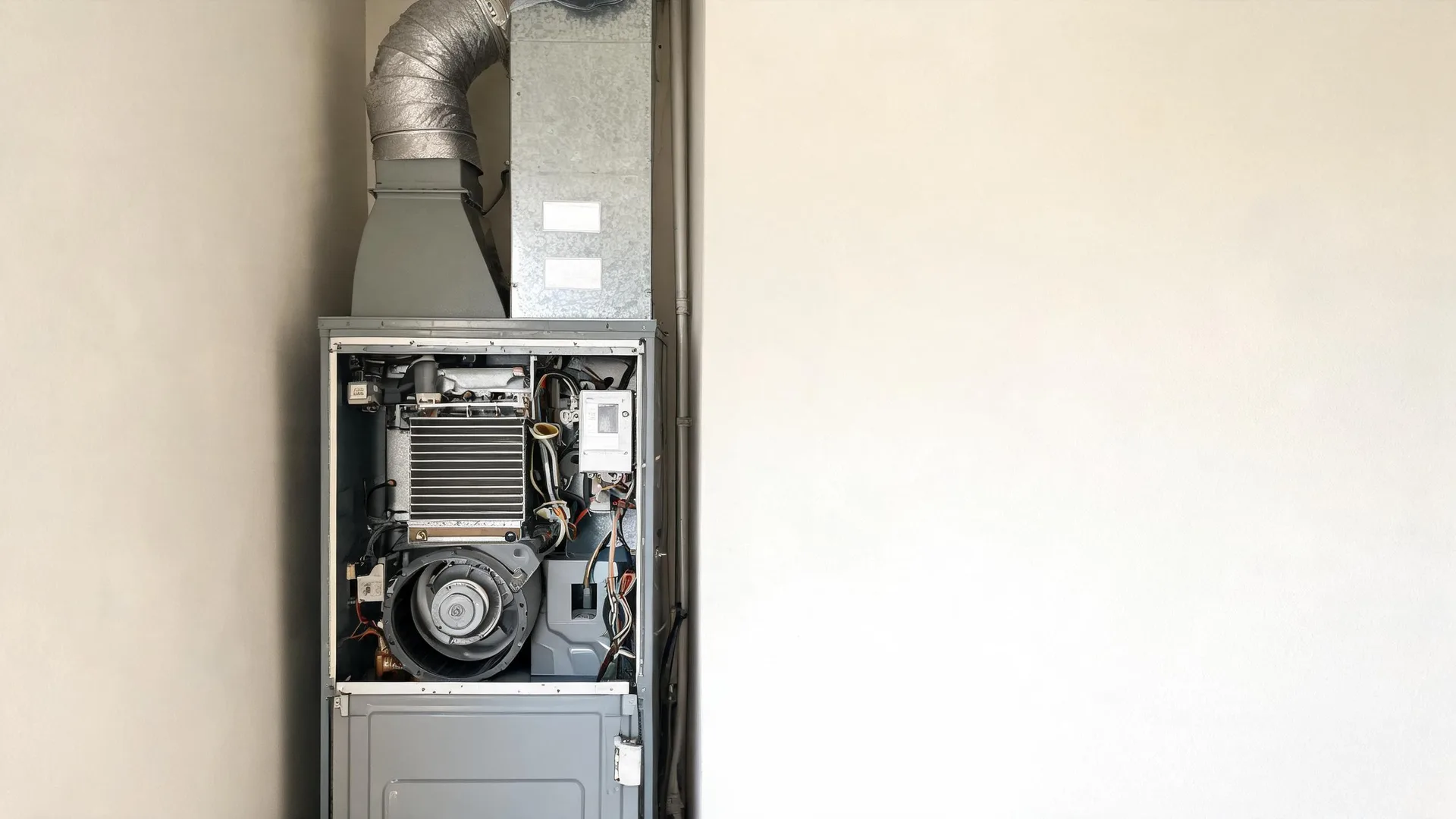
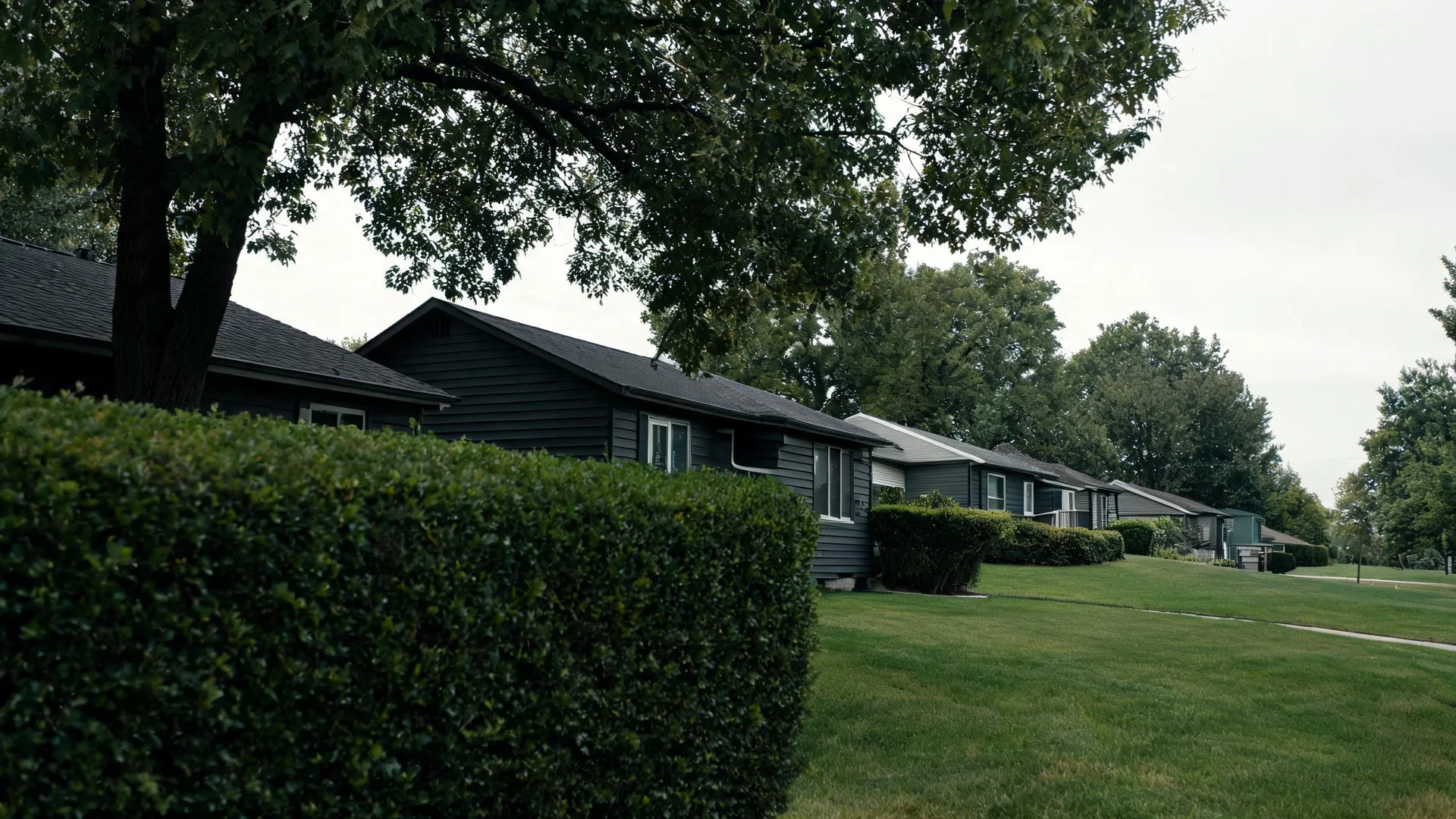
Half the homes here were built in 1968 or earlier
South Bend sits in St. Joseph County, where half the homes went up in 1968 or earlier. A furnace that came with a house that age has likely been replaced at least once already.
Takes about a minute. No obligation.
South Bend sits in St. Joseph County, where half the homes went up in 1968 or earlier. A furnace that came with a house that age has likely been replaced at least once already.
If your furnace is the original one for an older house, a repair call is a good moment to ask how much life is left in it. A unit near the end of its run is worth sizing up before you commit to fixing it.
NOAA nClimDiv, 1991–2020 normals
A furnace that short cycles is working against itself, not just you.
Each short run wears the igniter and the blower motor a little more before the next one starts.



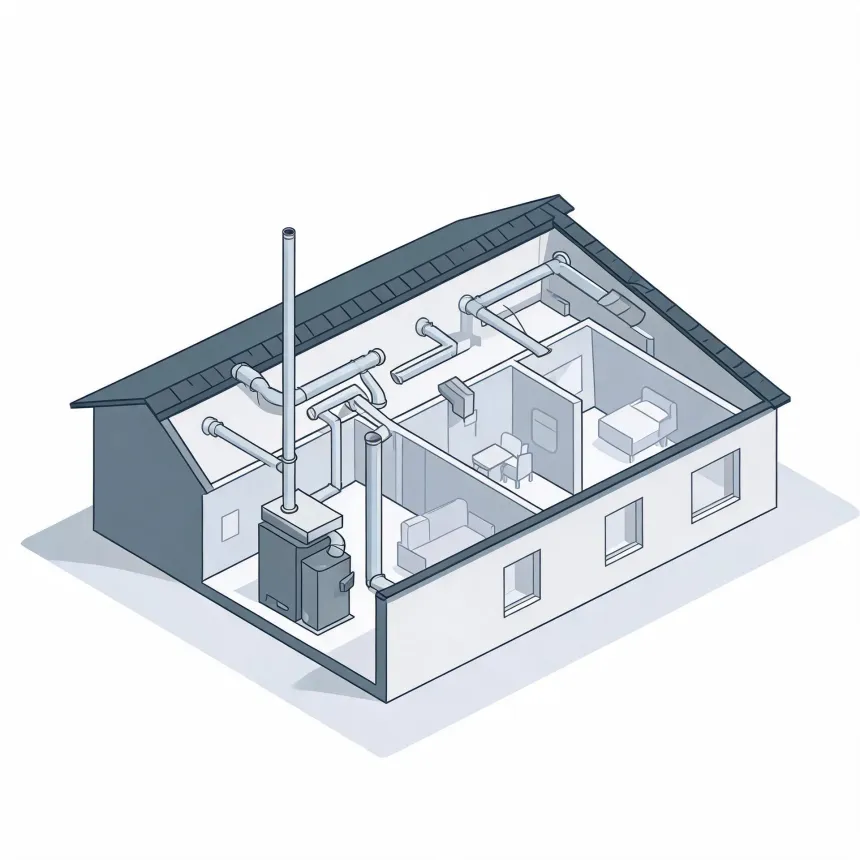
A technician starts by asking what the furnace is actually doing. Not firing at all, firing and shutting off, running but not heating, making a noise it didn't used to make. That answer points to a different part before anyone opens a panel. From there it's a sequence. Check the thermostat call. Check for power at the board. Check the igniter or pilot. Check that gas is reaching the burners. Watch a full cycle start to finish. A furnace that shuts off early usually means something is telling it to, a flame sensor not reading the flame right or a limit switch tripping on heat that isn't venting the way it should. Once the cause is found, the tech can tell you what it takes to fix it.
Furnace here runs October through May, with overnight lows averaging 20°F in December and January. That kind of stretch puts real hours on an igniter and a blower motor. If yours is acting up, get the cause found before you decide what it needs.
Find a contractor
Ask the tech what year the furnace was made before any repair starts. The sticker inside the panel will tell you. A furnace that's already outlasted the house's first one isn't a bad run, it's a sign the next failure could be the one not worth fixing.
A furnace that won't fire is at least not doing damage while it sits there. One that's running rough but still running is a different problem, because every cycle keeps asking the same strained part to do its job again.
Heat exchangers fail from metal flexing as it heats and cools. Each cycle the furnace runs on a cracked one widens it a little more, and it's also how exhaust can start reaching air the blower pushes into the house.
Estimates for a typical St. Joseph County home, compared with an older unit built to the previous federal minimum, from EIA household energy data, Indiana fuel prices and NOAA climate normals. Your home will differ.
Repair makes sense when one part has failed and the heat exchanger is sound.
Replacement makes sense when the heat exchanger is cracked or the furnace keeps needing parts.
A repair decision usually comes down to what broke and what it's connected to. A blower motor, an igniter, a flame sensor, these fail on their own and fixing one doesn't tell you anything bad about the rest of the furnace. A cracked heat exchanger is different. That's the part that separates the flame from the air moving through your house, and once it's cracked the whole unit gets replaced, not patched, because there's no safe repair for it. So the real question isn't just what's broken, it's whether the broken part is a wear item or the core of the thing. Ask the tech which one you're dealing with before you ask what it costs to fix.