Calling around on your own
You find a number, explain the bang or the screech, get a callback window, and start over with the next contractor if the first one can't come soon.
A banging, screeching or rattling furnace in St. Joseph County winter is not something to sit on. Cold snaps here do not wait for a convenient week, and a furnace that is struggling tends to get worse, not better, on its own. The noise itself is a clue, but knowing whether it means a loose panel or something further along takes someone who has heard it before in a system like yours.
Finding that person usually means a search, a round of calls, and explaining the same noise to three different voicemail boxes before anyone can even look at your furnace. This page skips that part. Tell it what is going on and you get matched with a contractor who works on furnaces around South Bend and takes it from there, reaching out to you directly instead of leaving you to chase an answer. No more comparing quotes from strangers or wondering who actually knows gas furnaces in this area. Just a straight path from the noise you are hearing to someone qualified to find out why.
Your furnace has started banging, screeching, or rattling, and you want to know what's behind it before you decide what to do. A furnace that's making noise it didn't used to make is usually telling you something specific broke or shifted inside it. Some of these sounds mean a quick fix. Others mean a part is wearing out and heading toward a bigger failure, often right in the middle of a cold snap when you can least afford the furnace going down.
A bang when the furnace starts usually means gas is building up before it lights, then igniting all at once. A screech points to the blower motor or its bearings. Rattling often means a loose panel, a worn belt, or a part that's come loose inside the cabinet. Each of these sounds has a different cause, and the fix depends on which one you're hearing. With St. Joseph County winters running long and hard, a furnace that's banging or screeching is already working harder than it should, and that part tends to wear out faster the longer it runs that way. Waiting it out usually means a bigger repair later, not no repair at all.
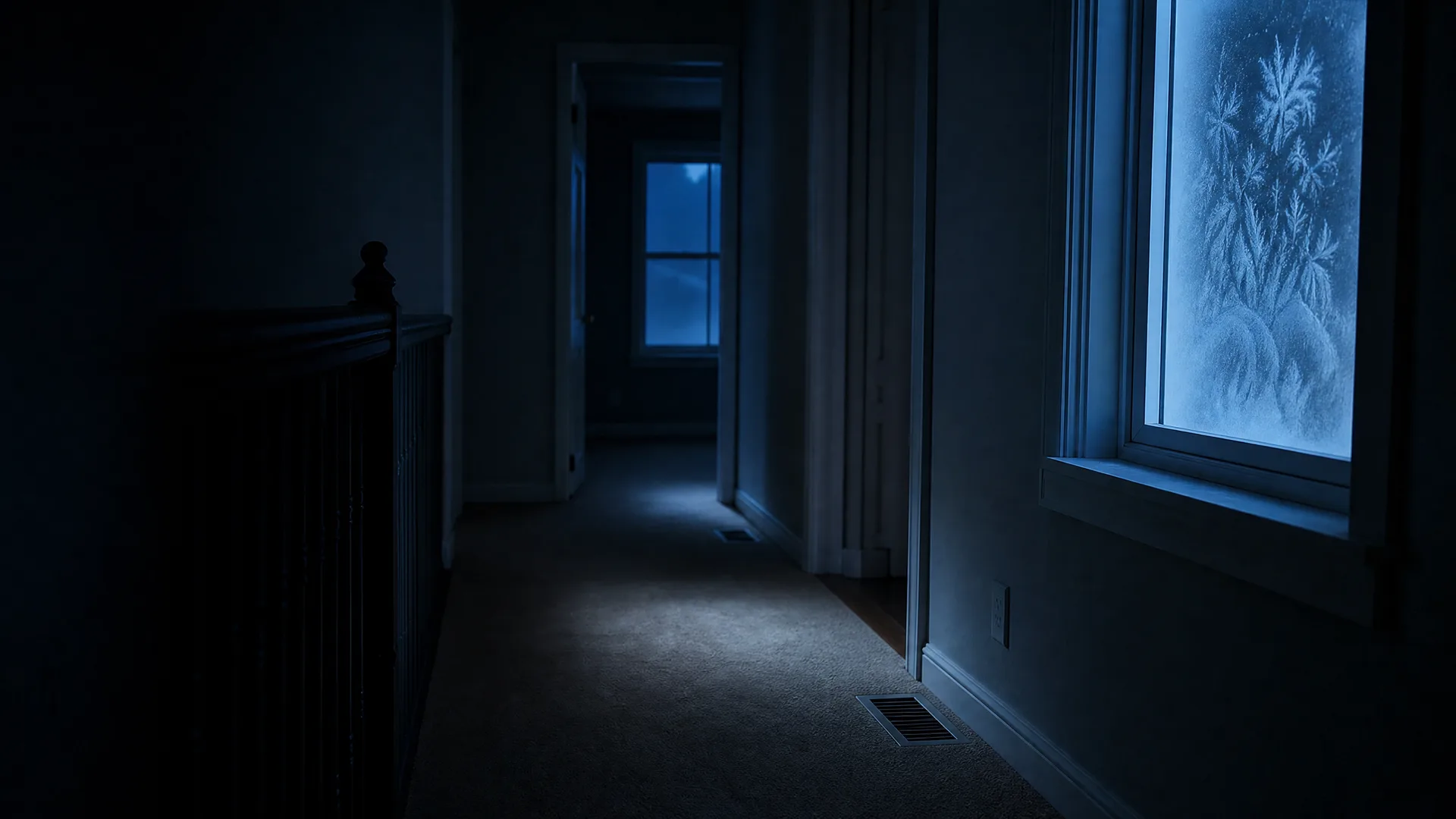
You wake up at two in the morning because something is missing, not because of something you heard. The vents are quiet. You lie there a second before you place it, then you get up and walk the hallway in sock feet, and the floor is colder than the hallway window, which has gone white with frost at the edges. Outside it's a January night in St. Joseph County, the kind where the furnace should be running every few minutes without you ever thinking about it. You put a hand near the vent anyway. Nothing moving. Down the hall, your kids' doors are shut, the house gone still in that particular way only the middle of winter can make a house go still.


A bang when the furnace starts almost always means delayed ignition. Gas builds in the burner compartment for a second or two longer than it should before the igniter finally lights it, and that small cloud of gas catches all at once instead of burning off smoothly. A screech points somewhere else entirely, usually the blower motor bearings or a belt on an older unit, worn enough to protest every time the blower spins up to push air through your ducts. Rattling is often simpler: a panel that's worked its screws loose, or a piece of ductwork flexing against a joist. The order matters here. If the noise comes right at startup, think ignition. If it rises and falls with the blower running, think motor. If it's steady and mechanical, think something physical knocking against something else. A contractor listens for exactly this sequence before opening the cabinet, because where the noise falls in the cycle tells them more than the sound itself.


Explain the furnace problem once instead of to every shop in St. Joseph County.
Asking costs nothing, and the choice to hire stays yours.
A furnace burner is supposed to light within about four seconds of the gas valve opening. Past that, gas has time to pool before it catches, and the bang gets louder each time it happens.
That delay doesn't fix itself. It wears on the igniter and the heat exchanger a little more each time the furnace cycles on, all winter long.
Those 20 degree nights are when a banging or screeching furnace gets tested hardest, running long stretches to keep up. A noise that's tolerable in October gets worse under that kind of load, right when you need the heat most.
NOAA nClimDiv 1991-2020
You keep the furnace running because the house is warm enough and nothing has shut off yet. The bang happens at startup, you hear it, and then the heat comes on like always. Screeching during a cycle is easy to tune out after the third or fourth time. Nobody has had to put on a coat indoors. That's the case for waiting: the furnace is still heating, and a repair call is one more thing to arrange during a week that's already full. If the noise hasn't changed and the house holds its temperature, some homeowners reasonably decide tonight isn't the night to deal with it.
The other side is what a delayed bang or a screeching belt bearing does over weeks of running, not what it does tonight. Each cycle that lights late stresses the same igniter and the same heat exchanger a little more. A belt that screeches is losing material every time it turns. None of that reverses itself, and a furnace that's been ignoring the warning for a month is closer to the night it quits than it was the first time you heard it. Getting a contractor out while the furnace still runs means a technician is choosing the repair, not the weather choosing it for you at 20 degrees and midnight.


You find a number, explain the bang or the screech, get a callback window, and start over with the next contractor if the first one can't come soon.
You describe the noise once. A contractor who takes St. Joseph County furnace repair gets in touch with you directly.





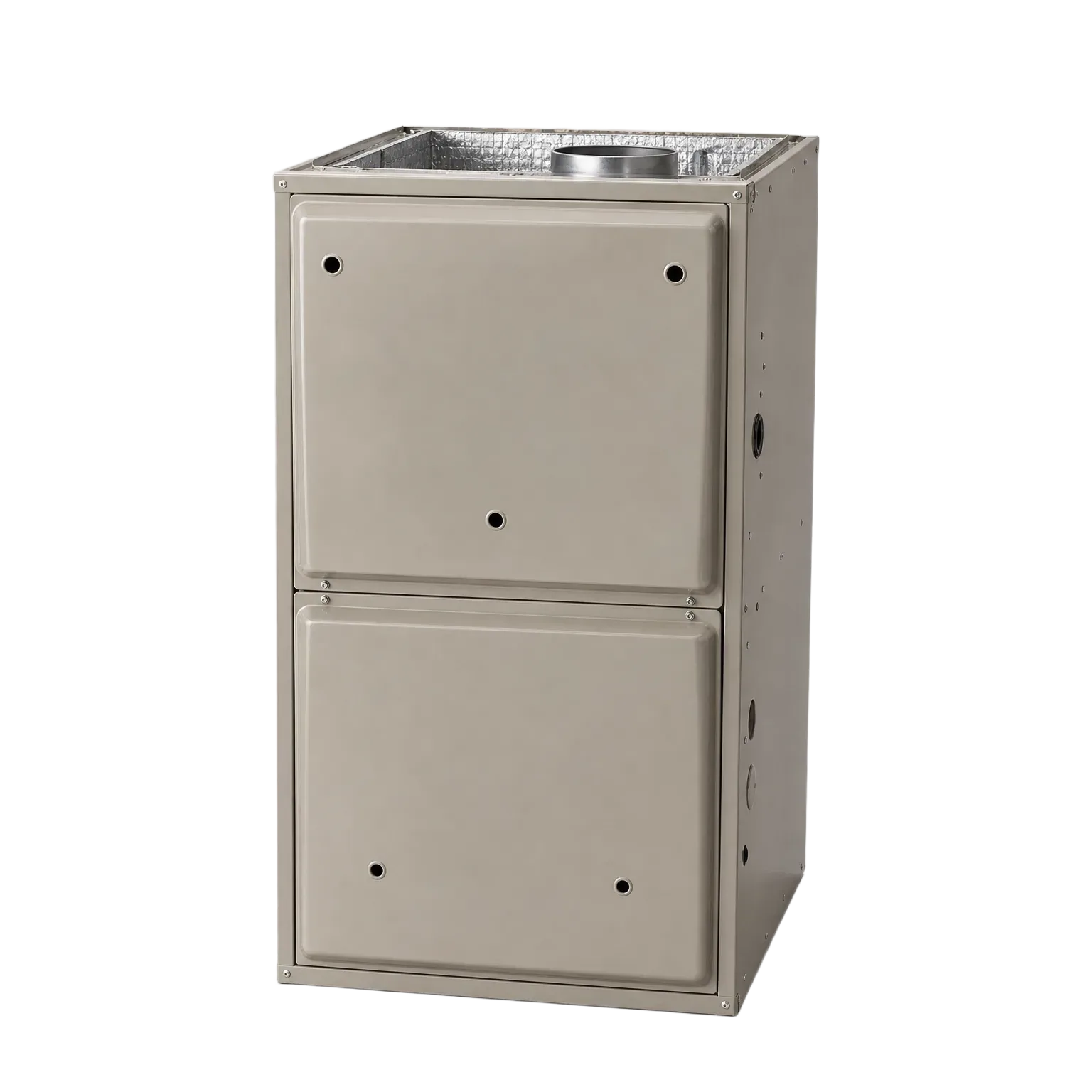
This is a furnace cycling the way it should. Air moves through the ductwork without a fight, the flue pipes carry exhaust out, and nothing in the burner compartment is announcing itself. You'd stand next to it and hear a hum, nothing more.

This is a furnace telling you something is wrong before it tells you it's broken. The galvanized ductwork and flue pipe are carrying the same air and exhaust as ever, but a bang, screech or rattle means something inside isn't lighting, spinning or sealing the way it used to.
Winter nights average 20°F
Overnight lows average 20°F here in December, January and February, and that's when a bang or screech tends to show up loudest, under the longest burner cycles.
Heat runs October through May
Heat runs here from October through May, about eight months of the year, so a furnace making noise now has a long stretch left to get worse before it gets a break.
81% of homes heat with gas
81% of homes in St. Joseph County heat with gas, and gas furnaces are exactly where that startup bang or screech during a cycle shows up.
NOAA nClimDiv 1991-2020 · ACS 2020-2024
Thermostat calls for heat and the gas valve opens.
Igniter glows and lights the gas within about four seconds.
Blower motor starts pushing air across the heat exchanger.
Flue pipe carries exhaust gases up and out of the house.

A bang at startup or a screech partway through a cycle both point to something specific inside the furnace, not a mystery. Delayed ignition, a dragging blower motor, a cracked heat exchanger rattling in its housing. Each of those has a part behind it, and a contractor who opens the cabinet will find it.
You don't have to figure out which one it is before you call. Describe the noise once, where it happens in the cycle and how long it's been going on, and a contractor who works on furnaces in St. Joseph County winters takes it from there. No calling around to three companies and repeating yourself each time, no sorting through quotes on your own. Just a contractor matched to what your furnace is doing, reaching out to you directly.

Get matched with a furnace pro in St. Joseph County