Starting up quiet
A furnace that lights right should sound like a low whoosh, then steady running. No bang, no thump, just the burners catching and the blower coming on a few seconds later. The flue pipe and gas line stay still while it runs.
You hear it right when the furnace kicks on, a bang or a thump from somewhere near the burners or the ductwork, loud enough to notice from another room. It's not subtle, and it's not happening every single cycle the same way, which makes it easy to wonder if it's getting worse. With Indiana winters asking a lot of the furnace, that noise on startup is worth paying attention to.
When a gas furnace bangs on startup, the usual reason is that gas has built up in the burner chamber before it catches, so instead of lighting smoothly it ignites all at once. That delay often comes from a dirty burner or an igniter that's weakening. The bang itself is that small, sudden gas ignition hitting the heat exchanger. In homes here running the furnace hard through the colder months, burners see a lot of cycles, and a part that's starting to fail tends to show it as sound before it shows it as a full breakdown. A bang on startup is worth having looked at before it happens on every cycle instead of some of them.
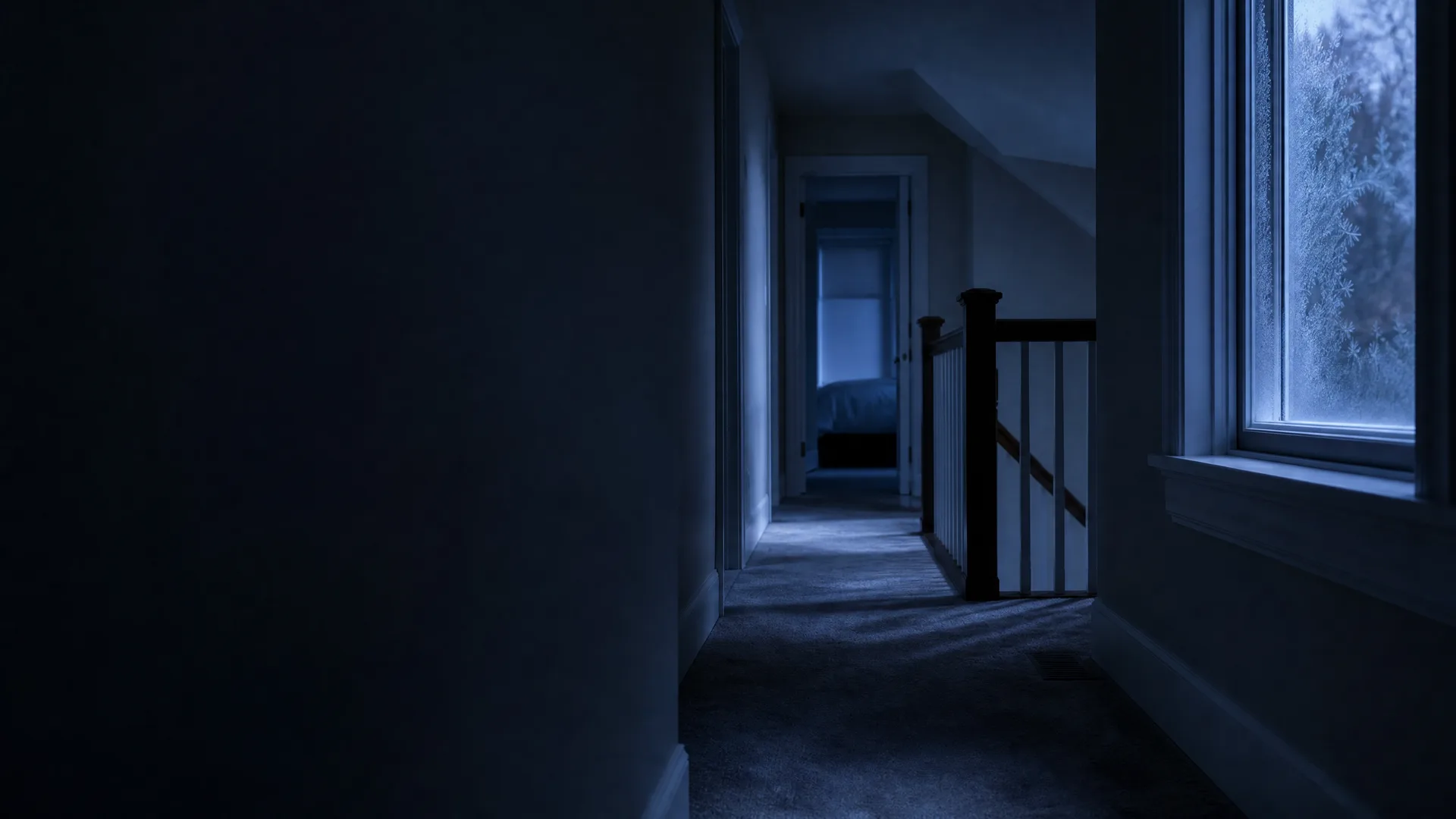
You wake up at two in the morning because the bang came up through the floor again. The hallway is cold, colder than it should be. You put a hand near the vent and feel nothing coming out. Frost has crept along the edges of the window at the end of the hall. Outside, it's the kind of January night Indiana gets a lot of, the kind where the furnace should be running every few minutes, not sitting quiet after that one loud thump. You stand there in the blue dark waiting to hear it kick back on. It doesn't.

Gas builds up in the burner chamber for a second before it lights, instead of catching right away. When it finally does light, that extra gas ignites all at once instead of in a steady ring of flame. That's the bang. The culprit is usually a dirty burner or an igniter that's weak and slow to fire, and either one is a job for someone who works on gas furnaces, not a DIY fix. A furnace in good shape lights clean, flame by flame, no delay.
A bang can also come from the ductwork itself, metal expanding as hot air hits it and popping as it moves. That one's usually not urgent. The gas delay kind is. A tech who's seen your model before knows which burner design it uses and where the igniter sits, and that's the difference between a quick fix and a few hours of guessing. Once you're matched with someone who works on your furnace specifically, you describe it once and they take it from there.


A furnace that lights right should sound like a low whoosh, then steady running. No bang, no thump, just the burners catching and the blower coming on a few seconds later. The flue pipe and gas line stay still while it runs.

This is the furnace that thumps when it fires. Gas is pooling before it lights instead of catching right away, and that delay is what you hear. Left alone, that small explosion happens at the burners every time the furnace starts, all winter.




Skip searching for a furnace pro and answer a few questions instead.
Tell a local repair pro what your furnace is doing.
It costs nothing to send, and you don't have to hire anyone.
You've probably started bracing for it. The furnace kicks on and you wait for the bang before you even register the hum of the blower. Maybe you've noticed it's louder on the coldest mornings, or that it's moved from a dull thump to something sharper that rattles the ductwork overhead. Somebody in the house has mentioned it, or you've caught yourself turning down the thermostat at night just to put it off one more cycle. Left alone, that delayed ignition is hitting the heat exchanger with more force than it was built for, and a cracked heat exchanger is a safety problem, not just a noisy one. It's worth getting looked at before the weather gets harder on it.

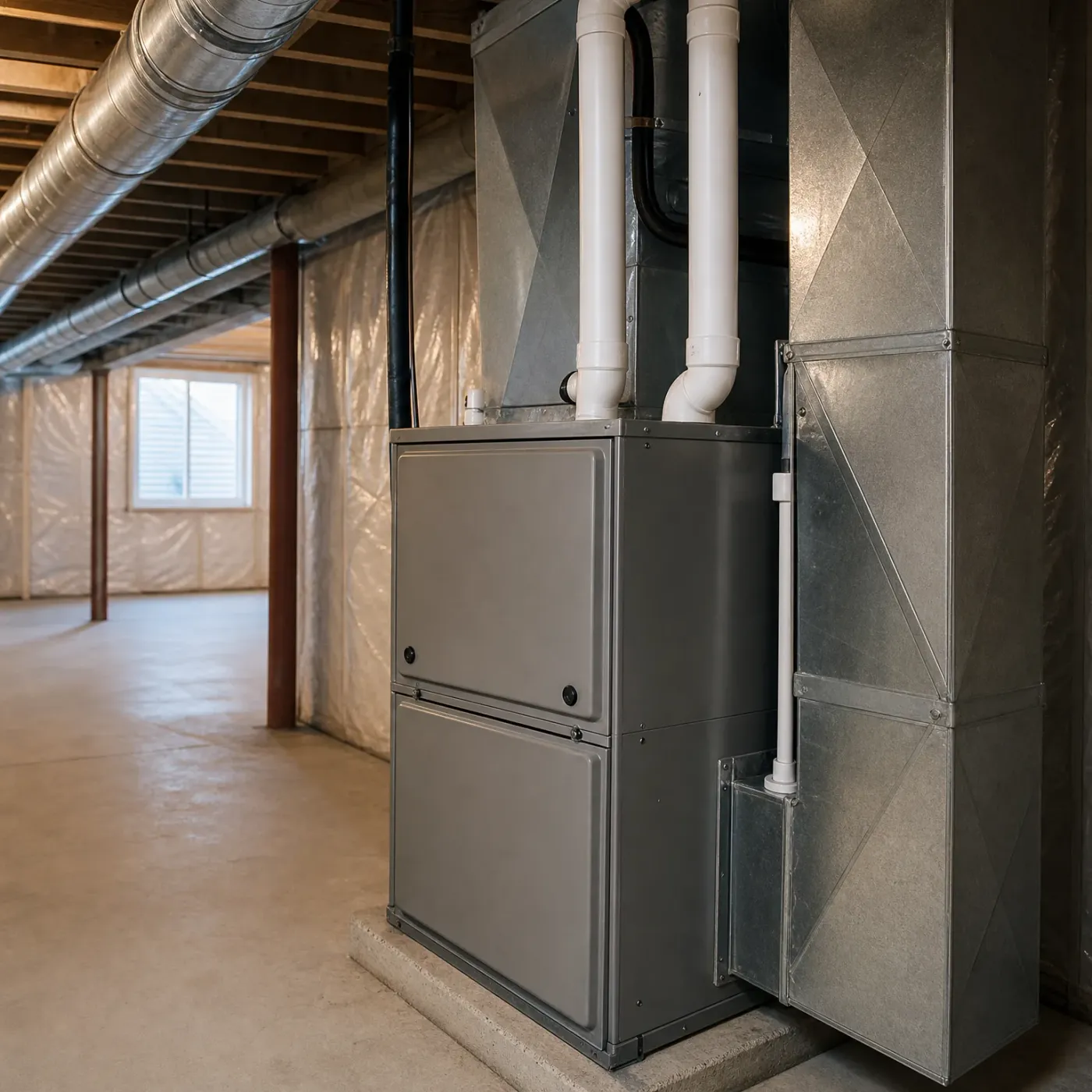
This is what a furnace looks like when nothing's wrong. The metal is clean, the duct connection is solid, and there's nothing to see or hear beyond the low whoosh of startup. It just runs, basement after basement, winter after winter.

Rust on the cabinet and plenum like this usually comes with age, and age is often where the banging starts. The metal around the burners has had years to expand and contract. A furnace that looks like this is worth having checked before the noise gets worse.


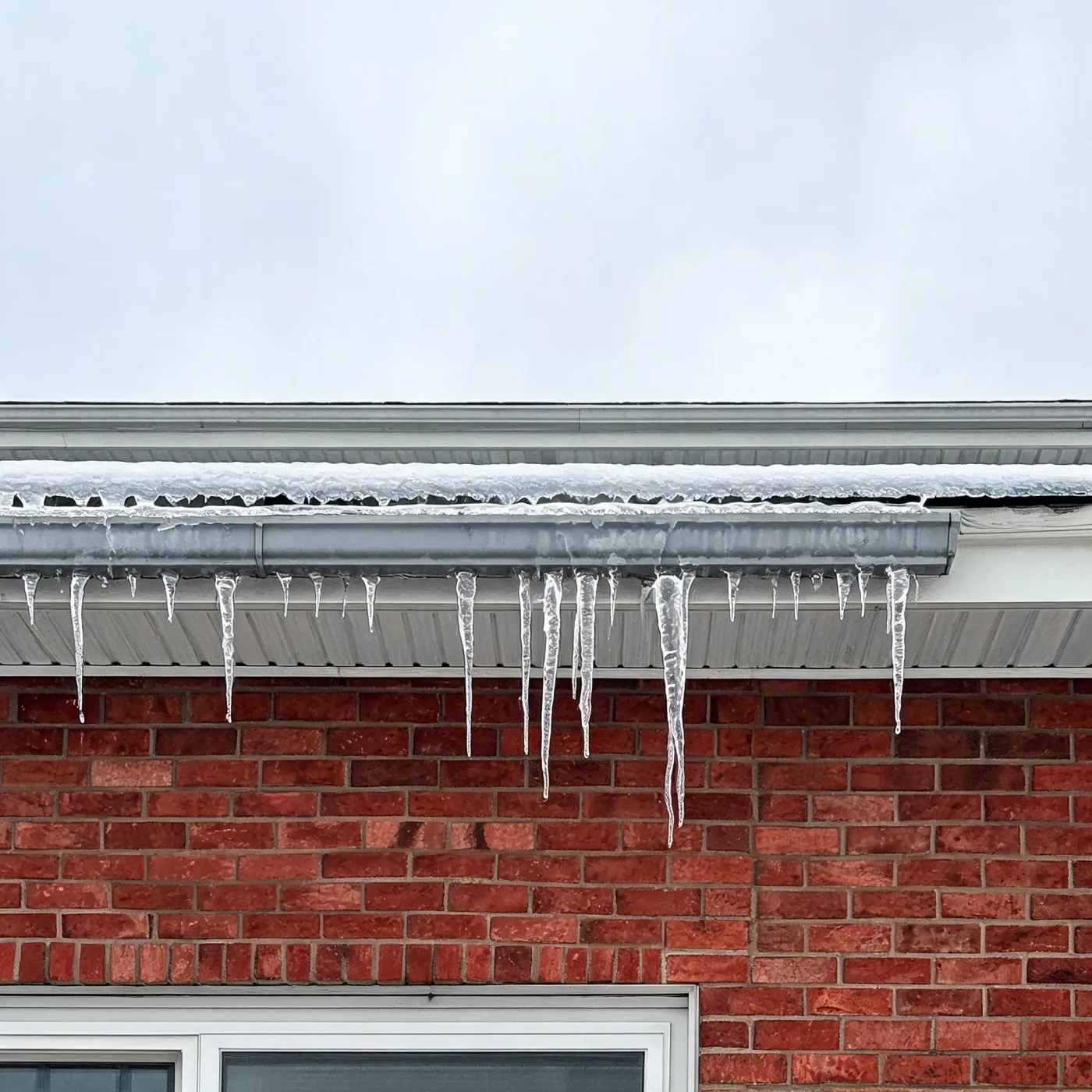
Statewide, winter nights average 22°F, and that's the stretch where a dirty burner or a cracked heat exchanger earns its bang. A furnace that fires maybe once an hour in October has to fire over and over on a night that cold, trying to keep up. Every one of those extra startups is another chance for gas to pool before it catches. If the noise has gotten more frequent since the cold set in, that's why. It's not your imagination, and it's not going to quiet down on its own once January settles in. Source: NOAA climate normals.
NOAA nClimDiv 1991-2020 county normals weighted by homes


A furnace lights off a spark or a hot surface igniter, and it has about four seconds to catch before the control board shuts the gas valve again. If the burners are dirty or the flame sensor is worn, that first spark can miss. The gas keeps flowing until the next attempt catches, and now there's more of it than the burner was built to light smoothly. It goes up all at once instead of spreading into a ring of flame. That one delayed cycle is what you hear as the bang, not a problem with the whole system firing wrong every time.
The heat exchanger is the metal chamber that holds the flame and keeps combustion gas separate from the air moving through your ducts. Metal expands as it heats and contracts as it cools, and it does that every single cycle, all winter. A hairline crack lets the piece flex more than it should when it heats up, and that movement makes its own noise on top of any delayed ignition. It's also the one cause here that isn't just loud. It's a path for combustion gas to reach the air headed into your rooms.
At 22°F, your furnace is running long stretches, not short bursts. Every extra cycle on a cold night is another chance for a delayed light to turn into a bang. A furnace that bangs at 40°F will bang harder, and more often, once it's running most of the night to keep up.
NOAA nClimDiv 1991-2020 county normals weighted by homes
The thermostat calls for heat and the control board starts its cycle.
The inducer motor spins up to clear the heat exchanger first.
The igniter glows or sparks to prepare for ignition.
Gas opens into the burner chamber in a steady stream.
A bang at startup means gas is lighting late, somewhere past the burners or down in the heat exchanger, and on a cold Indiana night that furnace is going to fire again and again until morning. That's the whole answer. What you don't know yet is whether it's dirty burners, a worn flame sensor, or a crack that's gone past the point of cleaning. Finding that out means someone looking at your furnace, not another night of guessing from the sound. You could spend an evening calling around, telling three different companies the same story about the bang and the cold hallway, then sitting with quotes that don't match up. Or you can skip that part. Answer a few questions about your furnace and your house, and a contractor who works on furnaces like yours in Indiana gets in touch with you. You've already done the listening. Let someone who knows what that bang means take it from here.

No charge to send it. You decide if you hire them.
A furnace that keeps banging through the winter isn't fixing itself between cycles. Getting it checked once beats explaining the noise to another contractor every time it comes back, especially on the nights it's coldest outside and the furnace is running most.