A quick burn-off smell
A newer furnace that's been sitting since spring will often smell like dust burning for the first few minutes after startup. It clears on its own once the burners have run a while. No odor after that, no problem.

That smell hit you when the furnace kicked on, probably the first cold snap after months of it sitting idle all through the muggy Indiana summer. You're not sure if it's the furnace itself or just dust burning off, and you want to know before you run it again overnight.
A furnace sitting unused since spring collects dust on the burners and heat exchanger. When it fires up for the first time that fall, that dust burns off and you get a faint smell for ten or fifteen minutes, then it clears. That part is normal in a gas furnace that's been off all summer. If the smell comes back every time it runs, gets stronger, or smells like plastic, metal or something electrical rather than dust, something inside is overheating. A cracked heat exchanger, a failing blower motor or a wiring problem can all cause that, and none of them clear up on their own. Shut the furnace off and have it looked at rather than waiting to see if it fades.

A newer furnace that's been sitting since spring will often smell like dust burning for the first few minutes after startup. It clears on its own once the burners have run a while. No odor after that, no problem.

An older furnace with dust built up on the burners or a cracked heat exchanger can keep smelling off well past startup. If the smell lingers, comes back, or smells sharp rather than dusty, shut it off and have it looked at.
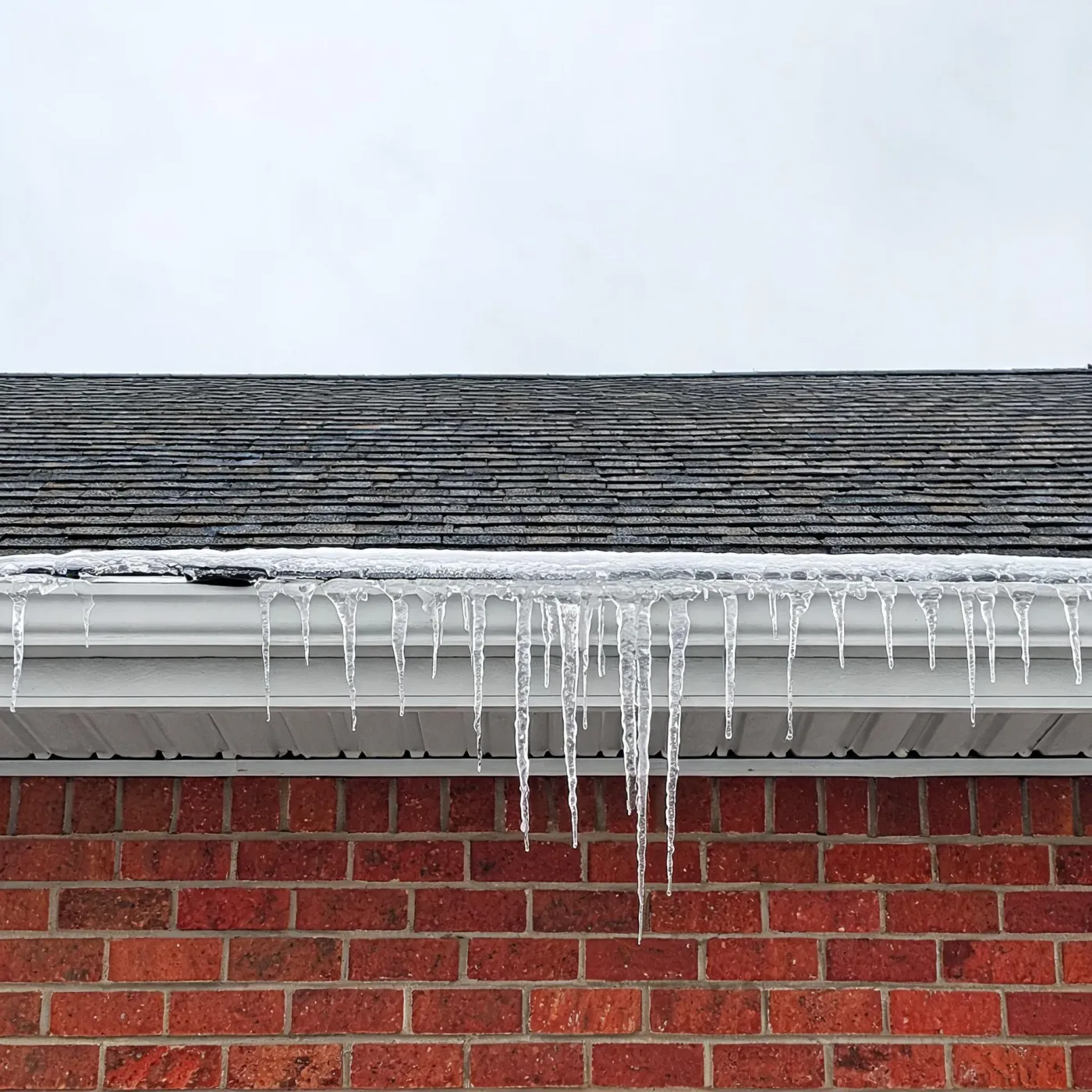
Winter nights average 22°F across Indiana, cold enough that your furnace is running for long stretches once the sun goes down, not just cycling on for a few minutes here and there. That kind of steady run time pushes more dust and trapped odors through the burners early in the season, and it also means any real problem, a crack in the heat exchanger, a dirty burner, wiring heating up where it shouldn't, has more hours to show itself. If the smell isn't gone within the first few minutes of a cold night, that's the furnace telling you something, not the house.
NOAA nClimDiv 1991-2020 county normals weighted by homes


Your furnace sat idle since spring, and everything inside the cabinet cooled down to match the basement or closet it's in. When the thermostat calls for heat, the gas valve opens and the burners light almost immediately. Within seconds the heat exchanger goes from room temperature to several hundred degrees. The blower doesn't start right away. It waits a short delay, usually under a minute, so it isn't pushing cold air through your ducts before the exchanger has had a chance to warm up. Once the blower does kick on, it's moving air across metal that's now hot enough to scorch whatever settled on it over the summer. Dust on the burners, dust on the exchanger itself, that's what you're smelling. It's the same reason a stove element smells when you turn it on after months of disuse. The smell should fade within a few minutes as the dust burns off and the surfaces reach full temperature, since there's nothing left to scorch once that first layer is gone. If the smell holds on past that point, something else is heating up that shouldn't be, wiring insulation, a motor bearing running hot, oil that's collected on the blower wheel. That's a different problem than a dusty startup, and it's worth knowing the difference before you run the system again.


A burning smell that won't quit is easy to explain once and hard to keep explaining. You'd have to call around Indiana, describe the smell to one contractor, get put on hold, call the next one, describe it again, then sit with two or three quotes trying to guess which one actually knows what they're looking at. That's hours you don't get back, and the furnace still smells the same at the end of it. Handing the problem off once means you say what's happening a single time, to a contractor who takes it from there. You already know this isn't the kind of smell to wait out through another cold night, especially with winter nights here sitting around 22°F and your furnace running long stretches to keep up. The sooner someone who knows gas furnaces gets a look at it, the sooner you stop smelling it every time the heat kicks on.
That first startup smell comes from dust that settled on the burners and heat exchanger over the summer. It's a dry, sharp smell, almost like a match just struck. You'll notice it mostly near the vents closest to the furnace. It fades fast because there's only so much dust sitting on those surfaces, and once it's burned off there's nothing left to smell. If it comes back strong every time the furnace cycles on, days or weeks later, that's not leftover dust anymore. Something else is heating up that shouldn't be.
A burning smell that doesn't fade points to something getting hot that isn't supposed to. Overheated wire insulation smells sharp and plasticky, almost like a burnt toaster cord. A failing blower motor can give off a hot electrical smell as it strains. Neither of these clears up on its own once the furnace has been running a few minutes, because the part causing it keeps running hot the whole time. That's the difference worth paying attention to: dust burns off and quits, a bad part just keeps smelling.


If that burning smell keeps coming back every time the furnace cycles on, something inside is staying hot enough to keep producing it, not just burning off and clearing out. That could be dust that never fully cleared, a cracked heat exchanger, or wiring under strain. None of those fix themselves by running the furnace more. The longer it goes, you're breathing whatever that smell is made of every time the blower pushes air through your house, and on a 22°F night in Indiana that blower is running long and often, not just a few minutes here and there.
A furnace that's already struggling to heat the house will work harder to make up for it, and a part that's overheating now is a part that can fail outright later, usually on one of the coldest nights of the year rather than a convenient one. Waiting also means living with the smell every time the heat kicks on, which in a house this cold at night is most of the evening. Having it looked at before the next cold stretch means you're not stuck choosing between a house that smells like burning and a house with no heat at all.
At 22°F, your furnace isn't cycling on for a few minutes and shutting off. It's running long stretches to keep up, and that means more time for a lingering smell to show it's more than just startup dust.
NOAA nClimDiv 1991-2020 county normals weighted by homes
A burning smell that clears in a few minutes is dust doing what dust does every fall. A burning smell that sticks around, or comes back every time the furnace cycles, is telling you something inside is staying hotter than it should. That's the line that matters here. You already know not to let a small problem sit until it's a cold house and a bigger repair, and this is one of those calls worth making before the next hard freeze, not after. Getting there is the part that wears people down: finding a contractor in Indiana who's free, explaining the smell and when it happens, waiting on a callback, then doing it again with the next name on the list. You'd end up repeating yourself three or four times before anyone even looks at the furnace. Skip that part. One description, matched to one contractor who takes it from there, and you're not the one chasing it down anymore.





Explain the job once and skip repeating it on every call.
No fee to send it, and nothing to sign.