After an hour, it should be gone
If the smell is still there after the furnace has run a while, that points to something other than dust burn-off, and a tech should check it before you run the furnace again.
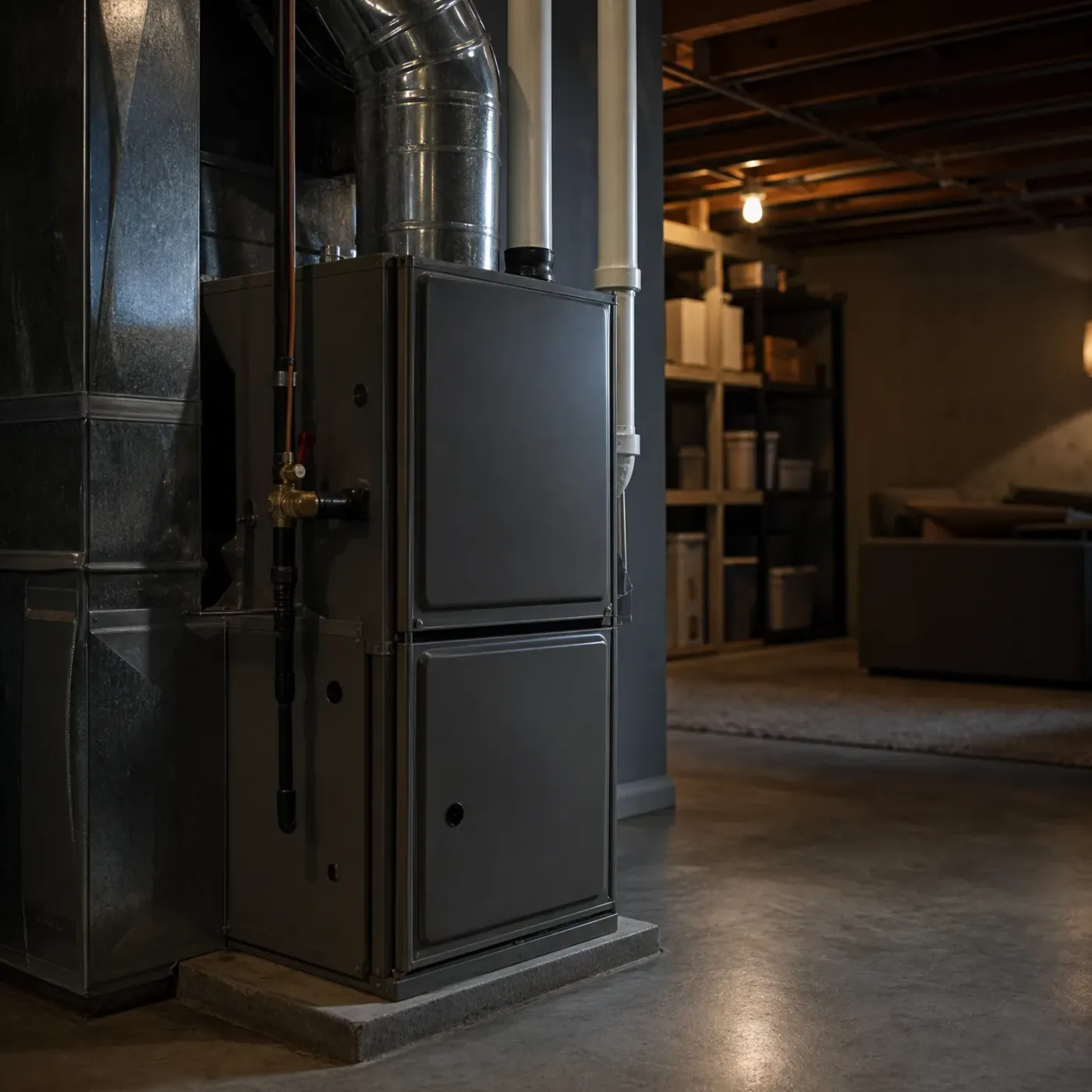
A furnace pro near you
A burning smell from your furnace could mean dust burning off after the first cold snap, or it could mean something electrical that needs a tech to look at now. This page walks through what each smell usually points to and what to check before you shut the system down. Get matched with a contractor near Elkhart who can take a look, instead of calling around to find one yourself.
Get my matchA burning smell when you first run the furnace this winter is usually dust and lint burning off the heat exchanger and burners, and it clears up within an hour or two. That happens every year the first time the furnace fires after sitting idle since spring. A sharper smell, like hot metal or burning plastic, is different. That can mean a motor bearing running dry, a cracked belt (if your furnace has one), or wiring insulation overheating near the blower. A smell like gunpowder or a struck match right when the furnace kicks on points to the igniter or the burners themselves. If the smell is faint and fades fast, give it a little time. If it lingers past the first couple of heating cycles, smells electrical, or comes with any smoke, shut the furnace off at the switch or breaker and have someone look at it before you run it again.




If the smell is still there after the furnace has run a while, that points to something other than dust burn-off, and a tech should check it before you run the furnace again.
That smell points to a wiring or motor problem, not dust. Shut the furnace off at the switch and have a tech look at it before turning it back on.
A plain dusty smell that fades within an hour, with nothing else going on, is the furnace clearing itself off. What should give you pause is different. A sharp plastic or electrical smell means a wire or a part is overheating, and running the furnace again before a tech looks at it risks that part failing or starting a fire inside the unit. A smell that keeps coming back every time the furnace cycles, instead of fading after that first run, isn't dust anymore. If you notice soot near the vents, a yellow flame instead of blue, or the smell comes with a headache, shut the furnace off and have it looked at before you use it again.
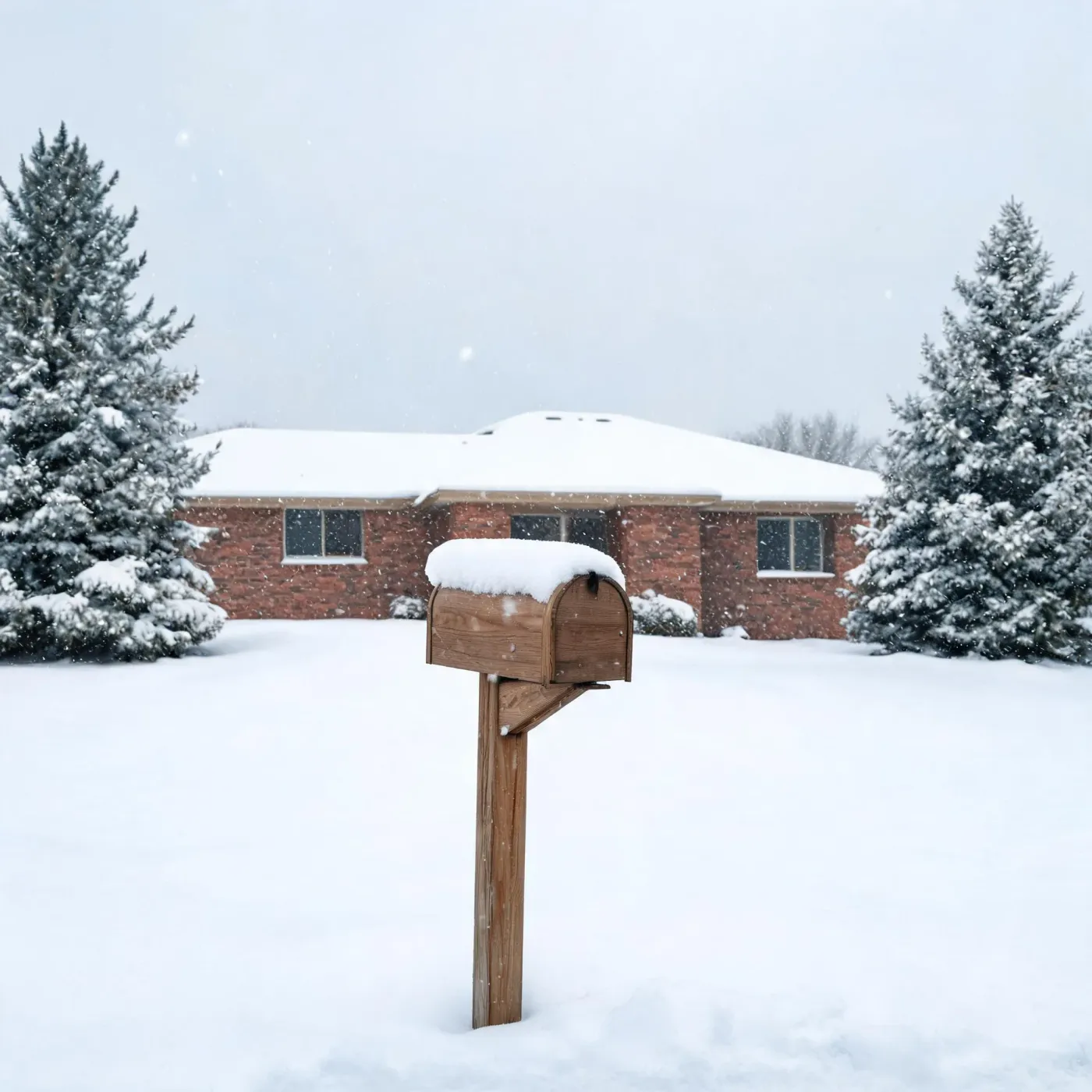
Elkhart County winter nights average 20°F through December, January and February, so your furnace is firing often, sometimes running most of the night to keep up. That kind of steady runtime is exactly when a burning smell tends to show up, since the burners and heat exchanger are working harder and longer than they did in fall. If the smell lingers past that first hour, you're not going to want to spend a cold night calling around to find someone free to look at it, explaining the smell over and over to different shops, or sorting through quotes before anyone shows up. Getting matched with a contractor who already knows the situation means one call instead of several, and someone reaching out to you instead of the other way around.
NOAA nClimDiv 1991-2020
A dusty smell that fades is one thing. One that lingers, or turns sharp and electrical, is a different problem, and by then you're not in a spot to wait and see. You could shut the furnace down, start calling around Elkhart for someone who can look at it, explain what you smelled and when, get a quote, maybe call a second place to compare, all while the house gets colder. Or you could skip that and have a contractor who works on furnaces in Elkhart County reach out to you directly. You still decide what happens next and there's no cost or obligation to find out what they'd charge. With nights running near 20°F most of the winter here, a furnace that's not safe to run isn't something to sit on. Get matched with someone who can tell you, plainly, whether what you're smelling is normal or not.
A burning smell the first time you run the furnace this winter is almost always dust on the heat exchanger and burners, and it's gone within an hour or two. No other sign goes with it. That's the furnace clearing off what settled on it since last spring, and it needs nothing from you.
A smell that sticks around longer than that, or shows up after the furnace has already been running a while, is telling you something different is going on. Dust burns off once and stops. A part that's overheating keeps smelling for as long as it runs. A sharp, plastic or electrical smell falls in this second group right away, no matter how long it's been going. That smell means a wire or a component is heating up past where it should, and running the furnace longer doesn't help it. It makes it worse.
Elkhart County winters mean long stretches where the furnace is on for most of the night, night after night, to keep up with cold in the 20s. That steady runtime is exactly when a problem part tends to make itself known, since it's under load for hours instead of minutes. If what you're smelling doesn't match the dust pattern, the furnace should get shut down and checked before it runs again. If it does match, the wait is already almost over. Knowing which one you've got is really the whole question here, and it decides what you do next.


Get the right pro for your furnace
Explain the furnace problem once instead of to every shop in Elkhart County.
