
A new high-efficiency furnace, draining as it should
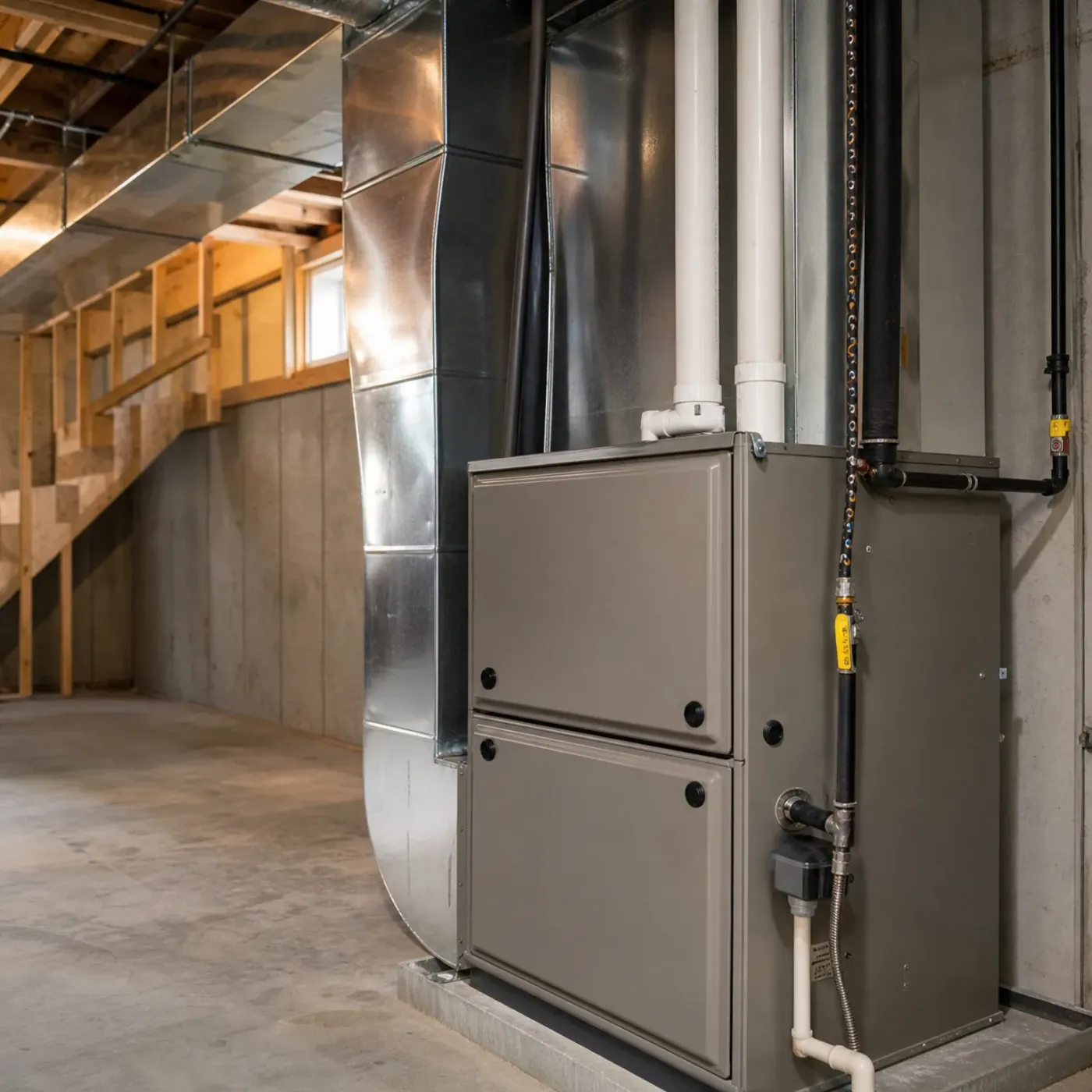
This kind of furnace runs PVC pipe out to carry off the condensate it makes. When that line stays clear, the water goes where it's supposed to, down the drain, not onto your floor.
Water under the furnace means something's wrong, whether it's condensate or something worse. In Elkhart winters, that's not a problem to sit on. Furnaces here run hard from the cold months on, and a leak that gets ignored can mean no heat at all on a night you need it most. You don't need to know yet if it's a cracked heat exchanger, a clogged condensate line, or a drain pump that quit. What you need is someone who sees this exact issue every winter in this area and knows what to check first. Tell us what's going on with your furnace and where you're located near Elkhart, and you'll be matched with a licensed local contractor who takes on jobs like this one. Just the one contractor, reaching out to you directly, not a handful of companies competing for your call. That's someone who already knows what tends to fail on furnaces around here and how to find it fast.
Water under a furnace almost always comes from the condensate line or the heat exchanger. If your furnace is a high-efficiency model, the kind with a PVC pipe running out the side of the house, it produces condensation as it runs, and that water drains out through a trap and a hose. That hose clogs easily, with algae or just dirt, and when it does, the water backs up and spills out onto the floor instead. A cracked trap or a pump that's stopped working can do the same thing. If the water is showing up on the floor around an older furnace without that PVC pipe, the cause is usually worse: a cracked heat exchanger letting moisture condense somewhere it shouldn't. With your furnace running steadily through an Elkhart winter, a clogged line can fill up fast, and some furnaces shut themselves off when that happens, leaving you without heat until it's cleared.

This kind of furnace runs PVC pipe out to carry off the condensate it makes. When that line stays clear, the water goes where it's supposed to, down the drain, not onto your floor.

Older units like this one often run copper gas lines and plain metal duct, no PVC in sight. Dust builds up, a seal dries out, and water can start showing up underneath it with no warning.
Winter nights average 20°F
Overnight lows average 20°F through December, January and February, so a furnace that quits over a leak has to be fixed fast, not scheduled around.
Heat runs October through May
Heat runs from October through May here, about eight months of the year, which means that condensate line is draining almost constantly and has more chances to clog.
80.6% of homes heat with gas
Gas heats 80.6% of homes in Elkhart County, and gas furnaces are exactly the kind that produce condensate in the first place.
NOAA nClimDiv 1991-2020 · ACS 2020-2024
The condensate line runs downhill from the furnace to a drain, and it's narrow enough that algae and sediment build up inside it over time. Once that buildup blocks the pipe, water backs up with nowhere to go but out through the furnace cabinet. Some furnaces have a condensate pump instead of a gravity drain, and that pump can fail the same way a sump pump does, by burning out or jamming. Either way, the result lands on your floor instead of in the drain. A contractor can flush the line or replace the pump, but finding which one failed comes first.
The heat exchanger is the sealed chamber that separates burning gas from the air your furnace blows through the house. Water showing up near it usually means a crack has let condensation pool where it shouldn't, and in some cases it means combustion gases are escaping the same way. That's a different repair than a clogged line, and not one to wait on. A furnace with a cracked heat exchanger needs to stay off until a contractor who works on this equipment all winter has looked at it, because running it that way puts more than your heat at risk.




A licensed pro who works in Elkhart County gets your request.
Your request goes to an Elkhart County pro who takes furnace jobs.
You're not committing to anything by asking.
A puddle on the floor near the cabinet. A damp patch on the carpet or a ring of rust forming on the base of the unit. Sometimes it's a drip you can hear before you see anything, water hitting the floor or a nearby pan on a steady beat. If the furnace sits near drywall or framing, a leak that's gone on for a while can leave the wall soft or discolored at the bottom. A musty smell in that part of the house is often the first sign, showing up before any water does. None of this fixes itself, and left alone it can mean a damaged floor, mold started in a spot you can't see, or a furnace that shuts itself down over something that started small.
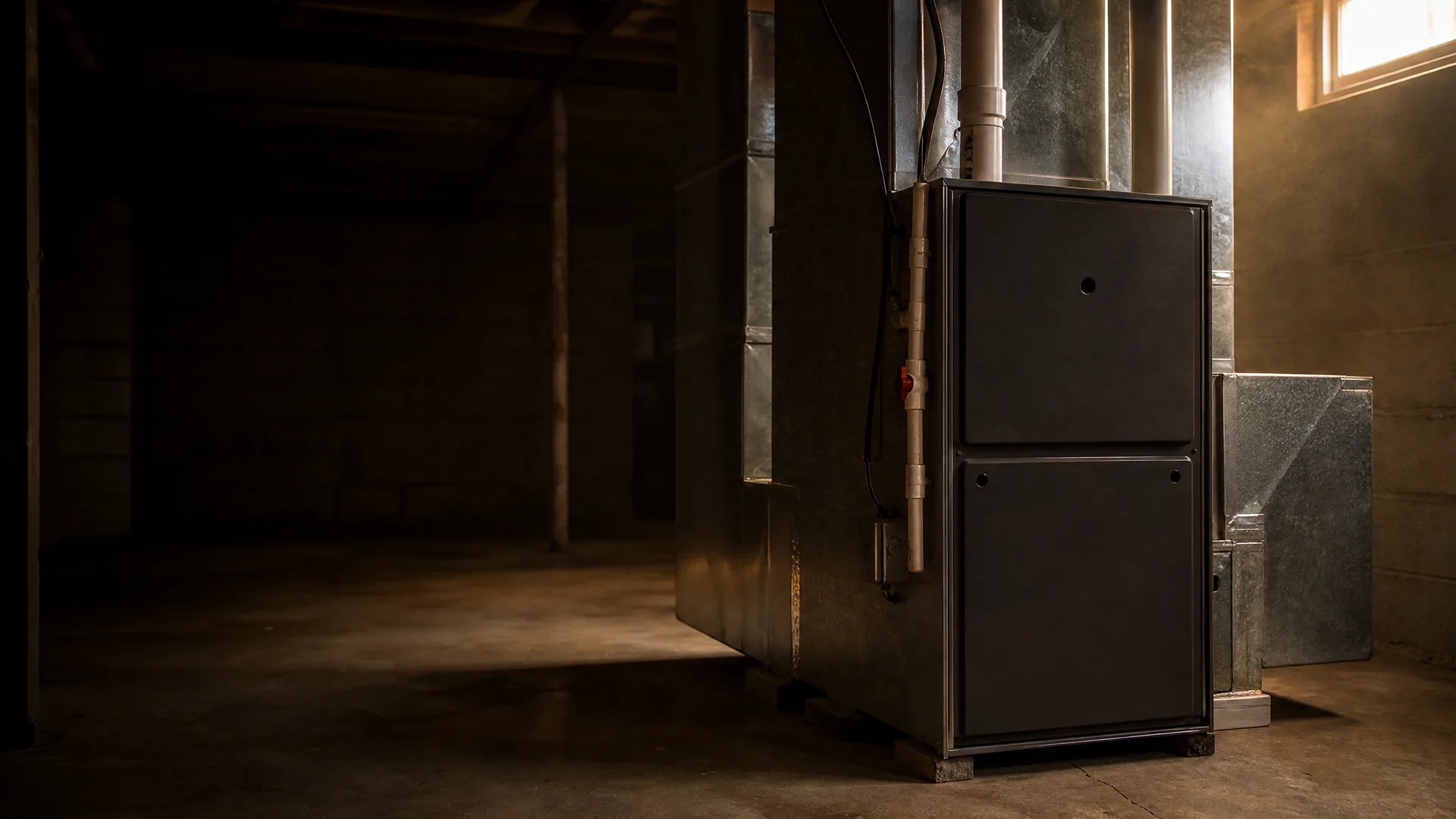
The basement is cold enough that you keep your coat on. It's past six, dark outside already, and the furnace sits quiet against the wall when it should be running. You crouch down and feel the floor near the cabinet before you see it, a damp patch spreading toward the drain, a thin skin of dust floating where the blower used to push air. No hum, no warm air from the vent upstairs. Just the drip, slow and even, somewhere behind the access panel. November in Elkhart doesn't give you time to think it over. You stand back up, pull out your phone, and call someone before the house gets any colder.

Whether it's a clogged condensate line or a cracked heat exchanger, the water is telling you something specific is wrong, not that the whole furnace is done. A clogged line gets cleared. A cracked exchanger gets the furnace shut down and replaced before it runs again. Either way, the furnace stays off until someone who knows what they're looking at has been underneath the cabinet.
A contractor local to Elkhart who works on furnaces all winter has seen this particular puddle before and knows which of the two it usually is by the time they're kneeling down next to it. Once you request service, you're matched with one contractor who takes on your furnace specifically, not a handful of companies competing for the job. They'll reach out, look at what's actually happening under your unit, and tell you straight whether it's a clear or a cold night ahead.

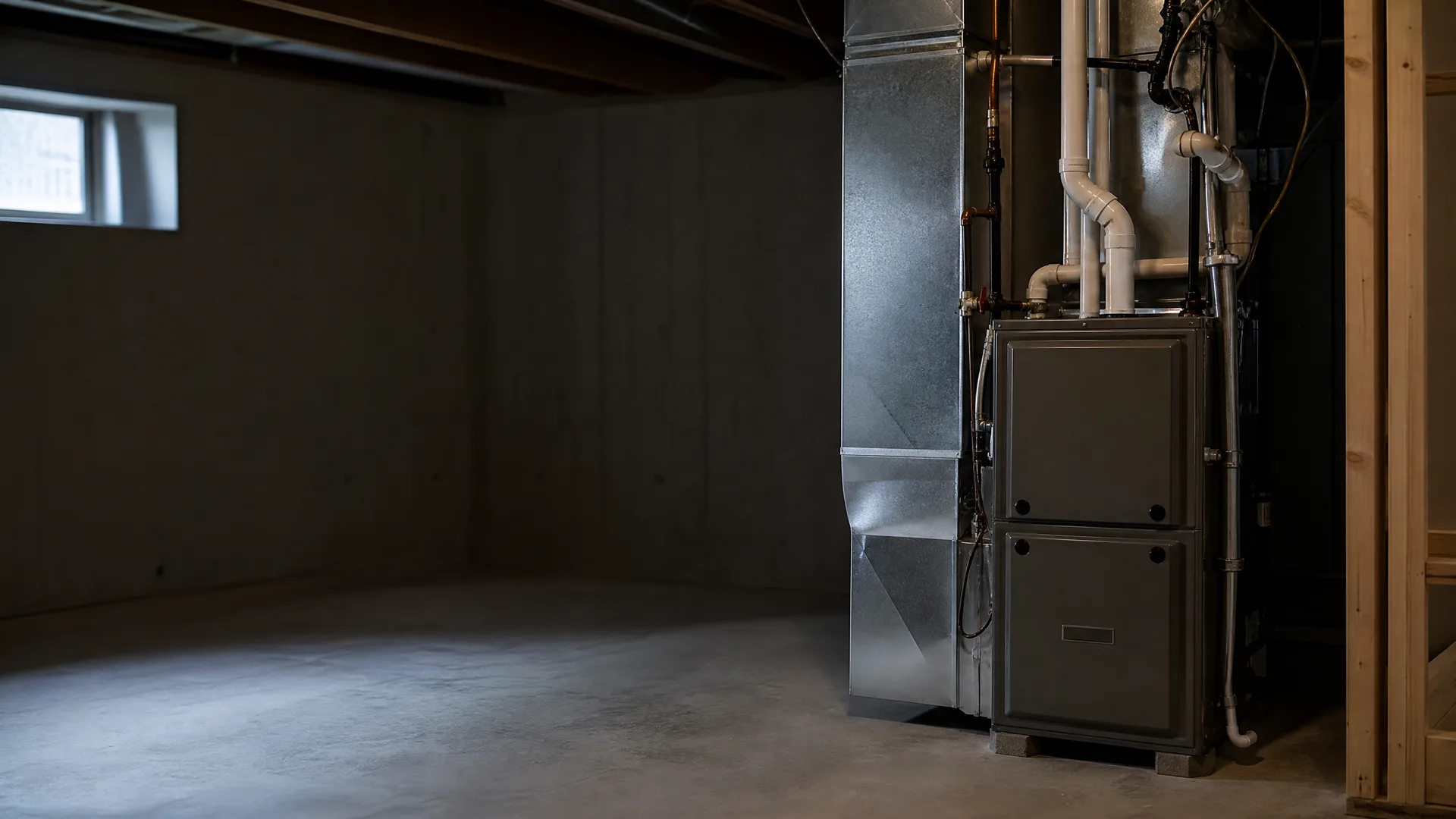
A licensed pro who repairs furnaces in Elkhart County gets your request.