




Three lit brick homes on a tree-lined residential street photographed at dusk.

Furnace Repair in Terre Haute, IN

Tell us about the job

Takes about a minute. No obligation.

RepairFurnace or heatingVigo County, IN
Step 1 of 2

What ZIP code is the job in?

September is the month to get a furnace looked at here, right before it starts working for the winter. Furnaces run from October through April in Vigo County, about seven months straight. A weak igniter or a failing flame sensor usually holds on fine while the system sits idle, then quits in the first cold week when it has to run for real. That's why repair calls cluster right when heat turns on. If yours was already acting up last spring, before it shut off for the summer, that same problem is still there waiting.

7 months
October through April, your furnace is on duty
23°F
the average winter night it heats against
5 winter storms
in ten years, the nights a failure hurts most
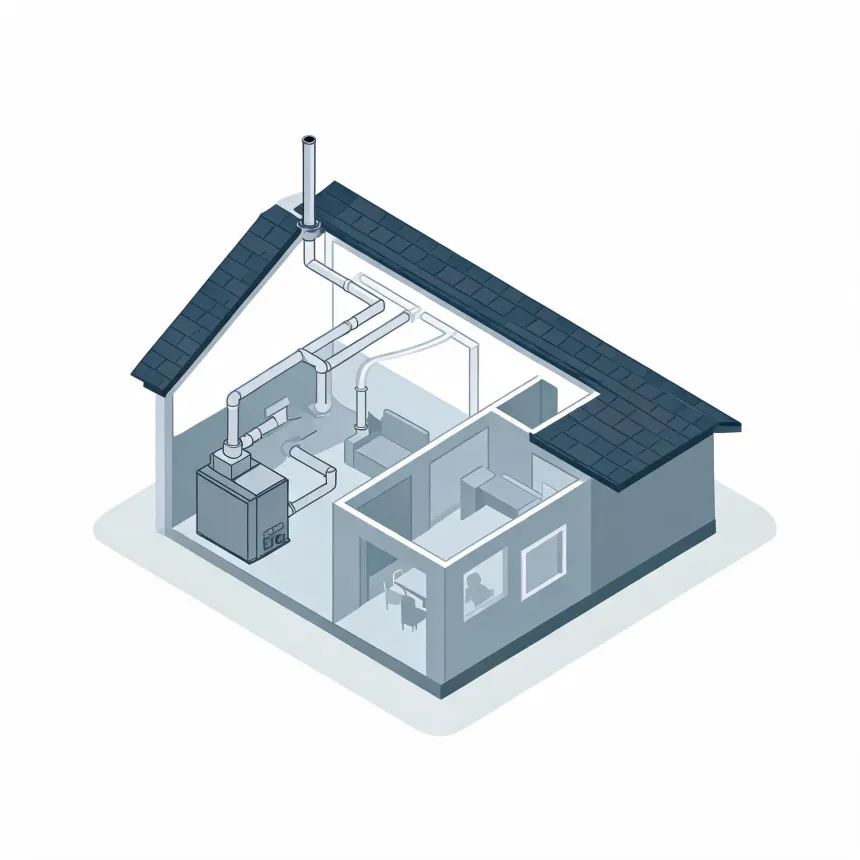
Isometric cutaway illustration of a single-story house showing interior rooms, a furnace unit with connected ductwork, and a flue pipe extending through the dark shingled roof.
Your furnace works hardest from November through March.

NOAA nClimDiv, 1991–2020 normals

A repair fixes the part that failed, not the one that's next in line.

If more than one part is wearing out at the same time, a repair just buys you a shorter wait for the next breakdown.

Electricity here runs $43.28 per million Btu, and a furnace running wrong burns more of it all winter

Heat runs October through April
Winter nights average 23°F
Climate zone 4A

Half the homes in Vigo County were built in 1968 or earlier. If your furnace is the original one, or close to it, age might be the real problem, not whatever part just failed. A furnace pushing past its expected life tends to need repairs more often as it nears the end. Before you pay for a major repair, it's worth asking the contractor straight how many years this furnace has left, realistically. That answer should factor into whether the repair is worth it.

A furnace running wrong costs you every month it stays that way

A furnace that's struggling still burns gas and electricity trying to keep up, and at $43.28 per million Btu, that adds up all winter. Get the actual cause diagnosed now, before another winter of running wrong goes on your bill.

Find a contractor
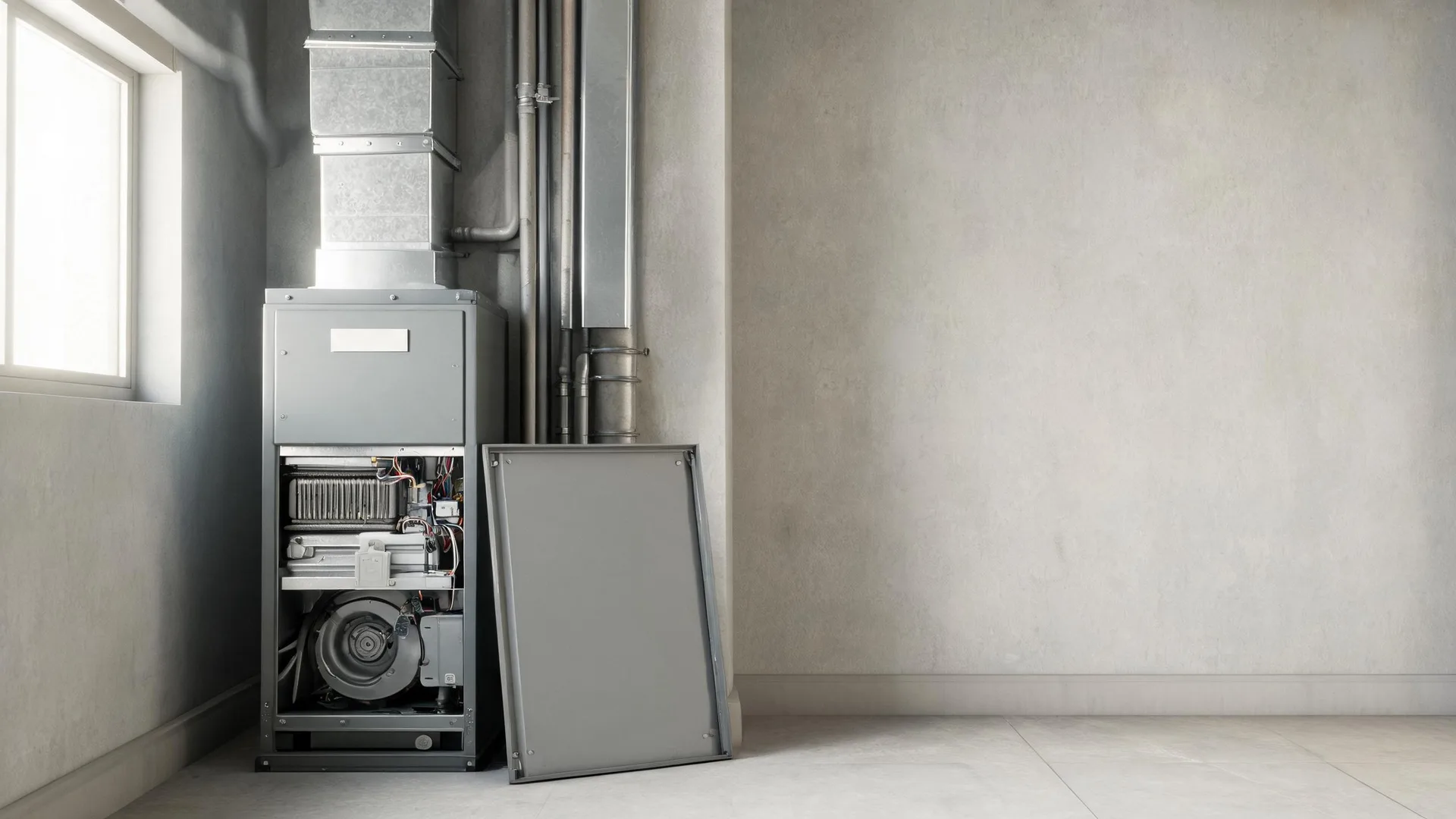
A gray gas furnace with attached ductwork and piping installed in an unfinished concrete basement.

Every hour on this clip, it's already done thousands of times over

This time-lapse is one furnace, one house, running day into night. Multiply that by however many winters a furnace actually lasts and you get a sense of what's already been asked of a unit that came with a house built in 1968 or earlier. An old furnace doesn't fail all at once. It fails a part at a time, and each repair is a bet on how many more are coming. That's the bet worth asking about before you place it.

A cracked heat exchanger gets worse with every cycle

A small crack in the heat exchanger flexes a little more each time the burner fires and the metal heats up, then cools when the cycle ends. Running the furnace through that keeps widening it instead of leaving it alone.
A dirty flame sensor turns into a dead furnace

A flame sensor coated in residue starts by making the furnace shut off a few seconds after it fires. Keep running it that way and the sensor keeps losing its read on the flame until the furnace stops lighting at all.

Most furnace breakdowns trace back to a handful of parts, and they tend to fail the same way every time. The igniter glows hot every cycle for years until the hairline cracks finally break it apart. The flame sensor builds up a film from normal combustion until it can't tell the control board a flame is lit, so the board shuts the gas off as a safety measure. The draft inducer motor wears out its bearings from spinning every single cycle, and you'll hear it before it quits, usually a grinding or rattling sound on startup. Blower motors go the same way, through bearing wear, and a failing one shows up as weak airflow or a burning smell before it stops moving air altogether. None of these parts fail because of one bad day. They fail because they've been asked to do the same job thousands of times, and eventually one of them doesn't do it anymore.

A diagnostic visit starts with watching the furnace try to do its job. A tech sets the thermostat to call for heat and watches what happens next. Does the inducer motor kick on. Does the igniter glow. Does the burner light. Does the blower push air. Wherever that chain stops is where the problem lives. A flame sensor gets pulled and checked for a clean signal, or cleaned if it's coated. An igniter gets checked for a solid circuit, since a hairline crack can look fine and still fail. A heat exchanger that might be cracked gets checked with a camera or a combustion analyzer, because you often can't see the crack by looking. The visit isn't just about naming the part that already quit. It's about catching the other parts that are close behind it.