Thermostat set to Fan instead of Auto
If the fan switch is set to On, the blower runs nonstop, even when the burners aren't firing. Switching it to Auto often stops the cold air right away.

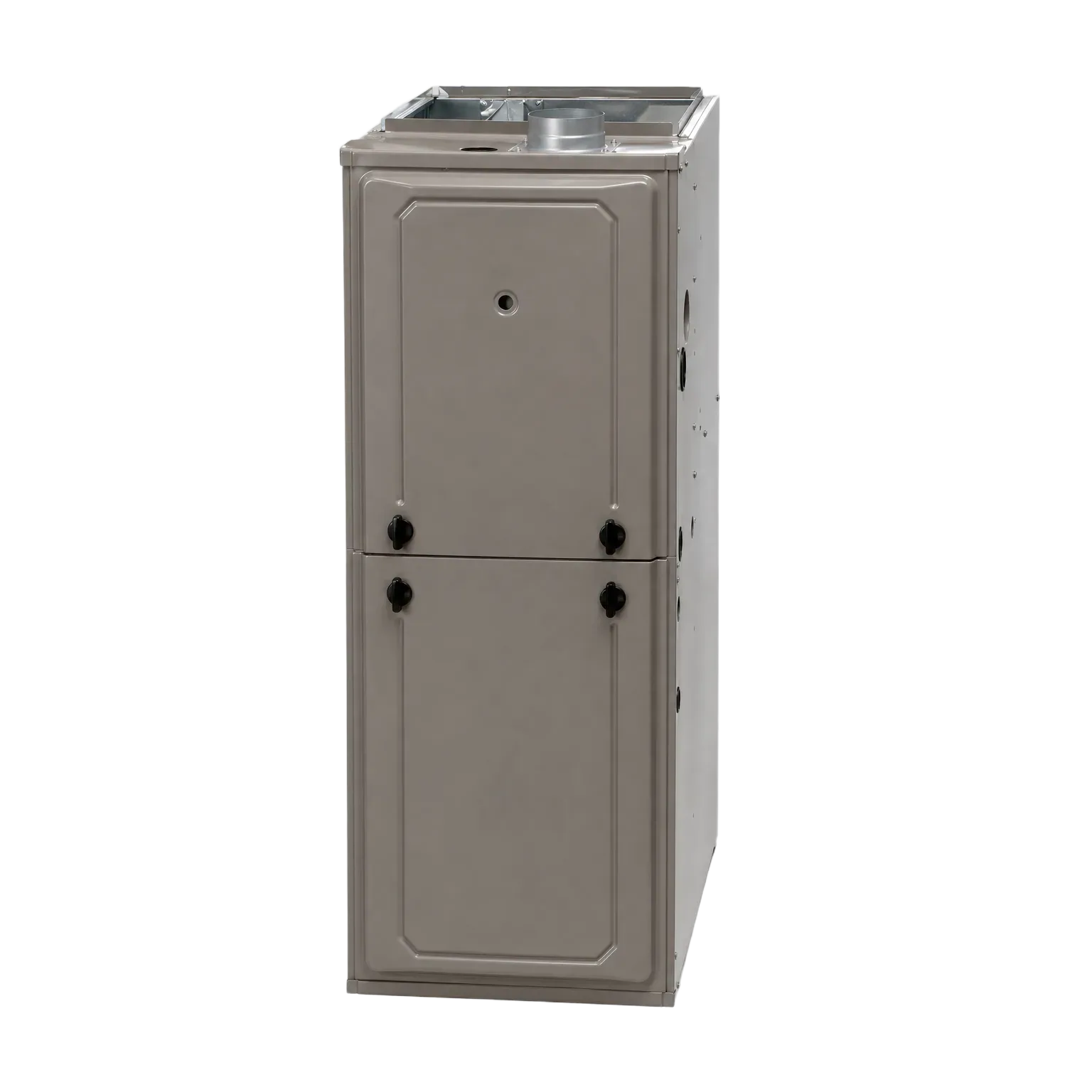
Cold air from your vents usually means the furnace is not igniting at all, and the blower is just pushing room-temperature air through the house. The most common cause is a bad igniter or a flame sensor that has built up a film and can no longer tell the burners are lit, so the system shuts the gas off as a safety measure but leaves the fan running. A dirty filter or a closed vent can cause something similar by cutting off airflow until the heat exchanger overheats and cuts out early. Sometimes it is simpler than that: the thermostat fan setting is on "on" instead of "auto", which runs the blower nonstop even between heating cycles. With winters here getting genuinely cold, a furnace that cannot sustain a flame needs attention before the next hard freeze, not after.




If the fan switch is set to On, the blower runs nonstop, even when the burners aren't firing. Switching it to Auto often stops the cold air right away.
Both parts sit in the flame path every time the furnace runs. A cracked igniter or a sensor coated in film is a common reason the burners won't light this time of year.
Winter nights average 23°F
Winter nights here average 23°F. A furnace blowing cold air at that temperature drops a house fast, not slow.
Heat runs October through April
Heat runs here from October through April, about seven months. A furnace that won't ignite is a problem for most of the year, not a season.
48.1% of homes heat with electricity
48.1% of homes in Vigo County heat with electricity, more than any other fuel. If yours is one of them, an electric furnace fault is what's keeping the air cold.
NOAA nClimDiv 1991-2020 · ACS 2020-2024


A gas furnace does not just light and heat. It runs through a checklist every time the thermostat calls for heat, and each step has to clear before the next one starts. The inducer motor spins up first and has to prove it's venting exhaust, which a pressure switch confirms. Only then does the igniter get power, and it has to reach a certain temperature before the control board will read current through it. That reading is what opens the gas valve. Once gas is burning, a flame sensor has to detect it within a few seconds or the board shuts the valve back down and locks out the burners. The blower motor has nothing to do with any of this. It runs on its own schedule, so when the sequence stalls at the igniter, the sensor, or the pressure switch, the fan keeps pushing air through the vents anyway. That's why the house gets a draft instead of silence, and why the failure can show up on the coldest night without any warning beforehand.


A licensed pro who repairs furnaces in Vigo County gets your request.
It costs nothing to send, and you don't have to hire anyone.
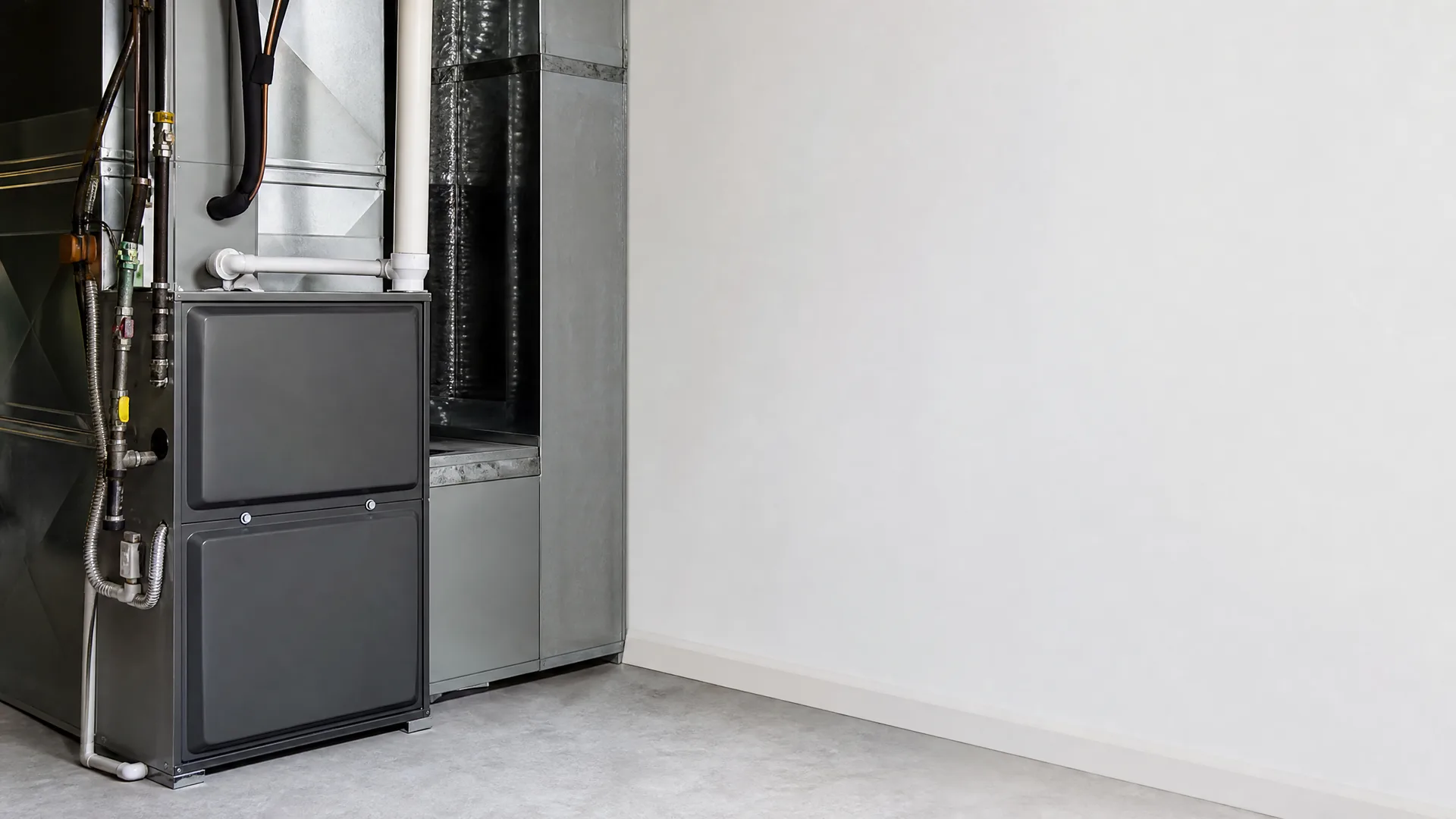
The air coming out of the vents will feel like it's barely moving past room temperature, even standing right under a register. Bedrooms down the hall from the furnace cool off first. Check the thermostat display against how the house actually feels. If it reads 68 and you're reaching for a sweater, the blower is running without any heat behind it.
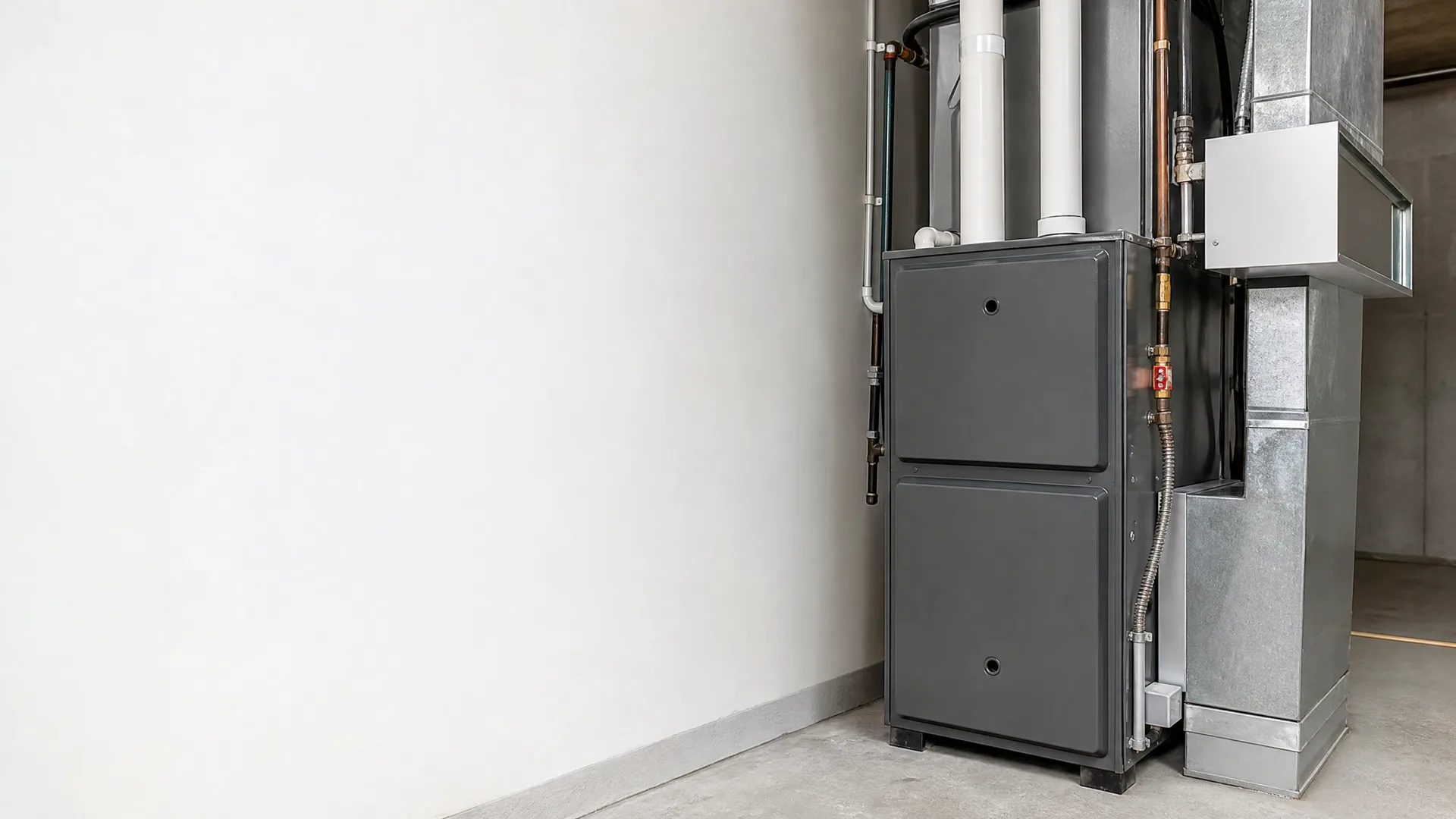
A blower that runs on Fan instead of Auto pulls electricity all day without warming anything, so you pay to move cold air through the house. If the furnace is short cycling, trying to ignite and failing over and over, it draws power each attempt. Neither one heats your home. The usage shows up on the bill before the house ever warms back up.

Once the blower starts pushing cold air, your house starts losing the race against a 23°F night. A furnace that ignites fine will recover a cold room in a few minutes. One that isn't igniting never recovers anything, it just moves the same cold air around while the house settles toward outdoor temperature. If you've got a baby's room or an older parent sleeping down the hall from the furnace, that's the room that feels it first.
This isn't a wait-and-see repair. A bad igniter or a dirty flame sensor doesn't get better on its own, and running the blower on a furnace that won't fire wastes power without warming anything. A local contractor who works on furnaces all winter in this area has likely replaced that exact igniter more than once this season alone, and knows what to check first instead of guessing. Getting matched with one means a single licensed technician looking at your furnace, not a round of calls to compare.

Thermostat calls for heat and sends power to the control board.
Inducer motor starts and purges leftover gas from the heat exchanger.
Igniter begins glowing, drawing current until it reaches ignition temperature.
Board reads the igniter's current and opens the gas valve.
At 23°F, a furnace that's only blowing cold air can't just be left for later. That's cold enough to pull a house down to an uncomfortable temperature within a couple of hours, and it stays that cold most nights all winter.
NOAA nClimDiv 1991-2020
Cold air out of the vents comes down to one of two things. Either the fan switch is set to On, or the furnace isn't igniting, most often because the igniter has worn out or the flame sensor has a film on it that's blocking its reading of the flame. One is a thirty-second fix at the thermostat. The other needs a part replaced or cleaned before the burners will light again. Nothing about a furnace in this state improves by waiting. Once a Vigo County night drops into the 20s, a house with cold air coming from the vents loses ground fast, and it won't recover until the ignition problem is fixed.
This is a part failure a contractor who works on furnaces through a full Vigo County winter has seen many times. Igniters wear out with use and flame sensors build up a coating most seasons, so someone who services this equipment locally knows which of the two is more likely before they even look, and what to check first when they get there. Getting matched with one licensed local contractor means one visit from someone who already knows this furnace's likely failure points, rather than a handful of companies calling to schedule separately. For a problem with two or three usual causes, a straightforward diagnosis beats sorting through multiple quotes while the house keeps cooling down.
The pro who gets in touch is licensed in Indiana and works in Vigo County.
No charge to send it. You decide if you hire them.