


Furnace on but house still cold in Indiana

RepairFurnace or heatingIndiana
Step 1 of 2

What ZIP code is the job in?

A furnace that runs but doesn't warm the house usually means air is moving but heat isn't getting into it, or heat is being made but not reaching the rooms. A dirty filter or blocked duct can leave the blower pushing cold air. A failing igniter or dirty flame sensor can let the burners light weak or shut off early, so the furnace runs its cycle without ever building real heat. On the coldest Indiana days, a furnace sized for an average January can run constantly and still lose ground, which can look like a bigger problem than it is. Thermostat settings matter too: a thermostat set to "on" instead of "auto" runs the fan nonstop, including when no heat is being made, and that blows room-temperature air that feels cold. Whatever the cause, a furnace running without warming the house is working harder for less heat, and that shows up on the gas bill before it shows up as a repair.

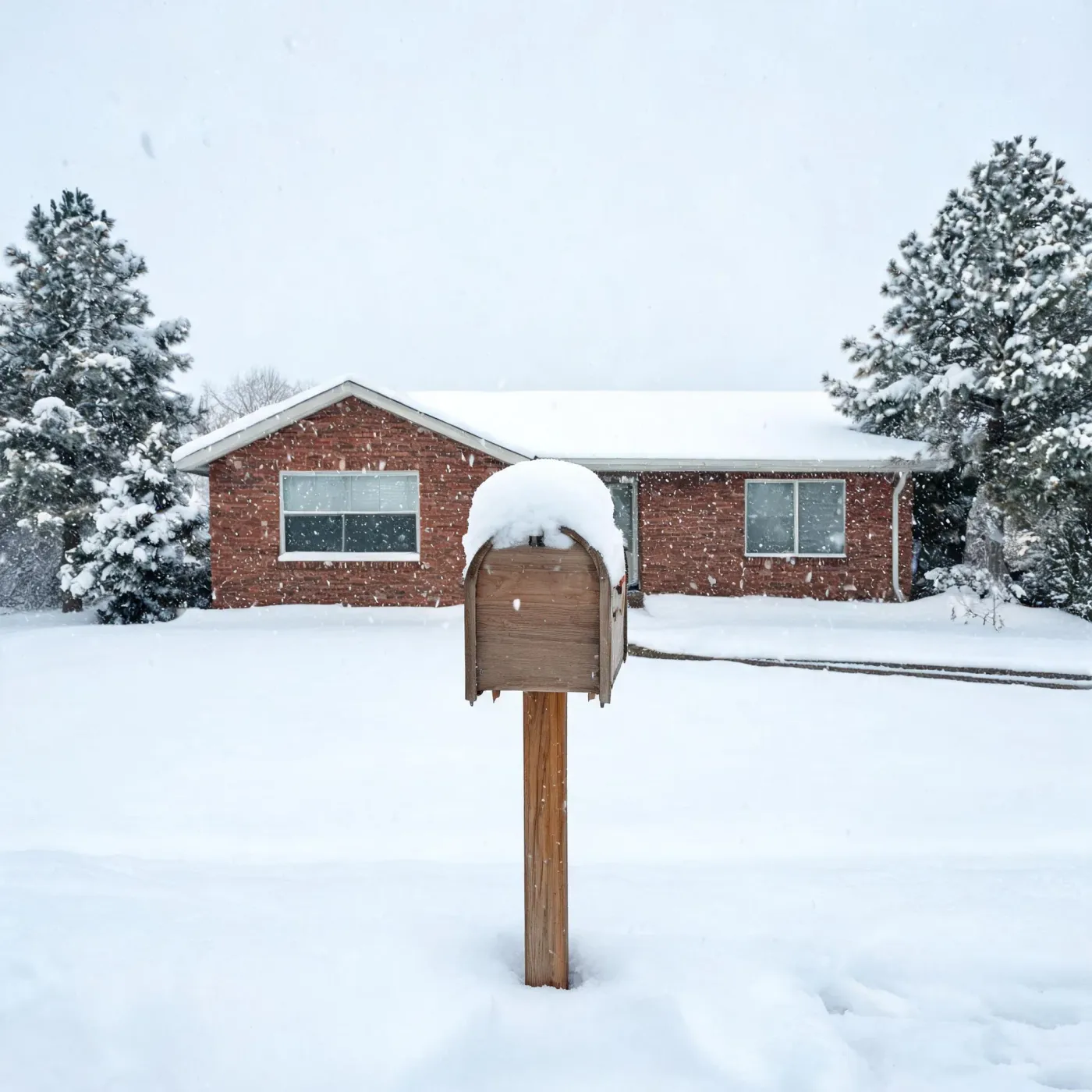
A wooden mailbox on a post topped with a thick layer of snow stands in a snow-covered yard in front of a single-story brick house with a snowy roof, flanked by snow-laden evergreen trees during falling snow.

On a cold night here, the statewide average low drops to 22°F, according to NOAA. That's the kind of cold that finds every weak spot in a furnace fast. A system that's just barely keeping up on a mild evening can fall behind once it has to fight that hard, and you'll notice it as a house that never quite gets warm, or warms up and then slides back down before morning. If the thermostat says 70 and the air coming out the vents feels lukewarm instead of hot, that gap is where the problem is hiding, and nights this cold are when it shows itself.

NOAA nClimDiv 1991-2020 county normals weighted by homes

No Heat or Heat That Won't Spread

Blower runs, no heat

  • The thermostat calls for heat and the blower kicks on, but the air coming out of the vents is room temperature or cooler.
  • This points to the burners not lighting or the gas valve not opening, so the furnace is moving air without ever making heat.
  • A cracked heat exchanger can also cause this, since the unit may shut the burners down as a safety measure.
  • Check the gas line to the furnace to see if the valve is open, since a closed valve stops gas from reaching the burners entirely.
  • If the pilot or igniter never catches, the blower keeps running on its own schedule with nothing behind it to heat the air.

Heat made, not delivered

  • The furnace lights, runs its full cycle, and shuts off normally, but rooms down the hall stay cold while the one near the furnace warms up fine.
  • A clogged filter restricts airflow across the heat exchanger, so the furnace can overheat and cycle off before the house catches up.
  • Blocked or closed vents in unused rooms force air to crowd into the rooms left open, leaving the rest of the house short.
  • Leaky or disconnected ductwork lets heated air escape into the attic or crawlspace before it reaches the vents.
  • A blower wheel caked with dust moves less air than it's rated for, even when every other part is working right.
A gray high-efficiency furnace with two access panels stands in a bare basement corner, connected to sheet-metal ductwork, white PVC vent pipes, and flexible gas and electrical lines.

Why the blower keeps running

A gas furnace lights the burners first, then waits almost a minute before the blower turns on, so the heat exchanger has time to warm up. If the flame never lights, that delay still ends and the blower still starts, because the fan is on its own timer, not tied to whether there's actually heat to push. That's why air keeps moving through a dead furnace.

A gas furnace with metal ductwork, copper and yellow gas piping stands against a wall in an empty room with a bare concrete floor.

What the heat exchanger does

Burners heat a metal heat exchanger, and the blower pushes house air across the outside of it. The air never touches the flame directly. If the exchanger is cracked or blocked with soot, heat doesn't transfer the way it should, and some of what the burners make goes out the flue instead of into the ductwork feeding your rooms.

Is your house actually getting colder, or just not warmer?

Walk through the rooms and put a hand near the vents. If you feel air moving but it's not warm, that's different from a furnace that's short-cycling or not running at all. Check if certain rooms stay cold while others are fine, which points to the ducts rather than the furnace itself. Listen for the burners lighting, a soft whump followed by steady heat, versus the blower running with no flame sound at all. If your gas bill hasn't changed but the house feels colder, the furnace may be running without actually burning gas efficiently. Left alone, a furnace working harder than it should to produce less heat can mean higher bills now and a bigger repair later if a cracked heat exchanger or failing part gets worse.

A beige high-efficiency furnace stands on a concrete basement floor beside sheet-metal ductwork, with white PVC vent pipes, flexible conduit and copper and steel piping running up a concrete wall to an electrical box.

Running the way it should

This is a furnace doing its job. The burners light, the heat exchanger warms up, and the blower pushes that heat through the ducts into the rooms. Warm air at the vents, a house that holds its temperature through a cold Indiana night.


An older gas furnace with a louvered front panel stands on a concrete basement floor beside large sheet-metal ductwork, a metal flue pipe, copper piping and wood framing.

Running, but not keeping up

This one turns on and the blower moves air, but something upstream of it is failing. Dust built up around the base, an older unit working harder than it should. Age and wear catch up to a furnace like this, and a cold snap is when it shows.

Winter nights average 22°F statewide

At 22°F, your furnace can't just cycle on now and then. It has to hold a steady fight against the cold most of the night, every night, for months. That's when a dirty filter or a weak igniter stops being a minor issue and starts leaving rooms cold by morning.

NOAA nClimDiv 1991-2020 county normals weighted by homes

A smiling man in a navy long-sleeve shirt sits at a wooden table in a kitchen and dining area, with a ceramic mug, a potted plant, and a sliding glass door behind him.
A smiling bearded man in a green henley shirt stands at a kitchen island with a gray mug, looking off to the side, with a dining area and shelves blurred behind him.
A smiling bearded man in a navy sweater sits at a white kitchen island with a ceramic mug, with open shelves, potted plants and a range hood behind him.
A smiling man in a dark olive long-sleeve shirt sits in a kitchen beside a counter with a dark mug, with a dining table, sideboard and hallway visible in the blurred background.

Hand off the search today

A furnace that won't warm the house past a certain point doesn't usually fix itself by morning. Whatever's keeping the heat from reaching your rooms tonight will still be there tomorrow night, and at 22°F it has more hours to find every weak spot. Chasing down whether it's the igniter, the gas valve, or a blocked duct takes someone who opens furnaces like yours all season and already has a guess before the panel comes off. That's a different job than guessing room by room with a hand near the vents. Send the request and it goes to one contractor local to Indiana, someone who works on this equipment through the same winters you're dealing with right now, not a handful of companies competing for the callback. From there, finding the answer stops being something you have to manage while the house sits cold.

A furnace that's low on airflow still warms the house some. The blower is weak, or the filter is choked, so the rooms farthest from the furnace lag behind, but heat is getting through.

A furnace that isn't making heat at all warms nothing, no matter how long it runs. The air at the vents stays at room temperature, and every room falls together, not just the far ones.

A beige sheet-metal furnace with a louvered upper panel stands on a concrete basement floor, connected to galvanized ductwork, white PVC vent pipes, and a metal gas line with an electrical box.
Before you get your furnace repair
A gray high-efficiency furnace with white PVC vent pipes stands in an unfinished basement beside sheet-metal ductwork, gas piping, and insulated stud walls on a concrete floor.
After you get your furnace repair

Living with it as is

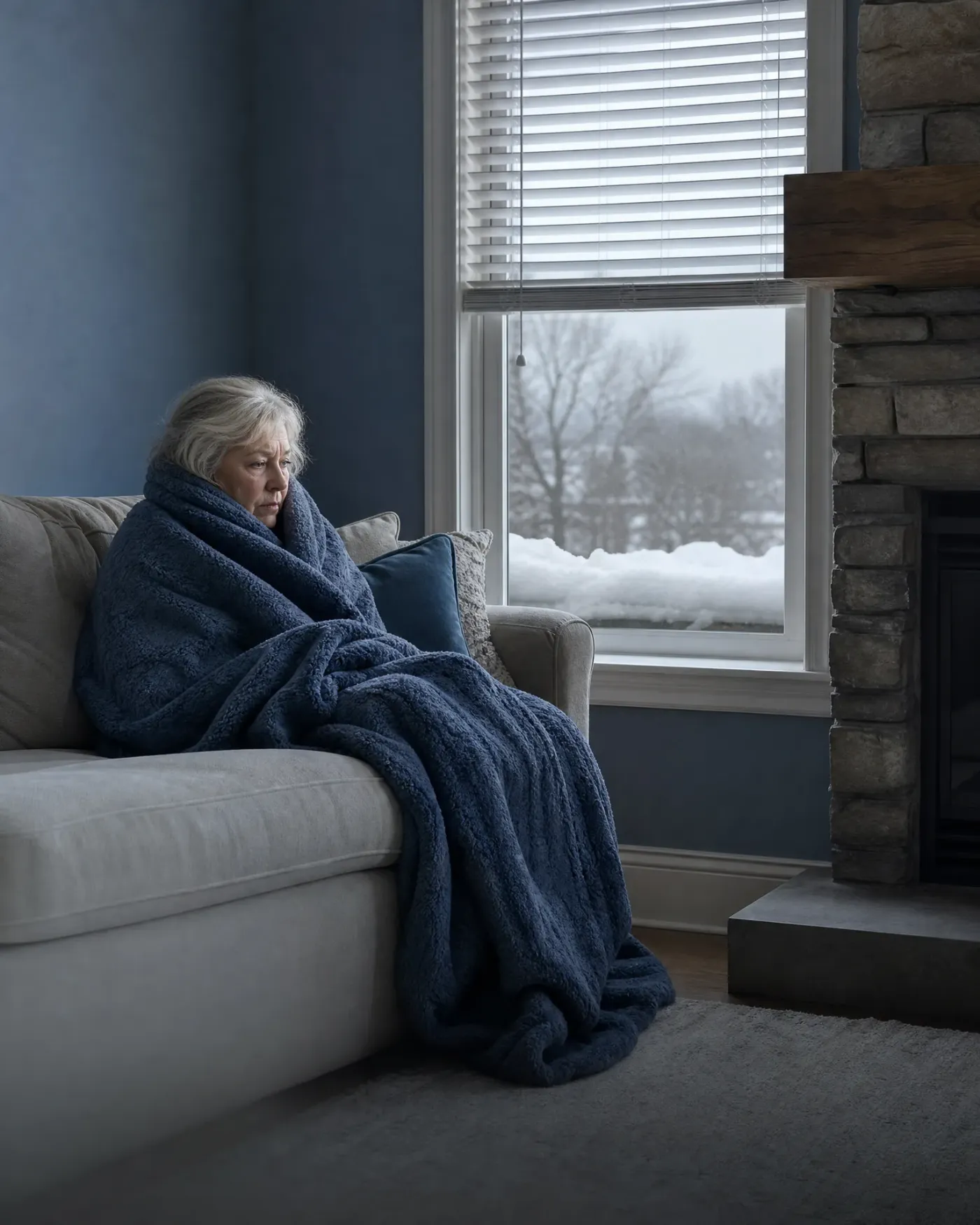
Rooms stay cold no matter how long the furnace runs. You layer on blankets, space heaters, and shut doors to rooms you've given up on warming.

Find a licensed furnace pro

Furnace repaired

Warm air actually reaches every room. The thermostat setting matches what you feel, and the furnace earns the gas it's burning.

Find a licensed furnace pro
A smiling man with dark curly hair in a navy t-shirt sits on a gray couch indoors, with a large-leafed plant and a window in the background.
A bearded man in a plaid flannel shirt stands in a kitchen looking out a window toward snow-covered shrubs, with a steaming mug on the windowsill and potted plants on a shelf behind him.

Where this leaves you

  • A furnace that runs but doesn't heat is either moving air without making heat or making heat that never reaches the rooms.
  • The fix is usually narrow: an igniter, a flame sensor, a blocked duct, or a filter, not a new furnace.
  • At 22°F overnight, whatever is keeping a room cold tonight will still be keeping it cold tomorrow night.
  • Matching you to one licensed local contractor means no string of calls from competing companies to sort through.
  • A contractor who works on furnaces all winter in Indiana has already seen most versions of this same complaint.
  • Once you send the request, finding the right person for the job stops being something you have to manage.

A furnace that runs but doesn't warm the house comes down to one of two things. Either the blower is moving air that never got heated, or the heat is made but isn't reaching the rooms. Both point to something specific: an igniter, a flame sensor, a blocked duct, a dirty filter. None of that calls for a new furnace. It calls for finding the one part that's failing and replacing it.

Nothing about this waits well. At 22°F overnight, a furnace that can't keep up has months of cold nights left to prove it, not just tonight. The room that's cold now will be cold again tomorrow unless something changes.

Finding who does that work is the part you can hand off. Once you send the request, you're matched to one licensed contractor local to Indiana, not a list of companies competing for the job. Someone who works on furnaces through an Indiana winter has seen this complaint enough times to know where to look first. The igniter that won't hold a flame, the duct run that's choked off, the filter nobody's changed since fall. That's what the call gets you: not a diagnosis from a stranger, but someone who's already seen most versions of what your furnace is doing.

Close view of a dark standing-seam metal roof with a stone chimney and metal flue cap, overlooking a wide river, trees, and flat farmland under a partly cloudy sky.

Hand off the furnace problem

Get one local pro

You're not committing to anything by asking.

A furnace that's only partly working rarely gets better with another week of waiting, and Indiana nights don't give it a break to catch up. A local contractor who works on these furnaces all winter can usually spot the cause fast once they're in front of it. Sending the request is how your house gets warm again.