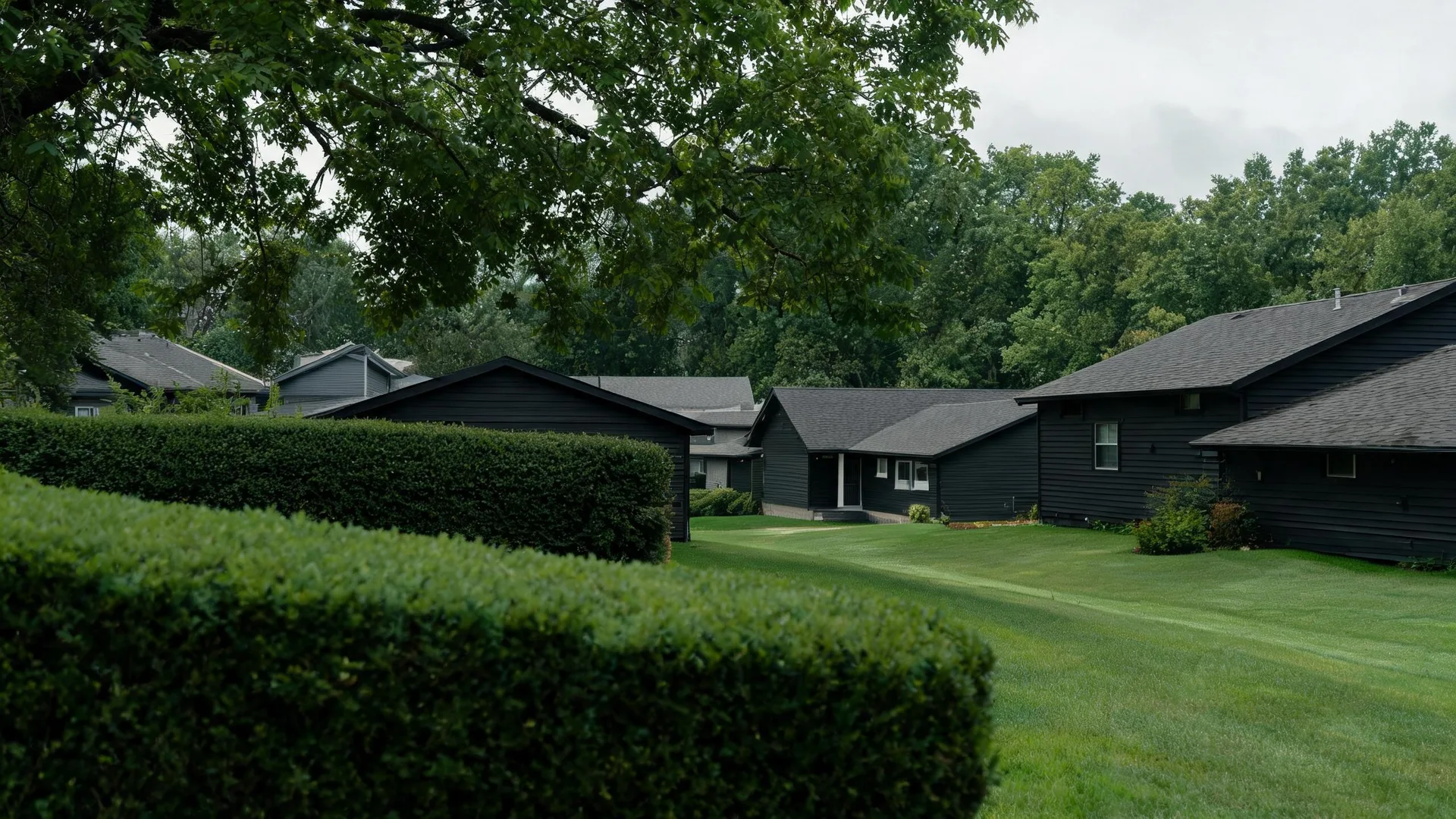






Dark-painted single-story houses with gray shingle roofs behind a trimmed green hedge and mown lawn, surrounded by leafy trees under an overcast sky.

Heat Pump Installation in Logansport, IN

Tell us about the job

Takes about a minute. No obligation.

New system or replacementHeat PumpCass County, IN
Step 1 of 2

What ZIP code is the job in?

Electricity in Indiana ran 14.77 cents per kilowatthour in 2024, on the higher side for this part of the country. A heat pump moves heat instead of burning fuel to make it, so it gets more heat out of each kilowatthour than baseboard or resistance heat, but it still runs on electricity for all of it. At that price, the efficiency rating on the unit you choose matters more here than it would somewhere with cheaper power. A higher HSPF2 rating means less electricity to produce the same heat in your house. That difference shows up on every bill, all year, not just the coldest months.

8 months
October through May, your system heats
3 months
June through August, it cools
21°F
the average winter night it heats against
82°F
the average summer afternoon it cools against
Isometric cutaway illustration of a gray house showing interior rooms, a central air handler with ducts in the attic, and refrigerant lines running to an outdoor condenser unit beside the building.
Your system heats October through May and cools June through August.

NOAA nClimDiv, 1991–2020 normals

Heat pumps in Cass County run from October through May, about eight months a year.

Install before September and the switch happens on your schedule, not during the first cold week.

Half the homes here were built before central air or a heat pump was part of the plan

Half the homes here were built by 1956
58 damaging wind events from 2015 to 2024
10 hail events from 2015 to 2024
Logansport asks less of a heat pumpWinters here average 21°F at night, and zone 5A heating load is well within what a heat pump handles.

Cass County falls in zone 5A, a cool, humid climate where heating carries more of the load than cooling does. Any split-system heat pump installed here now has to meet a federal minimum. That floor is 14.3 SEER2 for cooling and 7.5 HSPF2 for heating. It narrows what a contractor can legally put in, so the low end of the market is already off the table. Units can go higher than that minimum, and here, with heating doing the bigger job most of the year, the HSPF2 number is the one worth asking about. A system that just clears the floor will run more hours than one built with colder winters in mind.

Efficiency pays here

Power costs more here, so an efficient system pays you back on every bill.

Find a contractor
A gray air-source heat pump mounted on a concrete pad next to a house with gray vinyl siding, surrounded by gravel and flanked by green shrubs and white hydrangea flowers.

Size it for the house, not the old equipment

A contractor sizing your system now should be looking at this house, not the equipment that's in it today. If your home was built in 1956 or earlier, whatever's heating and cooling it now was likely matched to older ductwork, or added on after the fact. That's worth having checked before the heat pump goes in, not after, since a unit sized off the old equipment can end up wrong for the house around it.

Ask for the load calculation, not a guess

A contractor should run a room by room heat load calculation on your house before naming a size. Houses with the same floor plan on paper can need different sized systems depending on windows, ceiling height, and how rooms are laid out. If a contractor quotes a size before walking the house, ask why.

Ask what happens below the balance point

Every heat pump has an outdoor temperature where it stops keeping up on its own. Below that point the system leans on backup heat, usually electric resistance strips, to carry the rest. Ask what that backup is, how it switches on, and whether it's part of the quote or priced separately.

The old system doesn't just get hauled off. A contractor has to recover the refrigerant from it before anything is disconnected, that's federal law, not a courtesy. Refrigerant can't be vented to the air. Once it's recovered, the outdoor unit, indoor coil, and any line set being replaced get removed, and if you're switching from a furnace, that comes out too unless you're keeping it for backup heat. Some homes keep the furnace in place and let the heat pump handle things down to its balance point, with the furnace taking over below that. If yours is coming out entirely, ask what happens to the ductwork connections and the electrical whip that fed the old unit, since a heat pump has different power needs than what was there before.

A heat pump that's too big for the house will short cycle, kicking on, satisfying the thermostat fast, then shutting off before it's pulled enough moisture out of the air. In the cooling months that leaves rooms feeling clammy even when the temperature reads fine. One that's too small runs long stretches without catching up, which leans harder on backup heat than it should and wears on the compressor over time. Sizing isn't a matter of matching the old tonnage or rounding up to be safe. It comes from the heat load calculation, the window count, the insulation, the ceiling height, all of it, run room by room. A unit sized right for the house cycles less often and runs longer each time, which is exactly how it's supposed to work.