









Heat pump not heating in Jeffersonville, IN

RepairHeat PumpClark County, IN
Step 1 of 2

What ZIP code is the job in?

Why is my heat pump not heating my house?

Cold air blowing out of the vents, or no heat at all, is the usual reason someone searches this. With winter here turning genuinely cold, a heat pump that stops keeping up isn't something to wait out. Before anything else, it helps to know what's actually likely going on inside the unit, and whether it's something simple or something that needs a licensed hand.

Most likely a stuck reversing valve, a low refrigerant charge, or frozen outdoor coil

A heat pump makes heat by pulling it from the outside air and moving it indoors, and that process depends on a few parts working together. The reversing valve switches the system between heating and cooling, and if it sticks, the unit keeps running in cooling mode even when you've set it to heat. A low refrigerant charge weakens the whole cycle, so the air coming out feels cool instead of warm. Ice building up on the outdoor coil blocks that heat transfer entirely, which happens more in Clark County once temperatures drop and stay near freezing for days. Any of these needs a technician with gauges and training on heat pumps specifically, not just general HVAC experience, to find which one it is.

An outdoor heat pump unit on a concrete pad beside a house corner, with a small electrical box and conduit on the wall, gravel border, grass, and a plain light-colored wall filling the right side.

Why it switches to backup heat

A heat pump pulls heat from the outside air. Once that air gets cold enough, the unit can't pull enough of it to keep the house warm on its own. That's when the backup heat strip or furnace is supposed to kick in and carry the load. If that switch doesn't happen, you'll feel cool air instead of warm, even though the system is running. A stuck reversing valve or a failed control board can keep that switchover from happening.

A grey outdoor heat pump unit on a concrete pad beside a white stucco wall and dark siding with a downpipe, with gravel and grass in the foreground.

What the outdoor unit tells you

Walk outside and look at the outdoor unit. A thin coat of frost in winter is normal and the system clears it on its own a few times a day. A thick buildup of ice covering the coil or fins is not, and it means the unit can't move heat the way it needs to. If the fan has stopped turning, or you don't hear it running at all, that's worth noting when you describe the problem to whoever comes to look at it.

Why does cold weather hit a heat pump here so hard?

  • Winter nights average 26°F

    Winter nights here average 26°F, cold enough that a heat pump is leaning on its backup heat more nights than not.

  • Heat runs October through April

    Heat runs October through April here, so a heat pump that struggles in the cold is carrying the job for seven months, not just a few weeks.

  • Cooling runs May through September

    Cooling runs May through September here, which means the same system switching between modes all year gets more wear than one that only heats or only cools.

NOAA nClimDiv 1991-2020

When the backup heat runs night after night, the power bill carries that cost. A heat pump stuck on strip heat through a cold snap is running the most expensive way it knows how to heat the house.

A heat pump that's repaired and running on its compressor again heats the same house for less. Getting it fixed instead of letting it limp along on backup heat is what brings the bill back down.

A man with greying hair in a dark green sweater sits on a light sofa in a sunlit living room, looking off to the side, with a large window, table lamp, framed art and white built-in shelves behind him.
A gray-haired man in a dark navy sweater sits on a light sofa in a living room, looking toward a sunlit window with a houseplant and wooden cabinet behind him.
A gray-haired man in a dark green ribbed sweater sits on a light sofa in a living room, looking toward a sunlit curtained window with a potted plant and lamp nearby.
A middle-aged man with gray hair and a beard, wearing a dark green sweater, sits on a light sofa in a sunlit living room with large windows, a potted plant, and a dining area in the background.

What's Actually Happening Inside the Unit

  • A reversing valve switches the refrigerant flow direction to flip the unit between heating and cooling.
  • If the reversing valve sticks, the heat pump can run in cooling mode even with the thermostat set to heat.
  • A defrost cycle periodically reverses the system to melt ice off the outdoor coil, pulling warm air off briefly on purpose.
  • If the defrost sensor or control board misreads the coil temperature, the unit can stay stuck in defrost and blow cold air.
  • Low refrigerant charge keeps the outdoor coil from absorbing enough heat, so the indoor coil never gets warm enough to heat the air passing over it.
  • A failed contactor or capacitor can stop the outdoor unit's compressor and fan from running at all, leaving only backup heat to carry the house.

A heat pump doesn't make heat the way a furnace does. It moves it, pulling warmth from outside air and pushing it through the house with the help of a part called the reversing valve. That valve is what tells the system whether to heat or cool, and if it sticks in the wrong position, the thermostat can be set to heat while the unit runs cooling instead. Outside, the coil collects frost in cold weather, and the system has to pause heating every so often to run a defrost cycle and melt that ice off. For a few minutes during defrost, it's normal for air coming out of the vents to feel cool. The trouble comes when the sensor or control board that manages this cycle misreads the coil's temperature. Instead of defrosting briefly and switching back, the unit gets stuck there, and the cold air that should last a few minutes doesn't stop. Refrigerant plays into this too. If the charge is low, the outdoor coil can't pull in enough heat, which means the indoor coil never gets warm enough to actually heat the air blowing past it. And none of this matters if the outdoor unit isn't running at all. A failed contactor or a bad capacitor can keep the compressor and fan from starting, which leaves the house running on backup heat alone, with the main system doing nothing outside.

A woman with shoulder-length graying hair, wearing a light knit cardigan over a striped shirt, sits in an upholstered armchair and looks off to the side, with a bookshelf and houseplant behind her.
A woman with dark hair in a bun sits on a grey couch holding a sleeping child wrapped in a knit blanket, with a lit lamp and potted plant blurred in the background.
A gray outdoor condenser unit of an air conditioner or heat pump sits on a concrete pad beside a house with horizontal lap siding, with a wall-mounted disconnect box and conduit above it, mulched beds, shrubs and grass nearby.

Skip the search

The pro who gets in touch is licensed in Indiana and works in Clark County.

Explain the job once and skip repeating it on every call.

Get a licensed local pro

No charge to send it. You decide if you hire them.

Repair the Heat Pump or Replace It

Repair

  • A tech who works on heat pumps all winter in Clark County can usually tell you what's wrong the same day they look at it.
  • Parts like a reversing valve, defrost board or capacitor are replaceable on their own without touching the rest of the system.
  • Once the compressor is carrying the heat again instead of the backup strips, the power bill drops back down.
  • A properly diagnosed repair gets the heat pump back to heating on its own before the next cold night sets in.
  • If the unit is a few years old and otherwise sound, a repair gets it through the winters it has left in it.

Replace

  • A heat pump that keeps failing in the same way, winter after winter, may be nearing the end of what repair can fix.
  • A new unit comes with a reversing valve, defrost control and compressor that haven't logged years of Clark County winters yet.
  • Replacement means not weighing another repair call every time a cold snap hits and the backup heat kicks in instead.
  • An aging system working harder each winter to keep up is one a new unit won't ask the same of.
  • Sizing and installing a new heat pump correctly for this house and this climate takes a licensed contractor, not a swap of parts.
An outdoor condenser unit on a concrete pad beside a gray lap-sided house, with an electrical disconnect box and conduit on the wall and shrubs with mulch to the right.

Running the way it should

A heat pump in good shape sits clean on its pad, lines and conduit intact, coil fins clear. Air moves through it the way it's supposed to, and it pulls heat from outside and gets it into the house without leaning on backup heat every night.

An outdoor air conditioner condenser unit on a concrete pad beside a house with horizontal vinyl siding, with refrigerant lines and an electrical disconnect box on the wall and dry leaves on the ground.

Signs something's wrong

Dirty coil fins and leaves piled against the base choke off airflow the unit needs to pull heat from the air. A heat pump in this shape is working harder for less heat, and in a Clark County winter that usually means it's already losing the fight.

What are you noticing in your own house right now

You check the vents and the air coming out is lukewarm at best, or just plain cold. Maybe the outdoor unit is running but the house isn't warming up. Maybe you hear it click on and off more than it used to. Some rooms stay cold while the thermostat says it's working. If the backup heat has been carrying the house for days, the power bill will show it before the month is out. Left alone through a Clark County winter, a heat pump that can't keep up means rooms that don't get warm, a system working harder than it should, and pipes at risk if the house can't hold heat on the coldest nights.

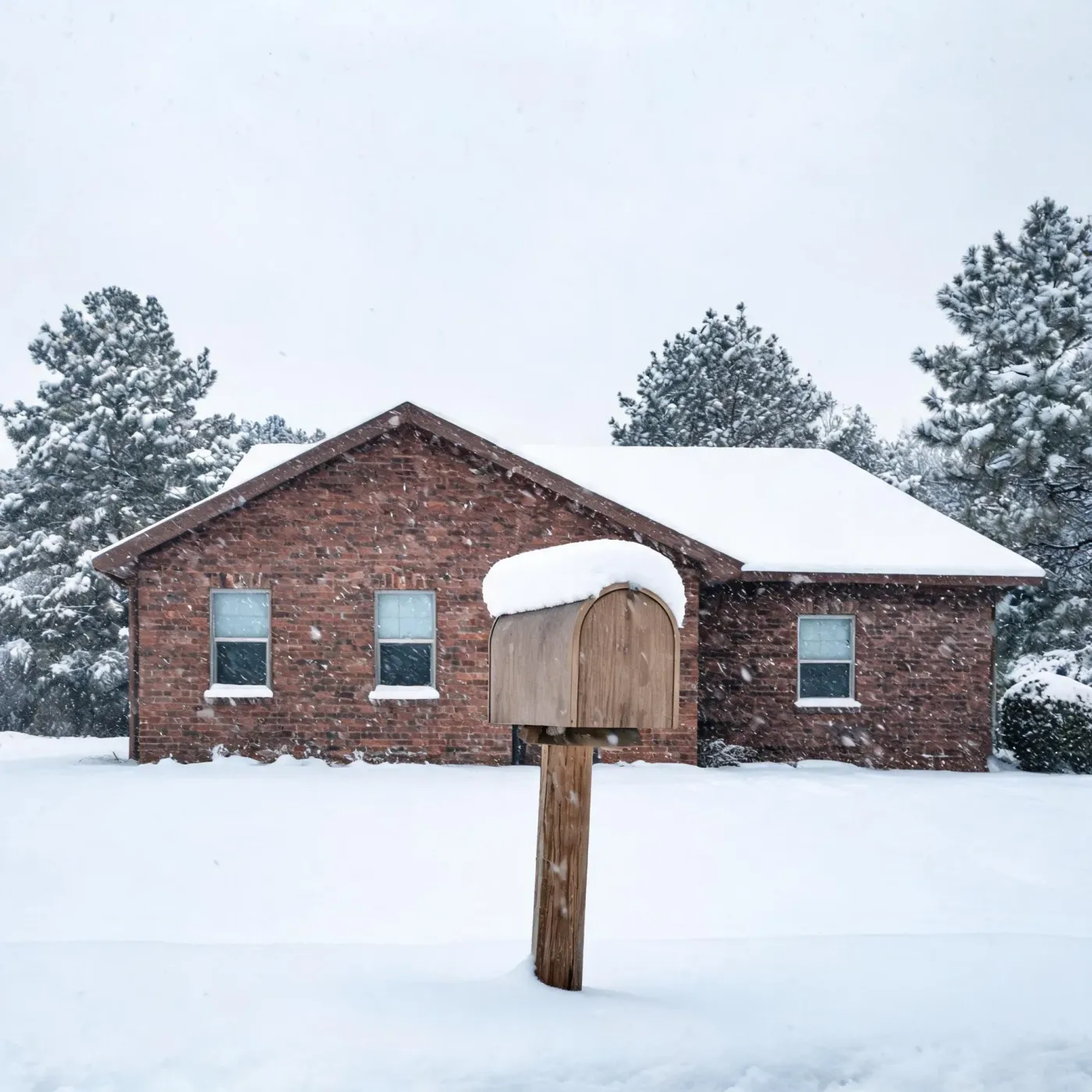
A snow-covered wooden mailbox on a post stands in a snowy yard in front of a single-story red brick house with a snow-laden roof, framed by snow-covered pine trees under an overcast sky with falling snow.

December through February, nights here settle in around 26°F on average, per NOAA climate data for Clark County. At that temperature a heat pump is working near the edge of what it can pull from the outside air, so the compressor runs long stretches and the backup heat strip fills in the gap more often than not. If yours isn't heating right, this is the stretch of winter that exposes it. A unit that was limping along in milder weather can stop keeping up entirely once nights sit this cold, and that's usually when the lukewarm air or the nonstop cycling gets noticed.

NOAA nClimDiv 1991-2020

A heat pump that's blowing cold air or leaning on backup heat night after night has a cause, and it's one a tech can usually find by looking at the reversing valve, the defrost board, or the capacitor. Most of the time it's one part, not the whole system. A contractor who works on heat pumps all winter in Clark County has seen these failures before, in this cold, on this kind of equipment, and knows where to look first. You'll get matched with one licensed, local contractor for this job, not a handful of companies competing for your callback, so there's one visit to schedule and one person who knows what was found. Once the part that's failing gets fixed, the heat pump goes back to pulling heat from outside air the way it's built to, instead of running on backup strip heat through the rest of this winter.

A shingled gable roof with a stone chimney in the foreground overlooks a wooded valley with a winding river and flat farmland under a hazy orange sky at dusk.

Explain it one time

Skip calling around

There's no charge for the request.

One call to a licensed Clark County contractor gets someone out to look at the reversing valve, the defrost board, or whatever's actually wrong, instead of you working the phone through a cold night to find out who can come.