Heat pump running all the time in Hammond, IN

Describe your heat pump job, and a local pro who handles it gets in touch.

Match me with a pro

A heat pump that runs nonstop in cold weather is usually doing what it's built to do. Below about 35 degrees, a heat pump has to work harder to pull heat from outside air, so it runs in long stretches instead of cycling off like it does in milder weather. Through a Hammond winter, that can mean it runs most of the day. That's normal, up to a point. What's not normal is if your house still isn't warm, if the outdoor unit is coated in ice that doesn't clear during its defrost cycles, or if you notice the air coming from your vents feels cool rather than warm. Those signs point to something making the system work harder than it should, like a refrigerant leak or a failing part, rather than just cold air outside. If your heat pump is running constantly and keeping up, it's working. If it's running constantly and losing ground, it needs a look.

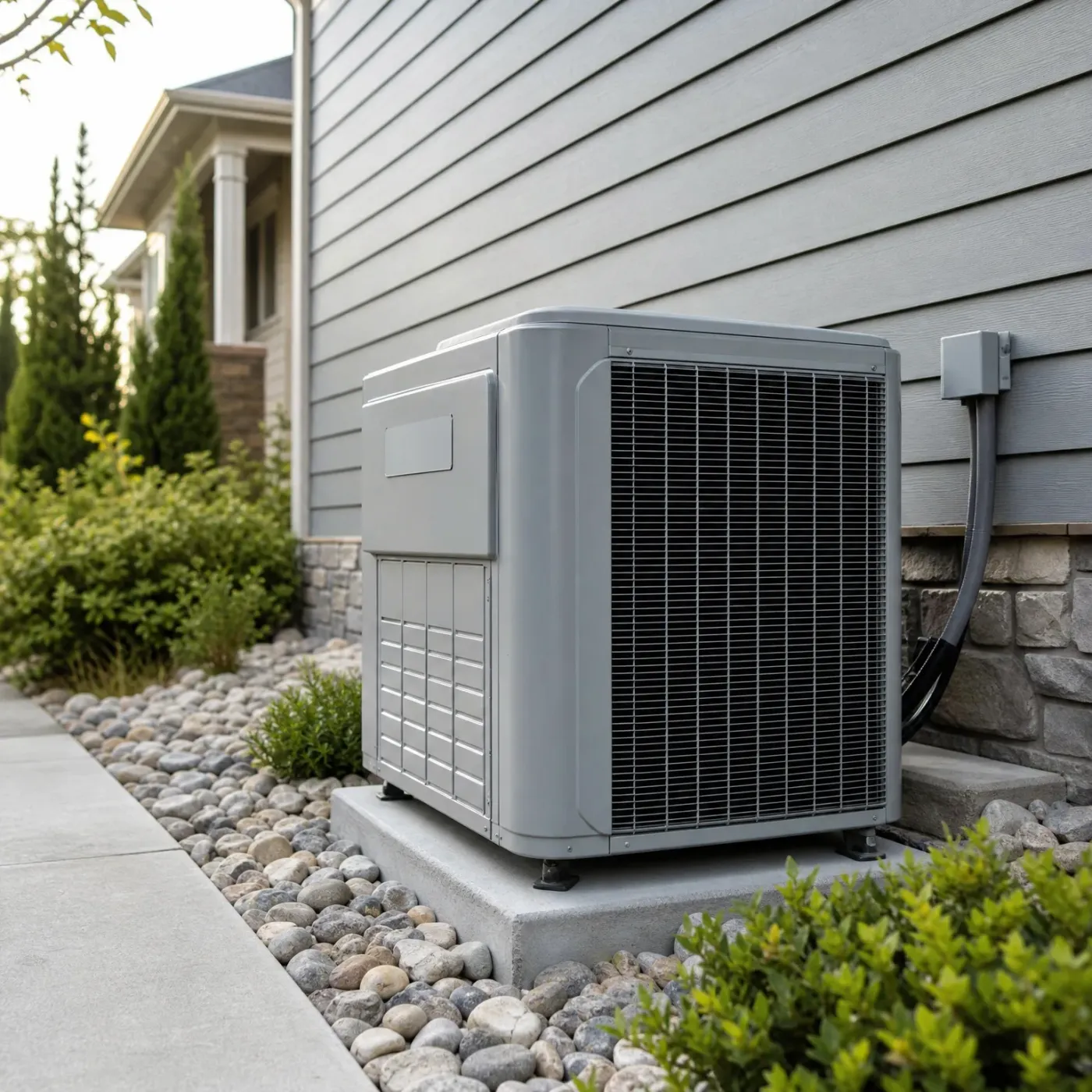
A gray outdoor condenser unit on a concrete pad beside a house with gray lap siding, connected by conduit and refrigerant lines to a wall-mounted disconnect box, with a green shrub and mulch bed at left.

Running long, working fine

The outdoor unit hums along steady, fan turning, coil clean. That's a heat pump keeping up with a cold snap. It should run most of the day when it's in the 20s and 30s outside. If your house stays warm and the unit shuts off sometimes, it's doing its job.

An outdoor air conditioning or heat pump condenser unit on a concrete pad beside a house with horizontal vinyl siding, a gray electrical disconnect box and conduit on the wall, and a concrete walkway in the foreground.

Running long, losing ground

This unit never stops, and the house still won't hold its temperature. Dirt caked on the coil, ice that doesn't melt between cycles, a disconnect box that's seen better days. When the house is cold anyway, the unit isn't just working hard, it's failing to keep up.

Is your heat pump keeping up or falling behind

Walk through the house. If every room holds its temperature and the air coming out of the vents feels warm, the unit running nonstop is just doing its job in the cold. Watch for the other kind of sign instead. The thermostat says 70 but the house feels cooler than that. Rooms farthest from the unit lag behind the rest. The air from the vents feels barely warm, not hot. Ice is building up on the outdoor unit and not melting off during its defrost cycles. Any of those means the system is running constantly without heating the house, which during a Lake County cold stretch can mean rooms that stay cold, a furnace backup working overtime, and a power bill that climbs without the comfort to show for it.

A woman in a mustard knit sweater sits on a light-colored sofa indoors, looking toward a bright window, with a potted fiddle-leaf fig plant behind her.
A woman with long brown hair in a cream knit turtleneck sweater sits on a light sofa indoors, looking off to the side, with a shelf of plants and pottery blurred behind her.
A woman with long brown hair in a dark red knit sweater sits on a gray couch with cushions, smiling and looking off to the side, with a window and indoor plant behind her.
A woman with long dark hair in a cream knit sweater sits on a sofa indoors, smiling and looking off to the side, with a blurred room, hanging light bulb and window behind her.
A gray outdoor air conditioner or heat pump unit on a concrete pad beside a house with horizontal lap siding, with conduit and refrigerant lines running up the wall and green shrubs and mulch at left.
A clean grille and a steady hum mean the unit is pulling in enough air to keep up with the cold.
An outdoor air conditioning condenser unit on a concrete pad beside a house with horizontal siding and a concrete foundation, with refrigerant lines running to a wall-mounted disconnect box and shrubs at left.
A grille caked with dust and debris makes the unit work harder and can be part of why it never shuts off.

Why a Heat Pump Runs Nonstop

  • A heat pump moves heat with refrigerant instead of making it, so cold outdoor air gives it less to work with.
  • The reversing valve switches the cycle between heating and cooling, and a unit stuck partway through that switch can run without catching up.
  • Defrost mode pauses heating every so often to melt frost off the outdoor coil, then switches back, adding time to every cycle below freezing.
  • A thermostat set to a heat pump's own schedule instead of the auxiliary strip heat can leave the compressor running long after it should hand off.
  • Auxiliary or backup heat strips kick in during the coldest stretches, and when they fail the compressor alone tries to cover the gap by running longer.
  • Low refrigerant charge forces the compressor to run continuously because each pound of refrigerant carries less heat than it should.

A heat pump does not burn fuel to make heat. It moves heat that already exists in the outdoor air into your house, using refrigerant to carry it. When the air outside is cold, there is less heat out there to grab, so the system has to move more air across the outdoor coil and run longer to deliver the same warmth. That alone explains most long run times in a Hammond winter.

A few things push run time past what the cold accounts for. The reversing valve is what lets the same unit heat in winter and cool in summer. If it hangs partway between the two positions, the system can run without ever catching up to the thermostat setting. Below freezing, the outdoor coil collects frost, and the unit has to pause its heating cycle every so often, shift into defrost, and melt it off before switching back. Each defrost cycle adds time.

The thermostat matters too. Heat pumps are built to hand off to auxiliary strip heat once the compressor alone can't keep pace, usually on the coldest days. A thermostat running the wrong settings can skip that handoff and leave the compressor grinding away on its own. If the strips themselves have failed, the same thing happens by default. And if the system is low on refrigerant, every pound that's missing means less heat moved per cycle, so the compressor runs continuously trying to make up the difference.

How cold does it get, and how long does a heat pump have to work here

  • Winter nights average 20°F

    Overnight lows average 20°F in December, January and February, the exact range where a heat pump runs longest to keep a house warm.

  • Heat runs October through May

    Heat runs October through May here, about eight months, so long cycles aren't a one-week event, they're most of the year.

  • Cooling runs June through August

    Cooling only runs June through August, so if the unit is running nonstop outside those three months, cold is almost always the reason.

NOAA nClimDiv 1991-2020

Why gas backup matters here

Most homes in Hammond heat with gas, and a lot of heat pumps here are paired with a gas furnace for backup. When the outdoor temperature drops far enough, the system should switch over and let the furnace carry the load instead of the heat pump straining alone. If that switchover isn't happening, the heat pump ends up trying to heat the house by itself on the coldest days, running nonstop and still struggling to keep rooms warm. A contractor can check whether the system is switching over the way it's supposed to.

What the thermostat is doing

Some thermostats have a setting that locks the system into heat pump only mode, even when a backup furnace is installed. If that setting got changed, by accident or on purpose, the heat pump is left to handle cold Lake County air on its own with no help from the furnace. It will run long stretches trying to keep up, and in a hard winter it may not get there. Checking the thermostat mode is a quick way to rule this out before assuming something inside the unit is wrong.

A smiling older woman with short light hair in a beige knit sweater sits in a dimly lit kitchen beside a window at night, with a round loaf of bread on a wooden board in the foreground.
A woman with her hair in a bun sits wrapped in a gray knit blanket on a couch, eyes closed, with a young boy asleep against her shoulder, beside a lit table lamp in a dim room.
A gray outdoor heat pump unit on a concrete pad beside a house with light gray horizontal lap siding and a stone base, surrounded by river rock and shrubs next to a concrete walkway.

Find a heat pump repair pro in Lake County

After this form, you can stop searching for a heat pump pro.

Get matched with a pro who works on heat pumps in Lake County.

Send my request

You only hire the pro if you want to.

Working Hard or Falling Behind

Call for repair

  • The furnace never kicks in even though the thermostat is set to switch over at a set outdoor temperature.
  • Rooms stay cold, under 65, no matter how long the outdoor unit runs.
  • You hear the reversing valve click but the air coming out of the vents turns cool instead of warm.
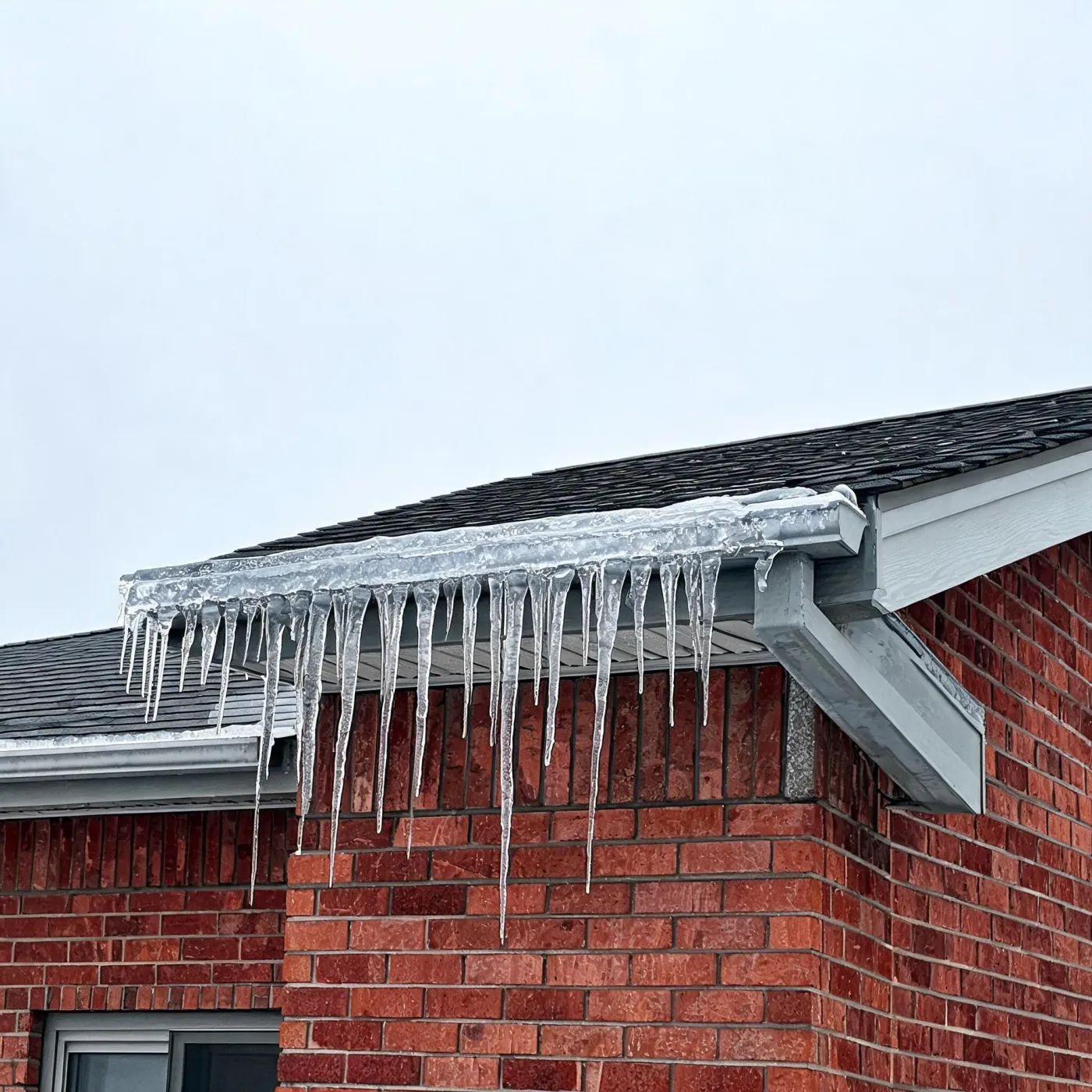
  • Ice builds up on the outdoor coil and stays there instead of melting off during the defrost cycle.
  • The outdoor fan has stopped turning but the unit still draws power and runs.
  • Short cycling has replaced the long steady runs, the unit shutting off and restarting every few minutes.

Let it run

  • Overnight lows are in the teens or 20s and the system has been running most of the day to match.
  • Every room holds its set temperature and the air from the vents feels warm.
  • The outdoor coil shows frost that disappears during a normal defrost cycle, not ice that stays put.
  • The gas furnace backup kicks in during the coldest stretches and the heat pump picks back up once it warms a little.
  • The grille and coil are clean, so the unit is pulling in enough air to keep pace with the cold.
  • Energy use is higher than a mild month, in line with eight months of heating season here.
A dark bedroom at night with an unmade bed and a pillow beside a rain-streaked window showing distant lights and trees outside.

It's past midnight in January, not August, but the bedroom is wrong the other way tonight. You've got two blankets on and the vents are still only pushing air that feels barely warm. The outdoor unit has been running since before you went to bed, that low steady hum through the wall. You lie there with socks on, listening for the furnace to kick in like it's supposed to when it gets this cold, and it never does. Your partner pulls the comforter up over their shoulder and doesn't say anything. Outside the window the thermometer on the porch rail reads 14. You get up once to check the thermostat. It still says 68. The room says otherwise.


Why does my heat pump run longer than it used to in winter?

Why does my heat pump run longer than it used to in winter?

It's likely losing capacity somewhere, not just working harder in the cold

A heat pump that runs longer than it did last winter, at the same outdoor temperature, is usually losing ground somewhere in the system. Refrigerant charge drops slowly through a small leak over a year or two, and a unit low on charge has to run longer to move the same amount of heat. A coil caked with dirt does the same thing by cutting down how much heat the unit can pull from the air. Either way the unit isn't failing outright, it's just working with less than it used to, and it leans on runtime to make up the difference. A contractor can check the charge and clean the coil to find out which one it is.

A row of icicles hanging from an ice-covered gutter along the shingled roof edge of a red brick house against an overcast sky.

Overnight lows average 20°F across December, January and February in Lake County, according to NOAA climate data. That's the stretch where a heat pump works hardest, pulling what little heat it can out of air that cold. Expect the outdoor unit to run for hours at a time on those nights, not minutes. If the house holds its temperature through it, the long runtime is just the system doing its job. A unit that can't keep rooms above 65 in that kind of cold, even running the whole time, is falling behind rather than keeping up.

NOAA nClimDiv 1991-2020

A man in a dark polo shirt and cap, seen from behind, walks up a paver path toward a woman standing in the open front doorway of a single-story stucco and stone house.

A heat pump that won't stop isn't always a problem

Long runtimes in a Hammond winter are normal. The question that actually matters is whether the house stays warm while it runs. If the rooms hold their temperature and the furnace takes over when it's supposed to, the unit is doing its job even if it never seems to shut off. If the rooms stay cold or the furnace never kicks in, something in the system isn't keeping up, and that's worth having looked at.

You don't have to figure out which one it is on your own. A contractor who works on heat pumps in this area can look at what yours is doing and tell you whether it's working as it should or losing ground somewhere. Once you request that, the work of tracking someone down is off your plate. Someone who knows these systems in this climate gets in touch with you from there.

A gray upholstered sofa with a textured cushion sits beside a dark round side table holding a vase of green foliage, with a table lamp and sheer-curtained window behind.
An outdoor heat pump unit with a large circular fan sits on a concrete pad beside a dark horizontal-sided building, with gravel ground and green shrubs at right.

The right pro for this job

One request and the search for a pro is handled.

RepairHeat PumpLake County, IN
Step 1 of 2

What ZIP code is the job in?