
Side profile of a bearded man wearing a dark gray baseball cap and a gray T-shirt against a plain off-white background.

Heat pump tune-up in Jeffersonville, IN

Tune-up, service, or cleaningHeat PumpClark County, IN
Step 1 of 2

What ZIP code is the job in?

How often does a heat pump need a tune-up?

Your heat pump runs double duty here, pushing heat through the cold months and pulling it out all summer. That's twice the work most furnace and AC setups put on a single system, and it adds up. If you're wondering how often someone should look it over, you're probably trying to get ahead of a breakdown rather than deal with one in January.

Once a year, ideally in spring or fall

A heat pump needs a tune-up once a year. Because it runs as both your heating and cooling system, it logs more hours than a furnace that only works part of the year, and that extra runtime wears on the same parts faster. The best time to have it looked at is spring or fall, before the system has to switch over and carry the full load of a Jeffersonville summer or winter. A yearly visit is when a contractor checks refrigerant charge, tests the reversing valve that lets the unit switch between heating and cooling, and clears the coils so the system isn't working harder than it has to. Skip it a year or two and small issues, a dirty coil, a weak connection, tend to turn into the kind of failure that happens on the coldest or hottest day of the year.

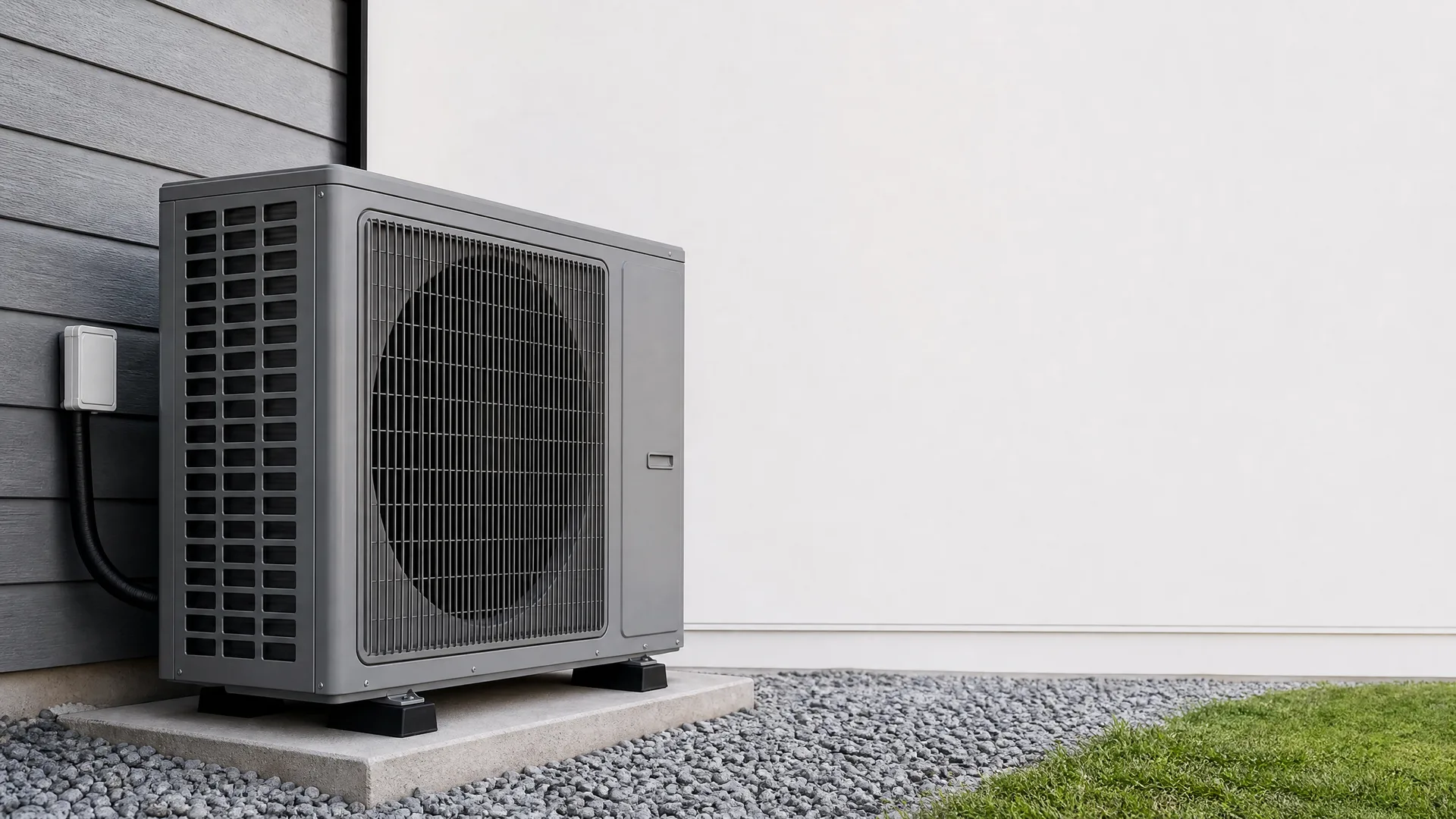
A gray outdoor heat pump unit on a concrete pad beside a house with dark horizontal siding and a plain white wall, surrounded by gray gravel next to a strip of grass.

Why the switch over matters

Twice a year, your heat pump reverses itself to go from heating to cooling or back again. That reversing valve is one of the parts a tech checks during a tune-up, along with refrigerant charge and the outdoor coil. A unit that sits outside through a Clark County winter collects grime and ice cycles on that coil, and a dirty coil makes the system work harder to pull heat from cold air in January or dump it in July.

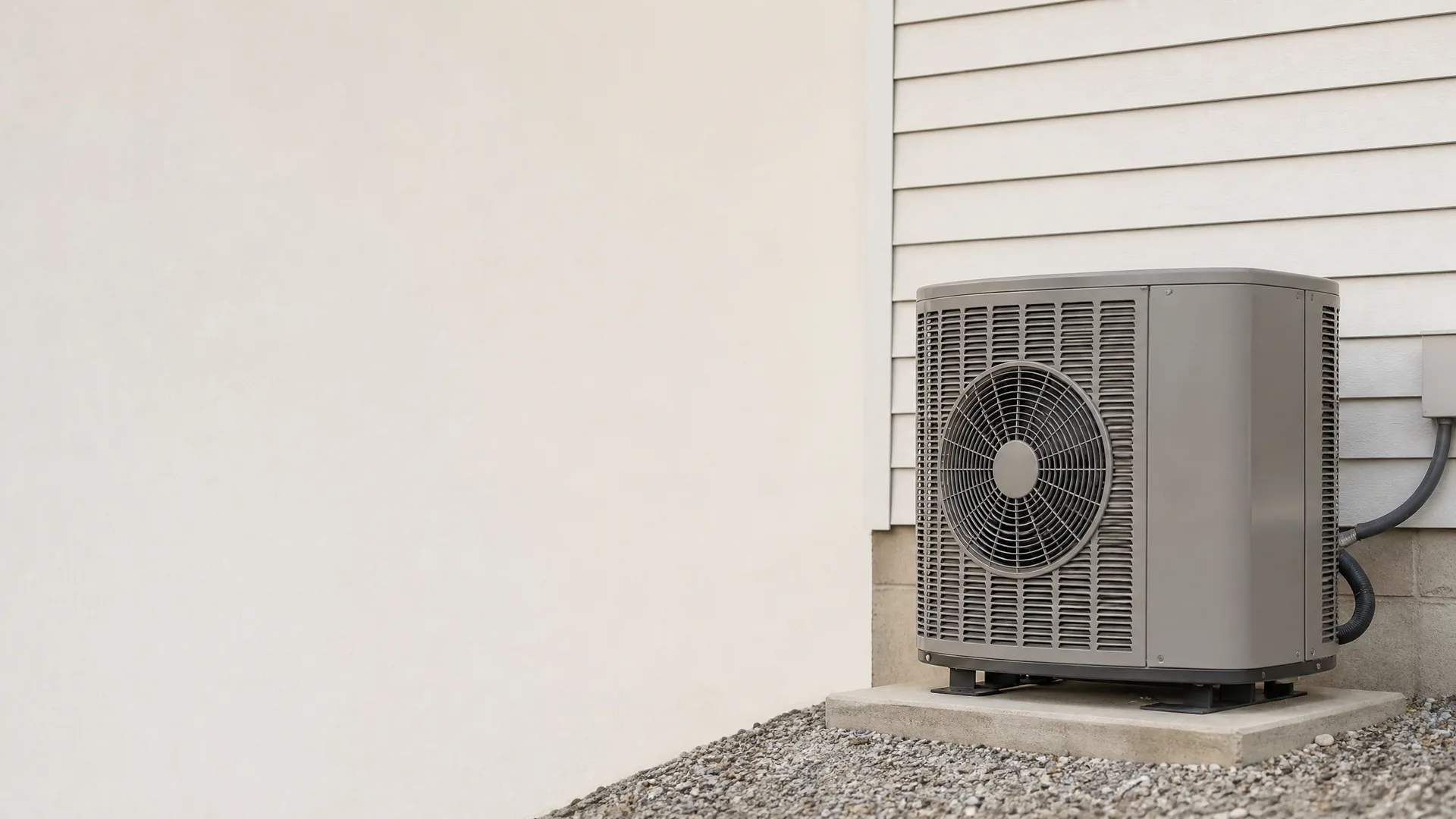
A gray outdoor heat pump unit on a concrete pad over gravel, beside a house with horizontal siding and an adjoining light stucco wall.

What gets caught early

A heat pump low on refrigerant will still run, but it runs longer to hit the same temperature, and the compressor wears faster doing it. A tune-up checks the charge against what the system calls for and looks at electrical connections and the condensate drain while the unit is apart. Catching a weak part in the fall means it gets handled before the system has to carry the full load of a cold snap.

Is your heat pump telling you it's overdue?

You might notice it running longer than it used to, or kicking on and off more than it should. Maybe the air coming out feels cooler than it used to in heating mode, or you hear a hum from the outdoor unit that wasn't there before. Ice building up on the outdoor coil in winter is another sign, especially if it doesn't clear on its own. Some homeowners catch a slight rise in their power bill before they catch anything else. None of this means the system is done. It usually means it's working harder than it should to keep your house at temperature, and left alone, that strain is what shortens the life of the compressor.

A gray outdoor condenser unit on a concrete pad beside a house with horizontal lap siding, with a wall-mounted disconnect box, conduit and insulated refrigerant lines, a shrub at left and gravel at right.

Running the way it should

A heat pump in good shape sits clean on its pad, lines and wiring intact, coil clear of leaves and grass clippings. It cycles quietly between heating and cooling without strain, and the disconnect box stays dry and corrosion free.


An outdoor condenser unit on a concrete pad beside a horizontal-sided house, with insulated refrigerant lines running to a wall-mounted box, surrounded by bare dirt.

Running on borrowed time

Weathering on the cabinet, a conduit that's seen years of sun and rain, a coil caked with dirt. An older unit like this can still work, but a clogged coil or a weak contactor inside makes it run harder for less heat or cooling.

Skip the Tune-Up or Book It

Skip it

  • The reversing valve can stick after months of sitting idle, and you won't know until the mode you need doesn't show up.
  • A dirty outdoor coil makes the system pull more power to move the same amount of heat, through a Jeffersonville winter and a long muggy summer.
  • Low refrigerant charge goes unnoticed because the unit still runs, it just works harder and shorter on comfort.
  • A failing part like a weak contactor or worn capacitor tends to fail at the demand point, the coldest morning or the hottest afternoon.
  • Once a breakdown hits, you're calling around for whoever can come out, instead of someone who already knows the equipment.

Get it done

  • A local tech checks the reversing valve, refrigerant charge and outdoor coil before either season puts real demand on them.
  • Catching a loose connection or a dirty coil now means the system isn't compensating for it all through January or July.
  • One contractor handles the visit, so you're not fielding calls from several companies for the same job.
  • A tech who works on heat pumps around Clark County every season knows which parts tend to give out first in this climate.
  • Once you send the request, finding someone to do the work stops being something you have to chase down.
  1. Outdoor coil gets checked and cleared of leaves and debris

  2. Refrigerant charge gets tested against what the unit calls for

  3. Reversing valve gets cycled to confirm both modes switch clean

  4. Electrical connections and capacitor get checked for wear

A gray outdoor condenser unit sits on a concrete pad against a house wall with horizontal siding above a stone veneer base, with an electrical disconnect box and conduit on the wall and a leafy shrub in mulch to the left.
The coil is clear and the pad is level, so the unit isn't working harder than it has to in either mode.
An outdoor air conditioner condenser unit on a concrete pad beside a house with horizontal siding above a concrete block foundation, with insulated refrigerant lines and a vertical white pipe on the wall.
Refrigerant lines run along bare block with no cover, and weathering like this usually means a coil that hasn't been checked in a while.
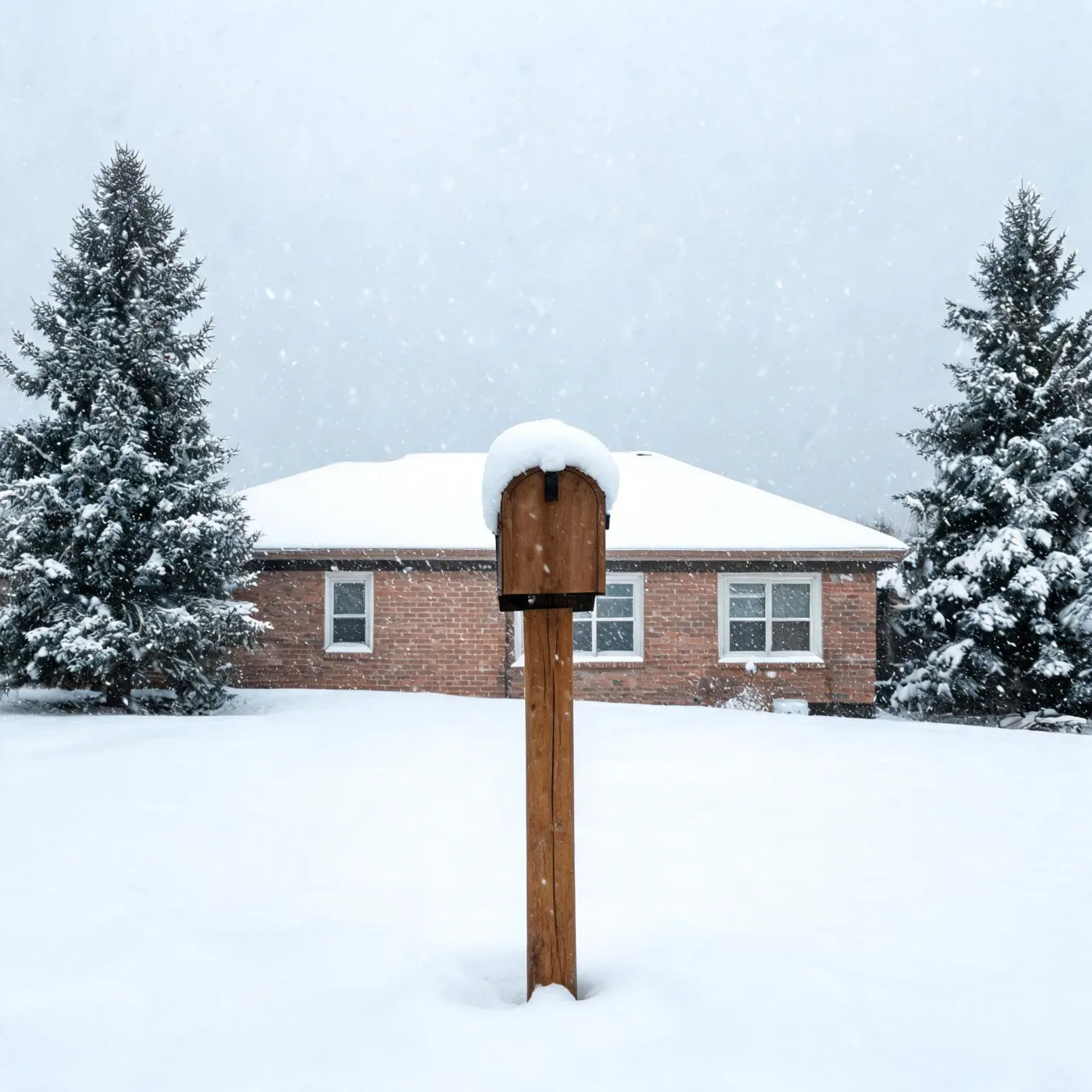
A wooden post mailbox capped with snow stands in a snow-covered yard in front of a single-story brick house with white-trimmed windows, flanked by snow-laden evergreen trees during falling snow.

Clark County winter nights average 26°F from December through February, NOAA data shows. At that temperature your heat pump is pulling most of its heat from outdoor air that's barely above freezing, and it has to run long stretches to keep up. A coil that's clogged or a charge that's low makes that harder, and on the coldest nights you'll notice it in a house that won't quite hold its set temperature. A tune-up before the cold sets in catches those problems while they're still cheap fixes. Send the form and the search for someone qualified is off your plate. One licensed local contractor gets the request, not a handful of companies competing for your callback.

NOAA nClimDiv 1991-2020

Finding a pro stops being your job

A heat pump that's gone too long without a check doesn't fail all at once. It loses a little ground each month, running longer to hold the same temperature, until a January night in Clark County finds the weak point. Getting it looked at now means someone finds the worn capacitor or the low charge before the cold snap does. Send the form and a licensed contractor local to Jeffersonville takes it from there, the kind who's up on this equipment every season and knows which part on a heat pump this age usually goes first. You deal with one contractor, not a string of callbacks from companies competing for the job. That's one less thing sitting on your list while the weather does what it does here, and the part that was about to fail gets caught while it's still just a sound in the outdoor unit, not a morning with no heat.

Spring tune-up

Getting the heat pump checked in spring means a tech is working on a system that's just come off its hardest stretch, the cold nights from December through February. Whatever strain built up over winter shows up now: a coil that got dirty, a refrigerant charge that drifted, connections that loosened from months of cycling. Spring also means the system is about to switch over and run cooling for the next several months, so any problem caught now gets fixed before summer puts its own demand on the unit. A tech has time to order a part if something needs replacing, rather than you waiting on it mid-July with the house warming up.

Fall tune-up

A fall check catches the unit right after a long cooling stretch and before it has to reverse into heating for winter. The reversing valve matters more here, since it's about to be asked to hold heating mode for months rather than switch back and forth. A coil that's been pulling humidity out of the air all summer can use a look before it's asked to pull heat from cold outdoor air instead. Fall is also when a weak capacitor or worn connection tends to show itself, since the system is about to lean on different parts than it has all summer. Either season works. What matters is not letting a full year pass unchecked.

A bearded man in a dark sweater leans back in a black leather armchair with his eyes closed, with a bookshelf, potted plant, window and a sofa holding a folded newspaper behind him.
A man in a blue sweater sits in an armchair with his eyes closed, beside a window and a side table holding a mug and a folded newspaper, with a dark bookshelf behind him.
A man in a gray knit sweater leans back on a brown leather sofa with his eyes closed, in a room with bookshelves, a lamp, plants, and a side table holding a folded newspaper and a dark mug.
A man in a dark gray sweater reclines in a brown leather armchair with his eyes closed, beside a wooden table holding a striped mug and folded newspapers, in a living room with a sofa, bookshelf, lamp, and window blinds.

A lot of what a tech checks during a heat pump tune-up has to do with parts most homeowners never see or think about. The backup heat strips, for one, are only supposed to run when the heat pump can't keep up on its own. If they're kicking in more than that, your bill shows it. The defrost cycle matters too. On a cold Clark County night, the outdoor coil can ice over, and the system needs to sense that and clear itself. A tech also checks how much warmer the air coming out is compared to the air going in, which tells them whether the system is actually moving heat the way it's supposed to. Contactors get a look as well, since a pitted one can stick and keep the compressor running after the thermostat's done calling for it. On units that handle both heating and cooling, the condensate drain gets checked too, since a clog there can send water backing up near the furnace or air handler. And the wiring at the outdoor unit gets a look, since it's not unusual for squirrels or mice to nest near the disconnect box once the weather turns.

What a tune-up actually covers

  • A tune-up checks the auxiliary or backup heat strips to confirm they only kick in when the heat pump itself can't keep up.
  • Defrost control gets tested so the outdoor coil clears itself of ice instead of staying frozen over on a cold night.
  • A tech measures the temperature split between the return air and the supply air to confirm the system is moving heat the way it should.
  • Contactors get checked for pitting, since a worn contactor can keep feeding power to the compressor after the thermostat calls for it to stop.
  • The condensate drain gets checked on units that handle both modes, since a clog can back up water near the furnace or air handler.
  • Low voltage wiring at the outdoor unit gets inspected, since squirrels and other pests nest near the disconnect box over winter.
An outdoor air conditioning condenser unit with dusty coils sits on a concrete pad against light horizontal siding, with an electrical disconnect box and refrigerant lines on the wall and a shrub and mulch at left.
Before you get your heat pump maintenance
A gray outdoor condenser unit sits on a concrete pad beside a house with horizontal lap siding, with a wall-mounted disconnect box and refrigerant lines, mulched beds and a shrub nearby, and a concrete walkway in the foreground.
After you get your heat pump maintenance

Winter nights average 26°F

At 26°F, your heat pump can't lean on outdoor air the way it does in October or March. It has to run long stretches just to hold the house steady, and backup heat may kick in more than it should. A tech checking it before those nights set in catches the strain early.

NOAA nClimDiv 1991-2020

A heat pump that gets checked before the switch between seasons runs the way it's supposed to: clearing ice on its own, reversing clean, keeping its charge. That's the whole answer. A tech who works on these year round in Clark County has seen which part gives out first, whether it's a coil that never got cleaned or a reversing valve that sat too long. Call in someone local for this, and you're not fielding calls from three different companies trying to win the job. One licensed contractor takes it from here, and you're done thinking about it until the next changeover.

A curving paver walkway runs alongside a house with beige lap siding and a white-trimmed window, bordered by low shrubs, grassy plants, and trees in sunlight.
A dark-framed casement window with divided upper panes set in a stucco wall beside a stone-clad section, with hydrangeas, hostas and trimmed shrubs in a mulched bed above a lawn.
White horizontal lap siding wall with a single six-pane double-hung window, above a mulched bed of hydrangea shrubs with browning blooms, bordered by mown grass in low sunlight.
Interior corner with tan plaster walls, a potted olive tree in a large terracotta urn beside a floor-to-ceiling window, and a wooden bench with a beige cushion on a herringbone brick floor partly covered by a woven jute rug.
A wooden bench beneath a window holds a green linen cushion and a fringed cream throw, with a woven basket stored underneath on a wood plank floor.

Let someone else find the pro

Your request stays with one local pro.

Hand off the search

No charge to send it. You decide if you hire them.