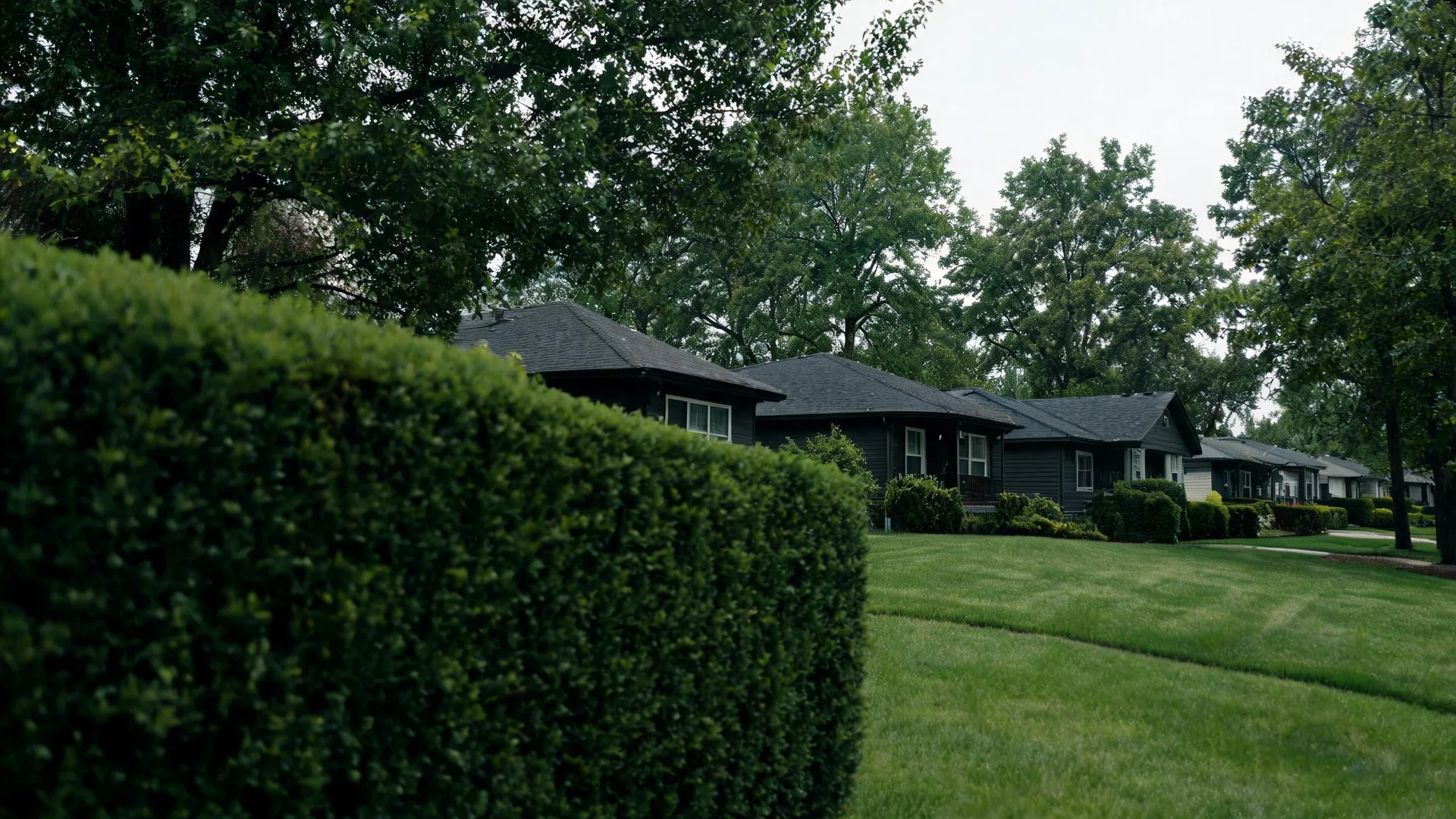







A tall trimmed hedge in the foreground borders a mown lawn beside a row of dark single-story houses with shingled roofs, surrounded by large leafy trees under an overcast sky.

Heat Pump Installation in Plymouth, IN

Tell us about the job

Takes about a minute. No obligation.

New system or replacementHeat PumpMarshall County, IN
Step 1 of 2

What ZIP code is the job in?

Electricity in Indiana ran 14.77 cents per kilowatthour in 2024. A heat pump moves heat instead of burning fuel to make it, and that's what keeps the bill down on a system that runs most of the year. The number worth checking before you buy is the HSPF2 rating. A higher HSPF2 means more heat out of every dollar of power you put in, and at Indiana's rates that difference shows up on your bill every month you run it.

8 months
October through May, your system heats
3 months
June through August, it cools
20°F
the average winter night it heats against
82°F
the average summer afternoon it cools against
Isometric grayscale illustration of a cutaway single-story house showing interior rooms, ductwork and an air handler, an exterior condenser unit connected by lines, and dark solar panels on the roof.
Your system heats October through May and cools June through August.

NOAA nClimDiv, 1991–2020 normals

Gas heats 69.3% of homes in Marshall County.

A heat pump works alongside or in place of that furnace, so this install gets planned around what's already there.

September is the month to get a heat pump in before heat season, not after

Cooling runs June through August
Heat runs October through May
76 damaging wind events from 2015 to 2024
Plymouth winters keep this load honestZone 5A means heating does most of the work here, and overnight lows average 20°F in December, January and February.

Marshall County falls in climate zone 5A, a cool, humid zone where heating is the bigger job for any system. Any split-system heat pump installed here has to meet a federal minimum of 14.3 SEER2 for cooling and 7.5 HSPF2 for heating. Those are floors, not targets. A unit built right at 7.5 HSPF2 will run, but it's the heating side that does most of the work in this county, so that's the number worth asking about before you sign anything.

Older homes need a heat pump sized to fit them

Half the homes in Marshall County were built in 1973 or earlier. A heat pump installed in a house that age has to match the ductwork and the layout already there, not just the square footage on paper. Sizing it to the house you have, not a newer one, is what decides how well it heats.

Find a contractor
A man in a cap, dark jacket and tan pants walks up porch steps toward a navy blue front door, carrying a canvas tool bag filled with hand tools, with a potted plant in a blue planter to the right.
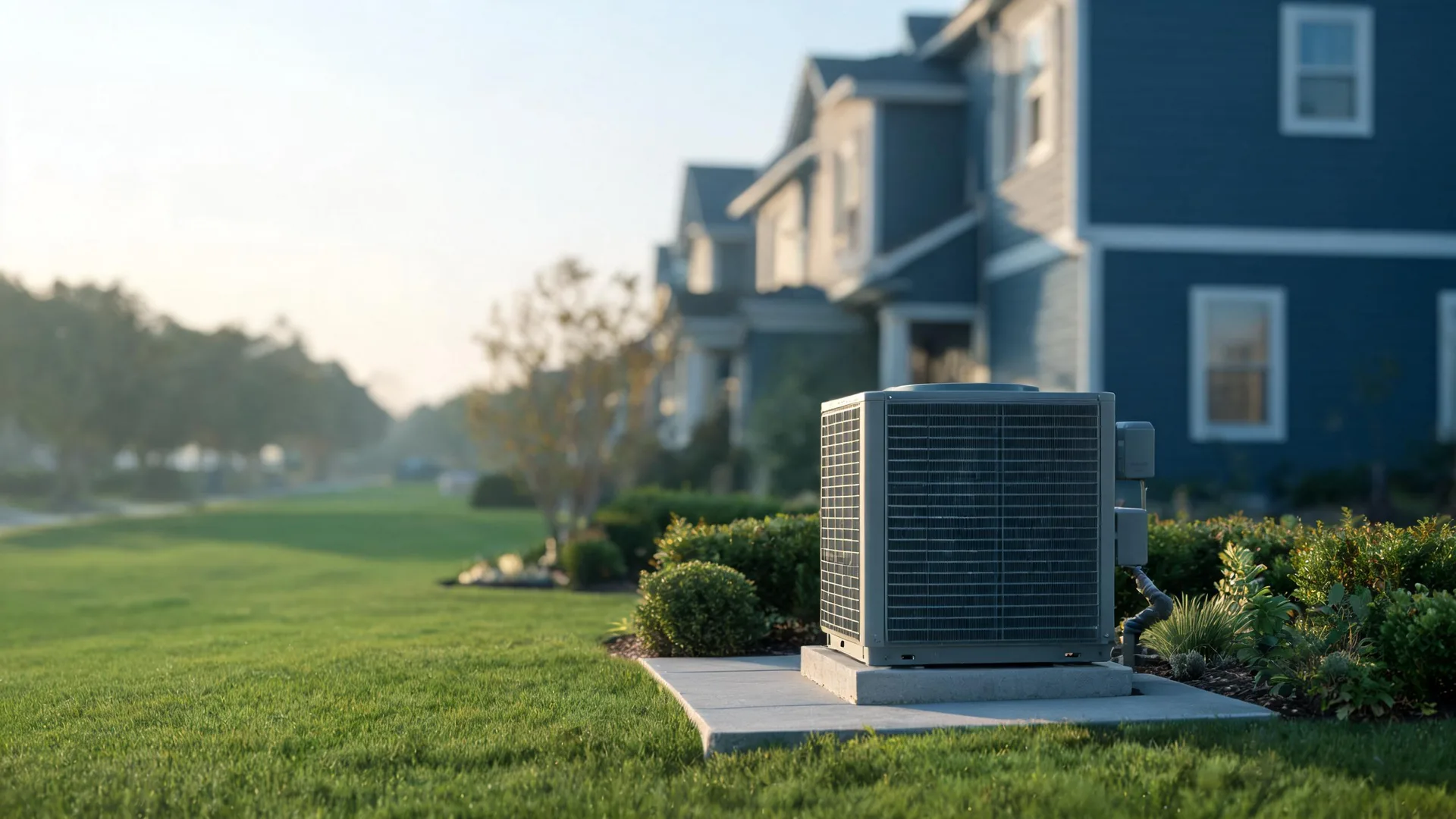
A gray heat pump outdoor unit mounted on a concrete pad next to the stone-accented exterior wall of a house.

Get a load calc before a quote

A load calc tells the installer what size unit the house actually needs, room by room, instead of a number pulled from a chart. If your ductwork dates back to the house itself, that's worth having looked at before the new equipment goes in, since a heat pump pushes air differently than what's been running there.

Too big is its own problem

A heat pump sized bigger than the house needs will still cool the air fast, but it shuts off before it finishes pulling the moisture out. The result is a house that feels clammy even when the thermostat says it's satisfied. On the heating side, an oversized unit cycles on and off more than it should, and that short cycling wears on the compressor instead of easing into a long, steady run.
The math behind the number

A load calculation weighs the house room by room. It looks at how much wall and window area each space has, which way it faces, how much air leaks through gaps around doors and framing, and how the rooms connect to each other. That's what sets the size, not the square footage of the house alone. Homes built the same size can still need different sized units if one holds heat better than the other.

If the furnace stays in as backup, nothing about removing it changes. It gets disconnected from the duct run where the heat pump's air handler ties in, and the gas line gets capped off if it's coming out for good. An old central air condenser is the part most often hauled away outright, since the heat pump replaces what it did. Whoever handles the install should also recover the refrigerant from the old system before disconnecting it. That refrigerant can't just be vented into the air, it has to be captured and taken off site properly. Ask what happens to the old equipment before the work starts, not after.

Installation day starts with the outdoor unit and the indoor air handler or coil, set on their pads and lines run between them. The refrigerant lines get connected, pressure tested, then pulled into a vacuum to clear out any moisture or air before the system ever runs on refrigerant. Skipping that step is what causes a brand new system to fail early, so it's not a step worth rushing. Electrical comes next, a dedicated circuit sized to the unit, plus the low voltage wiring to the thermostat. Once it's all connected, the system gets charged with refrigerant to the exact weight the manufacturer specs, not just until it feels cold. Before anyone leaves, it should run through a full cycle in both heating and cooling so you can hear it, feel the air at the vents, and ask questions while the installer is still there.