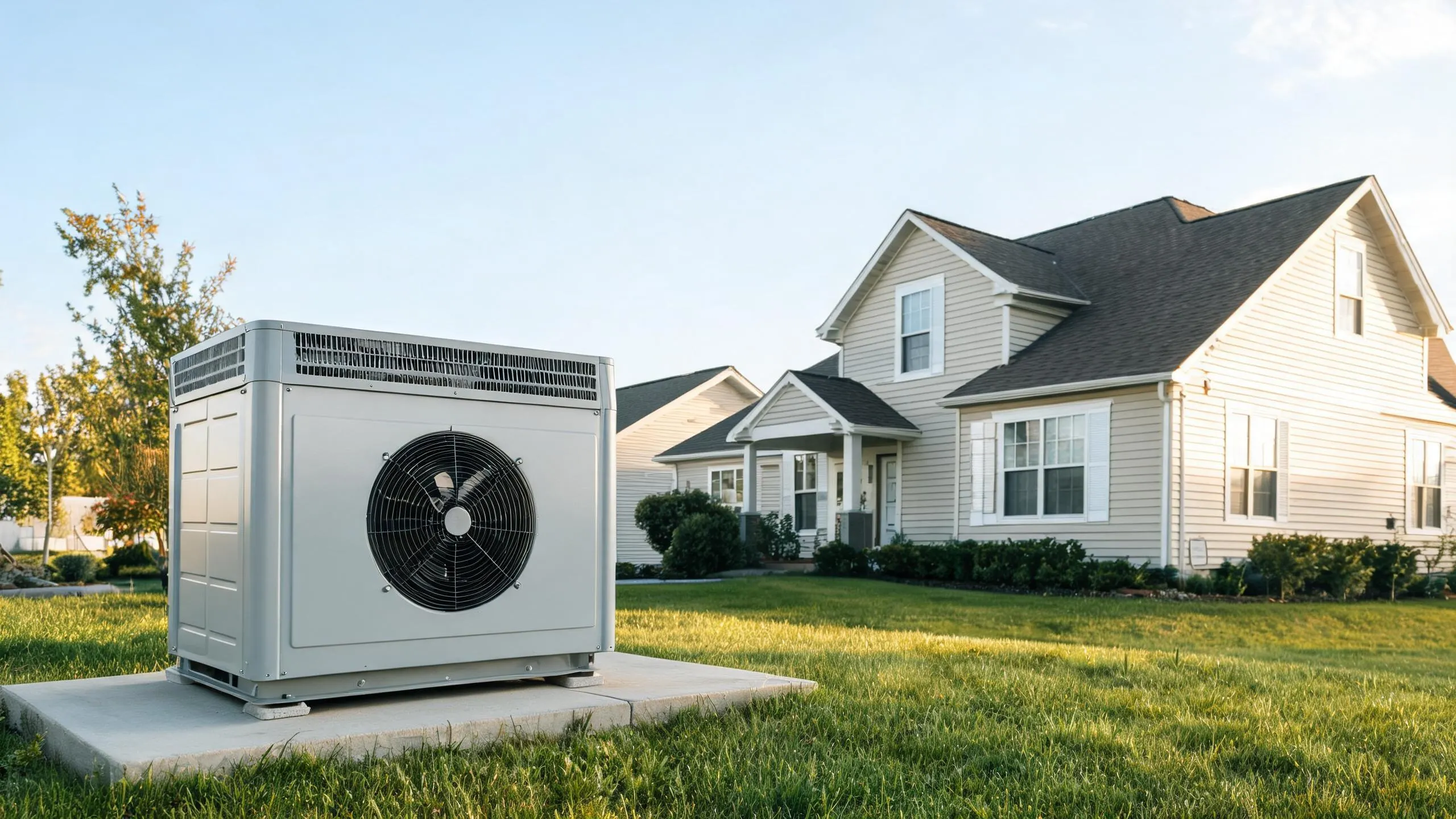
Most homes here run on electric heat
Electricity heats 57.4% of homes in Jackson County, more than gas and propane combined. A heat pump fits right into that setup since it runs on electricity too.
Takes about a minute. No obligation.
Electricity heats 57.4% of homes in Jackson County, more than gas and propane combined. A heat pump fits right into that setup since it runs on electricity too.
No gas line to cap, no venting to rework. The electrical side of the house is already built for this kind of system, which keeps the installation closer to a straight equipment change.

NOAA nClimDiv, 1991–2020 normals
Heat here runs October through April, about seven months a year.
A heat pump installed before September has the colder months to prove itself before it has to carry the house.



Jackson County asks for real heating and real cooling, not one extreme. Winter nights average 25°F, cold enough to work a heat pump, but nothing like the harder climates further north. Summers run hot and humid rather than brutal. That split load is easier on the equipment than a place that leans hard one way, so a standard heat pump sized to the house has a reasonable job to do, not a punishing one. The top-tier efficiency models earn their keep where the swings are bigger than this.
A heat pump sized right for this house runs on the same electric setup already in place, at 14.77 cents per kilowatt-hour. There's no reason to pay for a bigger or higher-tier unit than the load calls for.
Find a contractor
The old equipment doesn't get left behind for someone else to deal with. Refrigerant gets recovered into a tank before any line is disconnected, since it can't be vented into the air. Once that's done, the outdoor unit unbolts from its pad, the indoor coil comes out of the air handler, and the line set gets pulled or capped. Copper has scrap value, so most of it goes to a recycler rather than a landfill. The pad itself usually stays, since a new pad often isn't needed if the old one is still level and solid.
The efficiency number on the label comes from running the unit across a whole range of outdoor temperatures, not the one on the coldest or hottest day. A heat pump works hardest right when it's coldest out, and the rating already accounts for that. Judge it on the stretch of months it has to cover, not on how it handles any single afternoon.
Every step up in efficiency usually means a larger coil, a better compressor, or a variable-speed motor instead of a single-speed one. That raises the price of the equipment itself. The payoff shows up later, in a lower electric bill, and how fast that payoff arrives depends on how much the system actually runs each year.
The equipment itself is only part of what you're paying for. A heat pump has to move refrigerant between an outdoor unit and an indoor coil, and the line set connecting them, along with the electrical circuit feeding the outdoor unit, often need work during a swap even when the new system is a straight match for the old one. If the ductwork was sized for a different kind of system, or has leaks and weak runs feeding certain rooms, that gets priced in too, because a heat pump that can't move air through the house won't hold the temperature it's set to. Where the unit sits matters as well. A pad that needs leveling, a line set that has to run further than before, or a disconnect that needs relocating all add labor. None of this is optional or padded in. It's the difference between a system that's sized right and placed right, and one that just gets dropped where the old one sat.
Installation day starts with the old system coming out, not the new one going in. The outdoor unit gets disconnected from its electrical circuit and the line set is drained of refrigerant before anything is unhooked, since that refrigerant can't just vent into the air. Once the old equipment is clear, the pad or mounting gets checked, because a heat pump has to sit level to drain properly and run quiet. The indoor coil goes in next, matched to the air handler or furnace it's pairing with, then the line set gets run and connected on both ends. Every joint gets brazed and pressure tested before the system is charged with refrigerant, since getting it right at install is what keeps the system trouble-free later. Only after it holds pressure does the crew power it up, check the charge against the manufacturer's numbers, and run it through a full cycle to see that it's pulling the temperature down and holding it.