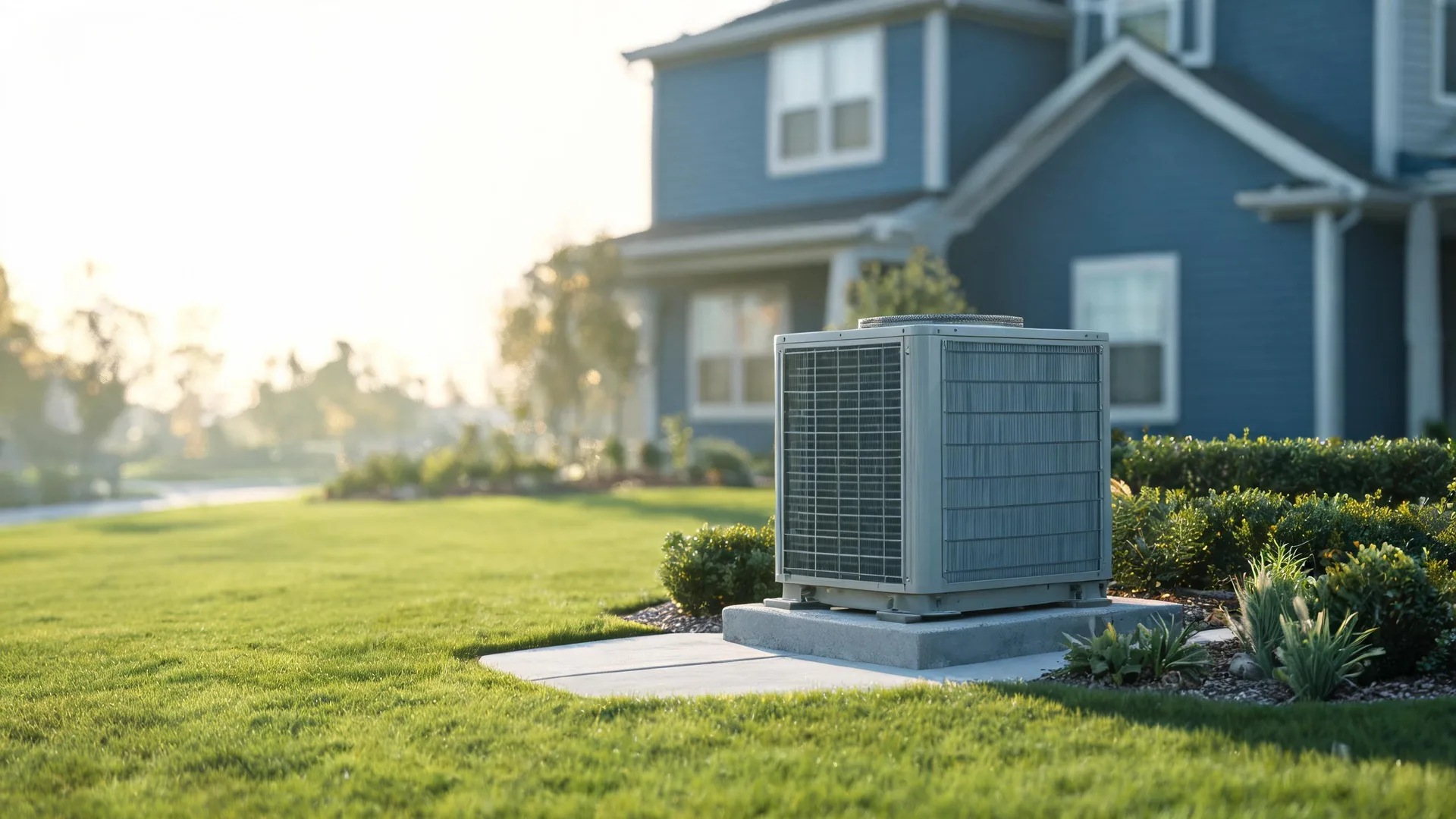
Most homes here run on gas
Utility gas heats 55.1% of occupied homes in Knox County. Electricity is next at 34.0%, with propane making up most of the rest. A furnace is still the most familiar setup for homeowners in Vincennes.
Takes about a minute. No obligation.
Utility gas heats 55.1% of occupied homes in Knox County. Electricity is next at 34.0%, with propane making up most of the rest. A furnace is still the most familiar setup for homeowners in Vincennes.
Installing a heat pump here usually means weighing it against a gas furnace, not replacing one directly. Some homeowners keep the furnace as backup for the coldest days and let the heat pump handle the rest of the year. Others switch over fully. Either way, the contractor sizing the system needs to know which path you want before the installation starts.

NOAA nClimDiv, 1991–2020 normals
One contractor's ton size can be another's guess dressed up with a number.
Ask what load calculation they ran on this house, not what size the old system was.



A heat pump here covers heat from October through April and cooling from May through September, so it's working most of the year, not sitting idle. September is the month to get one installed, before the first cold morning makes you need it that day. Waiting until October means whatever is available gets put in, sized by guesswork instead of a load calculation. A contractor working in September can take the time to check the ductwork and size the unit to this house, not just match the old tonnage.
A heat pump has to match the house it's going into. Half the homes in Knox County were built in 1962 or earlier, so a lot of the systems going in now are going into older houses with older ductwork. A load calculation tells the contractor what that specific house needs, not what the last system happened to be.
Find a contractorIf your ductwork dates back to the house, have it checked before the new unit goes in, not after. Heat pumps move a different volume of air than a furnace does, and ducts sized decades ago may need changes to work with it well. This is also the point to ask about supplemental heat for the coldest days, since what the old system needed and what this house actually needs can be two different numbers.
If the furnace stays on as backup for the coldest days, it still needs its own yearly check, same as before. A furnace that sits unused for months can have trouble starting back up if nobody's looked at the igniter or the burners since it last ran.
If you're switching over completely, the furnace, the flue, and sometimes the gas line get disconnected to make room for the air handler the heat pump needs. Whoever does this should cap the gas line properly, not just shut a valve and leave it.
A heat pump gets sized by what the house loses on the coldest day and gains on the hottest one, not by a rule of thumb per square foot. That means a contractor measuring wall and ceiling insulation, counting windows, checking which way the house faces, and looking at how much attic space sits above the living area. Too big and the unit short cycles, running in quick bursts that cool or heat the air without running long enough to pull the moisture out of it. Too small and it runs flat out on the worst days and still can't keep up, leaving the backup heat to do work it was only meant to help with. The math is the same one used for a furnace or an air conditioner, except a heat pump has to be sized for both sides of the year, the heat it needs to move out of the house in summer and the heat it needs to pull in from outside air in winter. Get the load calculation right and the unit matches the house instead of just matching the last system that was in it.
Installation day starts with the old equipment coming out, and if ductwork is changing to suit the heat pump, that work happens before the new unit ever gets set. The outdoor unit gets leveled on its pad, placed where nothing blocks airflow around it. The line set connecting it to the indoor coil gets run, then pressure tested before any refrigerant goes in. A line set that leaks slowly will rob the system of capacity for years if that test gets skipped. Once everything checks out, the system gets charged with refrigerant to the exact weight the manufacturer specifies, not just until the gauges look about right. Last comes the startup check, where airflow, temperature split, and the thermostat settings all get confirmed before the job is called done.