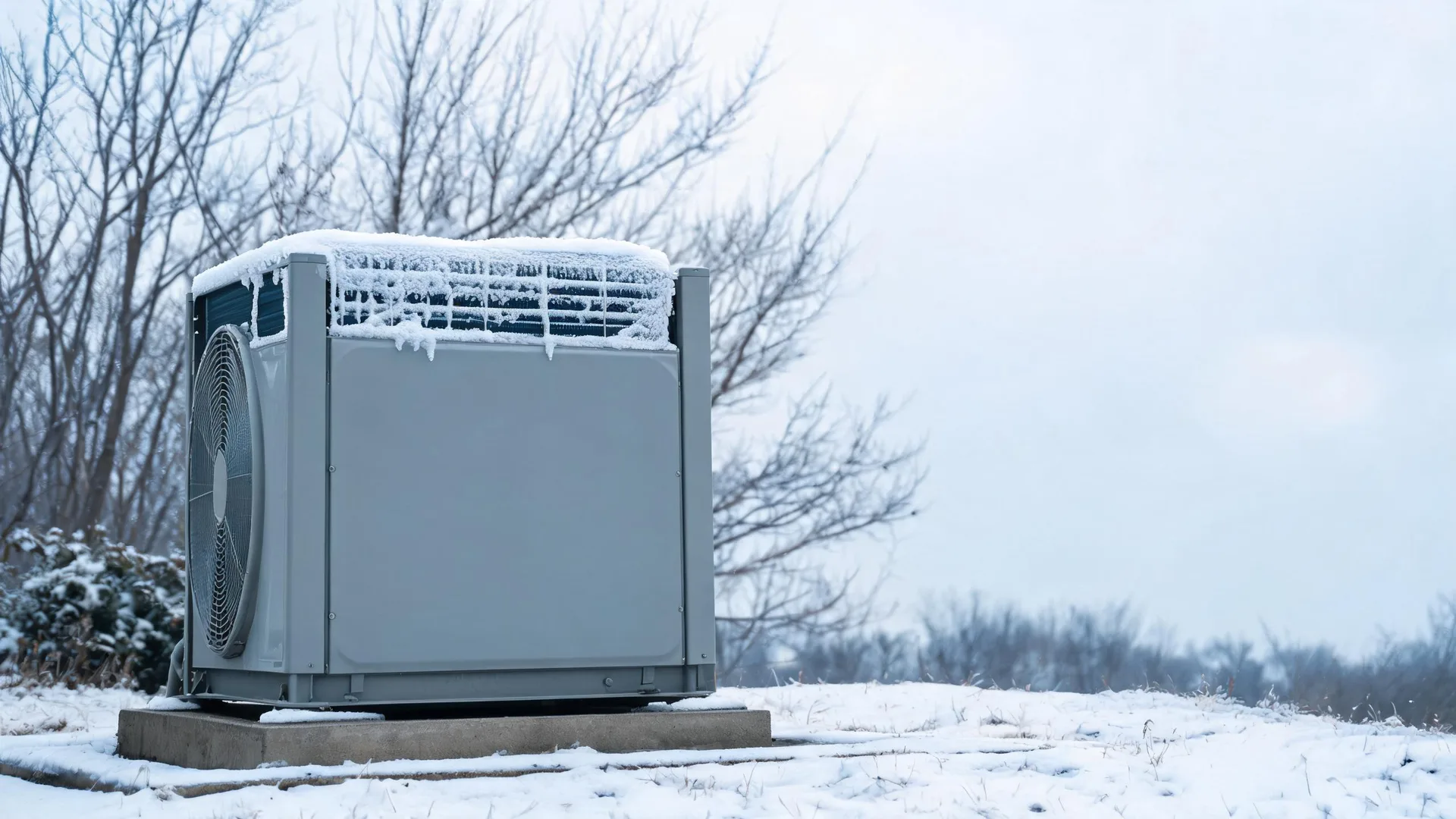
Storms come through often
Allen County logged 241 severe weather events between 2015 and 2024, including 166 damaging wind events, 56 hail events and 5 tornadoes. That outdoor unit sits outside through all of it.
Takes about a minute. No obligation.
Allen County logged 241 severe weather events between 2015 and 2024, including 166 damaging wind events, 56 hail events and 5 tornadoes. That outdoor unit sits outside through all of it.
17% of Indiana households lost power for 24 hours or more in 2024. A heat pump that's down when the grid comes back needs to be working, not waiting on a repair.
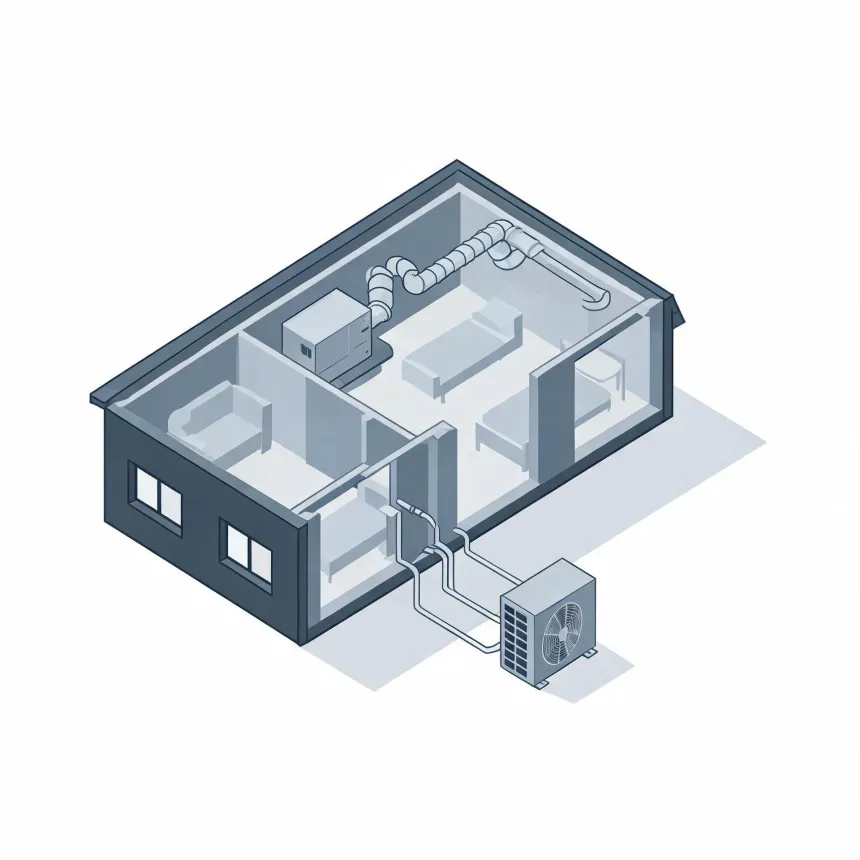
NOAA nClimDiv, 1991–2020 normals
Your heat pump switches over to heat in October and runs that way until May.
September is the month to get a weak part fixed, before the first cold morning asks more of it.



A heat pump here works through heavy summer air and then turns around for a long cold stretch. The dew point averages 62°F across June, July and August, and air that heavy means the system is pulling moisture out along with heat, not just cooling the house. The outdoor unit sits through that all season, then through whatever wind or hail comes with it. A part that's been straining since July doesn't get a rest before winter puts a different load on it. When a heat pump starts acting up, that kind of year-round strain is usually behind it, and finding the actual cause matters more than patching what you can see.
If that outdoor unit took hail or got hit by debris in the last storm, it's worth having someone look even if the heat pump still runs. Damage like that doesn't always show up right away, and you don't want to find out during the next outage.
Find a contractorA heat pump here doesn't get an off season. It runs cooling for several months, switches over, then runs heating for several more, with no real break in between. Whatever is wearing on it this year has usually been building since summer. If it's short cycling, slow to switch over, or not keeping up on the coldest or hottest days, that's worth having looked at rather than waited out, because the same strain that caused it is still there tomorrow. A tech who checks the actual cause can tell you if it's a part worth fixing or a sign the system is further along than it looks.
A heat pump low on charge will keep running, but the compressor ends up working harder to move less heat. Left alone, that extra strain is what takes out a compressor, and a compressor is the most expensive part in the system.
If the reversing valve or defrost control isn't doing its job, frost builds on the outdoor coil instead of clearing. Every cycle it runs makes the ice a little thicker, until the coil is blocked and the unit can't pull heat from the air at all.
Most heat pump failures trace back to a handful of parts. The reversing valve is one of them. It's what switches the system between heating and cooling, and when it sticks, the unit keeps running in the wrong mode or won't switch at all. The capacitor is another. It gives the compressor and fan motors the jolt they need to start, and a weak one causes hard starts or a unit that hums but doesn't kick on. Contactors wear out too, from years of opening and closing every time the system cycles, and a pitted contactor can fail to make contact at all. None of these parts fail because of one bad day. They wear down from the ordinary work of starting and stopping, cycle after cycle, until one morning they don't catch.
A heat pump that's hard-starting or stuck in the wrong mode doesn't stop pulling power, it just works harder for the same result. That extra draw shows up on the bill before the unit ever quits outright. A weak capacitor, a stuck reversing valve, a contactor that's barely making contact, any of those can be behind it, and none of them get cheaper to run by waiting. A tech can usually find which one it is in a single visit. Fixing it now means you're not paying to run a system that's fighting itself all winter.