September matters most
Heat pumps in Grant County switch over to heat in October. September is when a weak part still has room to fail before the system has to carry the full load.
Takes about a minute. No obligation.
Heat pumps in Grant County switch over to heat in October. September is when a weak part still has room to fail before the system has to carry the full load.
A heat pump that struggled last spring won't have gotten better sitting idle all summer. The first real cold snap in October is when a tired capacitor or low charge usually shows itself.
NOAA nClimDiv, 1991–2020 normals
A heat pump that's old enough to be on its second reversing valve is telling you something.
When the repairs start stacking up on a unit that's already worked through one major part failure, the next call is usually about something else just as tired.



Half the homes in Grant County were built in 1963 or earlier. If your heat pump came with a house that old, it's worth asking how many years it has on it rather than assuming it's new just because it's running. A heat pump doesn't usually fail all at once. It loses capacity, runs longer to hold the same temperature, and starts needing more repairs closer together. If yours is original to an older house, a breakdown now is a reasonable point to ask a contractor how much life is actually left in it before paying for a major repair.
Winter in Grant County runs cold, with overnight lows averaging 22°F through December, January and February, but that is a steady load, not a harsh one. This heat pump hasn't been fighting extreme heat or sudden swings all year. A repair on a unit like that is usually worth doing. Get a contractor out and find out what's actually wrong before you decide otherwise.
Find a contractor
Ask a contractor for both numbers at once. How old the unit actually is, and how much life it has left before another part goes. If it came with the house, that's one call instead of waiting for the next breakdown to ask the same question.
Every switch between heat and cool routes through the reversing valve. It gets energized for long stretches at a time, and it's usually the first part to stick. When it sticks, the system keeps blowing the wrong temperature no matter what the thermostat says.
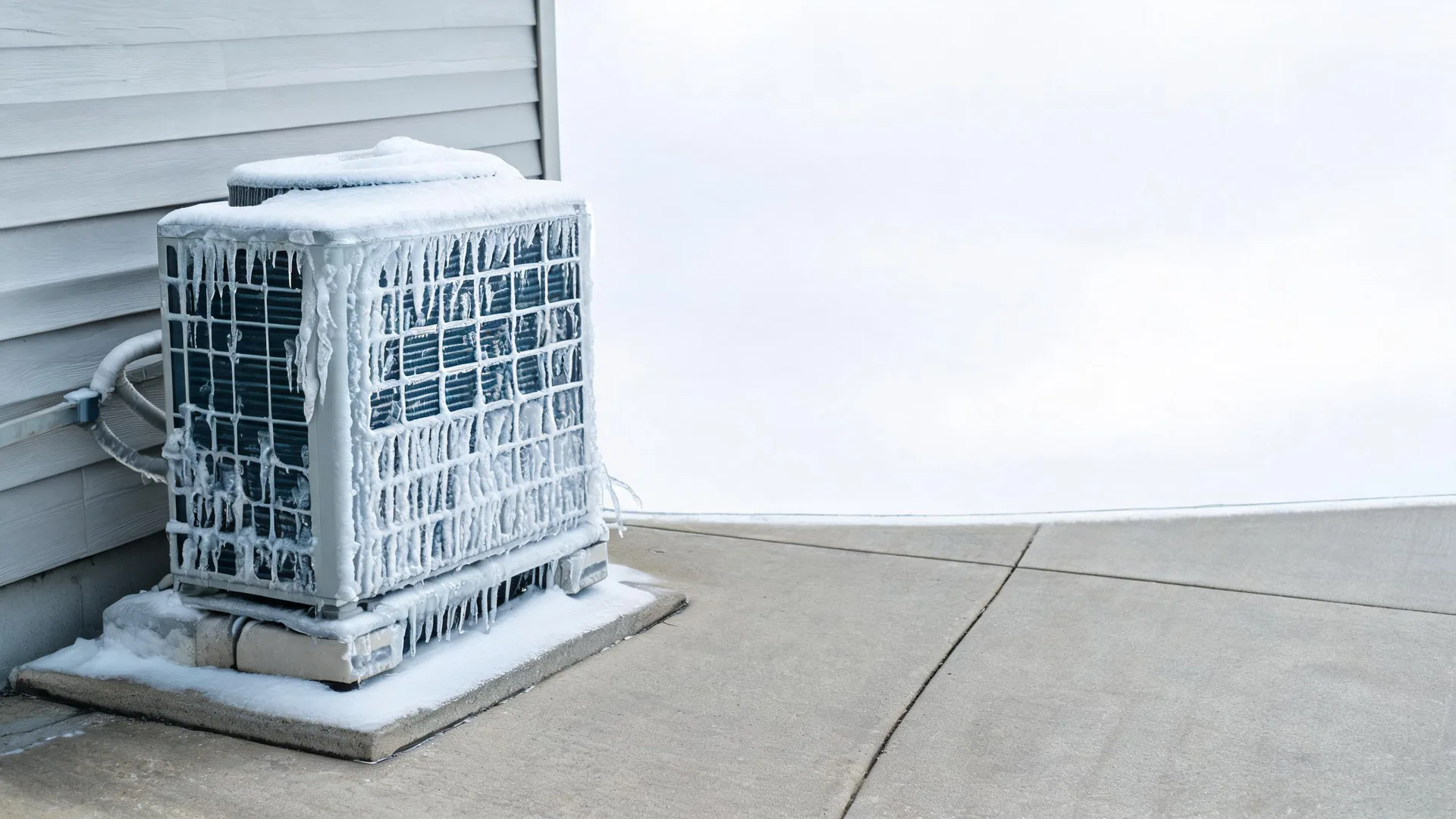
The outdoor coil sits outside year round, exposed to whatever lands on it. Dirt on the fins, bent fins, or a defrost cycle that isn't kicking in all end the same way. Ice builds up on the coil and the unit slowly loses its ability to keep up.
A heat pump that needs attention rarely just stops. It tells you first. Air coming out warm instead of hot is one sign. A system that runs nonstop without ever closing the gap on the thermostat is another. Ice on the outdoor unit that doesn't clear during the defrost cycle means it's losing that fight too. A new grinding or screeching sound usually means a motor bearing is going. Clicking at the outdoor unit followed by nothing means a part failed to start it, not something to wait out. None of these mean the whole system is done. They mean something specific inside it needs a look before it fails the rest of the way.
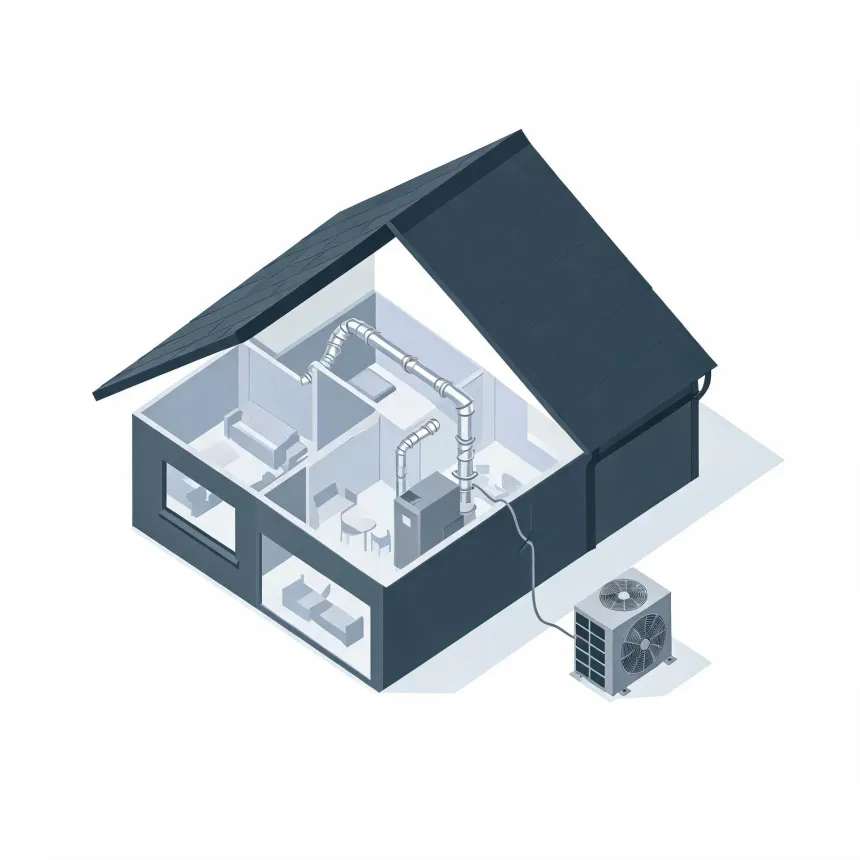
A diagnostic call starts outside, at the unit itself, before anyone touches the thermostat. A tech checks the refrigerant charge, the pressures on both sides, and the amp draw on the compressor, because those numbers point to whether the problem is electrical, mechanical, or a leak. Inside, they'll check the air temperature coming off the coil against what's going in, which tells them if the system is actually moving heat or just moving air. If the reversing valve is suspect, they'll test it directly rather than guess from symptoms, since a valve that's stuck partway can mimic other problems that have nothing to do with it. Most of this doesn't require opening the unit up. It means hooking up gauges, reading what the system reports, and narrowing down which part is lying to the rest of them before anything gets replaced.