Half the homes in Monroe County were built in 1986 or later
Half the homes here went up in 1986 or earlier, and half in 1986 or later. A heat pump that came with one of the newer houses hasn't logged as many years of runtime as one in an older home.
Takes about a minute. No obligation.
Half the homes here went up in 1986 or earlier, and half in 1986 or later. A heat pump that came with one of the newer houses hasn't logged as many years of runtime as one in an older home.
A heat pump still well within its working life is the kind worth fixing when something goes wrong. If your system came with the house, that's worth checking before you decide what to do about the repair.
NOAA nClimDiv, 1991–2020 normals
Winter lows in Monroe County average 24°F, and summers run humid instead of brutally hot.
A heat pump here isn't fighting extremes in both directions, so parts tend to hold up longer than you'd expect.




So when a part fails here, it's usually just that part. A tripped breaker, a frozen coil, a bad capacitor. These are the kinds of failures a heat pump gets even when it's been treated well, not signs of a system breaking down. Hail and wind come through Monroe County often enough that a tripped breaker or a dented cabinet doesn't mean much on its own. Worth sorting out which one you've got before you decide anything.
Get the age of the system checked against the age of the house before you write it off. A heat pump still within its working life is worth having a contractor look at first.
Find a contractorA heat pump has no off season. A furnace sits idle most of the year while the heat pump keeps cycling, so its parts log hours a furnace's never will. The compressor matters most, since it's what moves the refrigerant, and it's built to run for years of that kind of duty. What usually gives out first are the parts around it. A capacitor weakens to the point it can't give the compressor or fan motor the jolt they need to start. A contactor's contacts pit from switching on and off so many times. The outdoor fan motor wears the same way any motor does, running hotter and louder before it quits. None of that means the system was neglected. It's the ordinary toll on a machine that never gets to stop.
A capacitor or a contactor costs little to replace and doesn't say anything about the rest of the system. A compressor going bad is a different conversation, since that's the part that makes the refrigerant cycle work at all. Ask the contractor to name the part before you ask them what it costs to fix.
Heat pumps get called out to switch between heating and cooling every day of the year, so a reversing valve or a defrost sensor can wear out on a system that's otherwise sound. One repair on a healthy unit is routine. It's a pattern of repairs on the same unit, especially the compressor or the coil, that's worth treating differently.
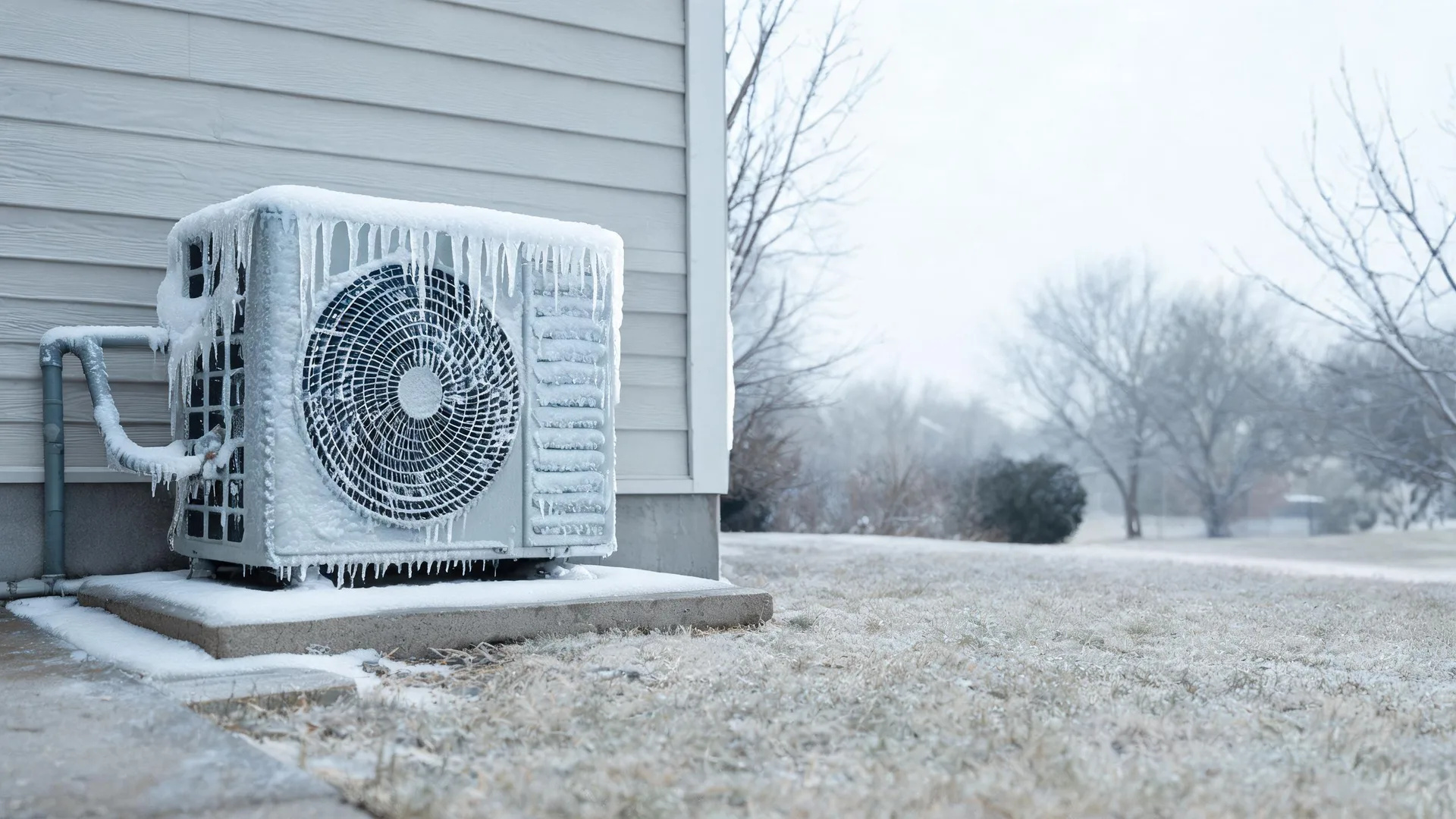
A few things are worth checking before anyone comes out. Look at the outdoor unit first. If the coil is caked in ice or buried in leaves and debris, that alone can stop a heat pump from working right. Check the thermostat batteries and make sure it's actually set to call for heat or cool, not sitting in a dead screen. Go to the breaker panel and see if the breaker for the outdoor unit has tripped. If the system runs but blows air that doesn't feel like it's doing anything, check the filter. A filter clogged with dust chokes airflow enough to make a working system feel broken. None of this fixes a bad capacitor or a failing reversing valve, but it rules out the things that aren't actually broken at all.
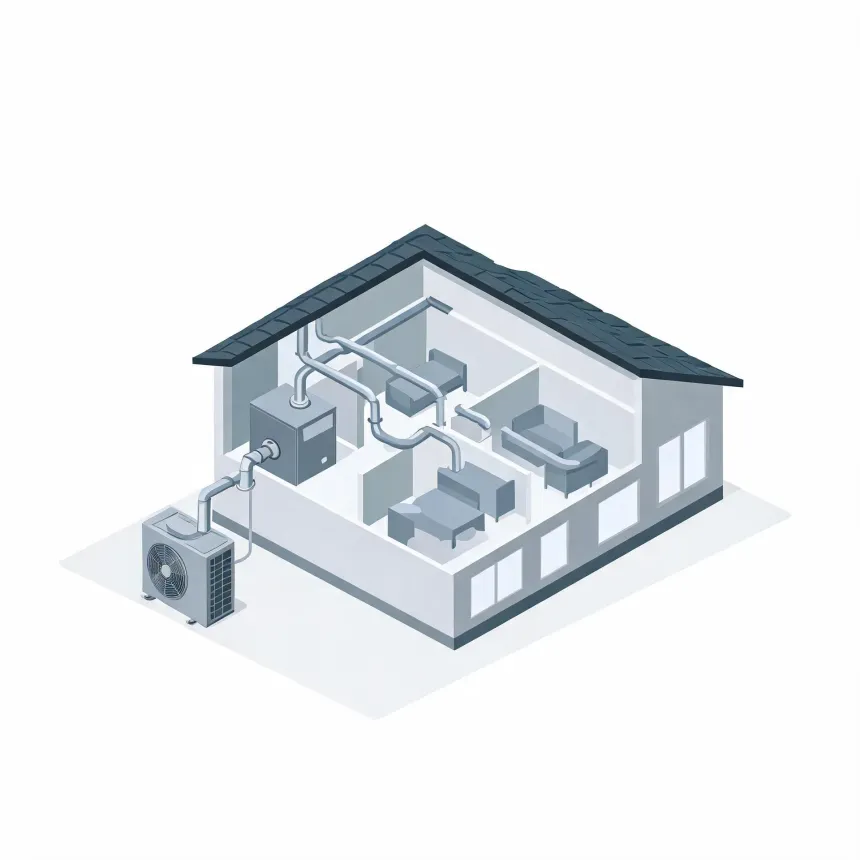
A contractor starts outside at the unit. They check the refrigerant pressure and look at the coil for ice or damage. They watch how the outdoor fan and compressor behave when the system is told to switch between heating and cooling, since that's where a heat pump shows trouble a furnace never would. Inside, they check the air handler and compare the temperature of the air going in against the air coming out. A capacitor or contactor gets tested even if it looks fine, because a part can be close to failing and still pass a glance. Each reading points at a specific part or rules one out. That's how a system that's just acting up turns into a part that's actually bad.