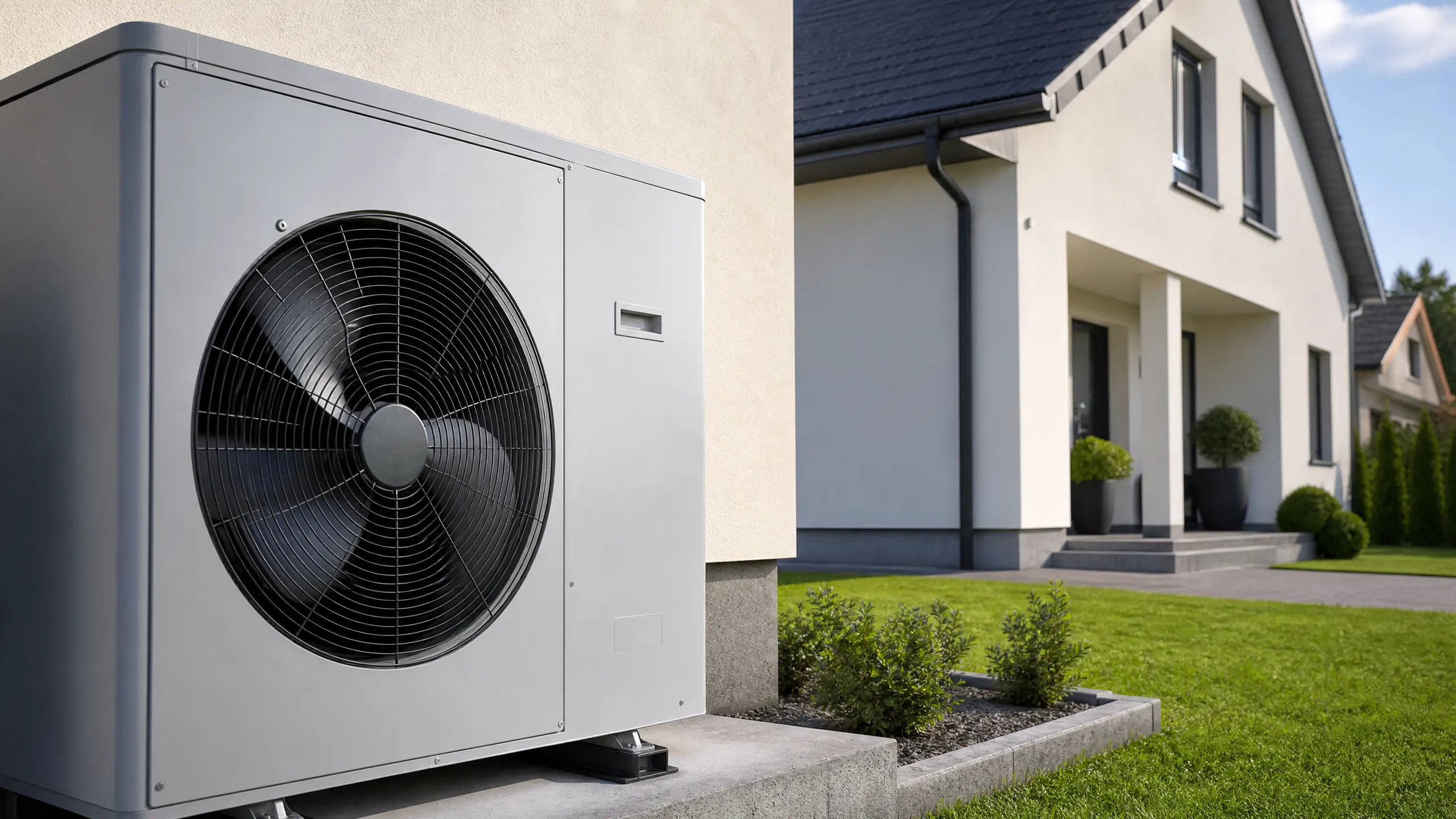





A grey air-source heat pump outdoor unit mounted on a concrete pad next to a modern white-rendered residential house.

Heat Pump Repair in Terre Haute, IN

Tell us about the job

Takes about a minute. No obligation.

RepairHeat PumpVigo County, IN
Step 1 of 2

What ZIP code is the job in?

A heat pump in Terre Haute still works for its living. Zone 4A means real cold in the winter and real humidity in the summer, with overnight lows averaging 23°F across December, January and February. That's a system running both directions, not coasting through one season. But it's not fighting extremes beyond what a heat pump is built for, and that matters when something goes wrong. A unit that's been running fine for years and suddenly isn't has usually hit a specific problem, a failed capacitor, a low charge, a reversing valve stuck in one position, not a slow breakdown from being pushed too hard. That's worth knowing before you decide whether a repair makes sense.

7 months
October through April, your system heats
5 months
May through September, it cools
23°F
the average winter night it heats against
85°F
the average summer afternoon it cools against
Isometric line illustration of a cutaway house showing interior rooms with furniture, ceiling ductwork connected to an indoor air handler, and an outdoor condenser unit linked by refrigerant lines.
Your system heats October through April and cools May through September.

NOAA nClimDiv, 1991–2020 normals

Heat pumps in Terre Haute switch over in October and again in May.

A weak part that made it through last season often fails in the first cold snap or the first hot stretch after the switch.

Electricity here runs 14.77 cents a kilowatt-hour, so a heat pump that's not running right costs you every month it keeps running that way

Power costs 14.77 cents a kWh statewide
49 damaging wind events from 2015 to 2024
22 hail events from 2015 to 2024
The weather here isn't what's hard on this unitHail and wind hit this county plenty, but neither one is what wears out a heat pump

A heat pump that's struggling still runs because it has to, and that's where small problems turn into big ones. A low refrigerant charge is a good example. Run it low and the compressor works harder to move the same heat, which drives up its temperature every cycle. Compressors aren't built to shed heat the way they're built to compress gas, so that extra strain wears on the bearings and the windings. Keep going long enough and a problem that was a service call becomes a compressor replacement. The same thing happens with a reversing valve stuck halfway. The system fights itself, heating and cooling at once, and the compressor absorbs that stress every minute it runs. Catching it early is usually the difference between swapping a part and swapping the unit.

A heat pump that's running wrong is costing you now

At 14.77 cents a kilowatt-hour, a heat pump short on charge or fighting a stuck reversing valve isn't just risking the compressor. It's burning more power every single cycle to do the same job. Getting the actual problem diagnosed stops both at once.

Find a contractor

What age tells you

A heat pump's compressor is sealed and built to last the life of the unit. When it fails, that's the unit done, no matter what else is sound. Parts like the capacitor, the contactor or the defrost board can be swapped on a system of any age, and doing it keeps an old unit running fine. The question is which kind of failure you've got, not just how old the nameplate is.
What a repair should tell you

A single part failing on its own, a capacitor, a fan motor, a sensor, is a normal repair and the unit is usually fine after. But a compressor straining from a problem that went unfixed, or a system that's needed a service call every season for a few years running, is telling you something different. At that point you're not fixing a unit, you're buying time on one that keeps finding new ways to fail.

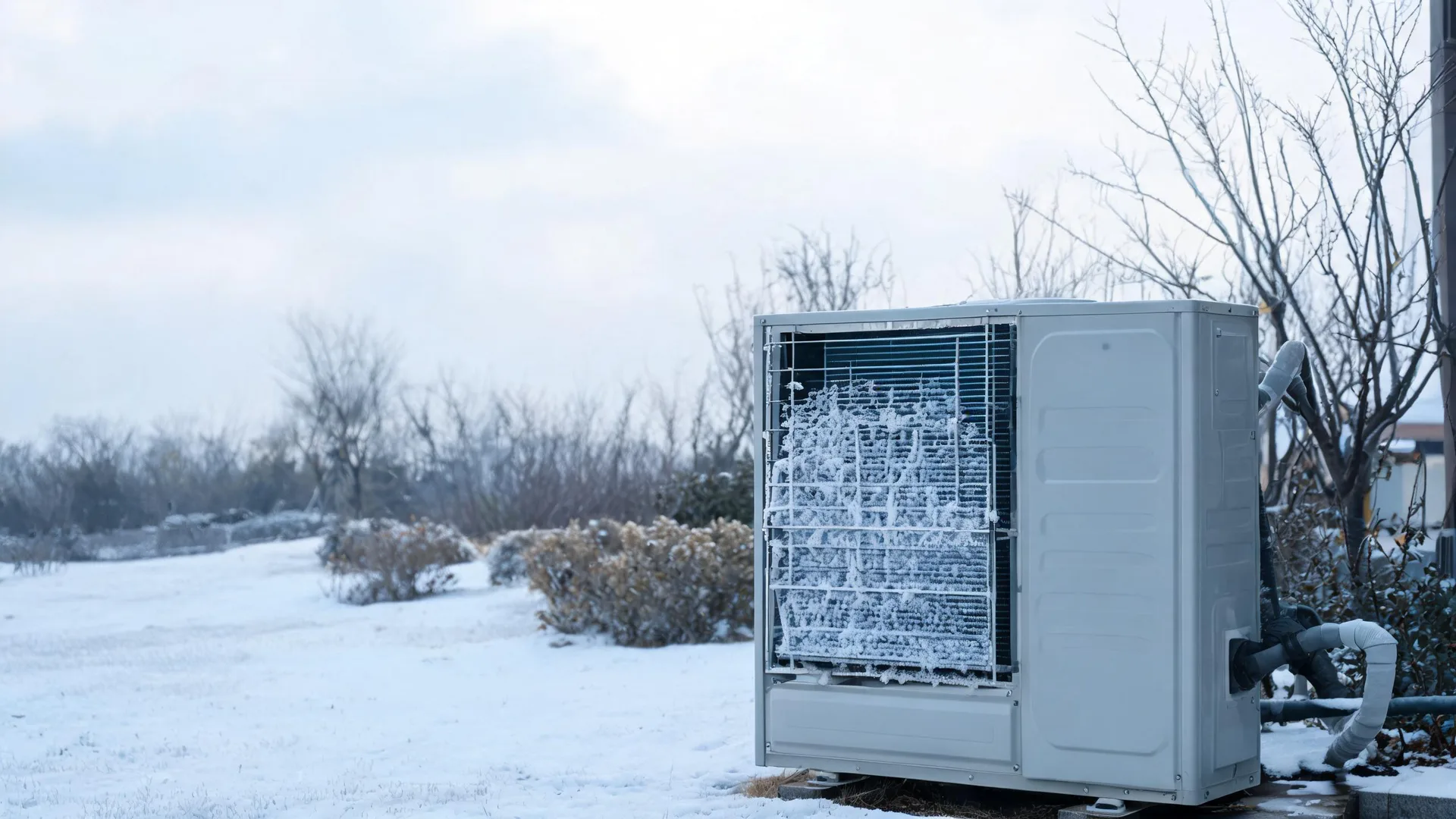
Most heat pump failures trace back to one part doing too much work for too long. A capacitor gives the compressor and fan motor the jolt they need to start. It weakens slowly, so the unit struggles to start on hot or cold mornings before it quits altogether. A contactor does the same wearing down, its contacts pitting from years of arcing until it sticks or stops closing. The defrost board controls when the outdoor coil clears itself of ice in winter, and when it fails the coil frosts over and the whole system loses its ability to move heat. None of these mean the unit is done. They mean a part that was never meant to last forever finally didn't.

A diagnostic visit starts with what the system is actually doing, not just what it's not doing. A tech will check the pressures on both the high and low side, because that tells them if the charge is right and whether the compressor is moving refrigerant the way it should. They'll check the temperature split between the air going into the system and the air coming out, which says a lot about whether the heat pump is actually moving heat or just running. Electrical parts get tested too, the capacitor under load, the contactor for pitting, because a part can look fine sitting still and still be the reason the unit won't start on a cold morning. If the system is stuck heating when it should be cooling, or the other way around, the reversing valve gets checked directly rather than guessed at. The point of all this is to find the one thing that's actually wrong, instead of replacing parts until something works.