Marion County sees real storm damage
Marion County logged 227 severe weather events between 2015 and 2024, including 140 damaging wind events, 67 hail events and 4 tornadoes. That outdoor unit sits outside year round, exposed to all of it.
Takes about a minute. No obligation.
Marion County logged 227 severe weather events between 2015 and 2024, including 140 damaging wind events, 67 hail events and 4 tornadoes. That outdoor unit sits outside year round, exposed to all of it.
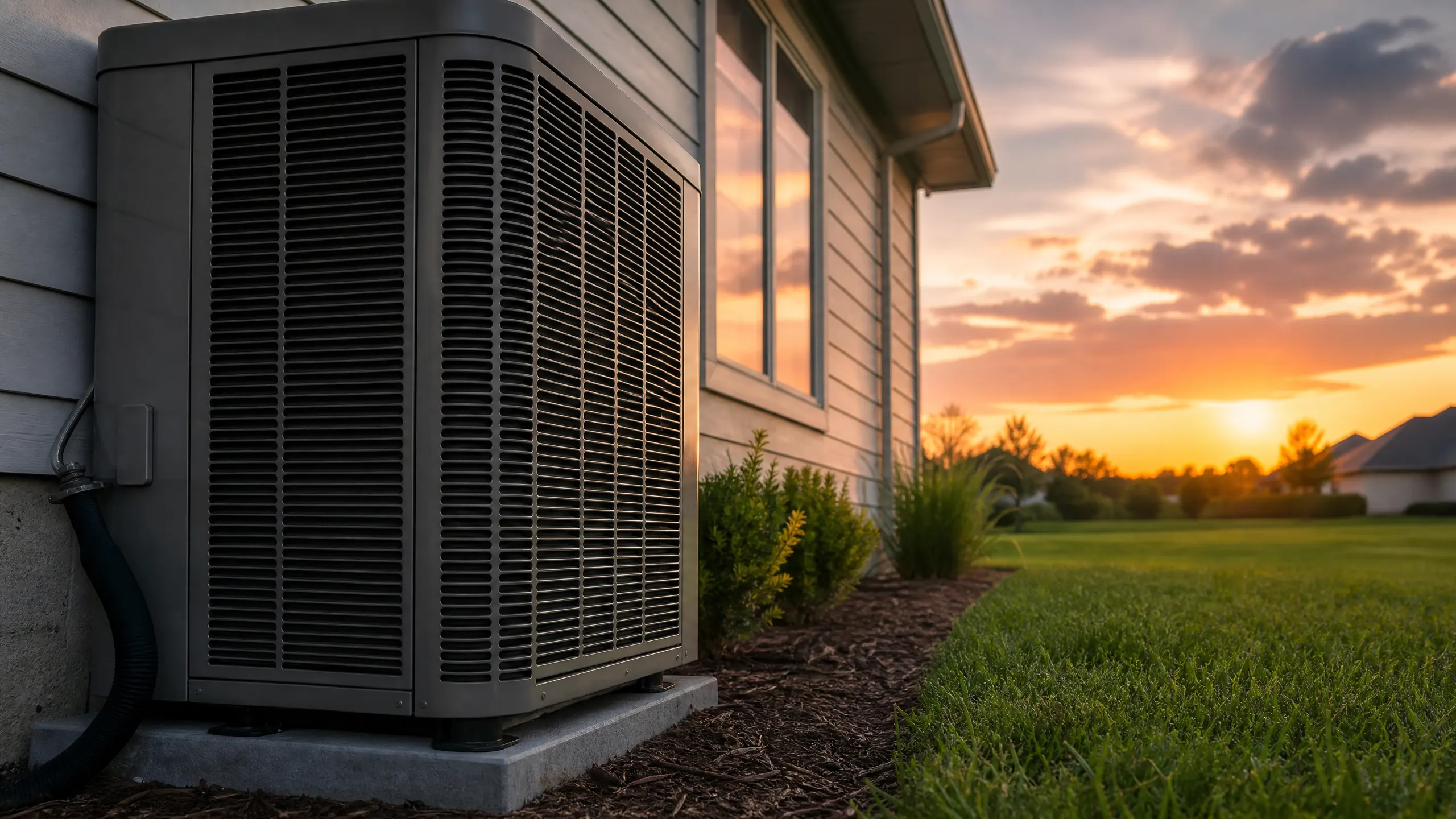
Hail dents fins and bends them shut, and wind throws branches and debris into the cabinet. A heat pump that took a hit can keep running for a while before the damage shows up as a real problem.

NOAA nClimDiv, 1991–2020 normals
Heat pumps in Marion County switch over to heat in October.
A weak part that made it through summer often fails the first cold week it has to produce heat instead of cooling.




A heat pump that's short cycling, running constantly, or blowing warm air is drawing power without giving you comfort back. That shows up on the bill before it shows up as a breakdown. Don't wait for it to fail outright. A part that's struggling, a failing capacitor, a refrigerant leak, a stuck reversing valve, tends to get worse, not better, and every week it runs like that is a week you're paying for it. If it's making it through its cycles but working harder to do it, have it looked at now instead of after the next cold snap.
If the outdoor unit took a hit from hail or wind this year, don't wait for it to show up as a bigger repair. A tech can check the coil and fins now and tell you what it needs.
Find a contractorIf your heat pump came with the house, find out when that was. A repair tech can also tell you how many years this unit has left in it before deciding whether to fix what's wrong or plan for a new one. Sinking money into a part on a system that's already near the end costs you twice.
A reversing valve that sticks partway, a compressor running low on charge, a motor bearing starting to go: none of these fail clean. They make the rest of the system work around them. The compressor pushes harder to make up for lost refrigerant. The blower strains against a motor that's binding. That extra load lands on parts that were fine to begin with, and now they're wearing faster too.
A heat pump that keeps cycling on a bad capacitor or a slow leak isn't just annoying to live with, it's putting hours on a compressor that's already under strain. Compressors are the expensive part to replace, and they're usually the part that pays for the neglect. Shutting it down and calling someone when the trouble starts costs less than running it until the compressor goes.
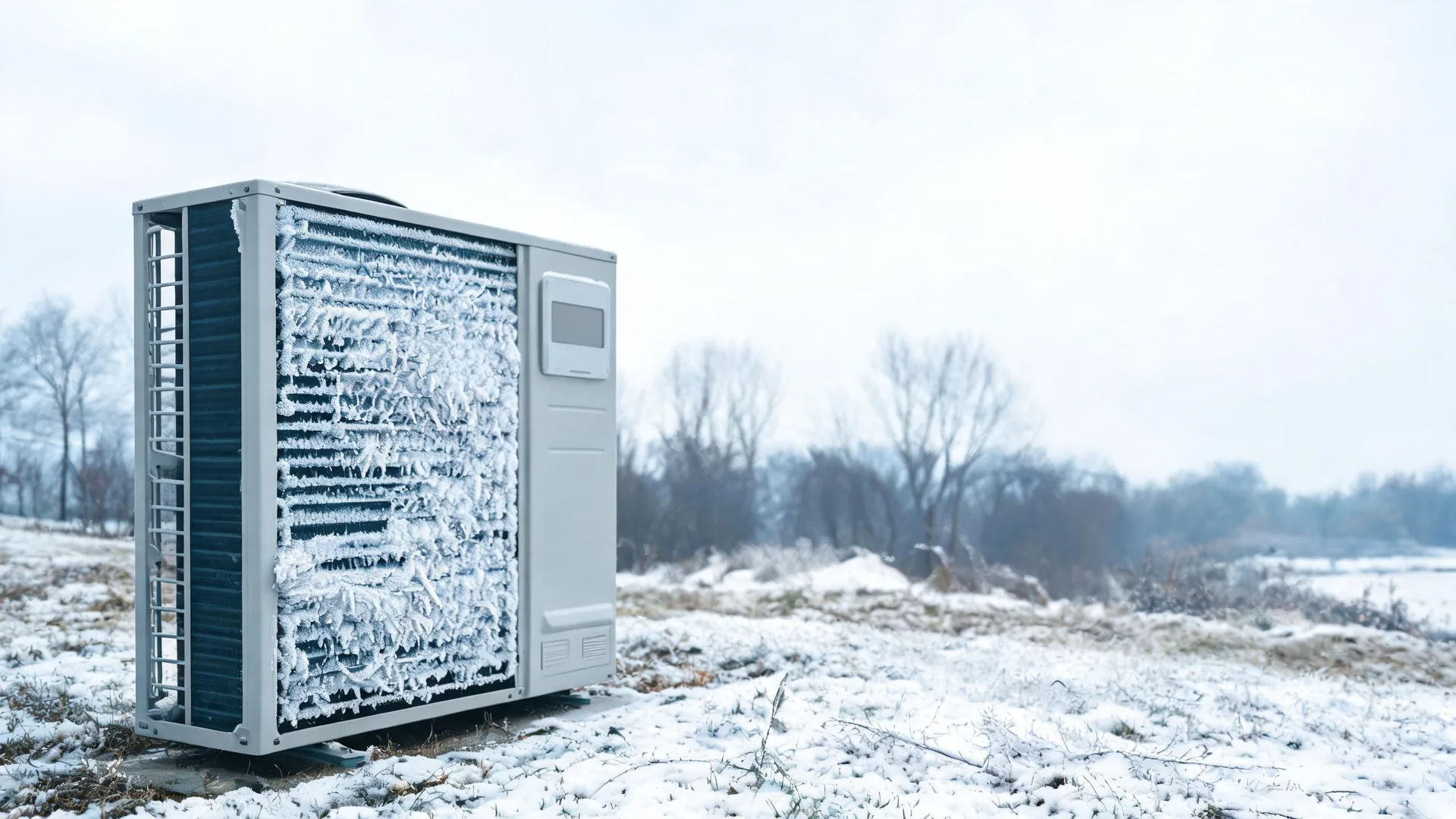
A few things are worth checking before anyone comes out. Look at the thermostat first. Make sure it's set to heat or cool as needed and the batteries aren't dead, since a blank or unresponsive display sometimes isn't the heat pump at all. Check the outdoor unit for anything blocking it, leaves, snow, a fallen branch pressed against the cabinet. Airflow in and out of that unit matters, and something sitting against it can make the whole system struggle. Go to the breaker panel and look for a tripped breaker, since a heat pump that won't start at all sometimes just needs that reset. Check the air filter too. A filter packed with dust chokes the airflow the whole system depends on, and it's the one part a homeowner can pull and look at without any tools. If the outdoor unit is caked in ice beyond the thin frost that's normal in defrost cycles, that's worth noting but not something to chip at yourself.
Repair or replace comes down to what's failing and what it's riding on. An old thermostat or a run capacitor is a small, contained fix, cheap parts that don't say anything about the rest of the system. A compressor is different. It's the one part that isn't economical to replace on its own, and when it's the one failing, that's usually the point where a straight repair stops making sense. Age matters alongside the part. The same failure on a unit a few years in and one well past its expected run are two different conversations, because a system near the end of its life tends to send the next failure and the one after that. A tech can check refrigerant charge, pressures and the condition of the compressor and reversing valve, and tell you honestly whether this is a repair or the start of a pattern.