


What winter here does to a heat pump
Your furnace or heat pump has eight months of work ahead of it here, October through May. The overnight low averages 23°F across December, January and February. About 115 nights a year drop to freezing or below, roughly half the nights in that stretch. A standard heat pump starts falling short of its rated output below 40°F and often leans on backup heat below about 35°F. Every one of those 115 freezing nights here falls under both marks.
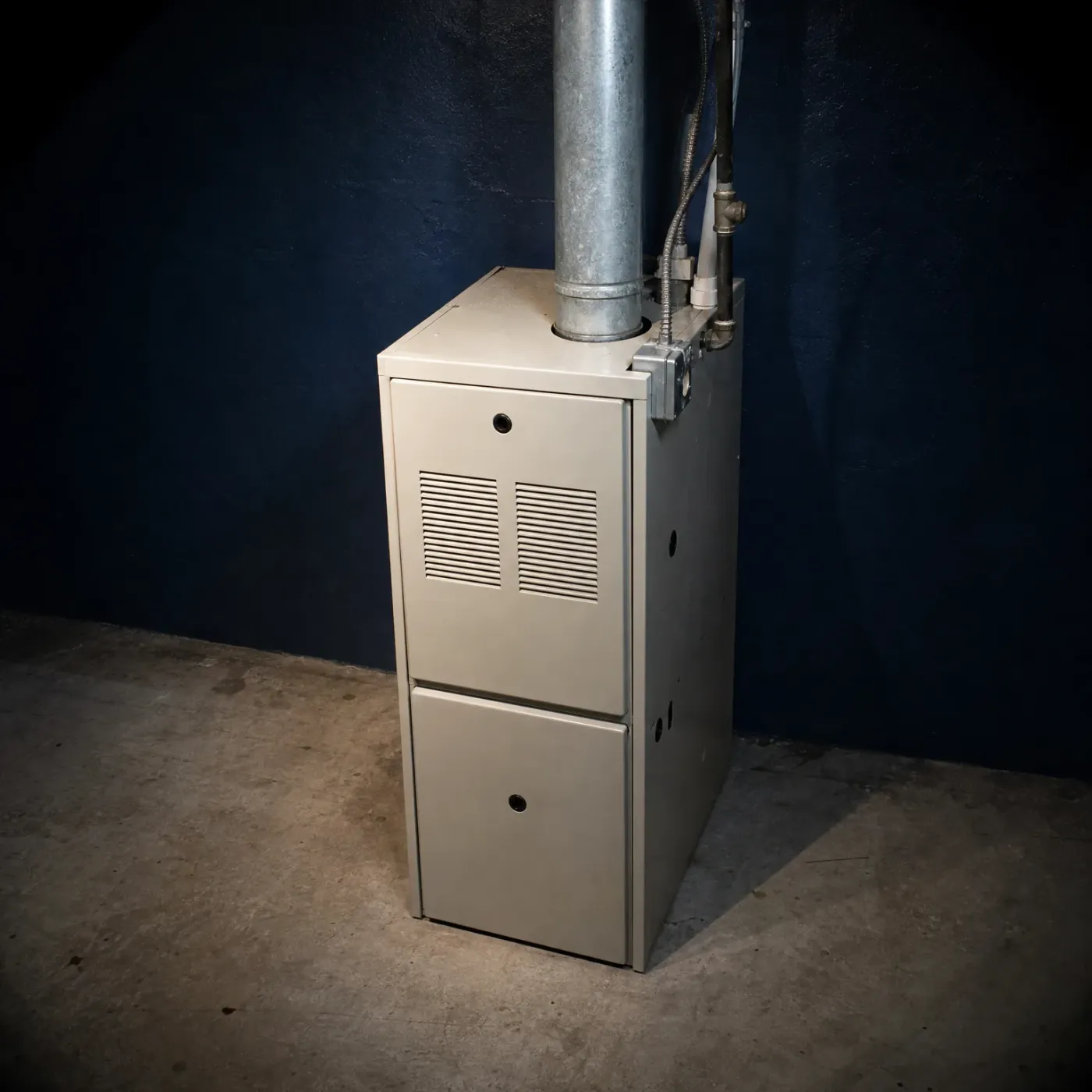
A furnace does not work harder or weaker depending on the night. It burns gas, makes heat, and the outdoor temperature does not change how much it has to give. The coldest night of the year asks the same of it as any other.
That does not mean a heat pump leaves you cold. The ENERGY STAR Cold Climate models are tested to hold at least 1.75 units of heat per unit of electricity at 5°F, and to keep at least 70 percent of their 47°F capacity at that temperature. A two-winter field test of prototype cold-climate heat pumps in occupied homes found backup heat covered only a small share of the load between 0°F and 35°F, and running on backup alone was rare even above 0°F. Marion County sees 0°F or below about 4 nights a year, a small part of the 115 freezing nights. A cold-climate heat pump here would be doing most of that work on its own compressor. A standard heat pump, the kind built to the federal minimum, is leaning on backup heat through a lot more of that winter.