Storms come through here often
Marion County logged 227 severe weather events between 2015 and 2024, including 140 damaging wind events, 67 hail events and 4 tornadoes. Winter added 12 more, from heavy snow to ice to blizzards.
Takes about a minute. No obligation.
Marion County logged 227 severe weather events between 2015 and 2024, including 140 damaging wind events, 67 hail events and 4 tornadoes. Winter added 12 more, from heavy snow to ice to blizzards.
Statewide, 17% of Indiana households lost power for 24 hours or more in 2024. A furnace with no backup plan for that is a furnace that can't heat the house when it's needed most.
NOAA nClimDiv, 1991–2020 normals
Half the homes in Marion County were built in 1973 or earlier.
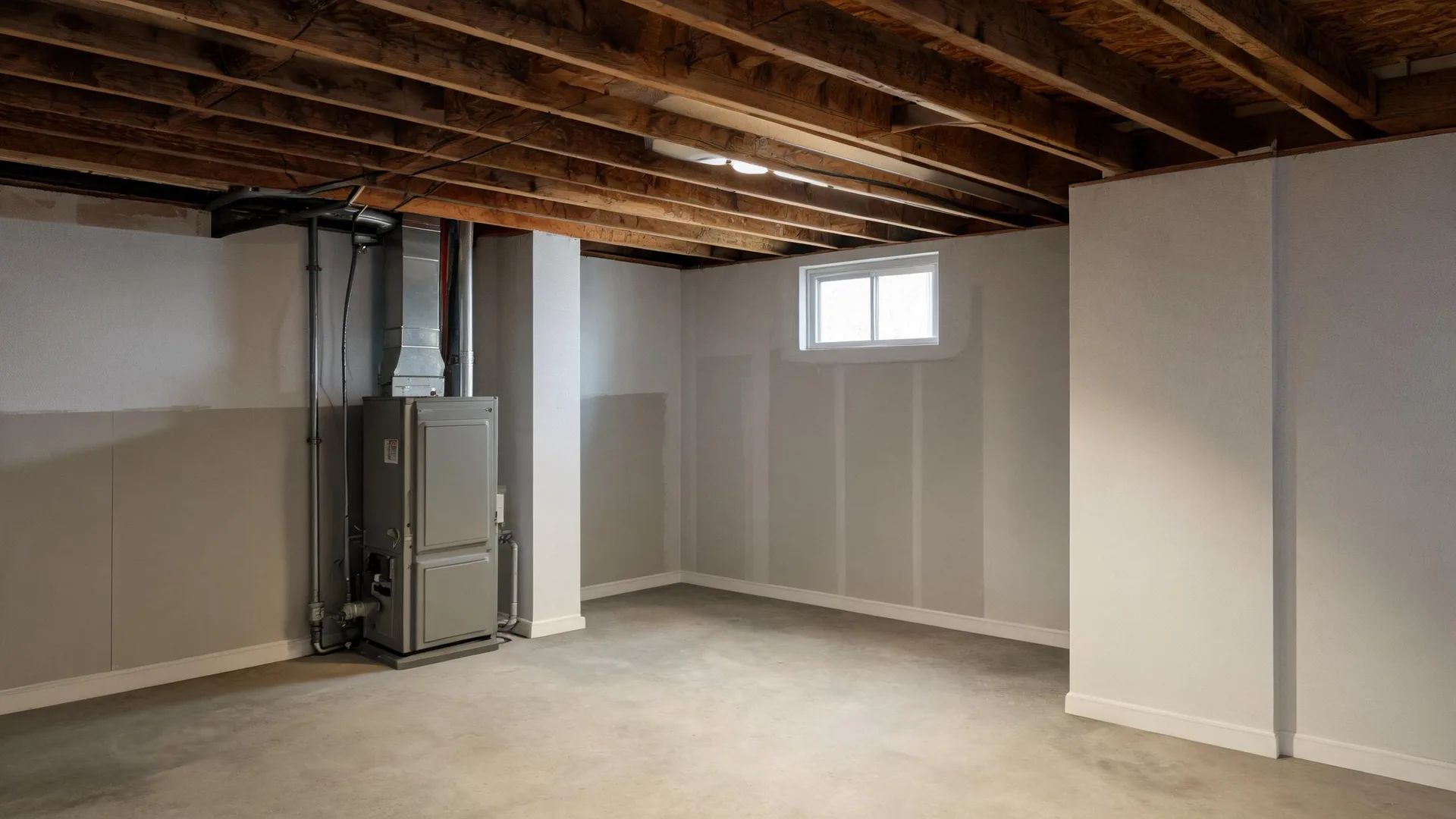
A furnace going into a house that age has to match the ductwork and venting already there, not just the floor plan on paper.



Natural gas ran $8.99 per million Btu in Indiana in 2024, cheap compared to most of the country. That changes what's worth paying for in a new furnace. A high-efficiency model still cuts the gas bill, but with gas this cheap the extra cost of the top-tier unit takes longer to earn back. Put the money where it matters more here: a furnace built to keep running through the wind, hail and ice this county sees, and one that matches the ductwork already in the house. Fit and reliability carry more weight than a fraction more efficiency.
When the power goes out here, it tends to stay out a while. Talk to the installer about where the new furnace sits, what backup options make sense for your house, and how the system handles a restart once power comes back. That conversation belongs in the install, not an afterthought once the lights go out.
Find a contractorFurnaces here run from October through May, about eight months straight. That's most of the year on duty, so the one put in now has to get the house through a 23°F night in January without a hitch. September is the month to get it done, before the first cold snap hits. That gives time to size the furnace right, check it matches the ductwork already in the house, and sort out backup power before any of it matters. Wait for the old system to quit on a cold morning instead, and all three of those get decided in a hurry.
A furnace that's too big for the house heats it fast, shuts off, and starts again a few minutes later. That short cycling wears out the igniter and the blower motor years before they should quit, and it leaves rooms far from the furnace cold while the room with the thermostat reads fine.
Sizing a furnace right means a room by room heat loss calculation: the installer measures the walls, windows, insulation and ceiling height in every room and works out how much heat each one loses on the coldest night. That number drives the furnace size, not the square footage on a listing and not whatever size the old unit happened to be.
Estimates for a typical Marion County home, from EIA household energy data, Indiana fuel prices and NOAA climate normals. Your home will differ.
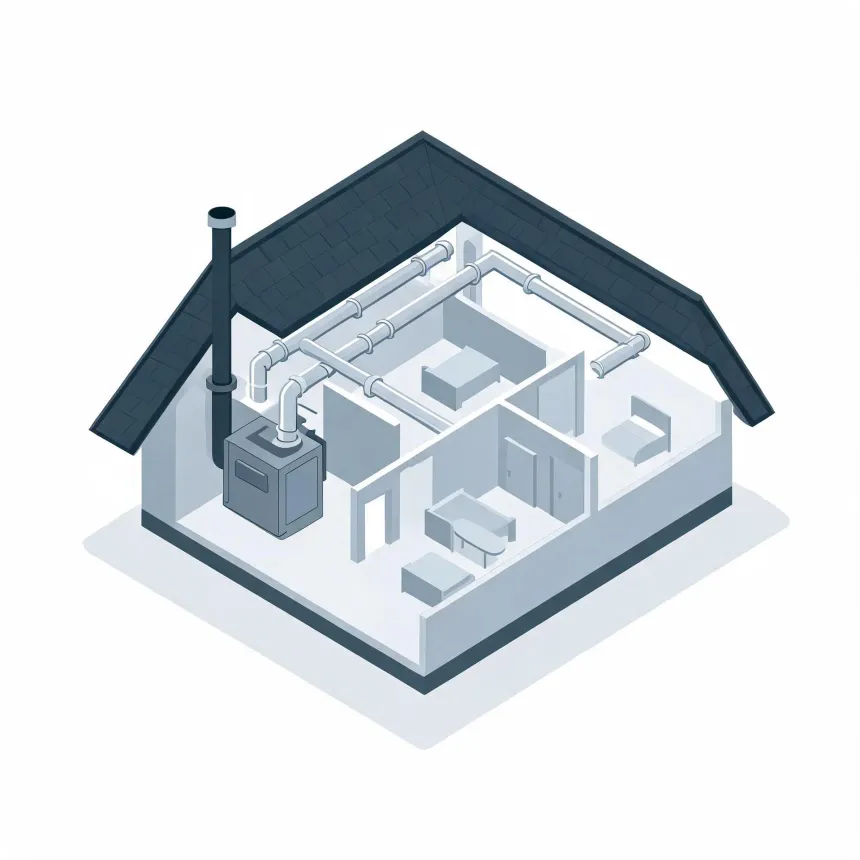
Install day starts with the old furnace coming out, and that alone takes a few hours once the gas line, flue and ductwork are disconnected. The installer sets the new unit, connects the gas line, vents it to the outside, and ties it into the existing ductwork using the plenum already in place. Electrical and a thermostat wire come next, then the condensate line if the furnace is high-efficiency and produces moisture that needs somewhere to drain. Once everything is connected, the installer fires it up and checks the gas pressure, the temperature rise across the heat exchanger, and the flame itself to make sure it's burning clean. Airflow gets checked room by room before anyone calls it done, since a furnace that fires fine but can't move enough air through the ducts hasn't actually finished the job.