Keeps shutting off
The furnace fires, runs a few minutes, then quits. You reset it, it happens again. Some rooms stay cold no matter how many times it cycles.
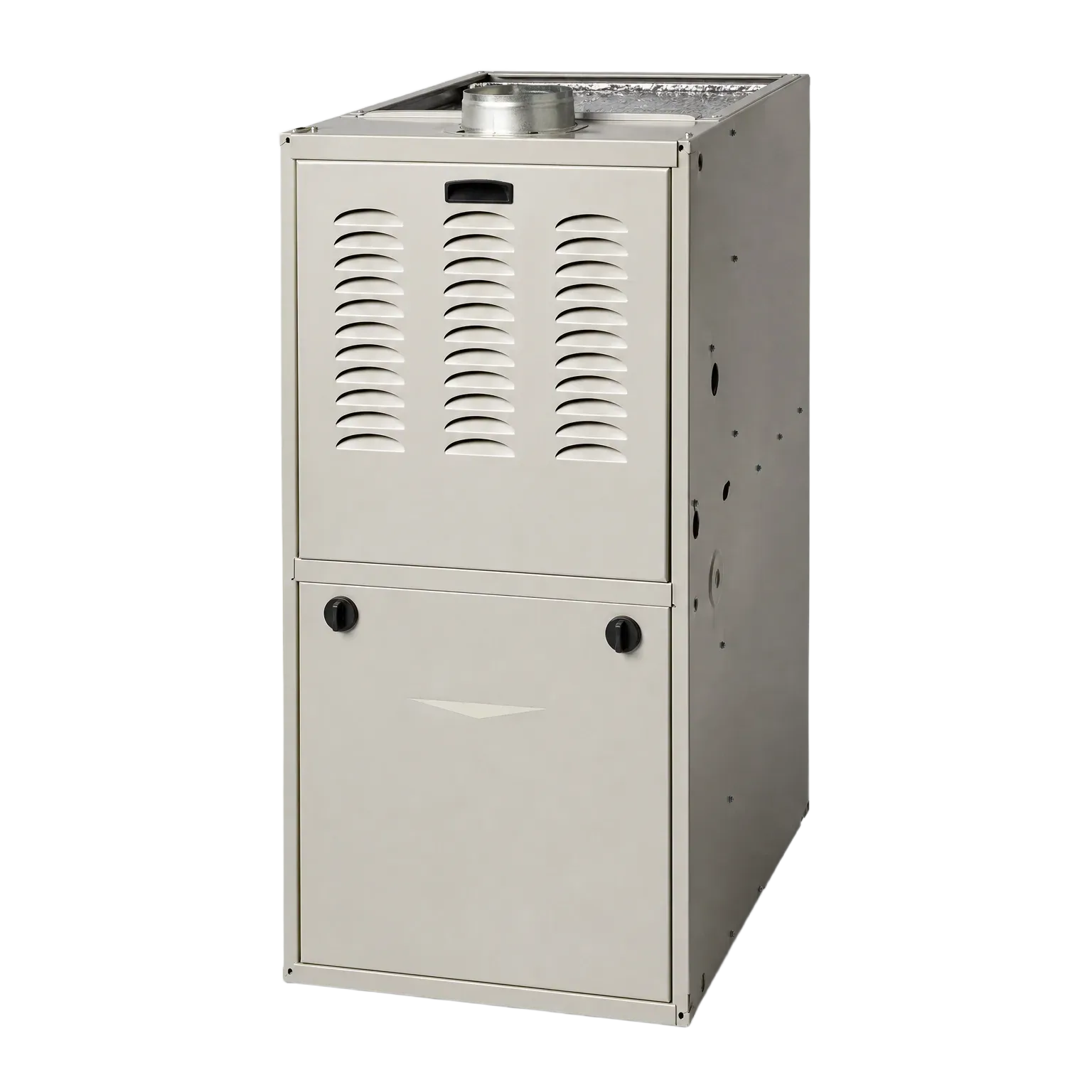
A furnace that shuts off before the house warms up is usually stopping itself on purpose. A flame sensor coated with a thin film will no longer convince the control board a flame is lit, so the board cuts gas to the burners a minute or two into the cycle. A clogged filter does something similar from the other end: airflow drops, the heat exchanger gets too hot, and a limit switch trips to keep it from cracking. In a Kokomo winter, with the furnace running for hours at a stretch on the coldest days, both of these show up more than they would on a mild one, because the parts get more cycles to foul. Either way, the shutoff is a safety feature working correctly, not a sign the furnace is failing outright. It does mean something needs attention before the next cold snap, since a furnace that keeps cutting out will eventually stop restarting at all.
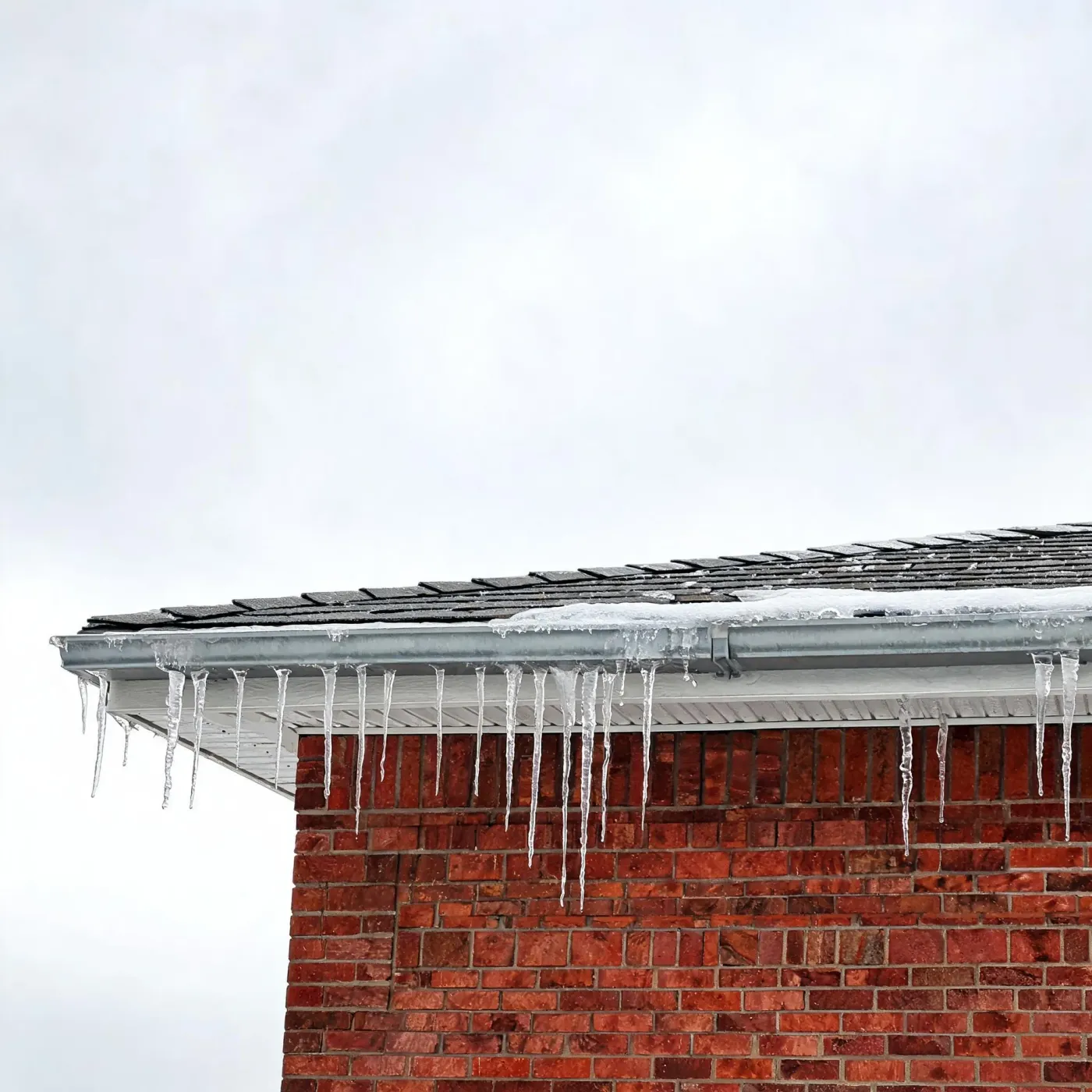
21°F is the average overnight low here through December, January and February, per NOAA climate data. On a night that cold, your furnace is running long cycles, not short bursts, to keep up. That's exactly the kind of run time that exposes a flame sensor that's already struggling. A furnace in good shape might hide a weak sensor signal for a few minutes before it drops out. One working against a 21 degree night doesn't get that grace. If yours has started shutting off mid-cycle, this is the stretch of weather that will make it happen more, not less, since the burners have to stay lit longer each time just to hold the house steady.
NOAA nClimDiv 1991-2020




Most of these shutoffs are the furnace protecting itself, not breaking down. The flame sensor is a thin rod sitting right in the burner flame. Its only job is proving to the control board that gas is actually burning. Run enough cycles and that rod picks up a coating of carbon or oxidation. Once the coating gets thick enough, the rod can't pass a signal through anymore, and the board reads it as no flame at all. The timing gives it away. The igniter fires, the burners light, and right as the blower is about to come on, the furnace shuts down. That's the sensor losing its signal, not a new problem showing up. A cracked heat exchanger or a blocked vent can produce the same shutoff, through a limit switch or pressure switch doing exactly what it's built to do. The control board keeps a log of which safety tripped. A technician who pulls that code first knows where to look instead of working through every part by hand.


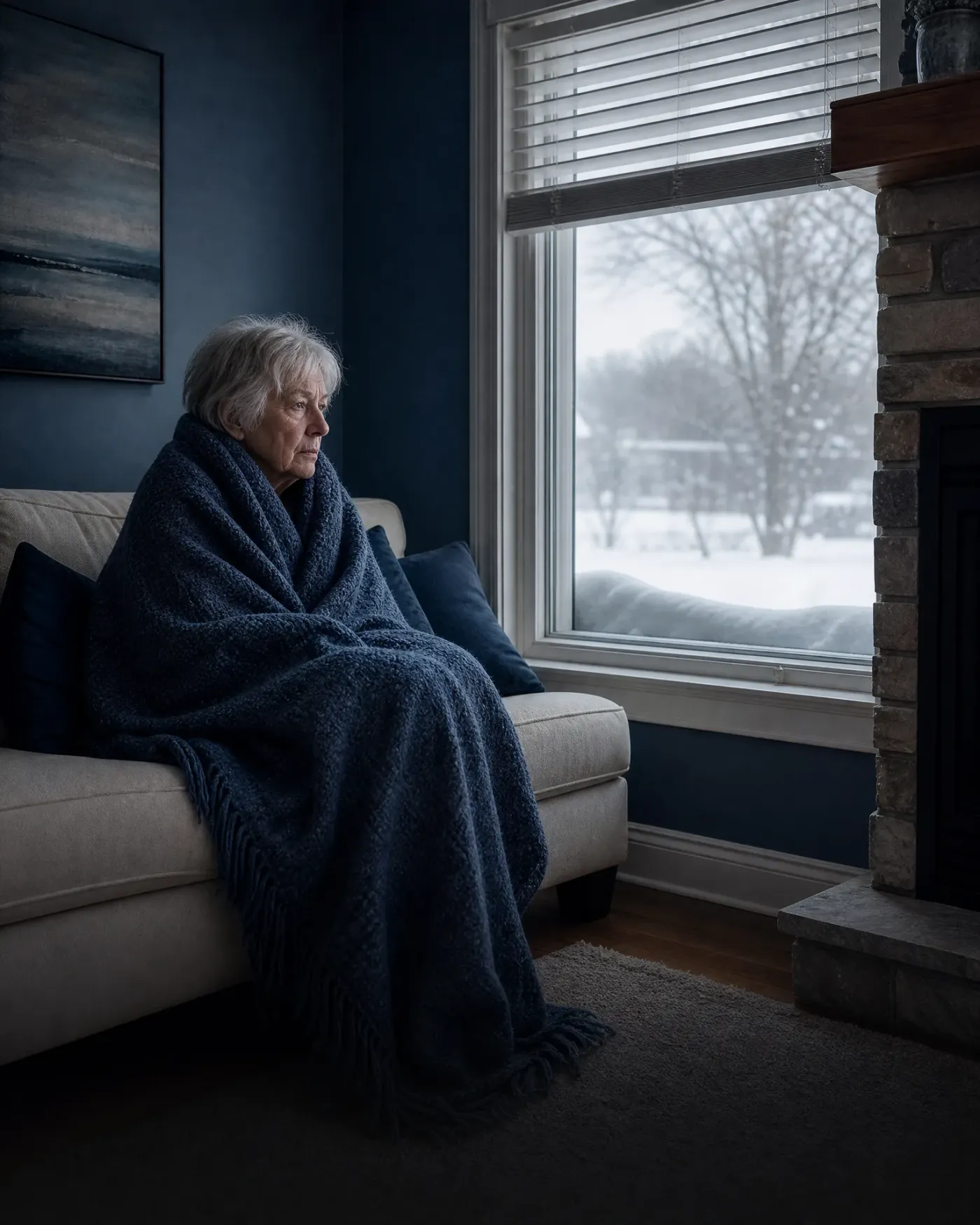
A furnace that shuts off partway through a cycle isn't just an inconvenience. It means the house stops gaining heat earlier than it should, and on a cold night that gap adds up. If the furnace quits at 2 a.m. and nobody's awake to notice, the house can sit without heat for hours while the temperature outside holds in the low 20s or drops further. Rooms farthest from the furnace, or ones with more exterior wall, lose ground first. A finished basement or a bedroom over an unheated garage will read colder than the thermostat suggests, because the thermostat is only measuring where it hangs. Pipes running along an outside wall are the real risk once the house goes cold for an extended stretch. That's not a problem on a 50°F evening, but it matters in January. The shutting-off pattern itself tends to get worse, not better, left alone. Each time the furnace fires, hits the safety cutoff, and tries again, the igniter takes another hit, and igniters have a limited number of cycles in them before they fail outright. A furnace that can't finish a cycle on a 21°F night has no more capacity to finish one on a 5°F night, and Howard County gets those nights too. None of this calls for panic. It calls for not waiting. A flame sensor that just needs cleaning today can be caked with enough buildup in a few more weeks that it needs replacing instead.
At 21°F, your furnace can't just cycle on for a few minutes and call it done. It needs long, steady burns to hold the house above that cold outside air, and a flame sensor already struggling will quit partway through, not at the start.
NOAA nClimDiv 1991-2020
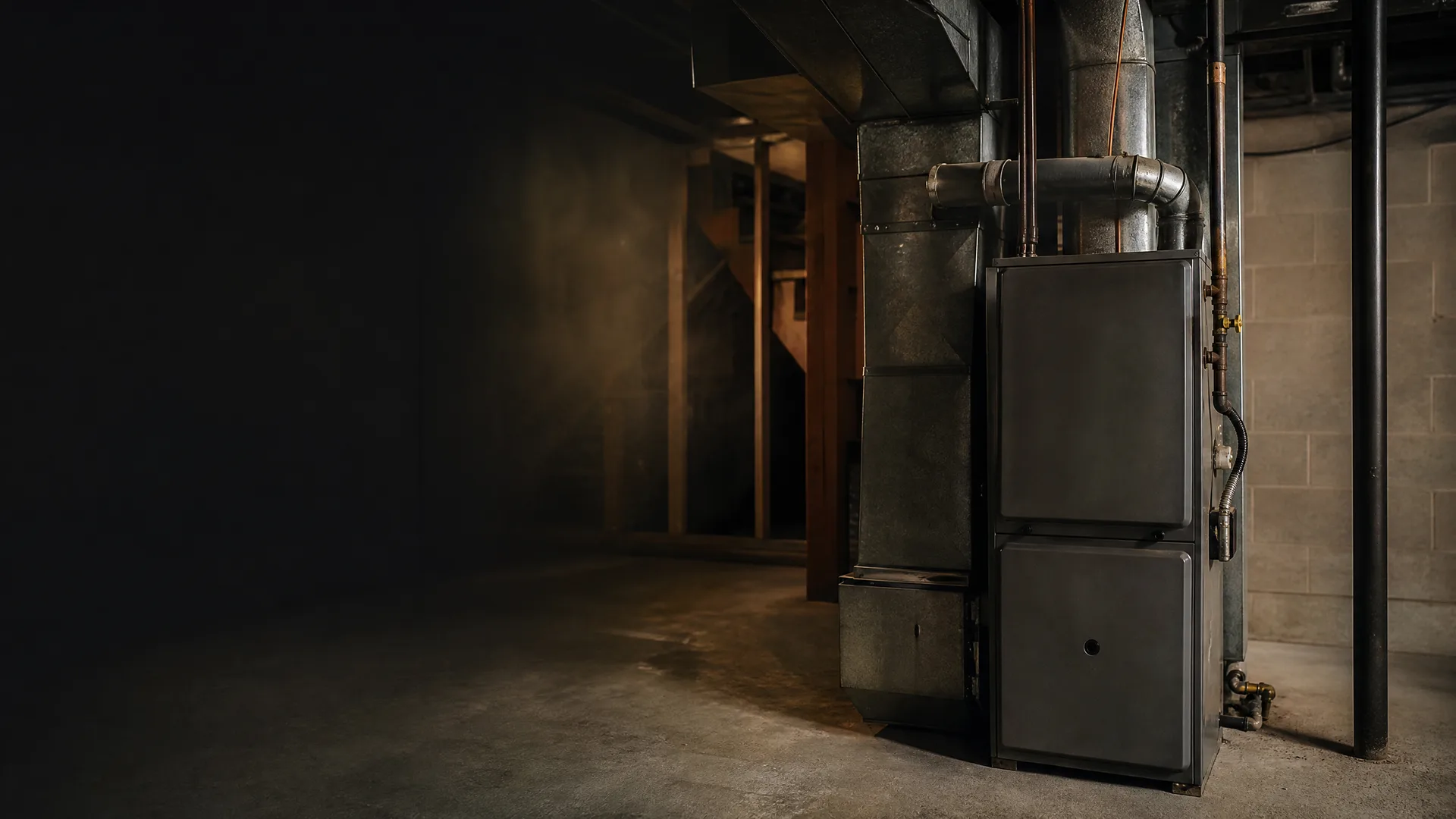
You're down in the basement around six, after dark, because the house has gone quiet in that way that means the furnace isn't running. The air near it still smells faintly of dust from the last cycle. You crouch by the cabinet door and the burners are dark, no hum from the blower, nothing. You wait a minute in case it's about to kick back on. It doesn't. Upstairs the thermostat reads a few degrees under where you left it, and you already know this isn't the first time this week. You pull out your phone and start the search instead of waiting to see if it fixes itself again.
After you send the request, you're done searching.
No fee to send it, and nothing to sign.
A furnace that shuts off after a few minutes and comes back on a little while later is still heating the house, more or less, so it's easy to let it go another week. The thermostat still clicks on. The vents still blow warm air for a bit. What's actually happening is the control board cutting the cycle short every time, which means the burners are running less than they should and working harder each time they fire to make up for it. The flame sensor or whatever's triggering the shutdown doesn't get better from running less. It gets worse, and the cycles get shorter, until a night like one of Howard County's colder ones in January finds the furnace unable to keep up at all.
A technician checking a furnace that's short cycling but still running has an easier job than one called out after it's quit outright. The flame sensor can be cleaned or swapped, the pressure switch or limit switch tested, the venting checked, all while the furnace is still warming the house between visits. Nobody's doing this work at 2 a.m. in a cold basement. Once it's fixed, the furnace runs its full cycle, long enough to actually bring the house up to temperature on a 21°F night instead of stopping short of it. The difference isn't just comfort. It's whether the furnace is still answering the thermostat at all by February.


The furnace fires, runs a few minutes, then quits. You reset it, it happens again. Some rooms stay cold no matter how many times it cycles.
The furnace lights, carries the burn until the house reaches the thermostat's setting, then shuts off on its own and stays off until it's needed again.
You reset the furnace, it runs a few minutes, then quits again. It's not random. Something is telling the burners to stop before the cycle finishes, and the furnace itself is the one doing it. Knowing what actually triggers that shutoff, and why it happens so early in the cycle instead of partway through a normal burn, points you toward what's wrong before a contractor ever opens the cabinet.
The flame sensor sits directly in the burner flame and sends a small signal back to the control board confirming gas is actually burning. If that rod is coated with a film built up over months of normal use, the signal gets too weak to register, even though the flame is right there. The board waits a few seconds, doesn't get a clear reading, and cuts gas to the burners rather than let gas flow without a confirmed flame. That's a safety shutoff, not a breakdown. It's why the furnace lights fine every time, runs for a few minutes, then stops, instead of failing to start at all. The burners themselves, the igniter, the gas valve, all of that can still be working exactly as it should.
The thermostat calls for heat and the control board starts the cycle.
The inducer motor spins up to clear the heat exchanger.
The igniter glows and gas opens into the burners.
The flame sensor confirms a flame to the control board.
A furnace shutting off before the house warms up is doing what it's built to do when it can't confirm a flame. That's not a mystery to chase room by room. It's a control board reading a flame sensor and deciding to cut gas rather than run blind. A technician who knows that walks in already knowing where to look.
If this is happening at your house in Howard County this winter, you don't have to figure out which part it is before you ask for help. Describe what you're seeing, a contractor who takes the call will know what questions to ask next, and you'll have someone looking at your actual furnace instead of guessing from a search result.

You're not committing to anything by asking.
A furnace that keeps cutting itself off on a cold night isn't going to fix that on its own. Sending the request gets a contractor looking at the actual cause instead of another reset that holds for an hour and quits again.