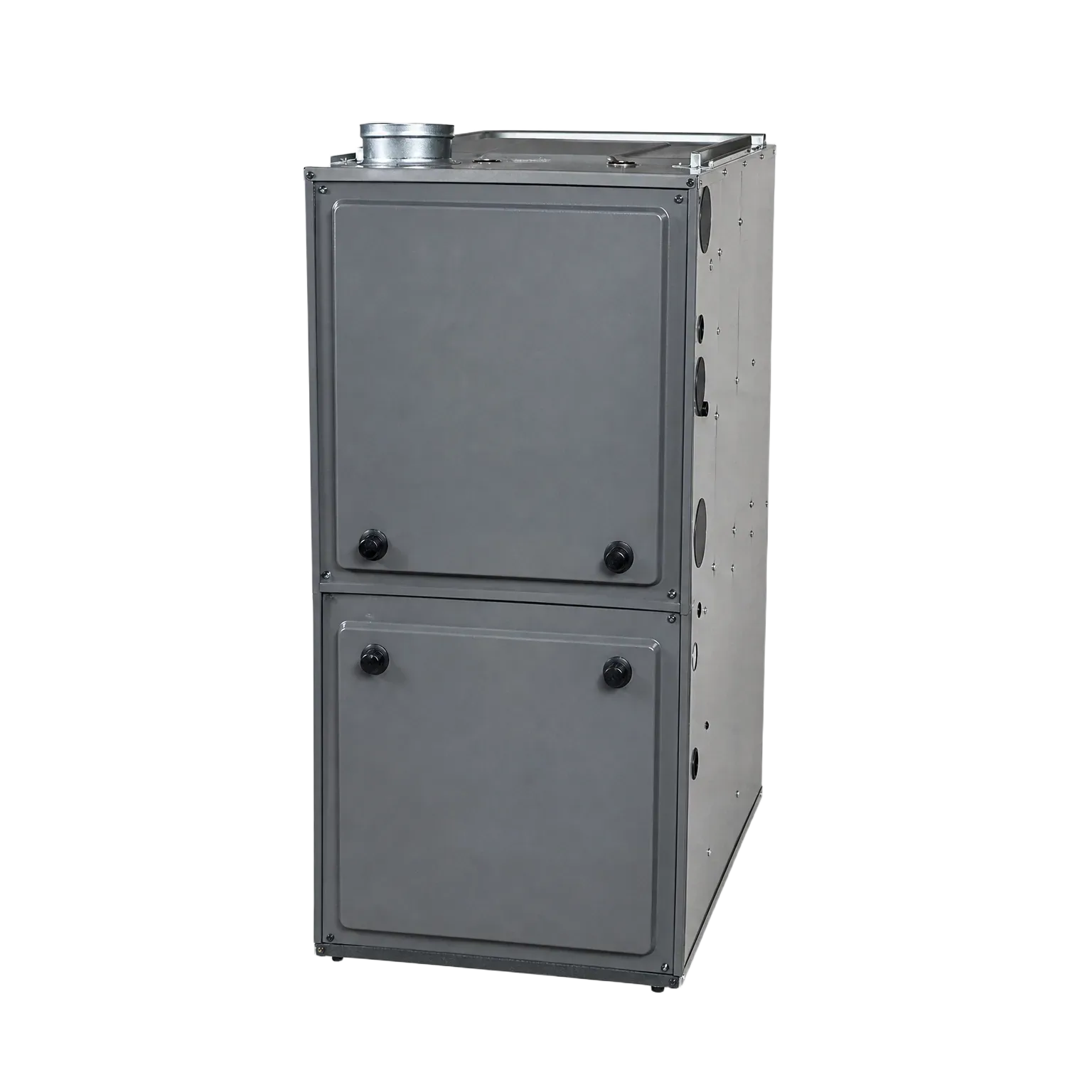
The pilot catches and holds
A good thermocouple sits right in the pilot flame and heats up fast. Within a few seconds it tells the gas valve a flame is present, the valve stays open, and the burners fire whenever your thermostat calls for heat.
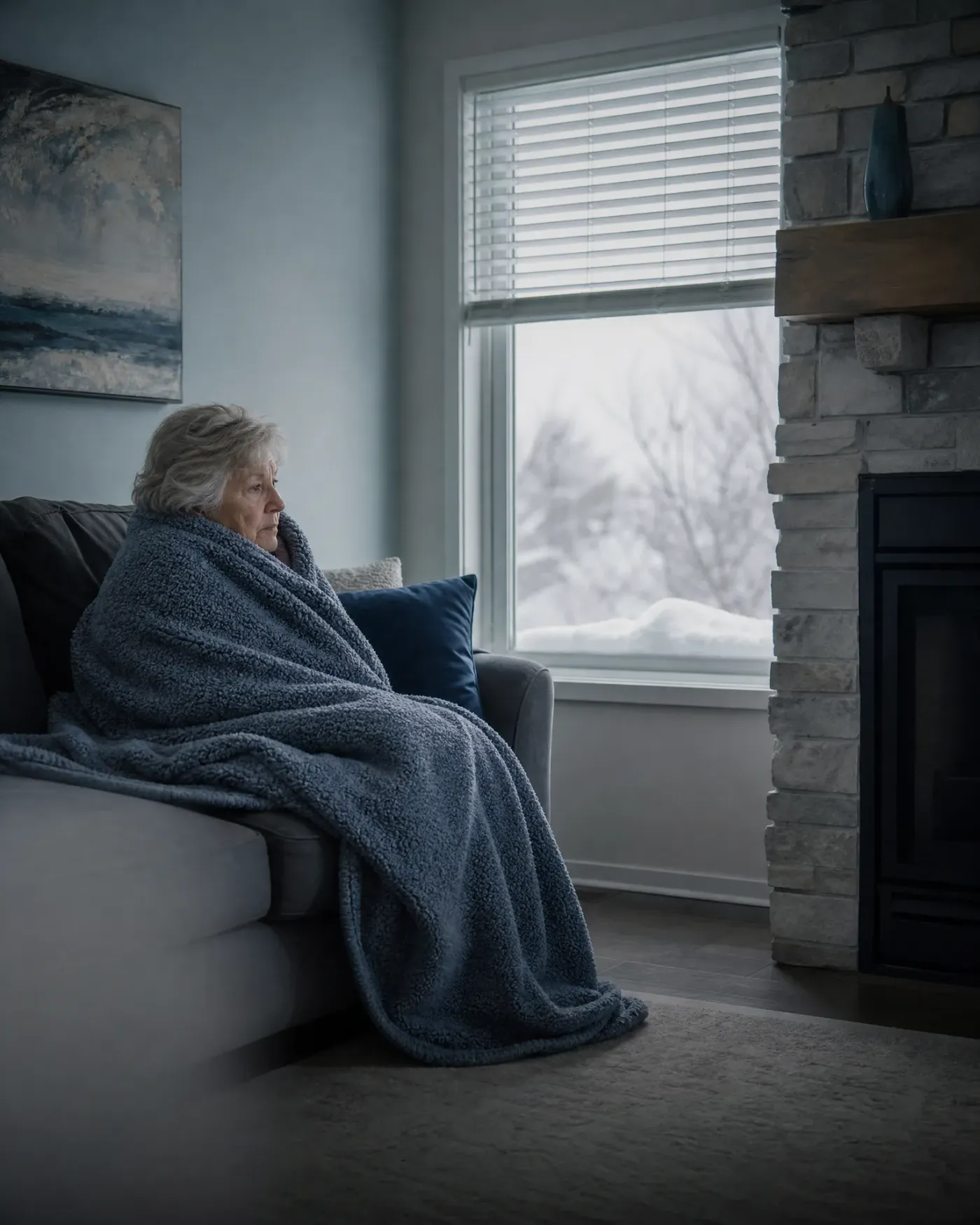
A pilot light that won't stay lit is almost always a worn thermocouple, the small sensor that tells your furnace gas is actually burning. When it wears out or sits out of position, it reads no flame even when one is there, and the gas valve shuts off to protect you. Sometimes it's simpler: a draft from a vent or a cracked flue blowing the flame out, or a dirty pilot tube choked with soot. With cold stretches here in Bartholomew County, a furnace that keeps dropping its pilot can leave a house losing ground on heat fast, and a standing pilot won't relight itself the way some newer ignition systems do. You can try relighting it once following the plate on the furnace, but if it won't hold after that, the part needs a look rather than another match.
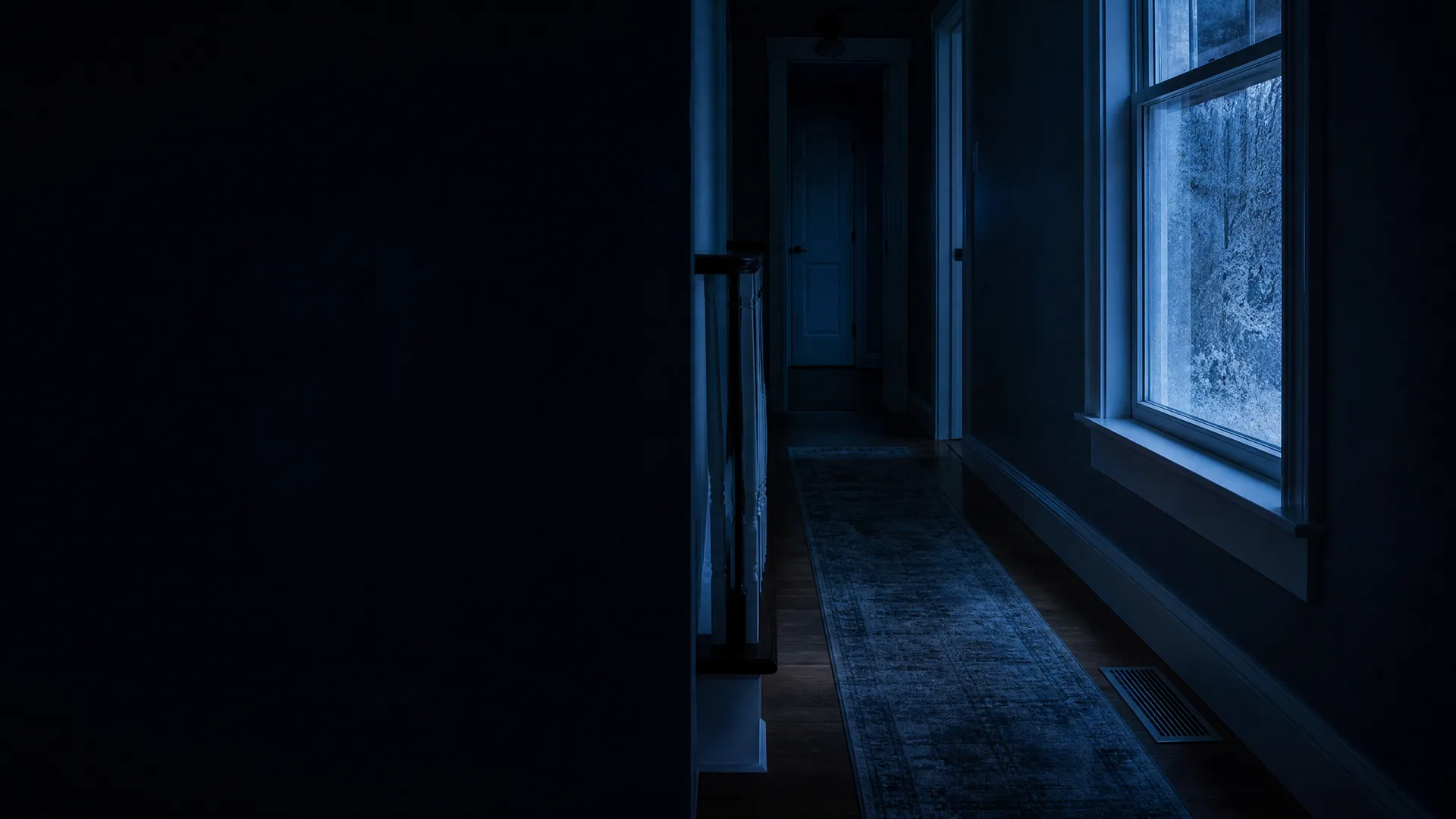
You wake up because the house feels wrong before you know why. It's 2 a.m. and the vents upstairs aren't moving any air. You get up and the hallway floor is cold through your socks. Frost has crept up the edges of the window, and the glass is that dim blue a window goes when it's below freezing outside and the heat's been off a while. Down in the basement the furnace sits dark and quiet, the pilot out again. You've relit it twice this week already. Bartholomew County doesn't get many nights this cold, but tonight is one of them, and the house is already losing the fight against it.
Winter nights average 24°F
Overnight lows average 24°F here in December, January and February, so a furnace that won't hold a pilot leaves the house losing ground fast, not slowly.
Heat runs October through April
Furnaces around Bartholomew County run from October through April, about seven months a year, which means a worn thermocouple gets tested on most nights of the year.
51% of homes heat with gas
Gas heats 51% of homes in Bartholomew County, more than any other fuel, so a pilot that won't stay lit is a problem your neighbors are just as likely to have.
NOAA nClimDiv 1991-2020 · ACS 2020-2024

A good thermocouple sits right in the pilot flame and heats up fast. Within a few seconds it tells the gas valve a flame is present, the valve stays open, and the burners fire whenever your thermostat calls for heat.

A worn or misaligned thermocouple cools faster than the flame can reheat it. The gas valve reads no flame and shuts itself off, even with the pilot lit, so the furnace sits dark on a cold Bartholomew County night.



At 24°F outside, a furnace that keeps relighting and quitting can't keep pace. Each time the thermocouple drops out, the burners sit cold a little longer, and the house loses heat faster than it can recover it.
NOAA nClimDiv 1991-2020


A licensed pro who repairs furnaces in Bartholomew County gets your request.
There's no charge for the request.
Some owners pull the cover off and try to get the pilot going again. You hold the knob in, light the flame, count to thirty, let go. Sometimes it catches. Sometimes it goes dark the second you release the knob, and you're back where you started. If the thermocouple is worn or sitting too far from the flame, relighting treats the symptom for a night at best. There's also the gas valve itself to think about. Furnaces around Bartholomew County are old enough now that the valve under the thermocouple can be the real problem, and that's not something to open up without knowing gas lines.
A licensed contractor checks the thermocouple first, since that's what fails most, then looks at where it sits against the flame and whether the gas valve itself is holding. If the part is worn, it gets swapped for one rated to your furnace. If the flame is weak or crooked from a dirty pilot assembly, that gets cleaned so the thermocouple can actually heat up fast enough to register. Either way, the furnace gets tested through a full cycle, lighting, holding, and firing the burners, before anyone calls it done. That's the difference between a fix that holds through the rest of winter and one that sends you back to the pilot knob next week.

A pilot that won't stay lit comes down to a thermocouple that no longer senses the flame it's sitting in. That part gets swapped out in one visit. It doesn't mean the furnace is on its way out, and it doesn't mean the rest of the system needs looking at. Once the new thermocouple is in place and positioned in the flame the way it should be, the pilot catches and holds, and the burners fire whenever the thermostat calls for heat, the same way they did before this started.
Finding someone to do that work is the part that's been sitting on your list. Sending the request moves it off. You're connected with one licensed contractor working in Bartholomew County, not fielding calls from several companies trying to win the job. That contractor has likely replaced this exact part more times than they could count, because thermocouples fail the same way in furnace after furnace around Columbus every winter. They know what a worn one looks like and what it takes to seat the new one right.
From there it's not your problem to solve anymore. No more pulling the cover off, holding the knob in, counting to thirty, and watching to see if it holds this time. Someone who works on this equipment all season handles it, and the house gets its heat back the way it's supposed to work, without you standing in the hallway waiting on gas to catch a flame.





The pro who gets in touch is licensed in Indiana and works in Bartholomew County.
You only hire the pro if you want to.