





What to do when the heat goes out in Columbus, IN

RepairFurnace or heatingBartholomew County, IN
Step 1 of 2

What ZIP code is the job in?

First check the thermostat is set to heat and the temperature is above room temperature, then check the breaker for the furnace hasn't tripped. If it's gas, check the switch on the furnace itself and the one that looks like a light switch near it haven't been bumped off. Furnaces here run from October into April, and most homes in Columbus and around Bartholomew County heat with gas, so a furnace that quits usually comes down to the igniter failing, a clogged filter starving it of air, or the flame sensor getting dirty enough that the furnace shuts itself off as a safety measure. None of those are things to wait out. A furnace that won't fire on a cold night in Bartholomew County needs a look from someone licensed to open the cabinet and test the parts, because the fixes above only rule out the simple causes, they don't cover a bad control board, a failed motor, or a gas valve that isn't opening.

Why does a furnace problem in Columbus matter so fast?

  • Winter nights average 24°F

    Overnight lows average 24°F here in December, January and February. A furnace that quits at night in that cold turns into a real problem fast.

  • Heat runs October through April

    Furnaces around Bartholomew County run from October through April, about seven months of the year. A breakdown has a long season to happen in.

  • 51% of homes heat with gas

    51% of homes here heat with gas. If yours is one of them, a gas furnace needs a licensed hand for anything past the thermostat and the breaker.

NOAA nClimDiv 1991-2020 · ACS 2020-2024

How a Gas Furnace Actually Starts

  • A gas furnace fires in a set sequence: igniter glows, gas valve opens, flame sensor confirms the flame, then the blower kicks on.
  • If the flame sensor doesn't detect a flame within a few seconds, the control board shuts the gas valve again as a safety check.
  • The blower doesn't start right away because the heat exchanger needs a minute to warm up first.
  • Most furnace trouble shows up as a failure at one step in that sequence, not the whole system quitting at once.
  • A furnace that tries to ignite three times and then locks out is telling you which step failed, not giving up at random.
  • The limit switch will shut the burners off if airflow is restricted, even though the blower motor keeps running.

A gas furnace doesn't just switch on. It goes through steps, in order, every time the thermostat calls for heat. First the igniter glows hot enough to light the gas. The gas valve opens next, and the flame sensor has to confirm a flame is actually burning before the system moves on. That sensor is a safety check, nothing more. If it doesn't see a flame fast, the control board closes the gas valve again rather than let gas keep flowing with nothing burning it. Only after the flame is confirmed and the heat exchanger has had a minute to warm does the blower kick on and push warm air into the house. That delay before the blower starts is normal, not a sign of trouble.

Knowing this order matters because most furnace problems aren't the whole system failing at once. They're one step in that sequence not completing. A furnace that tries to light three times and then locks out isn't broken outright, it's telling you the ignition step or the flame sensor step didn't work, and it stopped itself on purpose. Airflow matters too. If a filter or duct is restricting air, the limit switch will cut the burners even while the blower motor keeps spinning, because it's protecting the heat exchanger from overheating. A technician reading these symptoms isn't guessing. They're working backward through the same sequence the furnace just ran, finding the exact step where it broke.

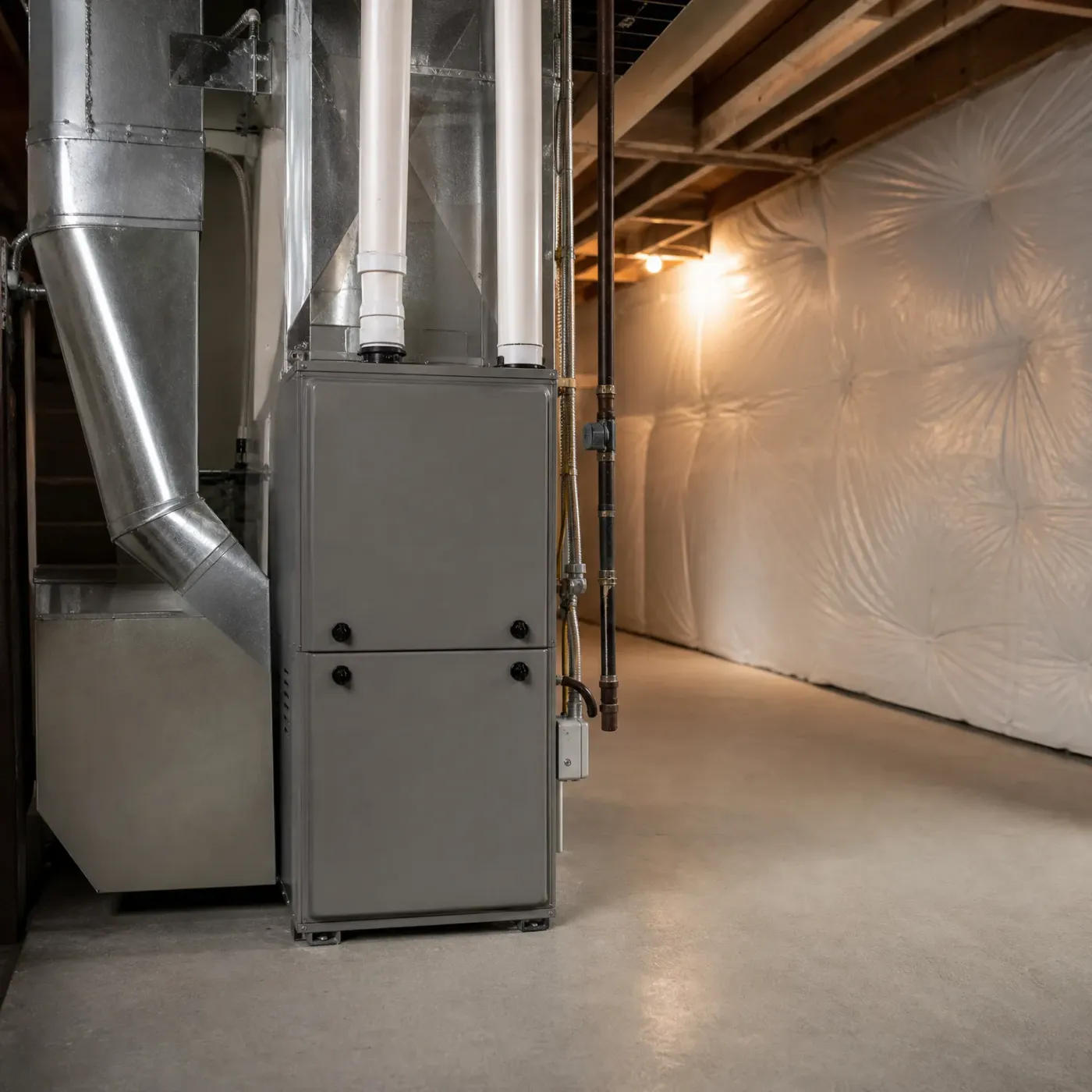
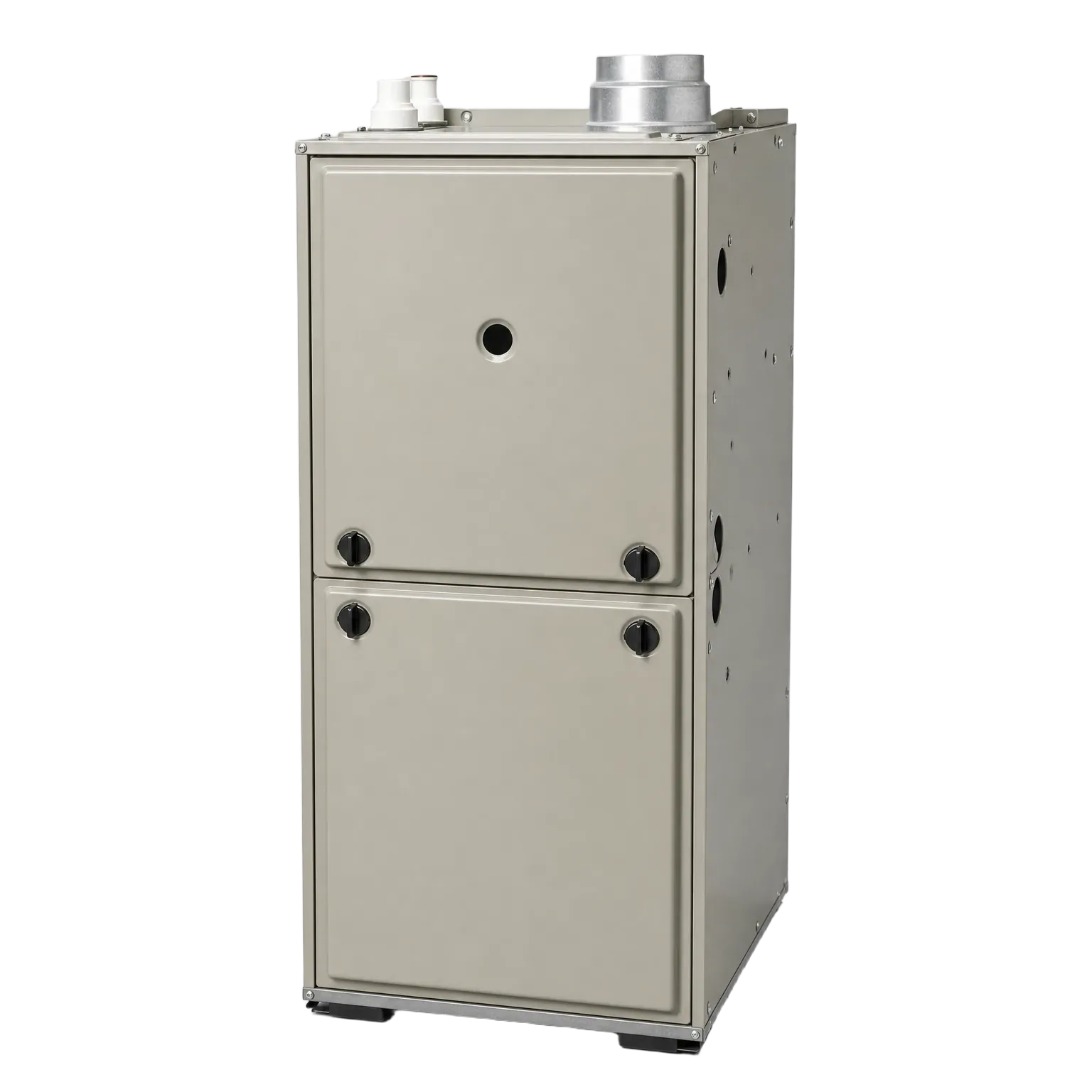
A gray high-efficiency furnace with white PVC vent pipes stands beside sheet-metal ductwork and a water heater in an unfinished basement with concrete walls and wood framing.
A furnace running right heats evenly and kicks off on its own once the house hits temperature.
A beige gas furnace with a metal flue pipe stands in a basement against concrete block walls, beside sheet-metal ductwork, copper and white plastic pipes, and a water heater at right.
A furnace like this, older and worn, is the one more likely to leave you without heat on a cold night.
A smiling man in a dark green sweater sits at a wooden table with a light gray mug in a kitchen with white tile backsplash, pendant lights, and an adjoining living room visible.
A smiling man in a dark gray sweater stands indoors looking to the side, with a kitchen counter holding a ceramic mug and open wooden shelves behind him and a living area in the background.
A smiling man in a dark blue button-up shirt stands at a white kitchen island, with open shelving, a gas range, a potted plant and a window in the background.
A smiling man with dark wavy hair and a beard, wearing a dark green knit sweater, sits in an open-plan living room and kitchen with a brown sofa, large windows, and a counter holding a mug and a wooden bowl.

Repair the Furnace or Replace It

Repair

  • A furnace under ten years old with a single failed part, like an igniter or flame sensor, is usually worth fixing rather than replacing.
  • If the rest of the system has been running evenly and this is the first breakdown, a repair gets heat back without a bigger outlay.
  • Parts like igniters, flame sensors and control boards fail on their own and don't mean the whole furnace is going bad.
  • A repair gets you through tonight's cold, which matters more than anything else when lows are in the 20s.
  • If the furnace has been serviced regularly and this is a new problem, that history is a reason to repair rather than start over.

Replace

  • A furnace that has needed repeated repairs over the past couple of winters is more likely to fail again at the next cold snap.
  • If the furnace came with the house and you don't know its age, a contractor can check the data plate and tell you what you're working with.
  • A furnace that heats unevenly, room to room, even when it's running, points to wear that a single repair won't fix.
  • Replacing an older furnace before it fails outright means you're not without heat on a night when it's 24 degrees outside.
  • If a repair quote is close to what a new system costs, that's usually a sign the furnace is near the end of its life.
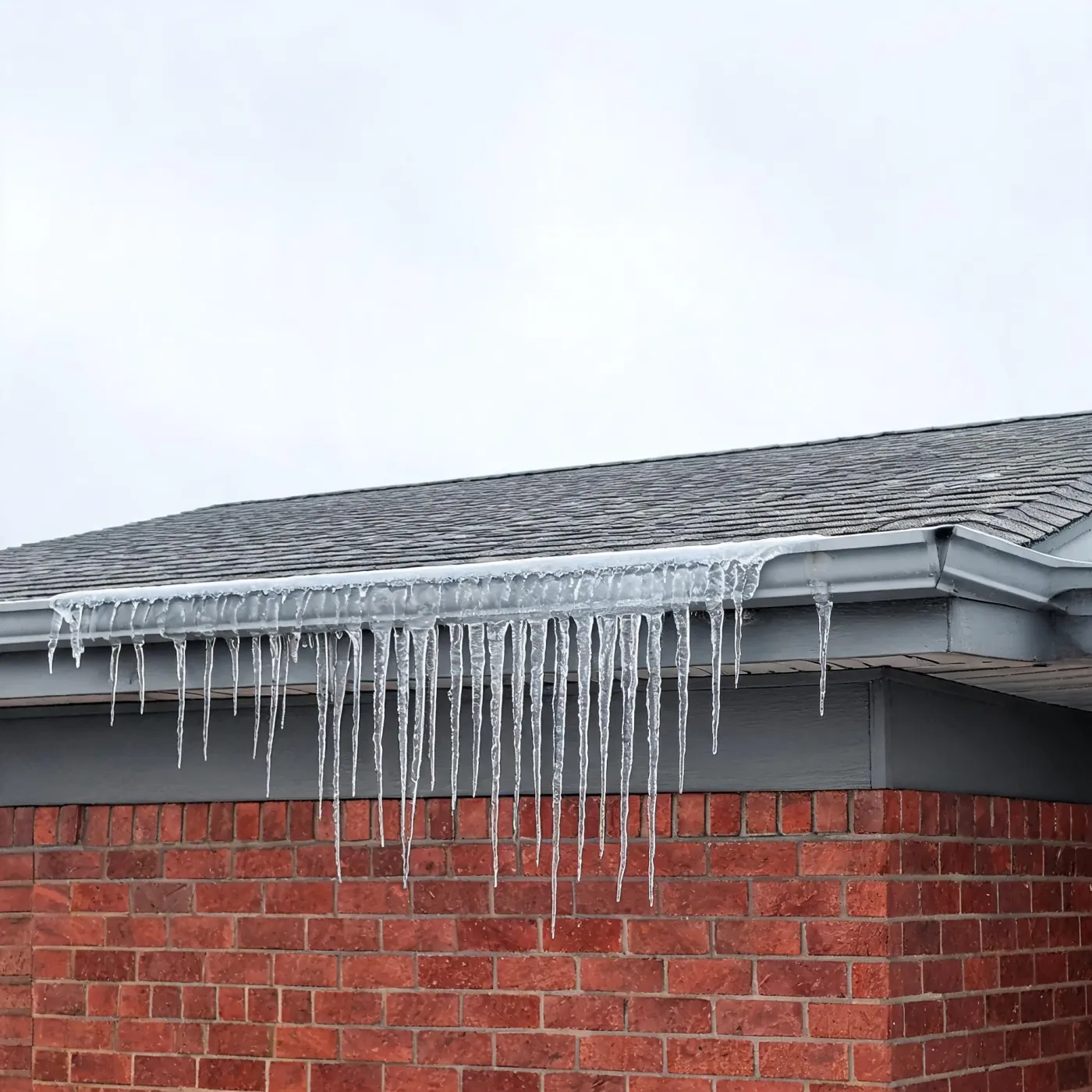
Icicles hanging from a gutter along the edge of a shingled roof above a red brick wall and gray siding, under an overcast sky.

Overnight lows average 24°F here across December, January and February. At that temperature a furnace isn't just keeping things comfortable, it's running close to constantly to hold the house steady, and a short cycle without heat is enough for rooms to cool fast. If the blower stops blowing warm air, or it's blowing but the air feels cool, that's worth acting on the same night rather than waiting to see if it sorts itself out. Once you send the form, you're done hunting for who's available and who answers the phone. That part stops being your problem.

NOAA nClimDiv 1991-2020

Done looking for a furnace pro

Answer a few questions instead of calling shop after shop.

There's no charge for the request.

What a cold night costs you

Pipes run through crawl spaces and outside walls in a lot of houses around Columbus, and a furnace that's out for hours gives the cold time to reach them. Below freezing is when that risk turns real. You're also stuck watching the thermostat instead of sleeping, bundling kids or pets into one room, and running space heaters that drive your electric bill up without doing much for a whole house. None of that fixes the furnace. It just gets you through the night until someone can.


What you're saved from doing

Without a quick way to get heat back, you'd be the one calling around Bartholomew County to find a contractor who still answers the phone, explaining the same problem to each one, then waiting on quotes to see who can actually come out soon. That's hours you don't have when it's 24 degrees outside and dropping at night. Sending the form once hands that search off. You're not sorting through names in a search bar or hoping the third call picks up. You wait for someone qualified to reach out instead.

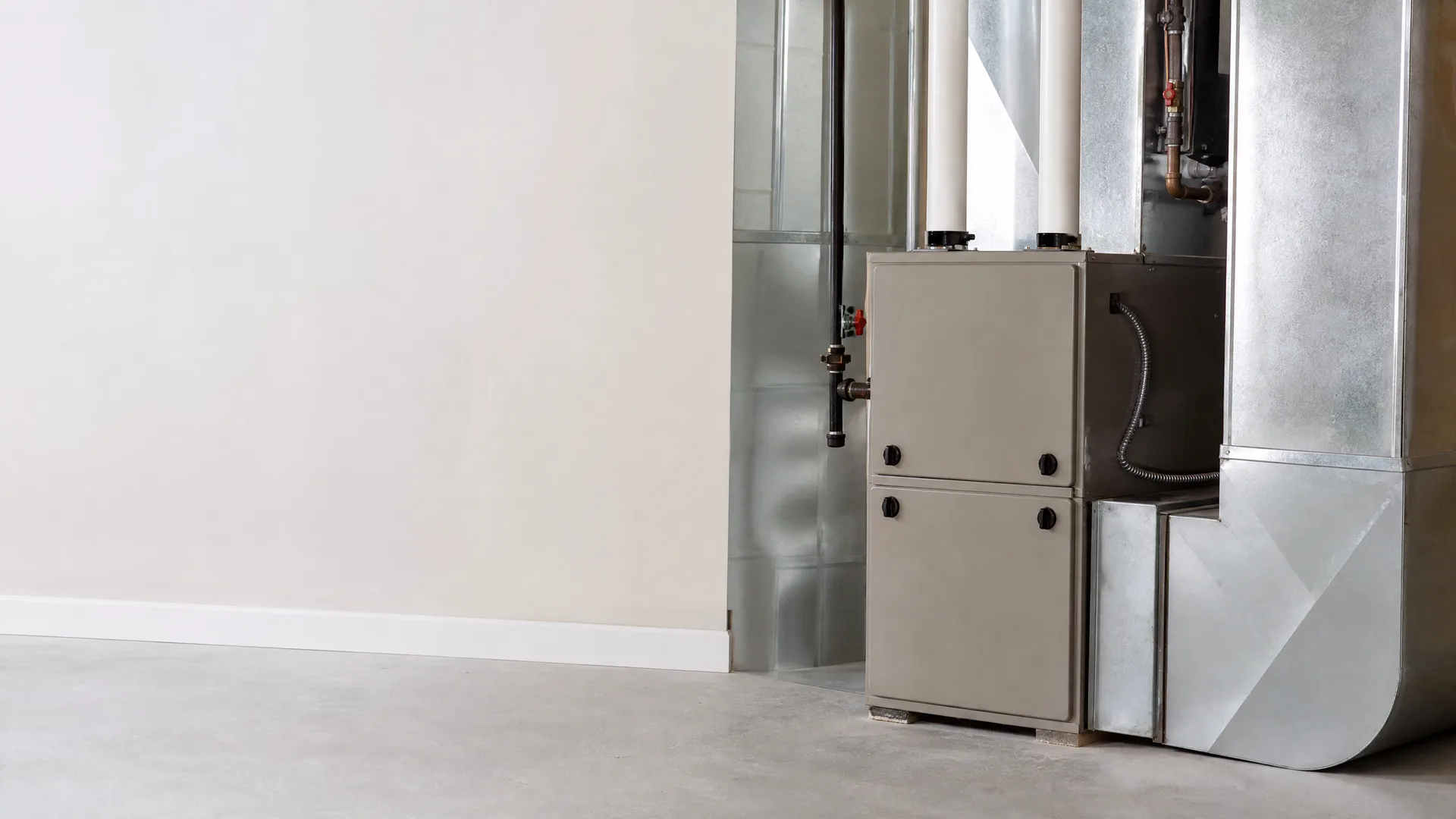
An older beige furnace with two louvered vent panels stands on a concrete basement floor, connected to galvanized ductwork and a metal flue pipe, with gas piping and flexible conduit on the wall behind.
Before you get your furnace repair
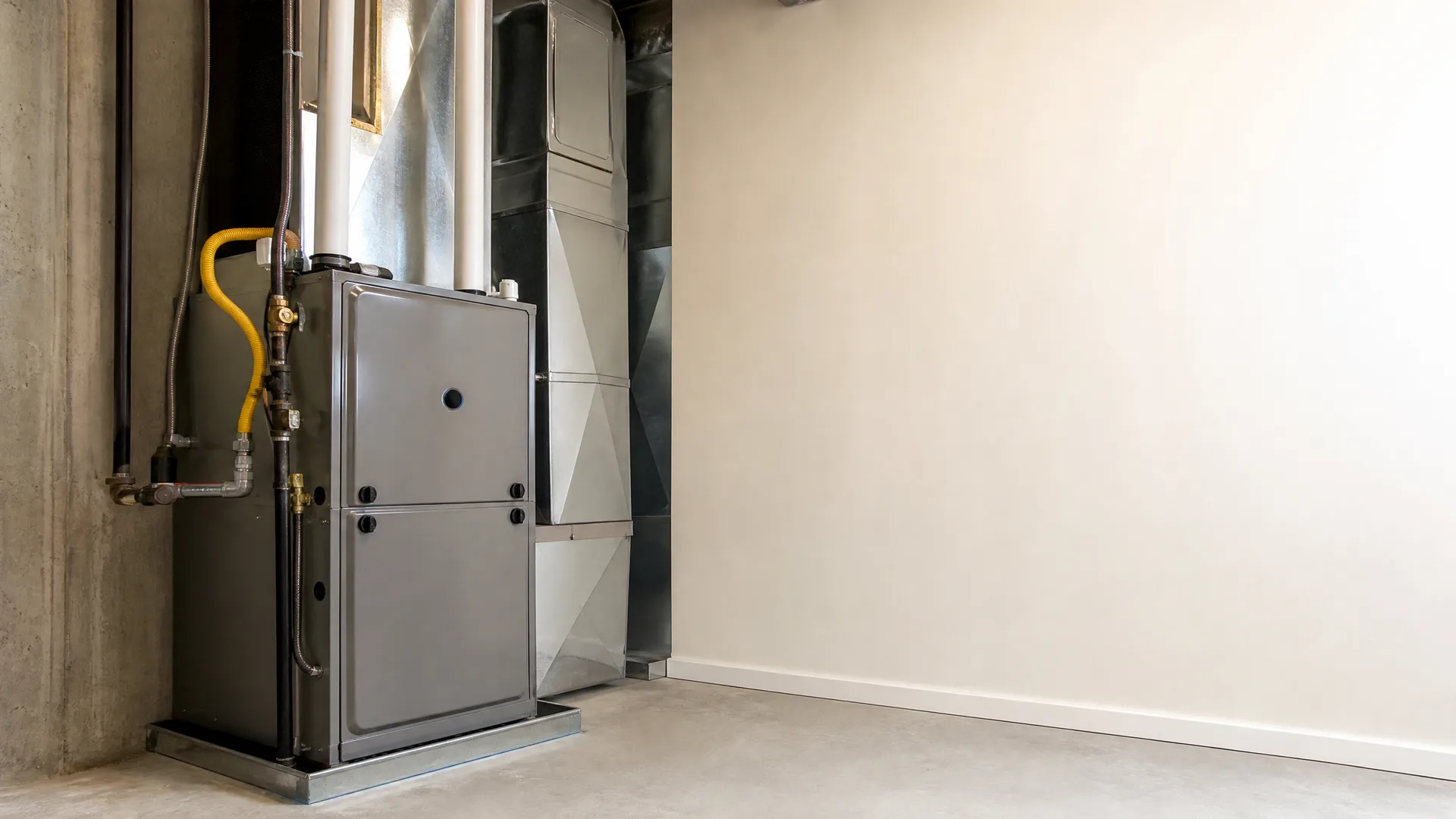
A beige high-efficiency furnace in an unfinished basement, with white PVC vent pipes, a yellow gas line, metal ductwork, and exposed wood framing on a concrete floor.
After you get your furnace repair

Wait it out

You keep calling around or watching the thermostat, hoping it kicks back on, while the house keeps losing heat and the cold outside keeps pushing in.

Answer a few questions

Get it fixed

Send the form and stop being the one who has to track down a contractor, explain the problem twice, and sort through quotes on your own.

Answer a few questions

Why does the house feel different already?

You notice the air coming from the vents isn't warm anymore, or it's not coming at all. Rooms farthest from the furnace cool first, so a bedroom down the hall might already feel off before the living room does. You might hear the furnace clicking and trying to start without catching, or hear nothing at all where there used to be a low hum. Some furnaces short cycle, running for a minute or two and shutting off again and again. If the house keeps losing heat through the night, the thermostat reading will keep dropping no matter how high you set it, and that's the point where pipes near outside walls or in a crawl space start to be a real concern.

A gray gas furnace with attached yellow gas line, copper piping, white PVC vent pipes and sheet-metal ductwork stands against a wall in an empty basement room with a concrete floor.

Calling around for help

You start with a search and a list of names you don't know. You call one, it rings through to voicemail. You call the next, they can't get to Columbus for days. Each call means explaining the furnace again from the start, the age of it, what it's doing, what you've already checked. By the third call you're just hoping someone picks up.

A beige high-efficiency furnace with white PVC vent pipes stands against a wall beside galvanized sheet-metal ductwork in an empty room with a concrete floor.

Sending the form instead

You answer a few questions once and send them. Finding a contractor who covers Bartholomew County and can look at a gas furnace stops being something you have to chase down yourself. You're not comparing quotes or repeating the same explanation to a new voice each time. The house is still cold while you wait, but the search part of this is no longer sitting on you.

Winter nights average 24°F

24°F is a hard floor to hold against, and it's where your furnace spends most of its winter nights. A short gap without heat at that temperature lets a house cool off fast, especially in the rooms farthest from the furnace.

NOAA nClimDiv 1991-2020

A furnace that's kept up with, filters changed, a yearly look from a contractor, tends to give you some warning. It runs louder, or the heat is weaker than it used to be, before it quits outright.

A furnace nobody's looked at in years is more likely to just stop, often on the coldest night it's asked to work hardest, with no warning at all.

A bearded man in a dark blue T-shirt sits on a gray couch, smiling and looking down to his left, with a bookshelf and a bright window behind him.
A bearded man in a plaid flannel shirt stands indoors beside a wood-framed, frost-covered window, looking outside, with a steaming brown mug on the sill and a wooden cabinet behind him.
A closed laptop and a ceramic mug of dark coffee sit on a wooden table, with a blurred kitchen counter, potted plant, wooden utensils and cutting boards, and a large window in the background.

A furnace that won't heat is a repair, not a guessing game

A furnace that's gone cold almost always comes down to one part: an igniter, a flame sensor, a pressure switch. Check the thermostat, check the breaker, check the switches. If it still won't fire, the fix is a call away, not a mystery.

You don't have to be the one who finds that call. No scrolling through names you don't recognize, no voicemail after voicemail, no telling three different people the same story about your furnace and when it quit. Send the form once and the search is done. What's left is getting your heat back on, in a house that's already feeling it.

A shallow dark wooden bowl and a stack of books rest on a wooden table in front of a beige sofa with linen and green cushions, with a tall ceramic vase of thin branches beside a window in the background.
A gray high-efficiency furnace with white PVC vent pipes stands on a concrete basement floor beside sheet-metal ductwork, with copper and black pipes, exposed wood joists, a lit bulb, and a plastic-covered wall in the background.

Hand off the search today

Describe it once

Explain the furnace problem once instead of to every shop in Bartholomew County.

Asking costs nothing, and the choice to hire stays yours.