



What the cold nights here mean for a heat pump
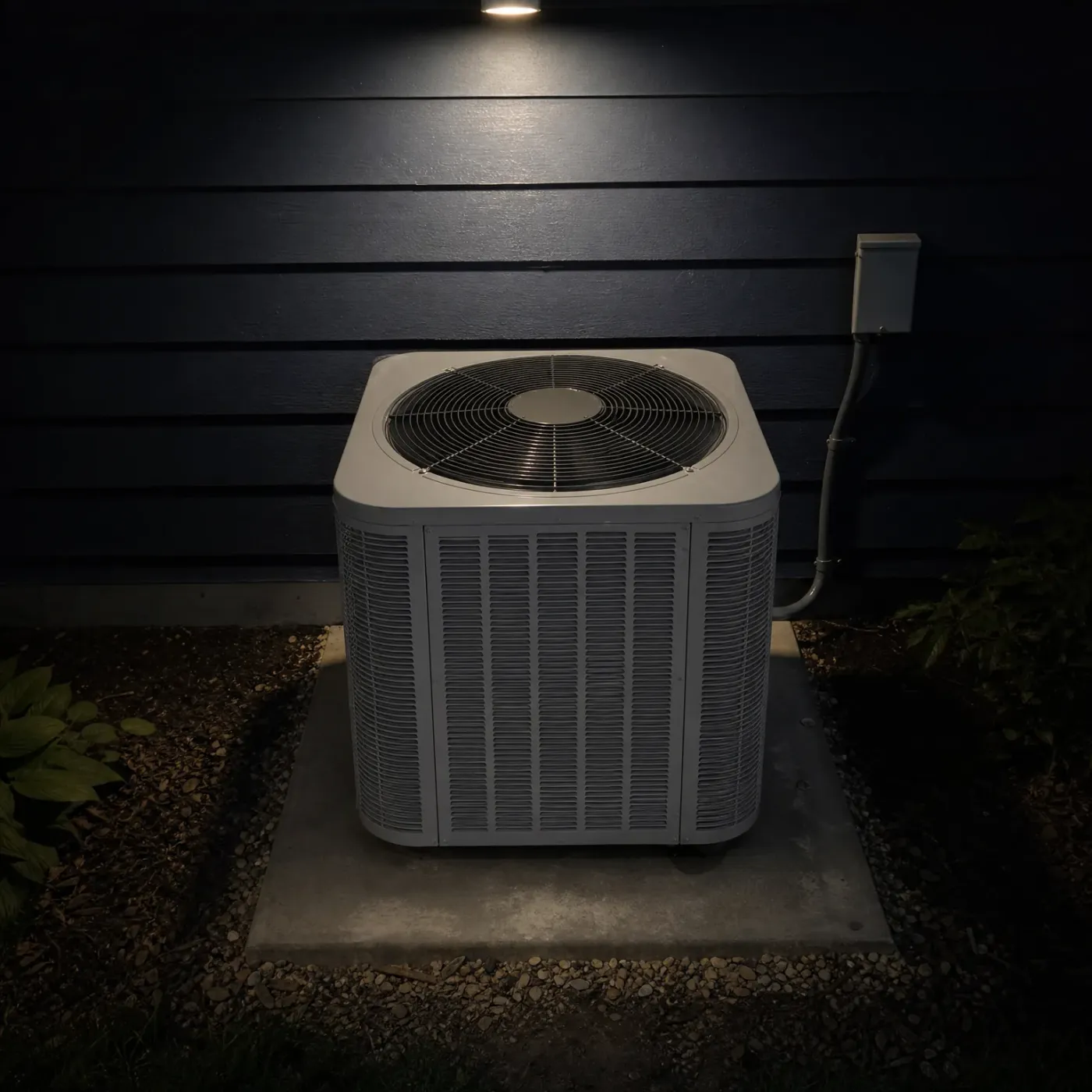
Winter is the real question, not summer. Heat runs seven months a year here, October through April, and that is the season a heat pump has to answer for. The average overnight low across December, January and February is 27°F. A standard heat pump starts falling short of its rated heat output below 40°F, and often needs backup heat below about 35°F. Your average winter night is below both marks, and so is every one of the roughly 85 nights a year that hit freezing or colder.
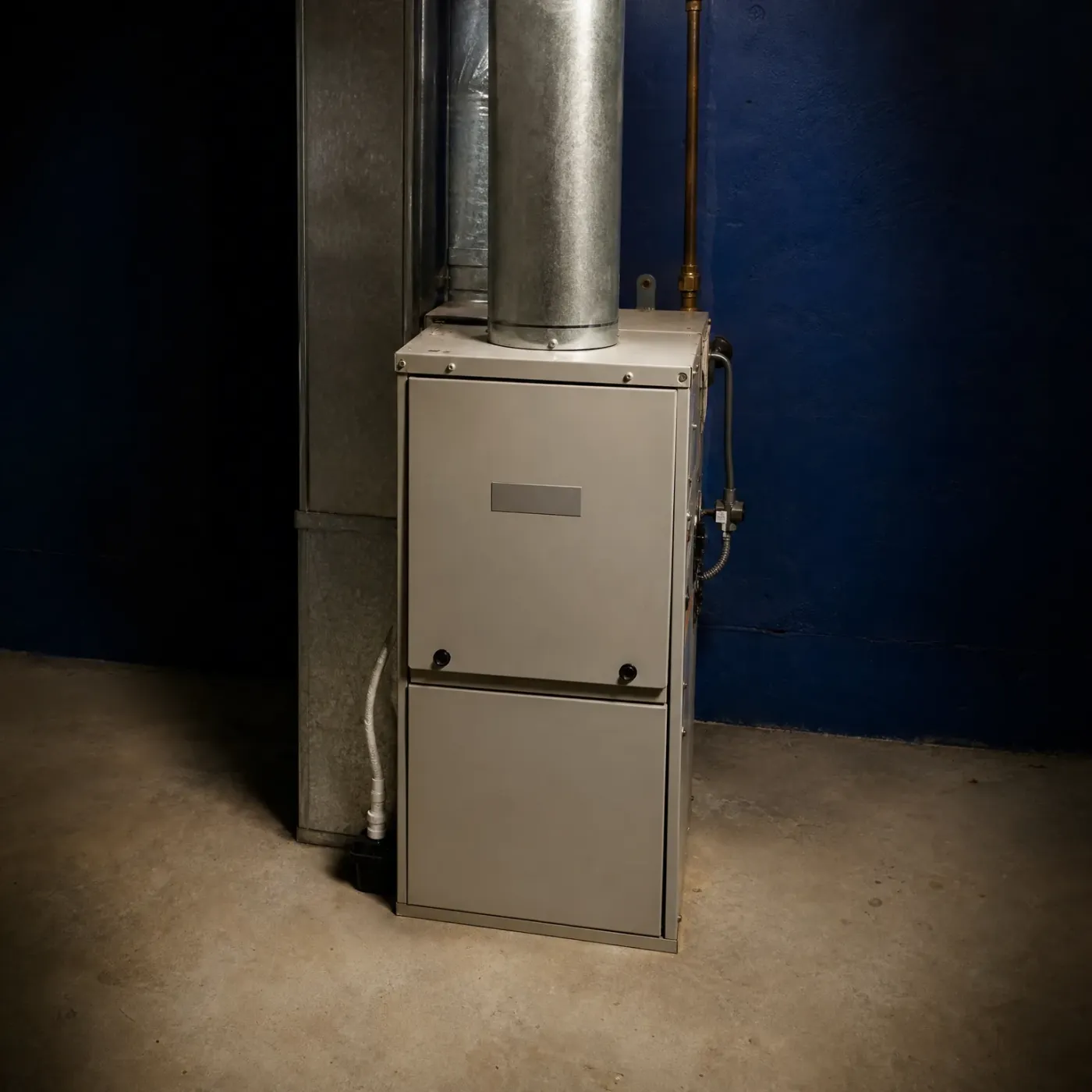
That does not mean the heat pump quits. It means it is leaning on backup heat, usually electric resistance coils, for a real part of the season. A gas furnace does not have that problem. It burns gas the same way at 27°F as it does at 0°F, so it delivers its full rated heat on the coldest night of the year same as the mildest one.
Deep cold itself is rare here. Only about one night a year drops to 0°F or below. But a heat pump does not need deep cold to struggle. It just needs the kind of night this county gets about 85 times a winter, at or below freezing, and that is a regular night here from December through February. A heat pump built to the ENERGY STAR Cold Climate standard is tested to hold most of its heat capacity down to 5°F, so that is the category worth asking about if the system has to carry the whole winter on its own.