





A illuminated two-story red brick house on a quiet residential street at dusk, flanked by mature trees under a deep blue evening sky.

Furnace Installation in Boonville, IN

Tell us about the job

Takes about a minute. No obligation.

New system or replacementFurnace or heatingWarrick County, IN
Step 1 of 2

What ZIP code is the job in?

Gas heats 57.9 percent of homes in Warrick County, more than any other fuel, with electricity covering 37.6 percent. If your old furnace runs on gas, putting in another gas furnace is usually the straightforward call. The gas line and venting are already there, and a new furnace can connect to what's in place. Switching fuels for a furnace installation means new venting at minimum, sometimes a new gas line or new electrical circuits. Worth knowing before you start comparing quotes.

7 months
October through April, your furnace is on duty
27°F
the average winter night it heats against
58%
of homes here heat with gas, so most furnaces here burn gas
80% AFUE
the federal minimum any new unit must meet
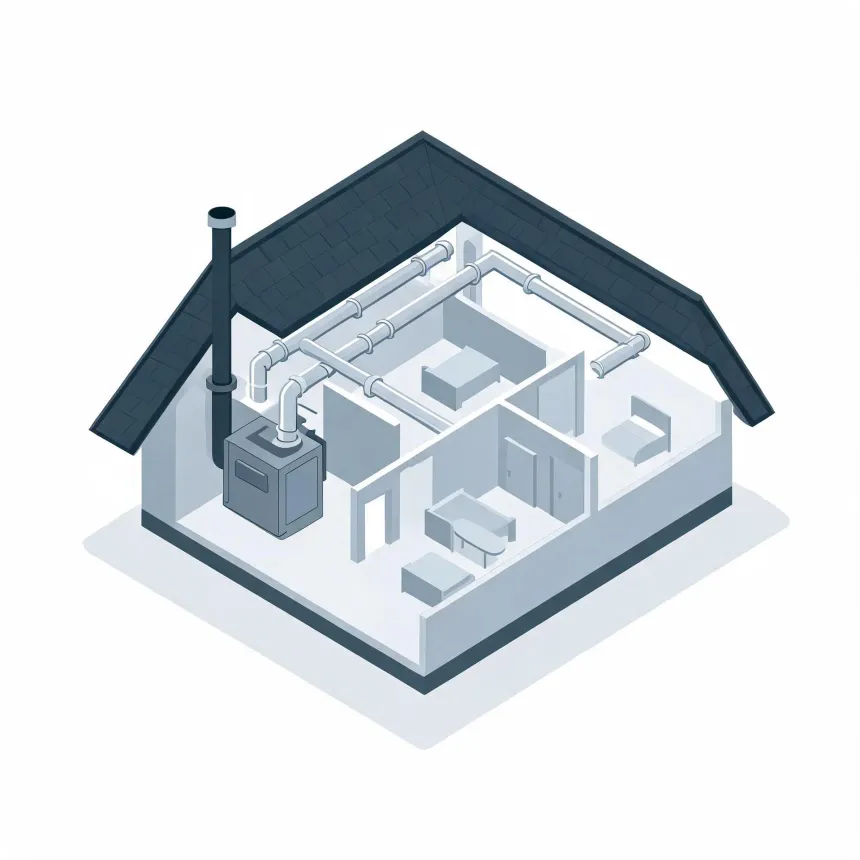
Isometric illustration of a cutaway house showing a dark furnace unit with a flue pipe and branching ductwork running through rooms with simple furniture under a dark gabled roof.
Your furnace works hardest from November through March.

NOAA nClimDiv, 1991–2020 normals

The furnace itself is only part of the bid.

Ductwork changes, new venting, and electrical work drive the price as much as the unit does.

September is the month to get this done before heat season starts in October

Heat runs October through April
Winter nights average 27°F
12 winter storms from 2015 to 2024

Natural gas ran Indiana homes $8.99 per million Btu in 2024. That's cheap compared to most of the country. A high-efficiency furnace still burns less gas than a standard one, but the savings add up slower here than they would somewhere with pricier gas. That changes what's worth paying extra for. Sizing the furnace right for your house and getting the venting installed correctly will matter more to your bill than chasing the highest efficiency rating on the shelf.

Replace it before the season

Replace it before the season starts, so it happens on your schedule, not in a hurry.

Find a contractor
A man in a cap, work jacket and tan trousers carries a canvas tool bag up wooden porch steps toward a blue front door of a house with lap siding.
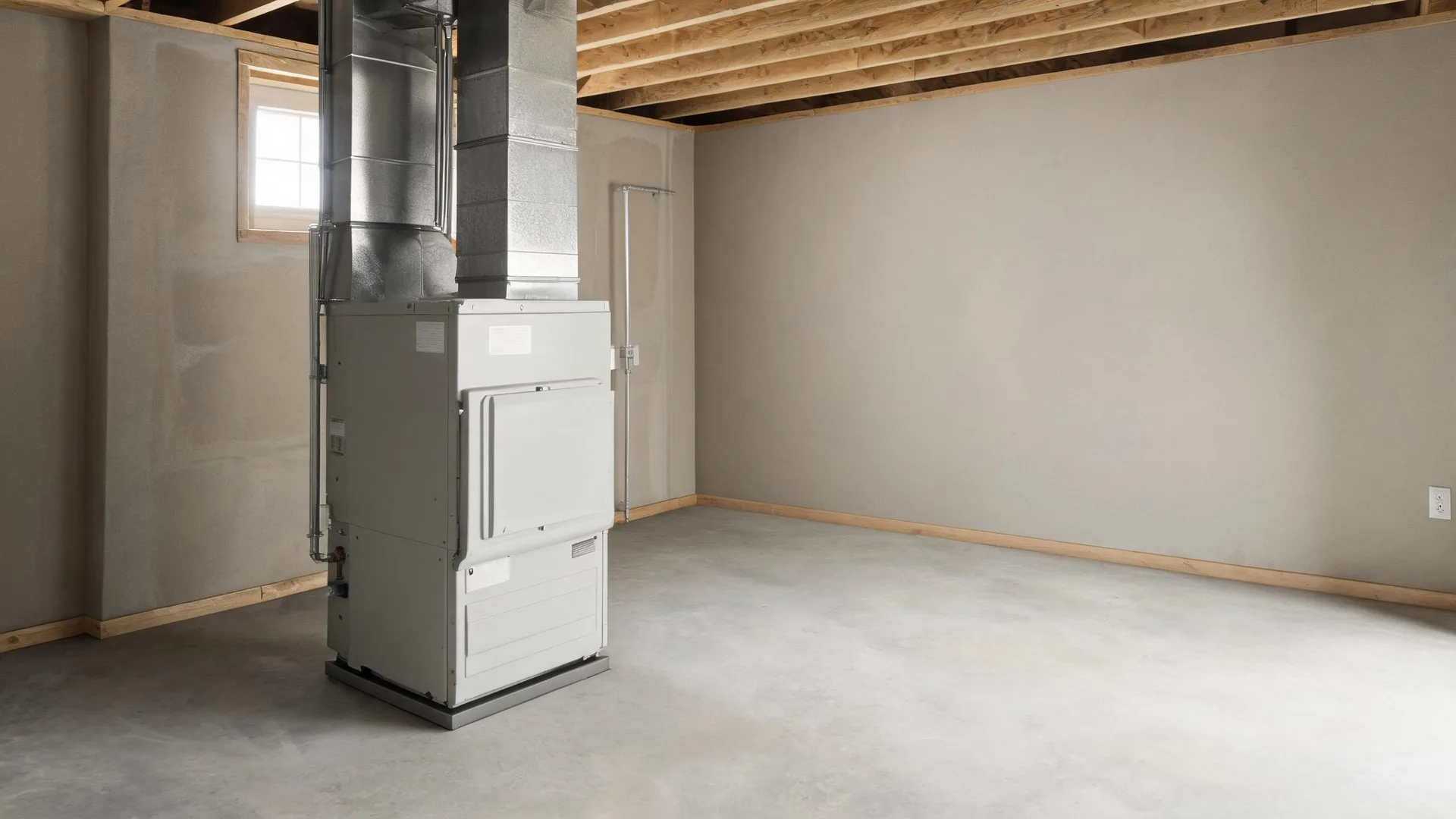
A gray gas furnace with attached ductwork and piping installed in an unfinished concrete basement.

Why bigger isn't better

A furnace that's too big for the house short cycles. It heats the air fast, hits the thermostat setting, and shuts off before it's pulled a full, steady cycle. The blower never gets the chance to move air long enough to even things out room to room. You get a blast of heat near the vents and cold corners everywhere else. All that starting and stopping wears on the ignition system and the blower motor faster than running full cycles would. A furnace that's too small just runs and runs, trying to keep up on the coldest days, and never quite gets there. To size it right, a contractor works out the heat loss of the house itself. Square footage, how many windows and what kind, how much insulation is in the attic and walls, which direction the house faces. That calculation points to an output range, and the furnace gets matched to it. A ductwork review should go with it. Ducts sized for the old furnace don't automatically work with a new one, especially if the output is different. Undersized ducts choke airflow no matter how well the furnace itself is sized.

Ask what's included in the heat loss calculation

Any contractor can measure the square footage and size a furnace off a chart. A proper calculation also accounts for window count and type, insulation levels, and ceiling height. If a quote names a furnace size without describing how they got there, ask what they measured.

Ask what happens to the existing ductwork

A new furnace moving a different volume of air than the old one needs ducts that can carry it. If the quote doesn't mention inspecting or adjusting the ductwork, the new furnace may fight the same airflow problems the old one did, no matter how well it's sized.

An unfinished concrete basement containing a metal HVAC air handler, exposed wooden ceiling joists with sheet-metal ducts, a hanging bare bulb, copper pipes, and stacked cardboard boxes.

A high-efficiency gas furnace would save about $80 a year to run in Warrick County compared with a gas furnace.

  • A high-efficiency gas furnace$340 a year
  • A gas furnace$420 a year

Estimates for a typical Warrick County home, from EIA household energy data, Indiana fuel prices and NOAA climate normals. Your home will differ.

Installation day starts with the old furnace coming out, along with any venting or gas line that isn't being reused. The new furnace goes in, gets connected to the ductwork, the gas line, the venting and the electrical, then the whole system gets tested. That includes checking gas pressure, confirming the flue is drafting properly, and running the furnace through a full cycle to see that it ignites, heats, and shuts off the way it should. A combustion analyzer checks the exhaust to make sure the furnace is burning clean. Expect the house to be without heat for part of the day while this happens. Before anyone leaves, the thermostat gets programmed and the settings get walked through, so you know what you're working with before the first cold night.