


What winter here does to a heat pump
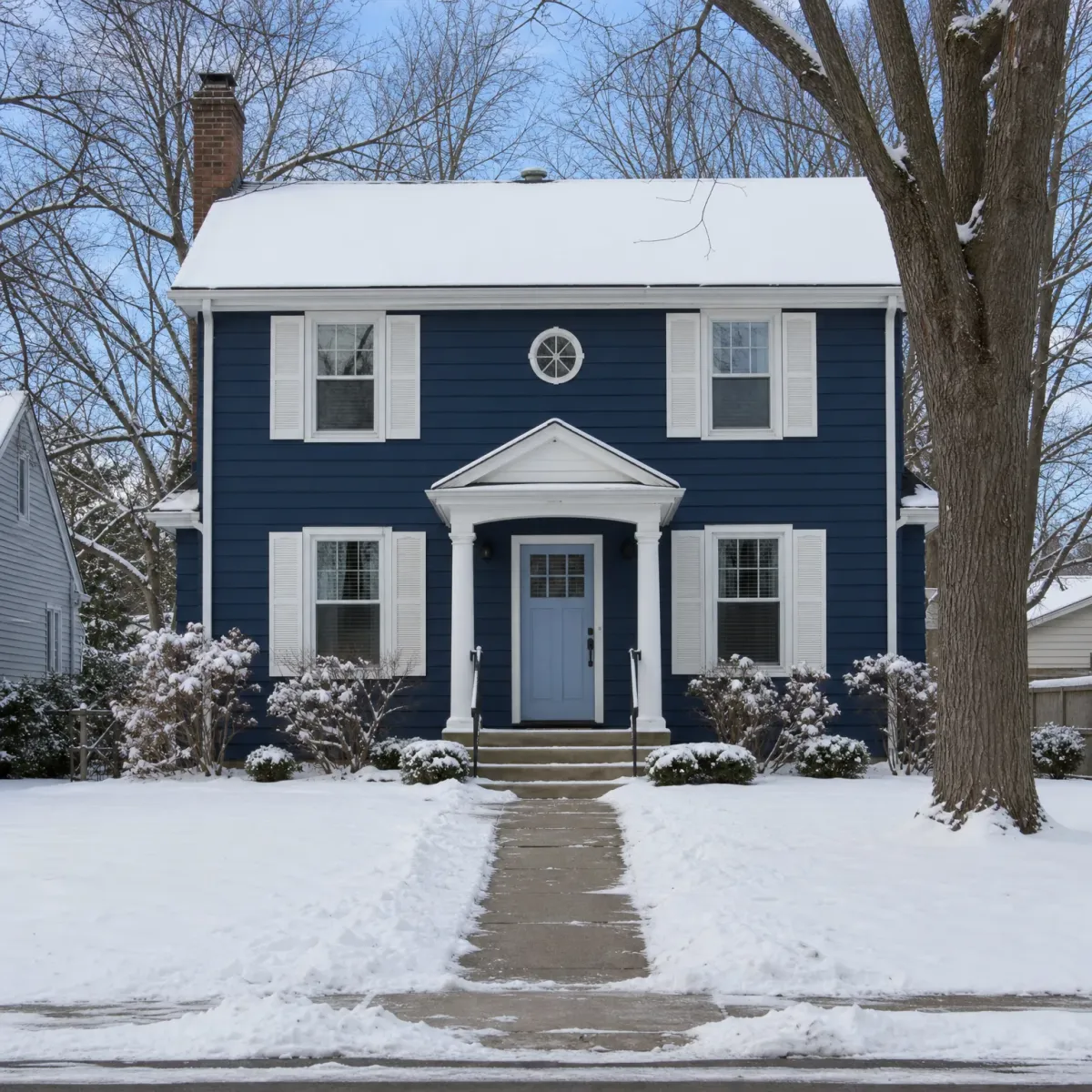
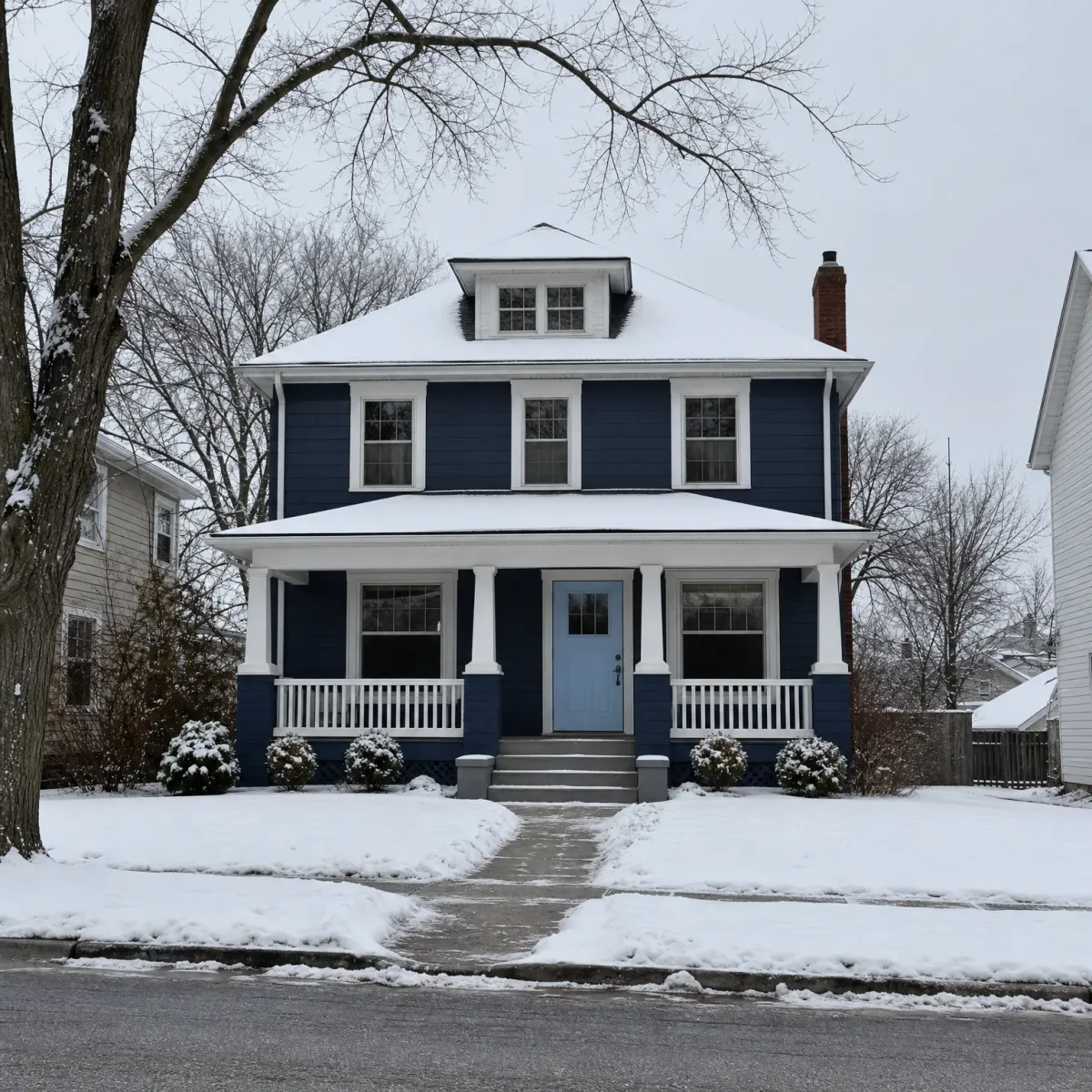
Your winter low here averages 22°F, and that matters because 22°F is below the two marks that define how a standard heat pump behaves. Below 40°F it puts out less heat than its rating says. Below about 35°F it often needs backup heat to make up the difference. Every one of the roughly 120 nights a year here that drop to freezing or below is colder than both marks.
That is half the nights in your eight-month heating season. This is not a county where it dips below 35°F a few times and climbs back. It sits below that line most of the winter, which is exactly where a standard heat pump works hardest and delivers least.
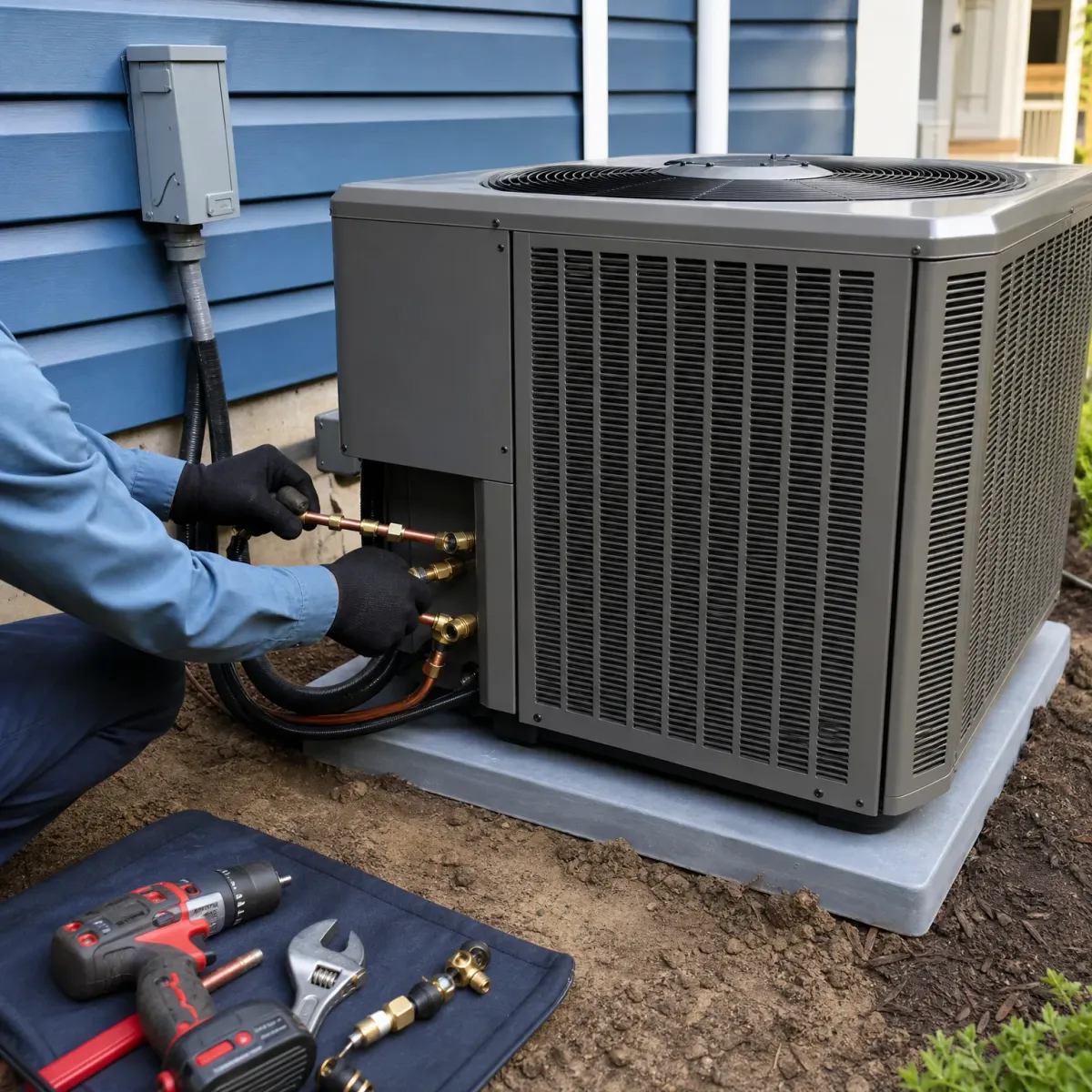
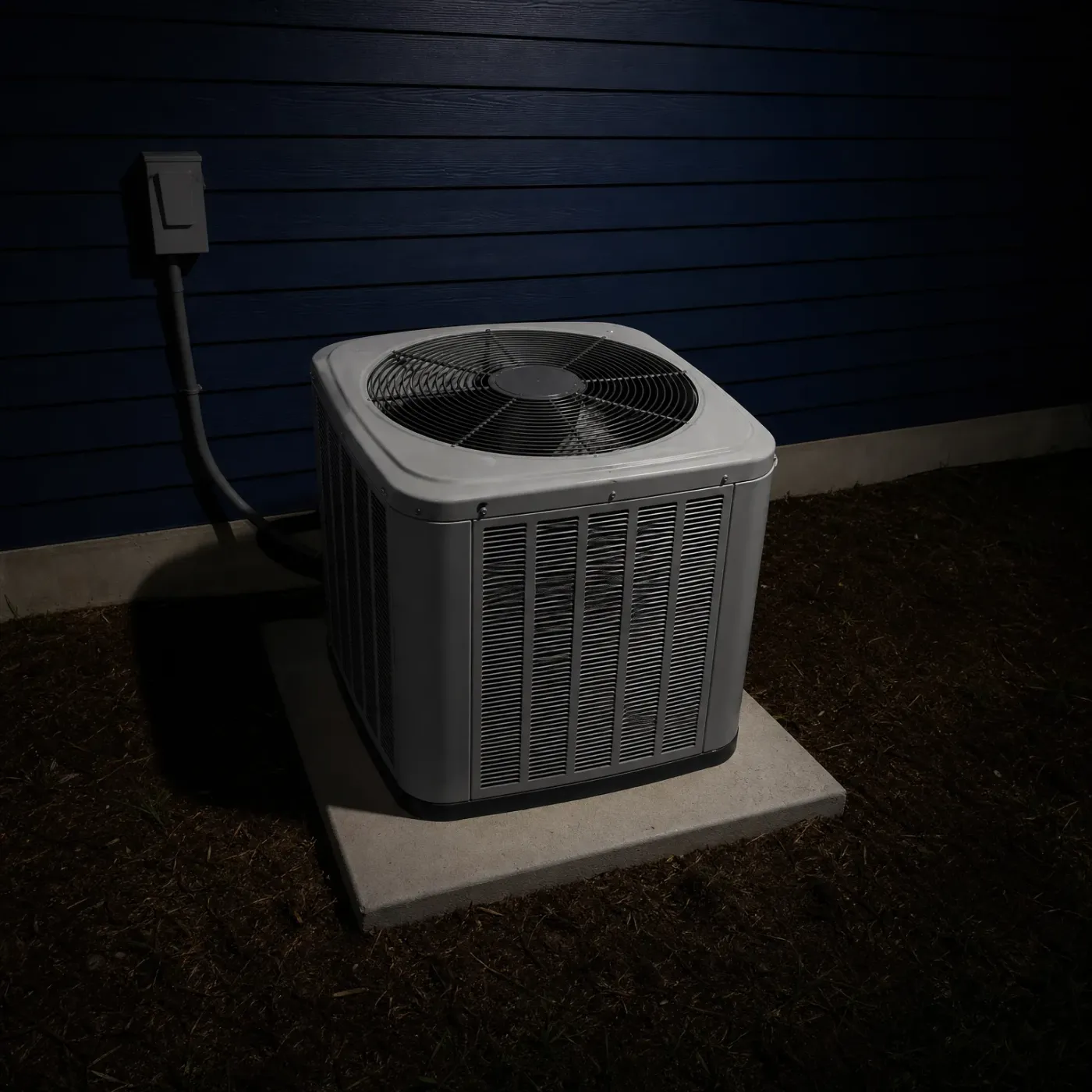
A cold climate model changes the math. To earn that label a heat pump has to keep making real heat down at 5°F, at least 1.75 units of heat per unit of electricity, and hold onto most of its rated output at the same temperature, tested by a third party rather than claimed by the maker. A two-winter study of these units running in actual homes backed that up: backup heat covered only a small share of the load between 0°F and 35°F, and the units almost never fell back to backup heat alone unless it was already below 0°F. Your 5 nights a year that reach 0°F are the only nights that category of problem applies to at all.