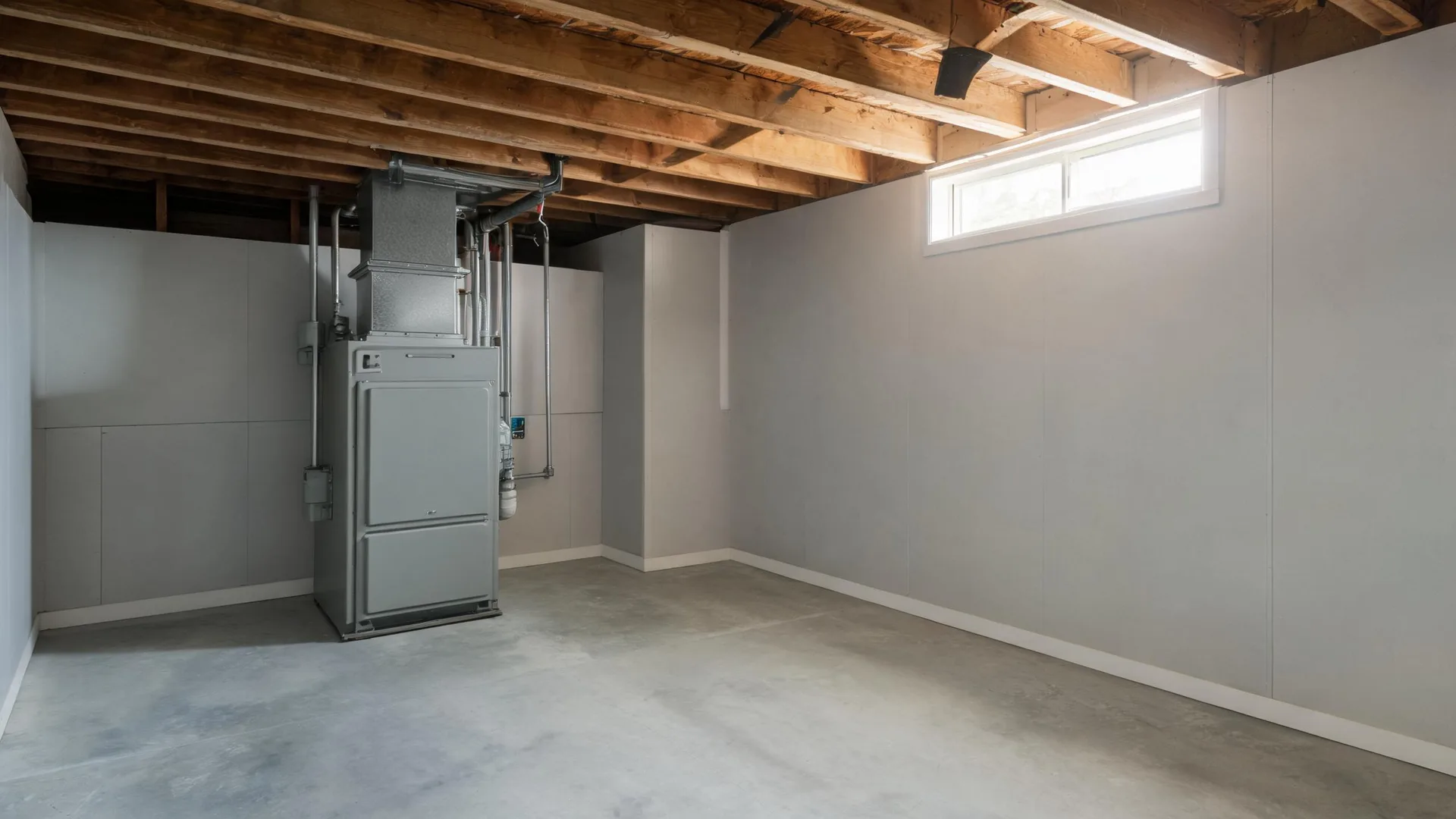
Gas is the norm here
Utility gas heats 60.8% of homes in Hamilton County. If your house already has a gas line, a gas furnace is the straightforward replacement, and most installers working this area size and vent them every week.
Takes about a minute. No obligation.
Utility gas heats 60.8% of homes in Hamilton County. If your house already has a gas line, a gas furnace is the straightforward replacement, and most installers working this area size and vent them every week.
Electricity heats another 36.1% of homes here. If yours is one of them, an electric furnace or heat pump setup is a normal path too, not a workaround, and parts and service for it are just as available locally.
NOAA nClimDiv, 1991–2020 normals
The AFUE number on the label tells you how much of the fuel the furnace burns actually turns into heat in the house.
A higher AFUE furnace costs more up front but wastes less fuel out the flue every time it runs.




Heat comes on in October here and runs through May, eight months of the year. September is the last month before that starts, and it's the easiest time to replace a furnace. Wait for the first cold snap and you're picking from whatever's in stock, with whoever can get out fastest, while the house is already cold. Replace it in September instead, and the installer has time to size it to your house and vent it properly, no rushing through the parts of the job that are easy to get wrong under pressure. The furnace itself doesn't need to be anything special for Hamilton County winters. The timing is what's worth getting right.
Any furnace installed here now has to hit 80.0 percent AFUE at minimum, the standard for this climate zone. That floor jumps to 95.0 percent for furnaces built on or after December 2028, so a furnace bought today still meets the rule as it stands. A system that qualifies may also qualify for a federal tax credit, worth checking before you settle on a unit.
Find a contractor
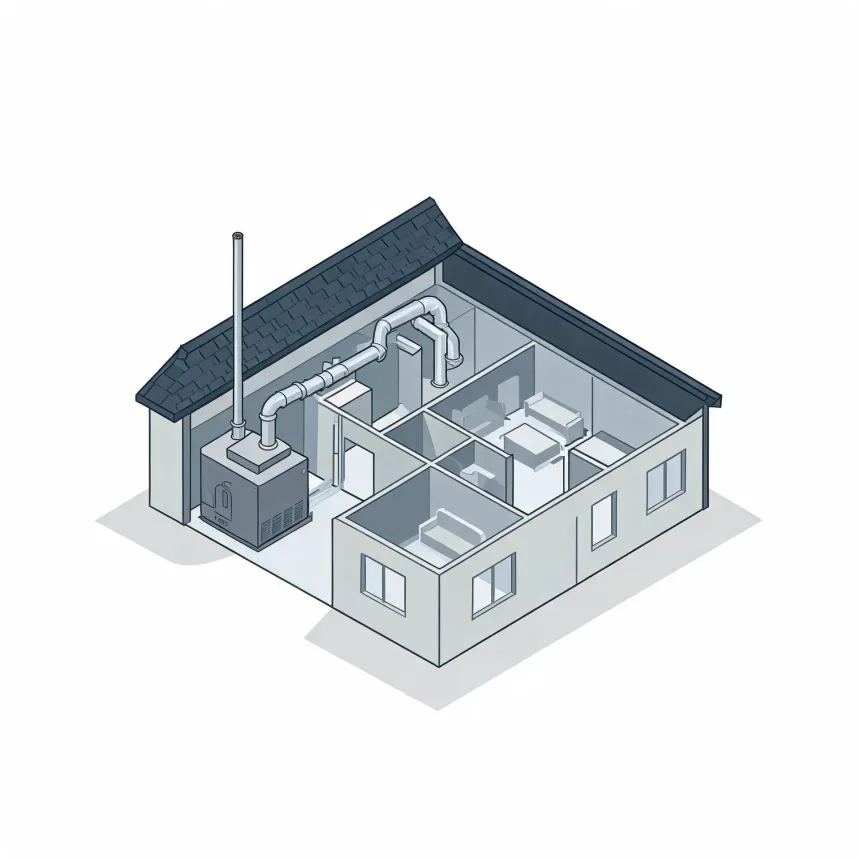
The size of the furnace matters more to the final price than almost anything else, and size isn't a matter of the house's square footage alone. A contractor doing it right measures the ductwork, checks the insulation, counts windows, and runs a load calculation before quoting anything. Skip that step and you either pay for capacity the house doesn't need or end up with a furnace that runs long cycles and still can't keep up on the coldest nights. Venting is the other big variable. A high-efficiency furnace vents through PVC pipe and needs a condensate drain, so if the old furnace vented through a metal flue, the installer is often running new pipe and finding a place for that drain to go. That work varies a lot from one house to the next, and it's where quotes start to spread apart even for the same furnace.
Heat loss is what matters, and heat loss depends on how much of the house is window, how much insulation sits in the attic, and how many walls face outside. Houses the same size can need different size furnaces for that reason alone. A contractor works this out room by room, not from a chart that only asks for square footage.
An oversized furnace heats the house fast, shuts off, then sits idle until the house cools enough to kick on again. Those short cycles mean the air in the ducts never runs long enough to feel even from room to room, and the furnace wears faster from switching on and off instead of running a steady stretch.
Estimates for a typical Hamilton County home, from EIA household energy data, Indiana fuel prices and NOAA climate normals. Your home will differ.
Install day starts with the old furnace coming out, and that alone can take a couple hours if the ductwork or venting has to come apart with it. Once it's out, the installer sets the new unit, connects the gas line, and runs the venting, PVC for a high-efficiency furnace, metal flue if it's a standard one. Electrical and the thermostat wiring come next, then the ductwork gets sealed back up wherever it was opened. Before anyone calls it done, the furnace gets fired and run through a full cycle, gas pressure checked, temperature rise measured against what the manufacturer specifies, and the venting checked for proper draft. A furnace that passes those checks on the first run was sized and installed right. One that needs adjusting after the fact usually means something got measured wrong earlier in the day.