




An unfinished concrete basement containing a metal HVAC air handler, exposed wooden ceiling joists with sheet-metal ducts, a hanging bare bulb, copper pipes, and stacked cardboard boxes.

Furnace Installation in Lawrenceburg, IN

Tell us about the job

Takes about a minute. No obligation.

New system or replacementFurnace or heatingDearborn County, IN
Step 1 of 2

What ZIP code is the job in?

Gas heats more homes in Dearborn County than anything else, 44.7 percent, with electricity behind it at 38.6 percent. If your old furnace ran on gas, putting in another gas furnace means the gas line, the venting and the gas meter are already there. That keeps the job straightforward. Some homes here run on LP gas instead, about one in ten, and that changes what the installer hooks the furnace up to, not much else about the work. Worth checking which one serves your house before you start comparing units.

7 months
October through April, your furnace is on duty
25°F
the average winter night it heats against
80% AFUE
the federal minimum any new unit must meet
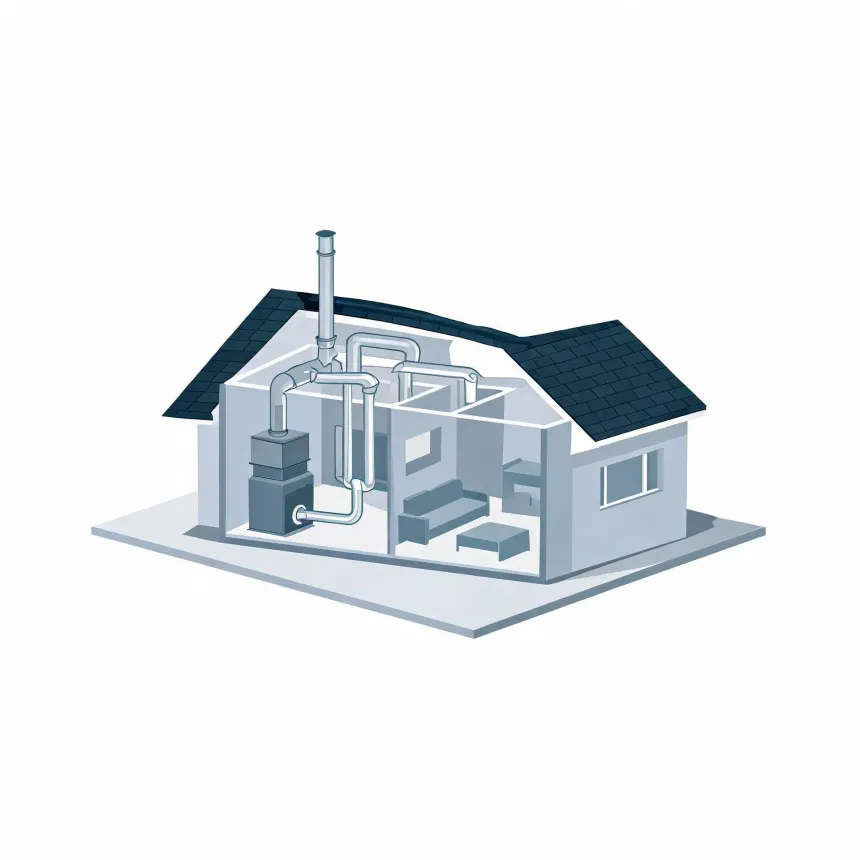
Isometric illustration of a cutaway single-story house showing a gray furnace unit, connected ductwork, and a vertical flue extending above the dark shingled roof.
Your furnace works hardest from November through March.

NOAA nClimDiv, 1991–2020 normals

Natural gas in Indiana ran $8.99 per million Btu in 2024, cheaper than in most states.

A high-efficiency furnace still saves on a bill like that, but it takes longer to pay back the difference in price, so picking one that fits and lasts matters more than chasing the top efficiency number.

A standard furnace, sized right, is all this county asks for

Heat runs October through April
Winter nights average 25°F
14 winter storms from 2015 to 2024

Dearborn County sits in climate zone 4A, mixed and humid, which asks real work of a furnace through the winter without the extremes colder zones see. Any non-weatherized gas furnace built today has to hit 80 percent AFUE, and that's the floor you'll find on new units here. That floor holds for a few more years yet, then rises to 95 percent for furnaces built after it. So a furnace bought now only has to clear 80 percent to be legal to install. Nothing stops you from buying higher, but the zone doesn't require it yet.

Get it installed before October, not after

Heat starts running in October here and stays on through April, seven months straight. Put a new furnace in come September and it's broken in and running right by the time you need it, on a schedule you picked rather than one the weather picked for you.

Find a contractor
A gray high-efficiency gas furnace installed in an unfinished basement, surrounded by gas lines, a condensate drain, and sheet-metal ductwork.

Size it for the house, not the old unit

Installed size is the biggest factor. A furnace too big for the space cycles on and off instead of running a steady stretch, and that short cycling wears out the igniter and the blower motor years before they should quit. A contractor sizes the unit with a load calculation, not a guess based on the old furnace, and that calculation takes time to do right. Beyond sizing, what changes the cost is what the job asks of the installer. Running new vent pipe, swapping out ductwork that's undersized or leaky, moving the unit to a new spot in the house, upgrading the electrical to run the blower, all of that is labor and material on top of the furnace itself. A straight swap, same spot, same venting, same ducts, is the simplest version of this job. Everything added to that is what moves the number.

A load calculation looks at the whole house

An installer doing this right measures the square footage, checks the insulation, counts the windows, and figures how much heat the house actually loses on a cold day. The old furnace's size tells you what someone decided years ago, maybe right, maybe never right to begin with. The load calculation starts over and asks what this house needs now.

Oversized fails quietly, then all at once

A furnace that's too big heats the house fast and shuts off, then kicks back on a few minutes later. That on off on off pattern is short cycling, and it never lets the system settle into a steady run. The igniter takes the brunt of it, since it fires every time the cycle restarts, and the blower motor wears from constant starting and stopping instead of running smooth.

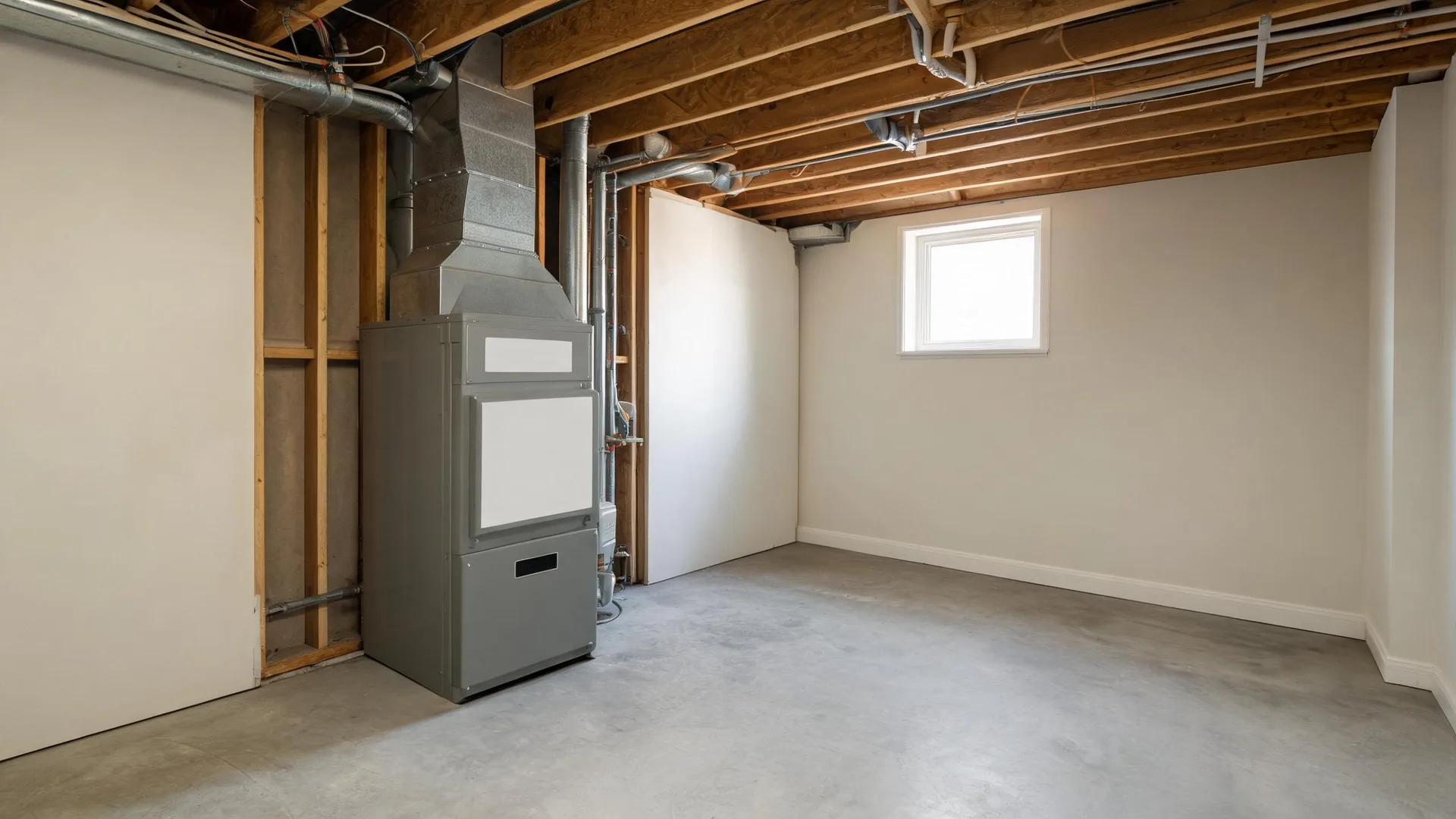
A gas furnace with sheet-metal ductwork and PVC pipes installed in an unfinished basement.

A high-efficiency gas furnace would save about $80 a year to run in Dearborn County compared with a gas furnace.

  • A high-efficiency gas furnace$390 a year
  • A gas furnace$470 a year

Estimates for a typical Dearborn County home, from EIA household energy data, Indiana fuel prices and NOAA climate normals. Your home will differ.

The old furnace comes out first. The installer shuts off the gas, disconnects the vent, and pulls the unit and whatever ductwork or plenum has to change to fit the new one. Setting the new furnace means leveling it, connecting the supply and return plenums, running the gas line to it, and venting it properly, whether that's through an existing chimney or new pipe through a wall. Electrical comes next, tying the blower and control board into power and the thermostat. Once it's buttoned up, the installer pressure tests the gas connections to check for leaks before anything gets lit. Then the furnace fires, and the installer watches it cycle, checks the temperature rise across the heat exchanger, and makes sure the blower is moving the right amount of air. A straight swap in the same spot usually wraps in a day. Anything that changes the venting, the ductwork, or where the unit sits adds time on top of that.