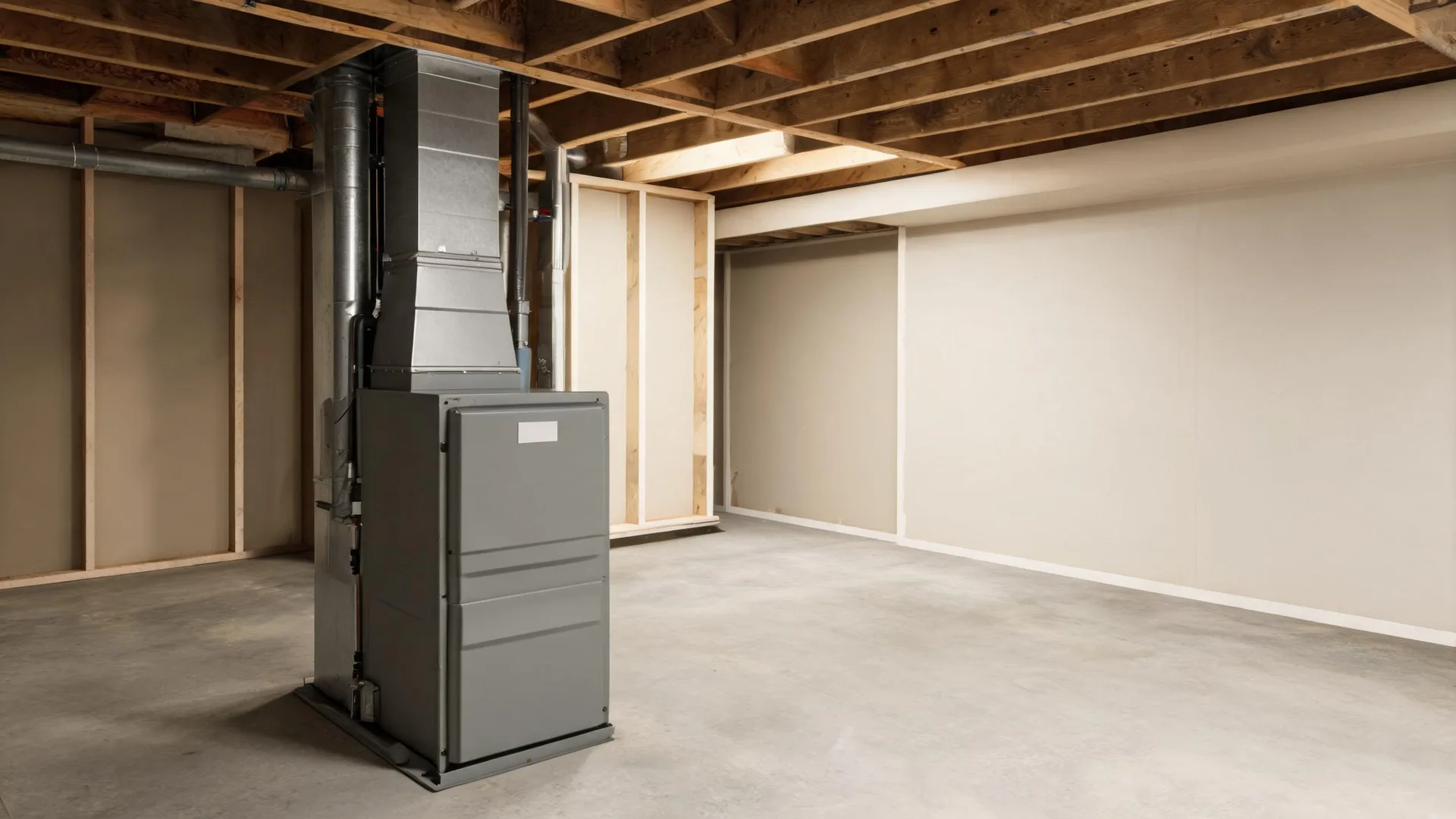
Most furnaces here run on gas
Just over half of homes in Henry County heat with utility gas. A gas furnace is the common replacement, and parts and venting for one are what most contractors here install and service week to week.
Takes about a minute. No obligation.
Just over half of homes in Henry County heat with utility gas. A gas furnace is the common replacement, and parts and venting for one are what most contractors here install and service week to week.
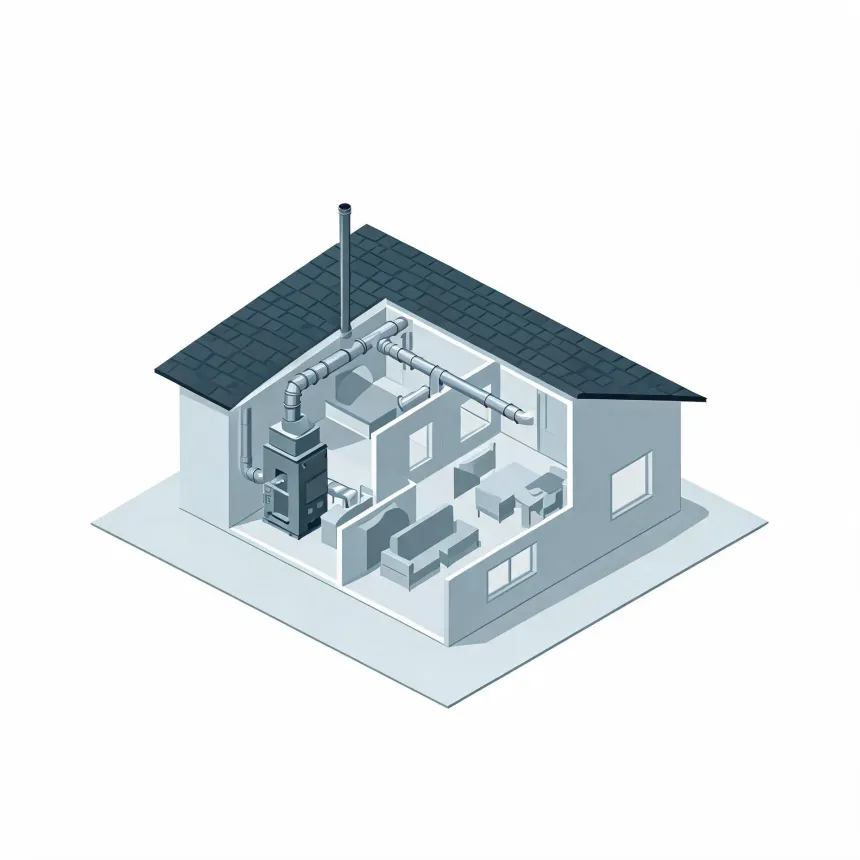
If gas line and venting are already in place, putting in another gas furnace is usually the straightforward path. A switch to electric heat or propane means new venting or a new fuel line, which is a different job and a different conversation with the contractor.
NOAA nClimDiv, 1991–2020 normals
Natural gas ran $8.99 per million Btu in Indiana in 2024, cheaper than in most states.
A high-efficiency furnace saves less here each month, so pick one for how long it lasts, not just its efficiency rating.



Half the homes in Henry County were built in 1961 or earlier. If that includes yours, ask the contractor to check the ductwork before they settle on a furnace size, not after. Ductwork sized for an older furnace doesn't always suit a different unit, and a furnace that's wrong for its ductwork runs worse than one that's just older. Returns and supply runs may need adjusting at the same time the furnace is swapped, while the walls are already open and someone is already there to do it. That's a question for the contractor who inspects the place, not something to guess at ahead of time.
Furnaces here run from October through May, with overnight lows averaging 22°F through December, January and February. That's a normal winter load, nothing a standard size and efficiency can't handle. No reason to size up or pay more than the house calls for.
Find a contractor
Heat goes on here in October and runs through May, eight months of the year. September is the month to get a new furnace in. The nights are still mild enough that you're not rushing anyone. A contractor can check the venting, size it to the house, and test it before it has to run. Wait until the furnace quits on a cold morning and you get whatever can be scheduled fast, not the job done right.
The number on the label tells you how much of the gas you burn turns into heat for the house, and how much goes out the vent as exhaust. It has nothing to do with how big a furnace the house needs or how long the unit will last. A furnace can carry a high rating and still be the wrong size for the ductwork it ties into.
A high-rated furnace cools the exhaust down enough that it has to leave through PVC pipe, not a metal flue. That calls for a wall or roof penetration the old furnace never needed. A standard furnace often reuses the venting that's already in place. The rating on the unit decides which job the contractor is actually doing.
Estimates for a typical Henry County home, from EIA household energy data, Indiana fuel prices and NOAA climate normals. Your home will differ.
The old furnace comes out first, and that's when a contractor finds out what's really there, whether the ductwork connects cleanly or needs new transitions, whether the gas line is sized right for the new unit. Setting the new furnace is quick. Most of the day goes to the venting, the gas connection, and the ductwork tie-in, then testing it before anyone signs off. A contractor should fire it up, check the flame, check for proper draft, and run it through a full cycle. The thermostat gets wired and set last. By the end of the day it should run on its own, no one standing over it, no smell of gas anywhere near the unit. If something needs a second look, that's the day to find it, not the first cold morning it runs on its own.