




Three illuminated two-story brick houses on a tree-lined residential street photographed at twilight, with warm window light and landscape uplighting visible against a deep blue evening sky.

Furnace Installation in Seymour, IN

Tell us about the job

Takes about a minute. No obligation.

New system or replacementFurnace or heatingJackson County, IN
Step 1 of 2

What ZIP code is the job in?

Electricity in Indiana ran $43.28 per million Btu in 2024, and most furnaces in Jackson County run on it. That number sits on every bill, month after month, for as long as the furnace is in the house. A furnace that wastes heat is wasting something you're already paying a premium for. The efficiency rating on the unit you choose matters more here than it would somewhere with cheaper power.

7 months
October through April, your furnace is on duty
25°F
the average winter night it heats against
80% AFUE
the federal minimum any new unit must meet
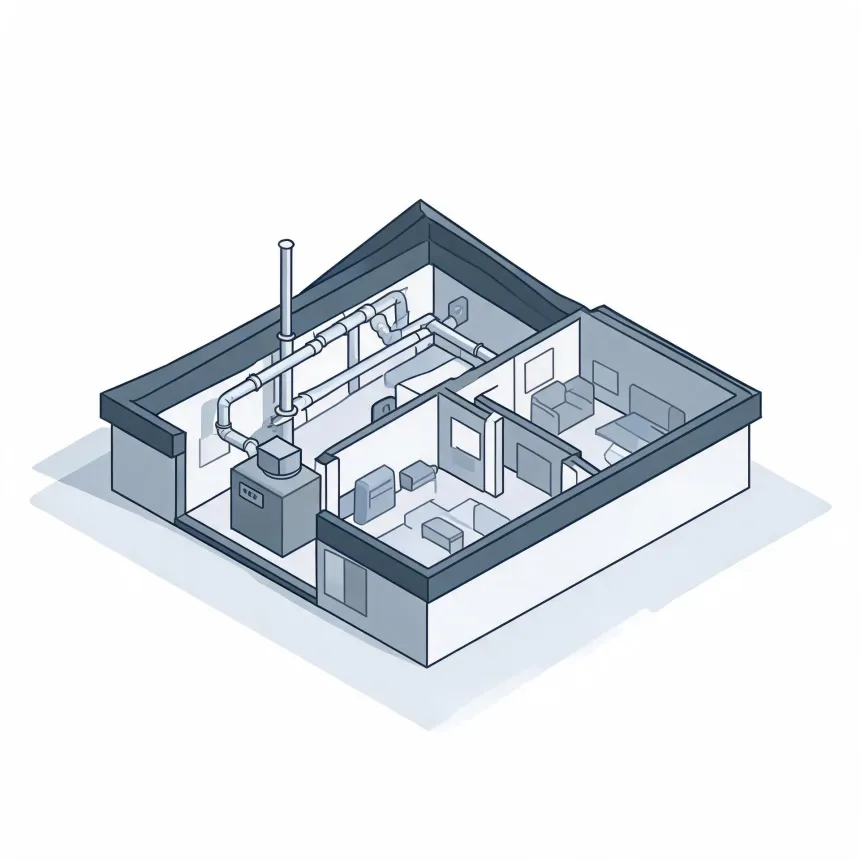
Isometric line illustration of a cutaway building interior showing a furnace unit with a flue pipe and ductwork running along the ceiling, plus adjacent rooms with simplified furniture.
Your furnace works hardest from November through March.

NOAA nClimDiv, 1991–2020 normals

Most homes in Jackson County heat with electricity.

Replacing an electric furnace with another one is the straightforward path for most houses here.

Seven months of winter is a long time to run the wrong furnace

Heat runs October through April
Climate zone 4A
Winter nights average 25°F

Jackson County falls under zone 4A in the 2021 energy code, a mixed climate that asks real work of both the furnace and the AC. Any gas furnace sold here has to clear a federal minimum to go with it. Units built from November 2015 on have to turn at least 80 percent of the gas they burn into heat over the winter. That floor holds until December 2028, when it jumps to 95 percent for anything manufactured after that date. If you're shopping now, you're choosing from furnaces built to the 80 percent standard. A federal tax credit is available on qualifying high-efficiency equipment, worth checking before you settle on a unit.

The rating on the unit you choose sets your bill for as long as it's in the house

The efficiency rating on the furnace you pick decides what every winter bill looks like after this one. Ask what rating the unit carries before you sign off on it.

Find a contractor
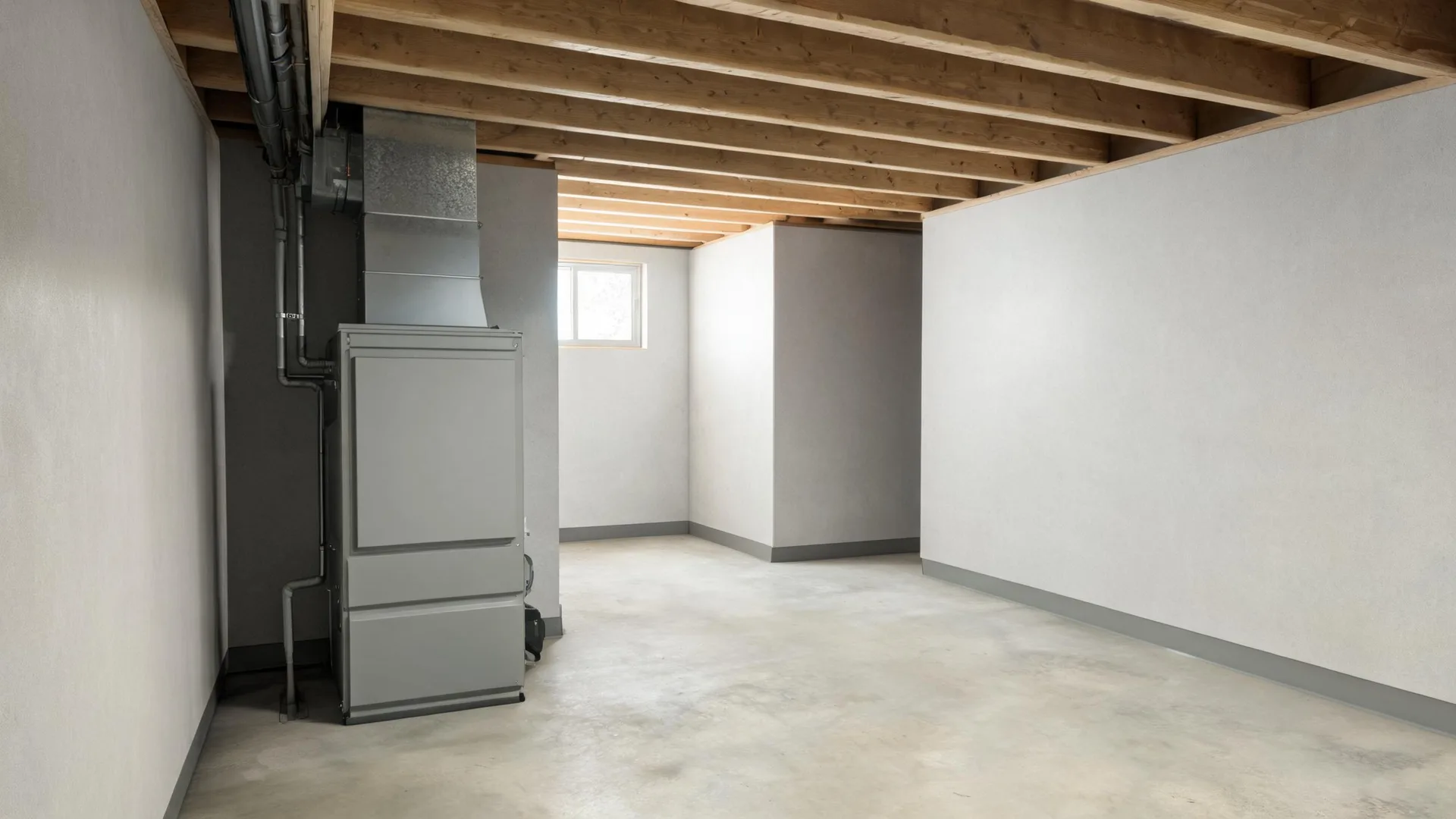
A gray residential gas furnace installed in an unfinished basement, surrounded by ductwork, a metal flue pipe, and a gas supply line.

What you can't see on the spec sheet

The size of the furnace matters more than people think. A unit too big for the house cycles on, satisfies the thermostat fast, and shuts off before it's pulled moisture out of the air or warmed the place evenly. That short-cycling wears on the ignition system and the blower motor both, since the parts that take the most stress are the ones working every time it starts up. A unit too small runs long stretches without ever catching up, which burns more fuel trying. Getting the size right takes a load calculation on the house itself, not a guess based on the old equipment. Beyond sizing, the ductwork it ties into has to be able to move the air the new furnace puts out. Old ducts sized for an old unit can choke a new one, and that shows up as rooms that won't heat right no matter how good the furnace is. The venting matters too. A high-efficiency furnace condenses exhaust gas and needs venting built for that moisture, different from what an older, simpler furnace used. None of this is optional work. It's what decides whether the furnace runs the way its rating says it should.

Ask what the AFUE rating actually covers

AFUE tells you how much of the fuel burned turns into heat over a full season, not on some ideal test day. Two furnaces with the same rating on paper can still perform differently depending on how they modulate. A single-stage furnace runs at one output, full blast, every time it fires. A two-stage or modulating furnace adjusts how hard it runs to match what the house actually needs at that moment, which tends to hold a steadier temperature and run longer at lower output instead of short, hard bursts.
Ask what happens to the warranty if someone else installs it

The furnace itself carries a manufacturer warranty on parts like the heat exchanger and the gas valve, but most of those warranties require the unit to be installed and registered by a licensed contractor within a set window. A unit that sits uninstalled too long, or goes in without the paperwork filed, can lose coverage before it ever runs a single winter. When you're comparing quotes, ask who registers the warranty and when, not just what the warranty covers.

AFUE is the number on the label, but it's a lab number. It tells you how much fuel the furnace turns into heat under test conditions, not how it'll run once it's tied into your ductwork and your thermostat. A furnace rated higher will, all else equal, waste less fuel doing the same job as one rated lower. That's the whole promise the rating makes. It doesn't promise a certain bill, because the rating says nothing about how big the house is, how tight it is, or how the ducts move the air once it leaves the furnace. Two furnaces with the same rating can still feel different to live with, since the rating covers fuel burned, not comfort delivered. Think of it as a ceiling on efficiency, not a guarantee the house will hit it.

Installation starts with the old furnace coming out, along with anything tied to it that's being replaced, like the vent pipe or the gas line connection. The new unit gets set in place and leveled, since a furnace sitting even slightly off can affect how the burner operates and how condensate drains on a high-efficiency model. From there the gas line, the electrical, and the ductwork all get connected to the new equipment, and the venting gets run to match what that specific furnace needs. Once it's hooked up, the furnace gets fired and run through its paces: checking gas pressure, checking the temperature rise across the heat exchanger, checking that the blower is moving the right amount of air. A combustion analyzer gets used to confirm the furnace is burning clean and venting properly before anyone calls the job done. The last step is usually walking the thermostat and any settings with whoever lives there, so the furnace actually gets used the way it was set up to run.