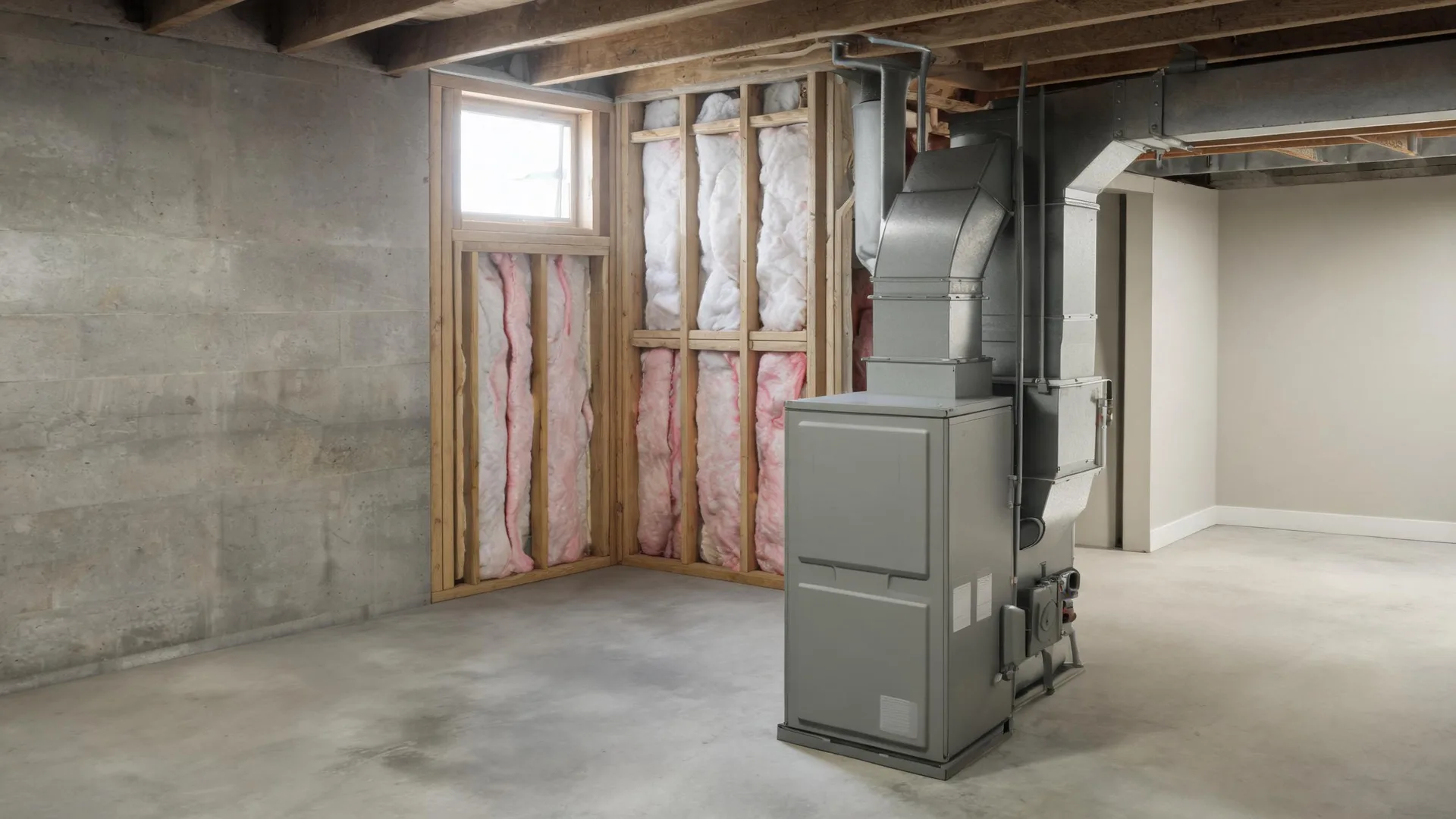
Gas is the default here
Utility gas heats 55.1% of homes in Knox County, more than any other fuel. Electricity is second at 34%, and LP gas heats another 8.4%. If your old furnace ran on gas, the line to it is already in place.
Takes about a minute. No obligation.
Utility gas heats 55.1% of homes in Knox County, more than any other fuel. Electricity is second at 34%, and LP gas heats another 8.4%. If your old furnace ran on gas, the line to it is already in place.
A gas furnace replacement reuses the gas line and the vent, often in the same spot the old one sat. Switching fuels means new venting, new wiring, or a new line run to the furnace, work a straight swap doesn't need.
NOAA nClimDiv, 1991–2020 normals
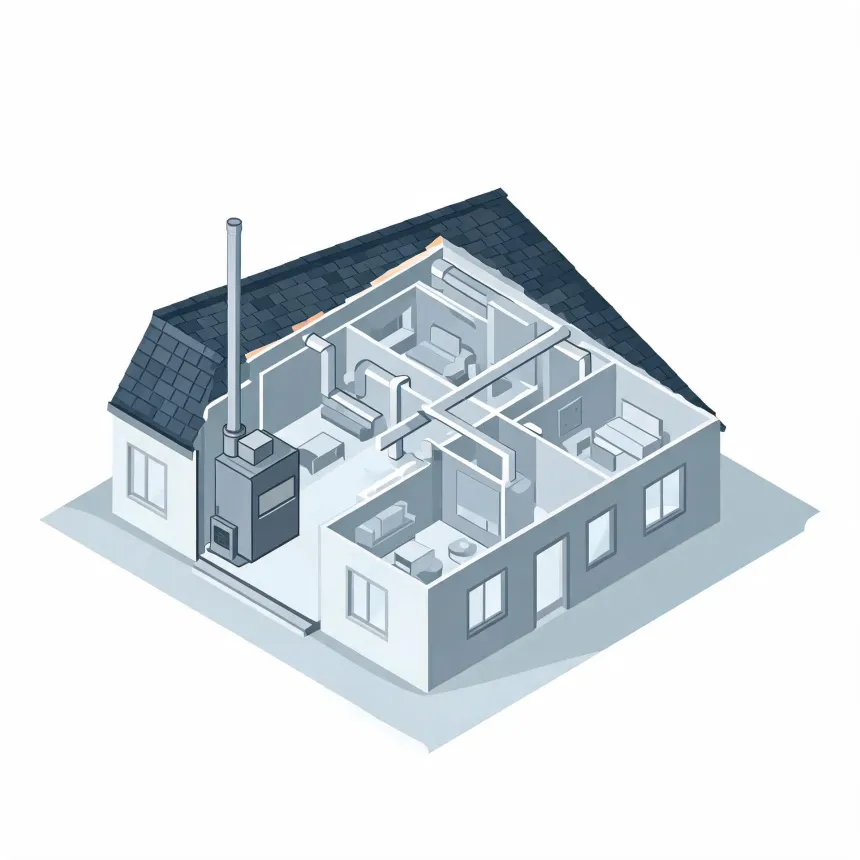
Half the homes in Knox County went up in 1962 or earlier.
A furnace going into a house that old has to match the duct system already there, not the other way around.




Furnaces here run from October through April, about seven months of the year. Overnight lows average 25°F through December, January and February, which is a normal winter low, not an extreme one. A furnace sized to the house handles that fine. There's no case here for oversizing or for paying more for a higher efficiency tier than the house needs. A contractor sizing the replacement will work from the home's square footage, insulation, and duct layout, the same way they would anywhere in this range of winter lows.
Knox County sees its share of rough weather, including winter storms with heavy snow and ice. None of that changes what the furnace itself needs to be. A standard size and efficiency fit the house fine. What matters more is having it running before the cold sets in, so one less thing depends on the weather cooperating.
Find a contractorA contractor doing this job should run a load calculation and look at the duct runs before writing the quote, not after. If the ducts were laid out for a furnace from decades back, a replacement needs to move the right amount of air through them, not just match the old unit's size. Getting that wrong leaves some rooms short on heat while the furnace works harder than it needs to.
The gas line gets capped off, the flue connection comes apart, and the furnace gets cut free from the plenum and ductwork. Whatever's left of the old unit goes out with the install crew. It doesn't get left in the basement or garage for the homeowner to deal with.
An old vent pipe sized for an old furnace isn't automatically right for the new one. A contractor checks the flue size and the gas line capacity against the new furnace's output before hooking anything up, since a mismatch there can mean poor draft or not enough gas pressure to run it correctly.
Estimates for a typical Knox County home, from EIA household energy data, Indiana fuel prices and NOAA climate normals. Your home will differ.
Installation day starts with the old furnace coming out. The crew disconnects the gas line, pulls the flue pipe, and frees the unit from the plenum and ductwork before the new furnace ever comes off the truck. Once the new furnace is in place, it gets hooked up one connection at a time. Gas line first, then the vent, then the return and supply ducts, then the wiring for the blower and controls. After that comes startup. The burners get fired, the igniter and flame sensor get checked, and gas pressure gets measured against what the furnace is rated for. A combustion analyzer confirms it's burning clean and drafting properly before anyone calls the job finished. Each step gets checked before the next one starts, so a straightforward install still takes real time.