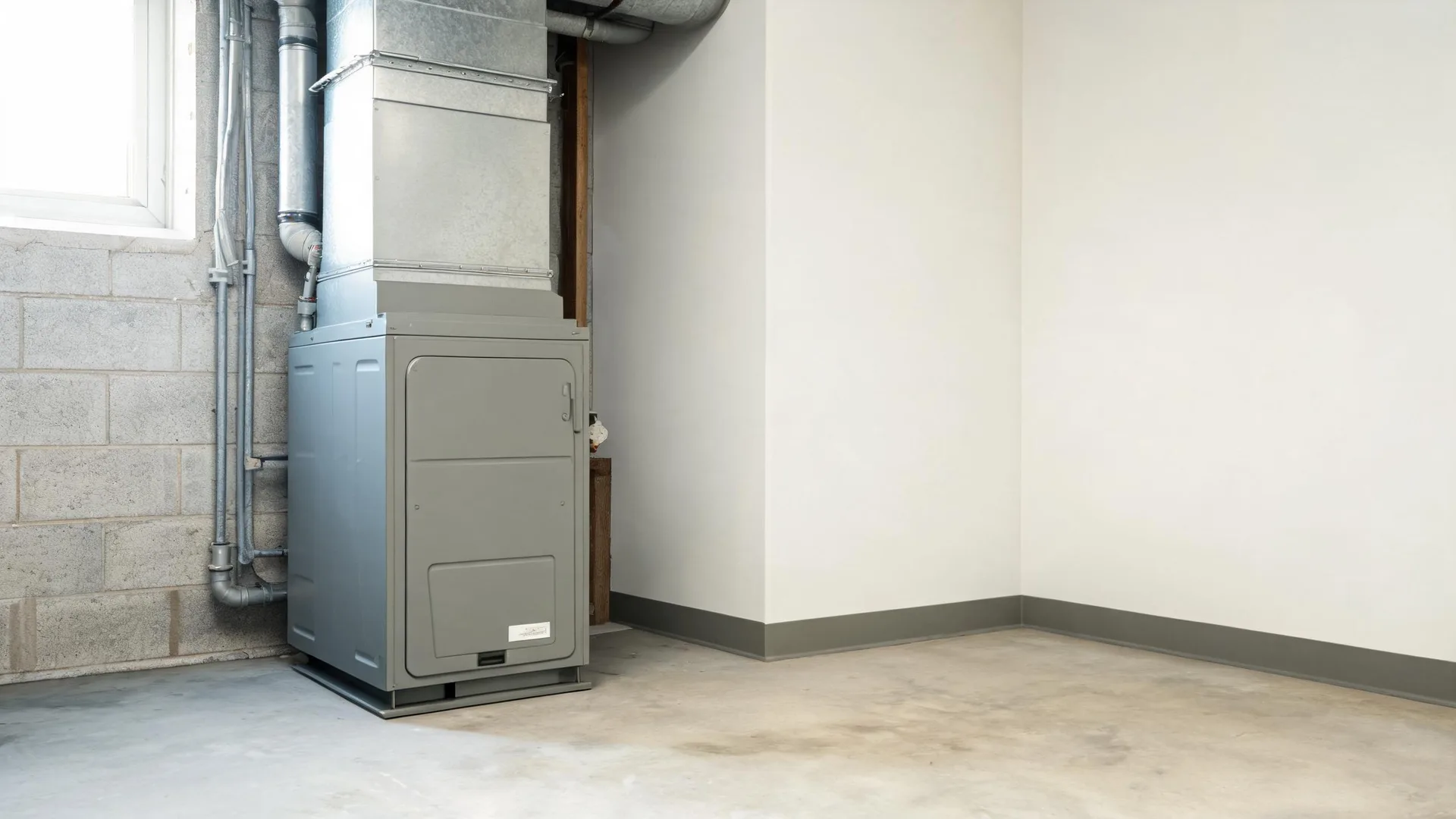
Gas is the common fuel here
Utility gas heats 57.5% of occupied homes in Boone County. Electricity accounts for 31.9%, and LP or propane makes up most of what's left.
Takes about a minute. No obligation.
Utility gas heats 57.5% of occupied homes in Boone County. Electricity accounts for 31.9%, and LP or propane makes up most of what's left.
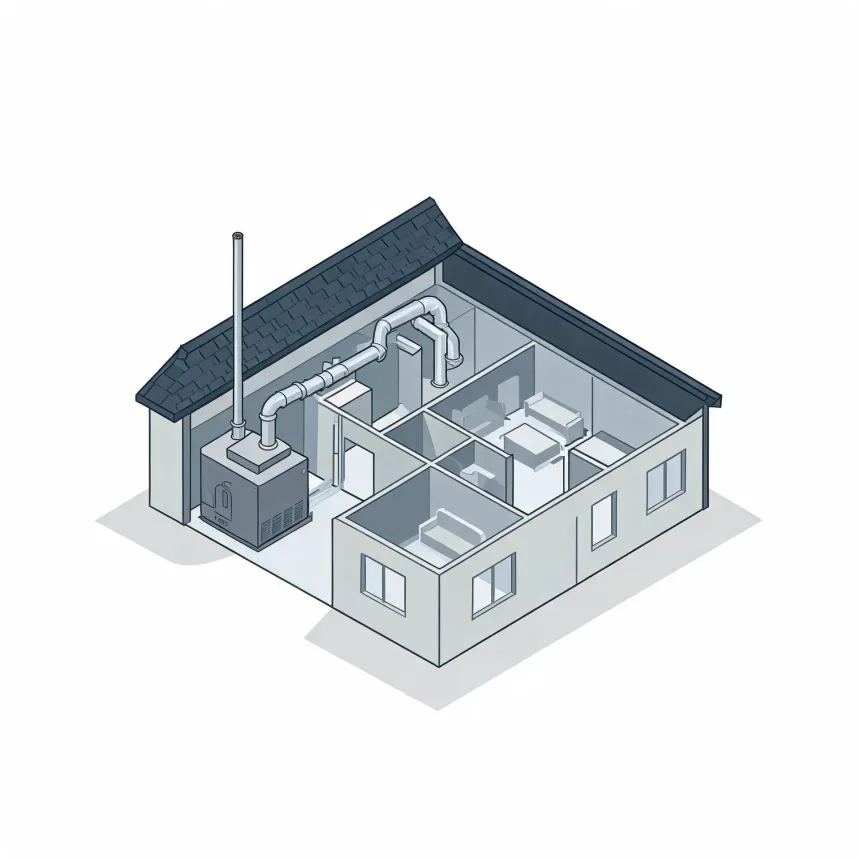
If your house already has a gas line run to a furnace, putting in another gas furnace is usually the straightforward path. Switching fuels means new venting, new gas or electrical work, and that's a bigger job.
NOAA nClimDiv, 1991–2020 normals
Natural gas ran $8.99 per million Btu in Indiana in 2024.
A high-efficiency furnace earns back its extra cost slower here, so pick yours for how it holds up, not just the fuel bill.



With gas this cheap, picking the top-tier furnace over a mid-range one won't save you much on the bill. So look at the install itself. Ask what the warranty covers on the heat exchanger and the blower motor, and for how many years. Ask what happens if the igniter or the circuit board fails once that coverage runs out. A furnace any local contractor can service beats one that needs a specialist, especially after the manufacturer's labor coverage ends. Fit matters too. The right size for your ductwork beats the biggest unit on the lot.
Furnaces here run October through May. September is the month before that starts, and it's the easiest time to replace one, before you need the heat to work.
Find a contractor
An old furnace does not fail all at once. The heat exchanger cracks a little more every season it runs, the blower motor's bearings wear down, and the igniter gets more fragile with every cycle. None of that shows up as a sudden breakdown most of the time. It shows up as a furnace that runs longer to reach the same temperature, or cycles more often, or starts making a new noise in the last stretch of winter. Once a furnace is old enough that parts for it are hard to find, a contractor will often tell you to stop repairing and start planning the replacement, because the next failure might come in the middle of the coldest week instead of on a mild one.
The AFUE number on the label says how much of the fuel actually becomes heat in your house versus how much goes out the flue. A furnace rated higher wastes less gas doing the same job. It doesn't tell you the size of your gas bill, because that also depends on how cold it gets and how big the house is.
Moving from a mid-efficiency furnace to the top-rated one changes how the unit is built to hit that number. It usually means a second heat exchanger and a different venting setup, sealed PVC pipe instead of a metal flue. That adds parts that can need service later. Weigh that against how much fuel the upgrade actually saves before paying more for it.
Estimates for a typical Boone County home, from EIA household energy data, Indiana fuel prices and NOAA climate normals. Your home will differ.
Installation day starts with the old furnace coming out, and that takes longer than people expect once the contractor is in there disconnecting gas, electrical and venting. The new unit gets set and leveled, then connected to the existing ductwork, which is where fit matters. A plenum built for one size furnace sometimes needs rework to seal properly against a different one. Gas line and venting get checked next, not just hooked up. If you're moving to a furnace with a different venting type, that part of the job takes longer than swapping like for like. Once it's running, a contractor checks static pressure in the ducts and measures the temperature rise across the furnace, because both numbers have to fall in the range the manufacturer specifies for that model. A furnace that's wired and vented right but never gets checked against those numbers can run for years before anyone notices it's not performing the way it should.