
Furnace pilot light won't stay lit in Greenwood, IN
One request and the search for a pro is handled.
Let a pro reach outWhy won't my furnace pilot light stay lit?
Cold mornings in Johnson County are the worst time for this to happen. You go to light the furnace, the flame catches, and the moment you let go of the knob or close the panel, it goes out again. Maybe it relights once or twice before it quits for good. It's frustrating when you're trying to keep the house warm and the furnace won't cooperate long enough to stay running.
A weak thermocouple is usually why the pilot won't stay lit
The thermocouple is the small copper rod that sits in the pilot flame. Its job is to sense heat and tell the gas valve the pilot is lit. When it wears out or gets coated with soot, it cools off too fast and the valve shuts the gas back off, even though the flame looks fine. A draft blowing across the pilot can cause the same thing, and so can a dirty pilot orifice that keeps the flame too small to heat the thermocouple properly. If your furnace is older and still uses a standing pilot rather than an electronic igniter, the thermocouple is the first thing worth checking. It's a cheap part to replace, but it takes a steady hand and the right tools to get right.
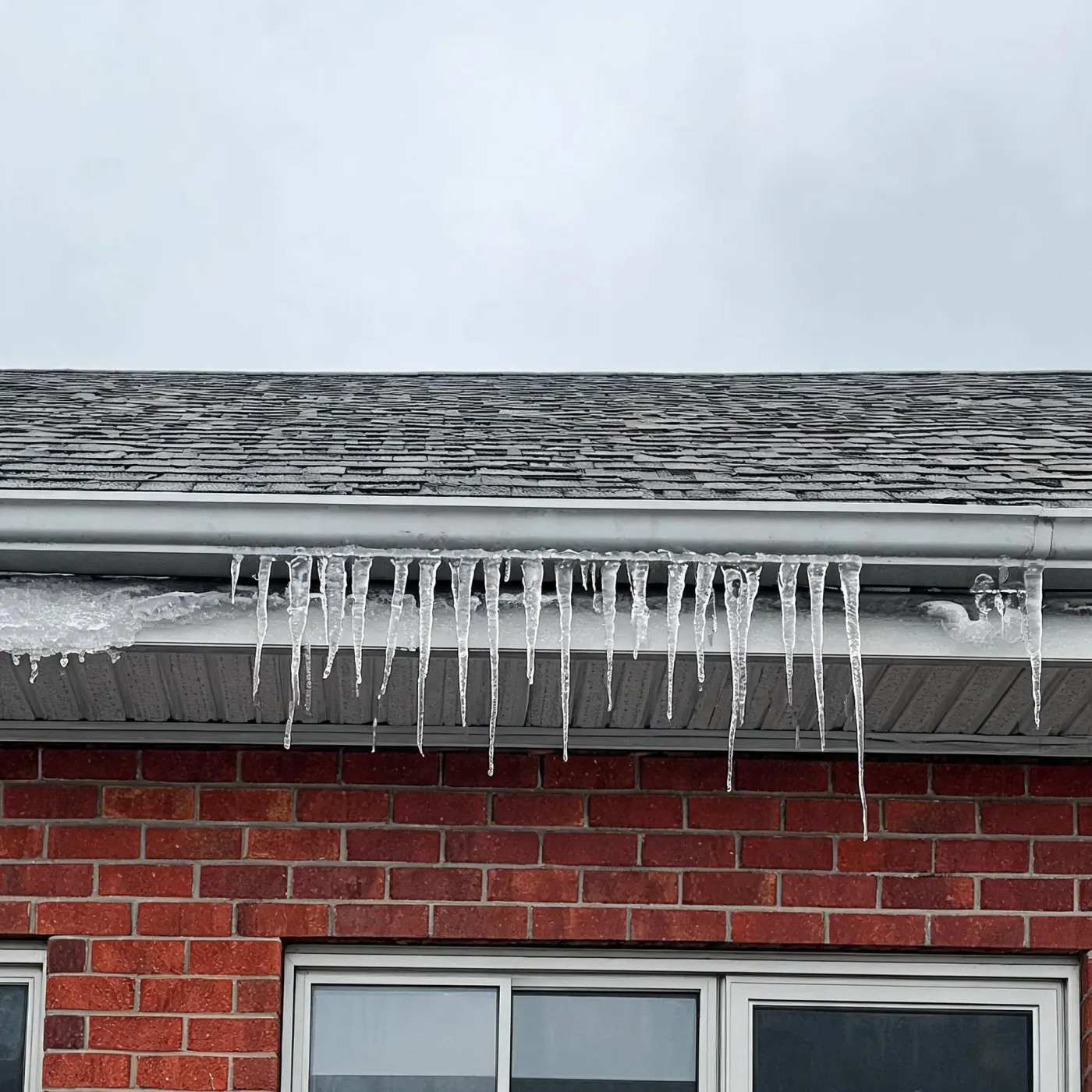
Overnight lows here average 23°F through December, January and February, according to NOAA climate data for Johnson County. That means your furnace is running most of the night, every night, for three straight months. A pilot light that won't hold is bad any time, but at 23 degrees the furnace can't just sit off until morning. You'll notice the house losing heat fast, the thermostat calling again and again, and if the pilot keeps dropping out, the burners never fire to answer it. A thermocouple that's worn or slightly out of position often holds a flame long enough to fool you, then fails once the burner cycles and the draft shifts.
NOAA nClimDiv 1991-2020
Thermocouple or Gas Valve
Thermocouple problem
- A thermocouple that's worn out or coated with soot won't sense the pilot flame and shuts the gas valve as a safety measure.
- You can sometimes tell by how far the pilot flame reaches up around the thermocouple tip, it should touch about half an inch of it.
- Bending the thermocouple back into position next to the flame fixes it for some homeowners, at least for a while.
- Once a thermocouple starts failing it tends to get worse, so a pilot that holds today may not hold next week.
- A contractor can swap the thermocouple itself, which is a cheap part compared to the gas valve behind it.
Gas valve problem
- If the thermocouple tests fine with a multimeter, the gas valve itself may not be holding the circuit closed.
- A failing gas valve can let the pilot light but then cut gas to it within seconds, no matter how long you hold the knob.
- This isn't something to test yourself since it means opening up the valve body and working directly with the gas line.
- A gas valve that's failing can also affect the main burners once the pilot does stay lit, not just the pilot circuit.
- Replacing the valve means matching it to your furnace model, so a local contractor who stocks common parts for Johnson County furnaces gets you heat back faster.
What the thermocouple actually does
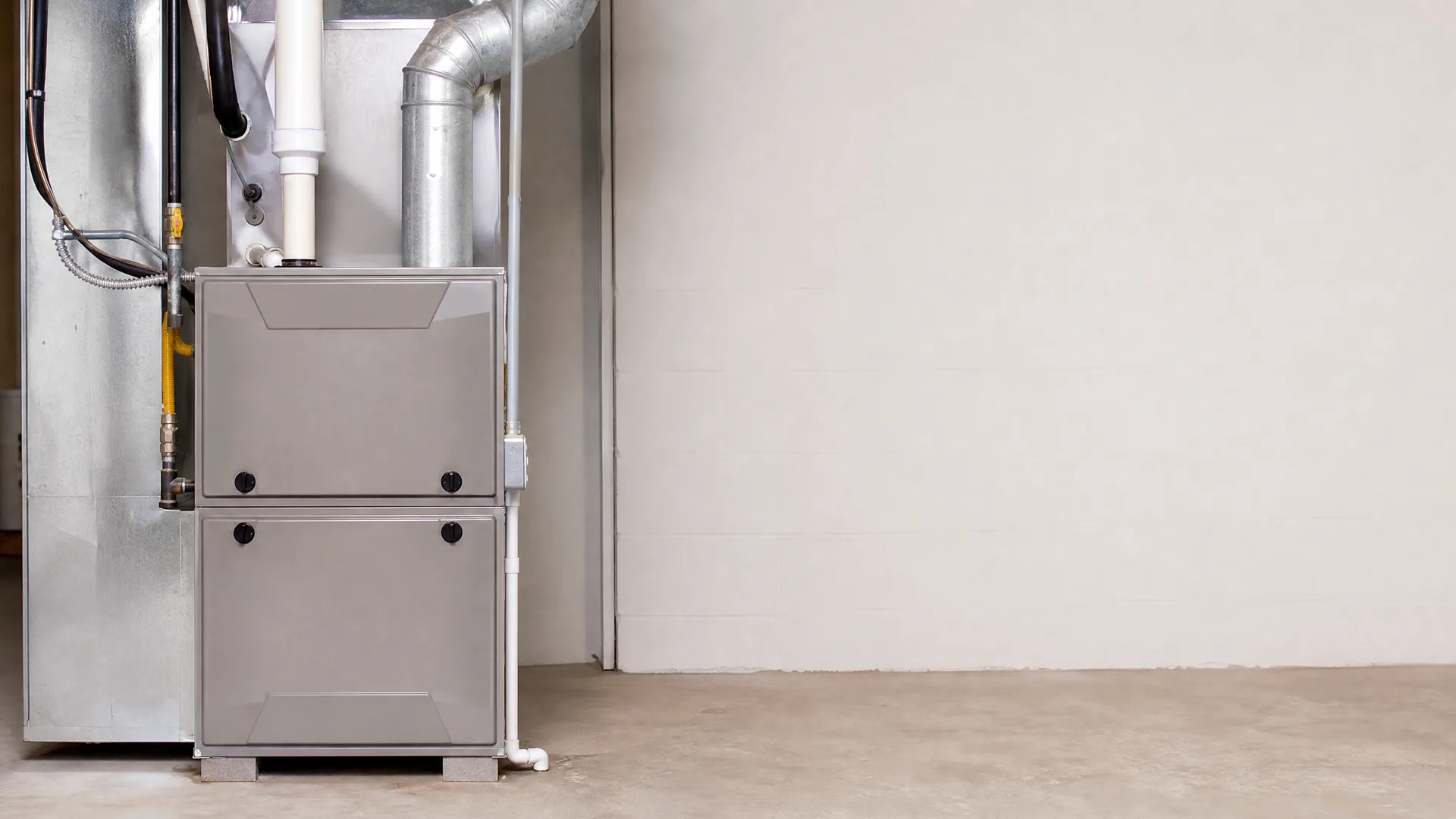
The thermocouple is a thin metal rod sitting in the pilot flame. Heat from the flame generates a small electric current that tells the gas valve to stay open. No current, no gas. It's a safety part, not a convenience, and it doesn't care how long the furnace has run or how cold it is outside. It only responds to whether it's getting heated the way it should.
Why a draft makes it worse
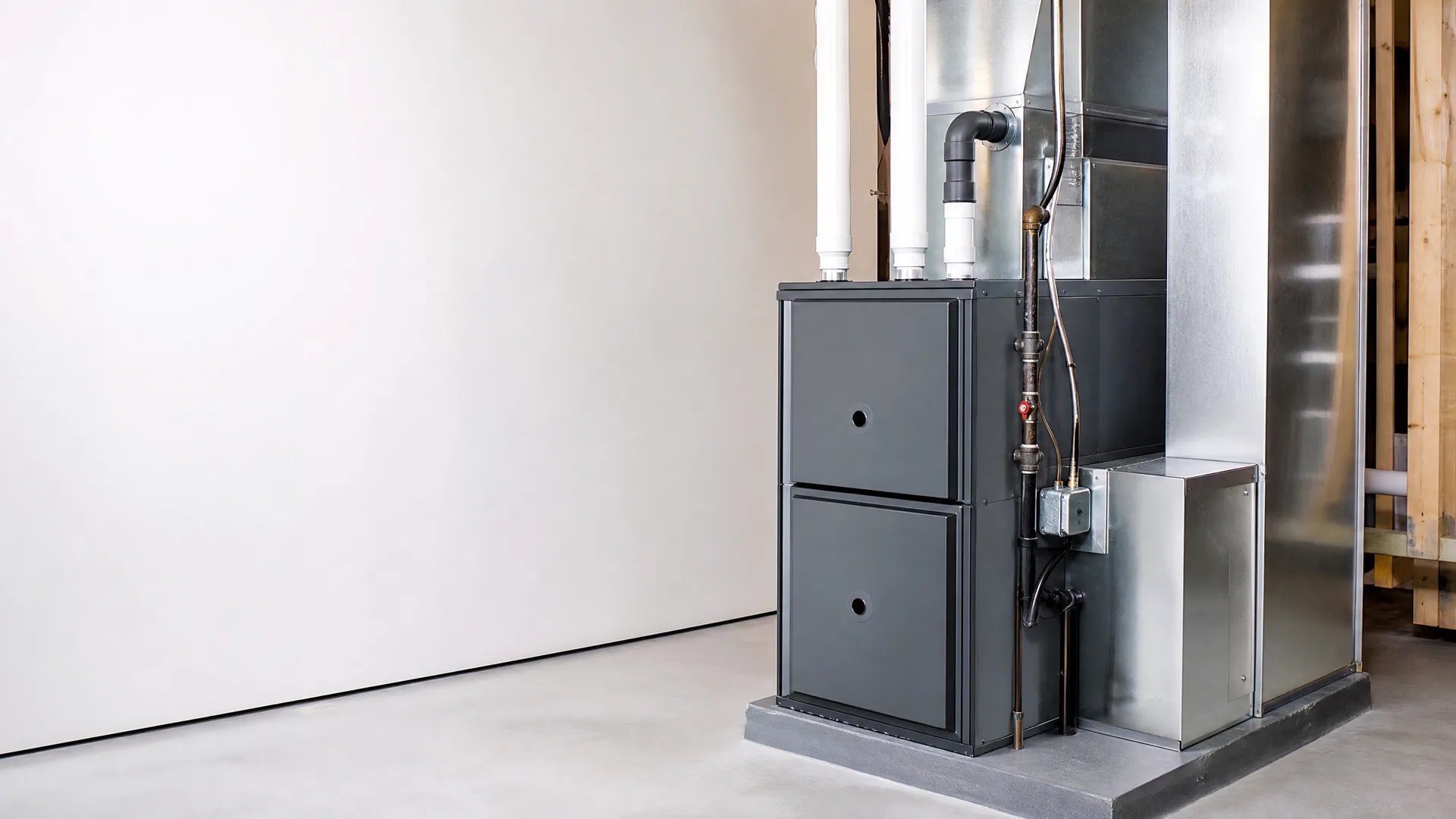
A furnace closet or basement with any air movement can pull the pilot flame sideways, off the thermocouple tip. Once the flame isn't making direct contact, the rod cools faster than the gas valve expects and it shuts off. This happens more in older furnace designs where the pilot sits in an open area rather than enclosed, and it's why some pilots hold fine on a still night and go out on a windy one.
Is your house staying warm enough right now?
Walk past the furnace and you'll probably hear the click of the igniter trying, then nothing. Maybe the pilot catches for a few seconds and dies. Maybe it won't catch at all and the house is running on whatever heat is left in the ducts. Check the rooms farthest from the furnace first, they'll go cold before the rest of the house does. If this has been going on for more than a day, the furnace isn't cycling, which means it isn't recovering heat overnight when it's coldest. A furnace that won't hold a pilot doesn't run at half strength, it doesn't run at all, and in Johnson County that's not something to leave for the weekend.




Hand off the search today
A licensed pro who works in Johnson County gets your request.
There's no charge for the request.
What else can cause this
- A dirty or bent thermocouple can act exactly like a worn one and cause the same repeated shutoff.
- Weak gas pressure from the valve will starve the pilot flame even when the thermocouple itself is fine.
- A draft from a cracked flue, loose vent pipe, or nearby air return can blow the pilot out between cycles.
- Dirt or a spider's nest clogging the pilot orifice will choke the flame down until it can't reach the thermocouple.
- The gas control valve itself can fail internally, holding the circuit open as if the flame signal never arrived.
- Furnace age matters here, since parts inside the valve and thermocouple wear out after years of lighting cycles.
The thermocouple is the usual suspect, but it isn't the only one. Sometimes the part looks fine and still won't hold a signal because it's sitting in soot or bent just enough to miss the flame. Gas pressure matters too. If the valve isn't delivering enough, the pilot burns thin and weak, and a weak flame can't heat the thermocouple tip hot enough to keep the circuit closed, even with a good part. Drafts cause the same symptom from a different direction. A cracked flue pipe, a vent joint that's worked loose, or even a nearby return pulling air wrong can snuff the pilot out between cycles, so it looks like the flame won't hold when really something's blowing on it. Check the orifice too. It's a small opening, and it doesn't take much, dust, a bit of lint, even a spider's web, to choke the gas down to a sputter. Then there's the valve itself. Inside it is a switch that's supposed to open only when it senses the flame. Once in a while that switch fails stuck, and the valve acts like it never got a signal at all, no matter what the thermocouple is doing. None of these parts last forever. The more winters a furnace has been through, the more cycles its valve and thermocouple have fired, and wear adds up the same way it does on anything that works every night for months.
How long does a bad pilot light leave you without heat here?
Winter nights average 23°F
Gas heats 64% of homes in Johnson County, so when the pilot won't hold, most of your neighbors are dealing with the same furnace, same part, same fix.
Heat runs October through May
Heat runs here from October through May, about eight months. A pilot that won't stay lit during that stretch isn't a one-off problem, it's most of the year.
64% of homes heat with gas
Overnight lows average 23°F in December, January and February. A furnace that won't hold a pilot on one of those nights leaves the house cold fast.
NOAA nClimDiv 1991-2020 · ACS 2020-2024
A pilot that won't hold almost always comes down to the thermocouple, the gas pressure, or a draft reaching the flame, and a furnace tech can usually tell which one by watching the pilot light and checking the flame against the thermocouple tip. None of those three take guesswork to find once someone is standing in front of the furnace. What matters now is getting the heat back on before another cold night in Johnson County passes without it. Once you send the request, you're not the one calling around to find a contractor who works on this. A licensed local tech who deals with this part every winter takes it from here, and you'll hear from just the one.

Furnace Repair
Stop chasing a furnace pro
A licensed pro who repairs furnaces in Johnson County gets your request.
